Acoustics and Atmosphere: The Science Behind Stadium Sound
1 March 2026
Ever wondered why some stadiums feel absolutely electric while others fall flat, even when the crowd is massive? It’s not just the fans—it’s also the design, the science, and yes, the sound. Welcome to the booming world of stadium acoustics, where architecture meets atmosphere, and science teams up with sports passion.
In this deep dive, we’re unpacking how stadiums harness the physics of sound to amplify cheers, echo chants, and electrify every moment from kickoff to game over. So grab your foam finger and let’s break down what really makes a stadium roar.
What’s the Big Deal About Stadium Acoustics?
Picture this: You're in a packed stadium, your team scores, and suddenly there's a deafening wave of sound that makes your spine tingle. That’s not accidental—it’s acoustic science at its finest.At its core, stadium acoustics are all about how sound travels through the structure and how it bounces around. The goal? Capture and reflect crowd noise to maximize the atmosphere and give home teams that fan-fueled edge.
But wait, sound is just noise, right? Nope. Sound has direction, energy, and purpose—especially in sports arenas. The right acoustics can crank up the excitement and pressure. The wrong ones? Total buzzkill.
Sound 101: A Quick and Dirty Primer
Before we dig deeper, let’s quickly brush up on how sound works.Sound travels in waves—vibrations that move through air (or other mediums like water or solid surfaces). When you cheer, your vocal cords vibrate and create waves. These waves travel outward, reflect off surfaces, and eventually hit someone else’s ears.
Now imagine this happening with 60,000 people, steel beams, concrete walls, open roofs, and angled seating. That’s a lot of sound flying around. Properly designed stadiums shape and channel these waves to boost intensity and clarity.
Stadiums: Not Just Concrete and Steel
Sure, at first glance, a stadium looks like a giant bowl of concrete and metal. But its design is way more intentional than you’d think—especially if the goal is a thunderous atmosphere.1. Bowl vs. Open Design
Traditional bowl-shaped stadiums are top-tier when it comes to trapping and reflecting sound. The curved structure rebounds noise back towards the field and the crowd, keeping the energy locked in.In contrast, open-ended stadiums may look cool and offer nice views, but they usually let sound escape. That's why some newer stadiums, even open ones, sprinkle in strategic walls or canopies to bounce the sound back.
2. Canopies and Roofs Make Magic
Ever been to a stadium with a partial roof or canopy? That’s not for the rain—it’s for the roar.Canopies act like acoustic umbrellas. They collect noise from the crowd and bounce it down to the field. Think of it like shouting into a bowl vs. shouting into the sky. The sound gets trapped and pushed back, creating that overwhelming volume that rattles your ribs.
Some stadiums even use special materials in their roofing to reflect sound more efficiently. It’s like putting a megaphone over the crowd.
3. Material Matters
Not all materials absorb or reflect sound equally.- Concrete and steel: Reflect sound hard and fast. Great for loudness.
- Glass and plastic: Can reflect or diffuse sound depending on thickness and shape.
- Fabric roofs: Some modern stadiums use tension fabric membranes. These don’t reflect as sharply, but clever designs still get the job done.
Architects and engineers mix and match these for the perfect acoustic recipe.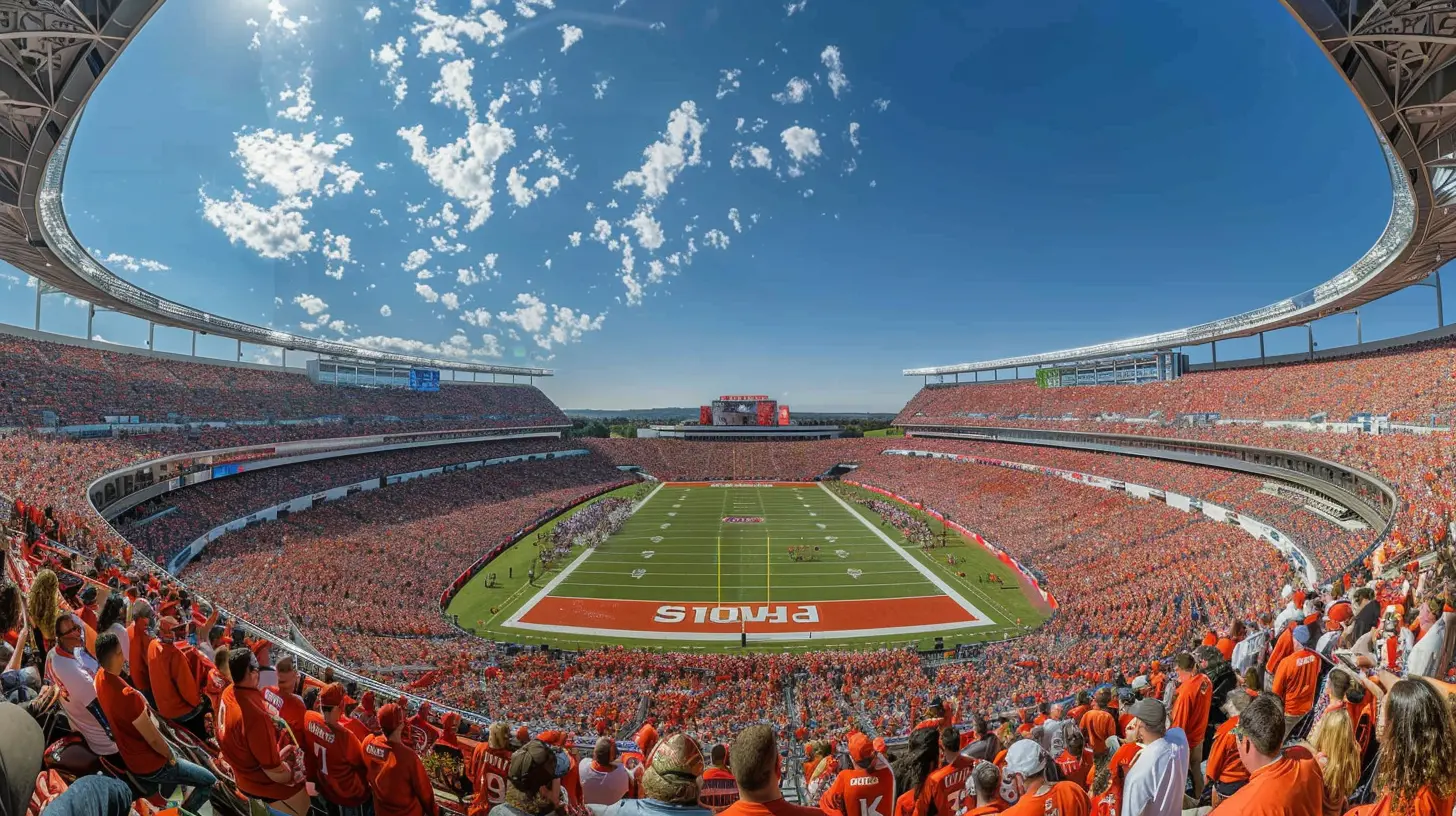
Famous Stadiums with Legendary Acoustics
Let’s talk about the loudest of the loud. These stadiums weren’t just built—they were engineered to make noise a weapon.Arrowhead Stadium (Kansas City Chiefs)
This NFL fortress holds the Guinness World Record for the loudest crowd roar (reaching over 142 decibels). That’s like standing next to a jet engine. The bowl-shaped design and steep seating trap sound so effectively it becomes deafening.CenturyLink Field (Seattle Seahawks)
Home to the infamous “12th Man,” this stadium is a soundstorm. With an architecturally active roof and dynamic seating design, it bounces cheers right back onto the field. Quarterbacks have literally complained about not being able to hear their own thoughts.Allianz Arena (Bayern Munich)
European stadiums bring their own flavor, and Allianz Arena is a beauty. Its plastic panel exterior and modern bowl-shaped interior keep chants loud and proud—whether it's Bundesliga drama or Champions League fireworks.How Acoustics Affect the Game
Okay, so loud stadiums are fun—but do they actually change the game? You bet.1. Boosting the Home Team
There’s no substitute for that adrenaline rush when a whole crowd erupts. The louder the stadium, the more fired-up the players can get. Psychologically, it’s gold.2. Disrupting the Opponent
Ever tried giving instructions to someone while standing next to a jackhammer? That’s what opposing teams often deal with. Communication becomes chaos. Play calls get missed. Mistakes happen.3. Creating Pressure
Loud noise can elevate stress levels for players—especially rookies or those unused to intense environments. Stadium acoustics make the atmosphere feel more "alive," turning every play into a high-stakes moment.The Role of Technology in Modern Stadium Acoustics
It’s not all concrete curves and steel shells anymore. These days, stadium designers bring tech into the mix to perfect the soundscape.Acoustic Modeling Software
Before breaking ground, engineers run simulations using software that predicts how sound will behave inside a future stadium. These programs analyze how noise travels, reflects, and interacts with materials.They even account for things like:
- Crowd size
- Weather conditions
- Sound system placement
Smart Sound Systems
Many modern stadiums aren’t just built for crowd noise—they also deliver razor-sharp audio from gigantic speakers. But there’s no use booming sound if it turns into a mess of echoes.That’s why designers use directional speaker arrays and time-delay systems so that audio reaches every seat, from the nosebleeds to the VIP box, at just the right moment.
Fan Choreography and Sonic Strategy
Yes, the crowd has a role to play too. Some teams and supporters actually organize chants, coordinate jumps, and even practice how to make the most noise possible.Think:
- Iceland’s legendary “Thunderclap”
- College football’s synchronized crowd waves
- Soccer ultras creating 90 minutes of nonstop chants and songs
Combine this human energy with savvy stadium design, and you’ve got a sound weapon that can swing entire games.
Future-Proofing Stadium Sound
With architecture and tech evolving fast, tomorrow’s stadiums will be acoustically intelligent.Here’s what we might see more of:
- Retractable roofs optimized for sound reflection
- Modular seating arrangements to control echo and reverb
- AI-based crowd noise analysis to enhance in-game stadium audio
- Acoustically tuned surfaces that adapt to different events (concerts vs. sports)
Yep, stadiums are getting smarter—and louder.
So, Why Does Stadium Sound Matter?
Because sports are emotional. They’re raw, electrifying, and real. The right sound can turn a game into a memory and a stadium into a legend.When thousands of people scream in unison and the roar bounces around like a tidal wave, it does something to you. It lifts you. And that’s the magic of acoustic atmosphere.
So next time you’re yelling your lungs out for your team, remember this—it’s not just noise. It’s science doing its thing. And you? You’re part of the equation.
all images in this post were generated using AI tools
Category:
StadiumsAuthor:

Umberto Flores
Discussion
rate this article
2 comments
Xavier Hines
This article insightfully explores how acoustics shape the fan experience in stadiums, enhancing emotional engagement during events. The interplay between sound design and crowd dynamics highlights an often-overlooked aspect of sports culture that significantly impacts athletes’ performance and collective enjoyment.
March 26, 2026 at 3:20 AM
Umberto Flores
Thank you for your thoughtful comment. I'm glad you found the connection between acoustics and the fan experience compelling. It's a crucial aspect that can really elevate the atmosphere at events.
Alexander Malone
Fascinating insights on sound!
March 1, 2026 at 3:23 AM
Umberto Flores
Thank you! I'm glad you found the insights intriguing!