Ali vs. Frazier: The Boxing Rivalry That Defined an Era
13 March 2026
Boxing has had its fair share of rivalries, but none captured the world's attention quite like Muhammad Ali vs. Joe Frazier. This wasn't just about two fighters duking it out in the ring—it was a clash of styles, personalities, and even political ideologies. Their battles were more than just fights; they were wars that defined an era.
So, what made Ali vs. Frazier such a legendary rivalry? Let’s break it down.
The Build-Up: Two Different Paths to Greatness
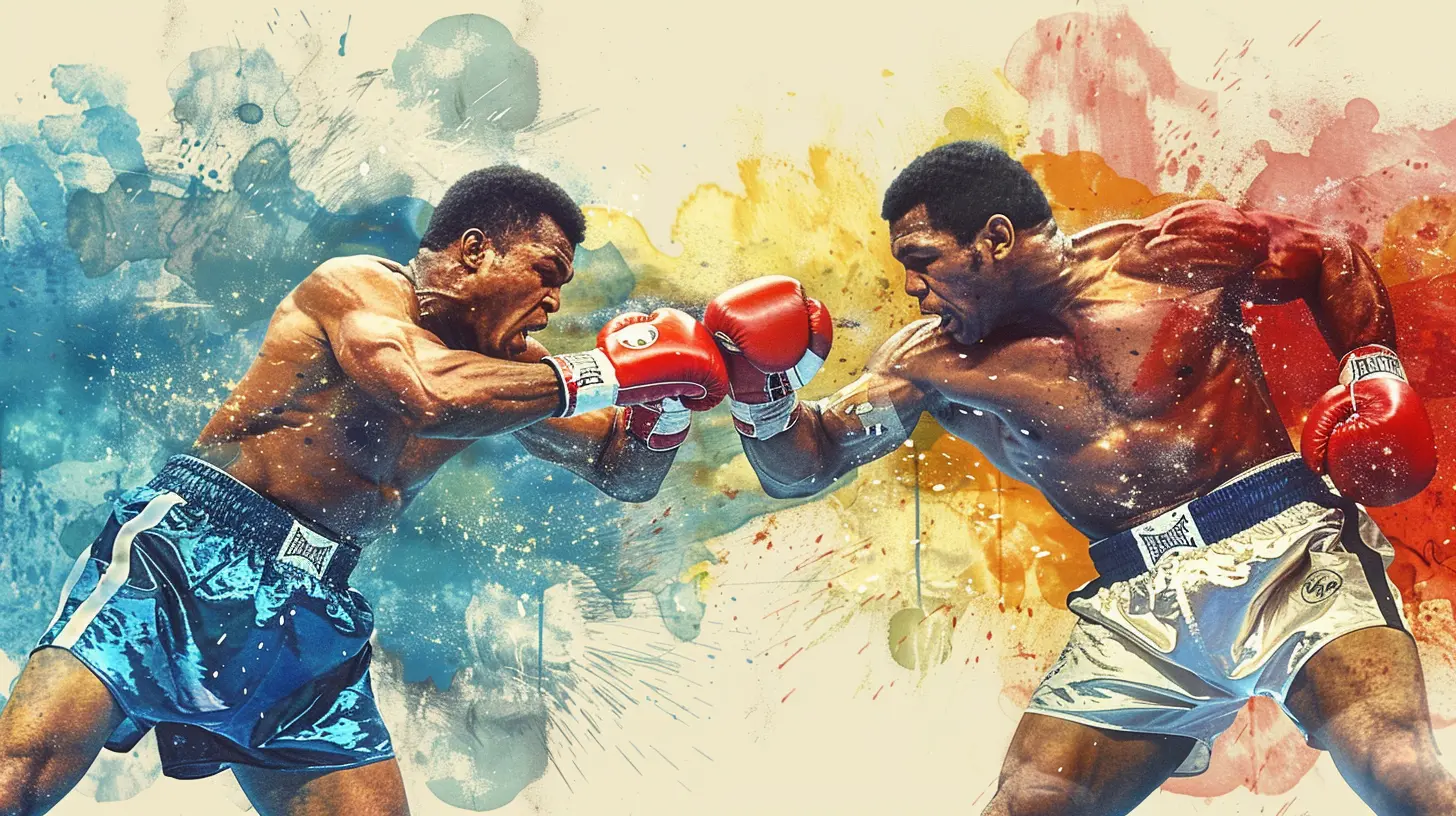
Muhammad Ali, born Cassius Clay, was flashy, loud, and unapologetically confident. He danced around opponents, taunted them, and made boxing feel like a spectacle. But make no mistake—beyond the theatrics, he had skills to back it up. His speed, footwork, and ring IQ were unmatched.Joe Frazier, on the other hand, was the total opposite. He wasn’t about the showmanship; he was all business. A relentless pressure fighter with a devastating left hook, Frazier brought a blue-collar toughness to the ring. He wasn’t going to dance around you—he was going to walk you down, get in your face, and make you fight.
By the time these two met in the ring, both were undefeated, and the question was simple: Who was the better man?
Fight 1: The Fight of the Century (March 8, 1971)
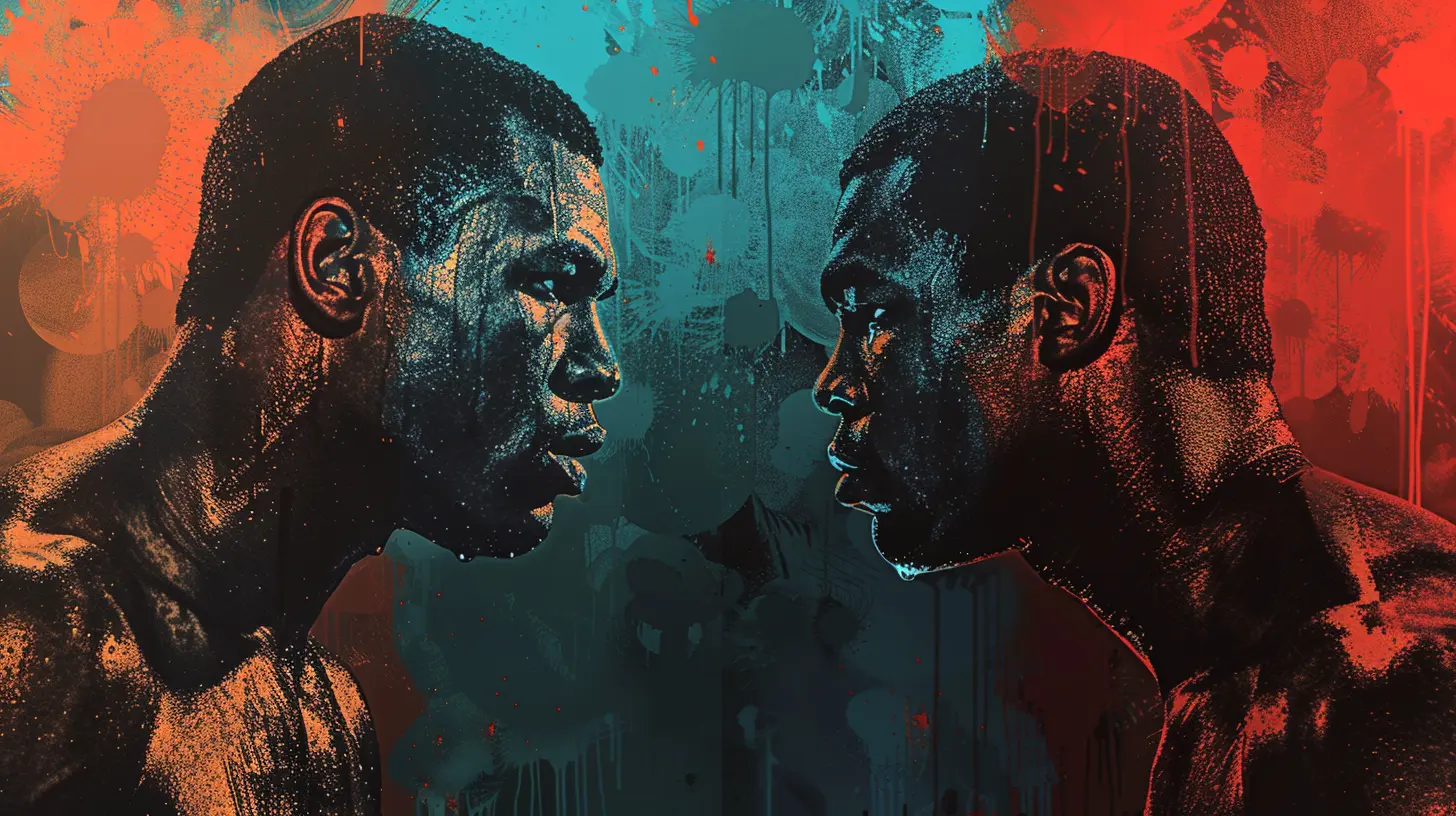
Madison Square Garden was the place to be on March 8, 1971. The hype was through the roof—this wasn’t just a boxing match; it was a global event. Even celebrities and world leaders wanted a ticket.Ali had just returned from a three-year suspension for refusing to be drafted into the Vietnam War, and Frazier was the reigning champion. The political undertones were hard to ignore. Ali was seen as the anti-establishment figure, while Frazier was viewed as the working-class hero.
The fight itself? A brutal 15-round war. Ali had moments of brilliance, landing sharp jabs and combinations. But Frazier? He was relentless. He kept coming forward, eating shots just to land his own. Then, in the final round, he dropped Ali with a left hook that could’ve knocked out a mule.
Frazier won a unanimous decision, handing Ali his first professional loss. The rivalry was officially on.
Fight 2: The Rematch (January 28, 1974)
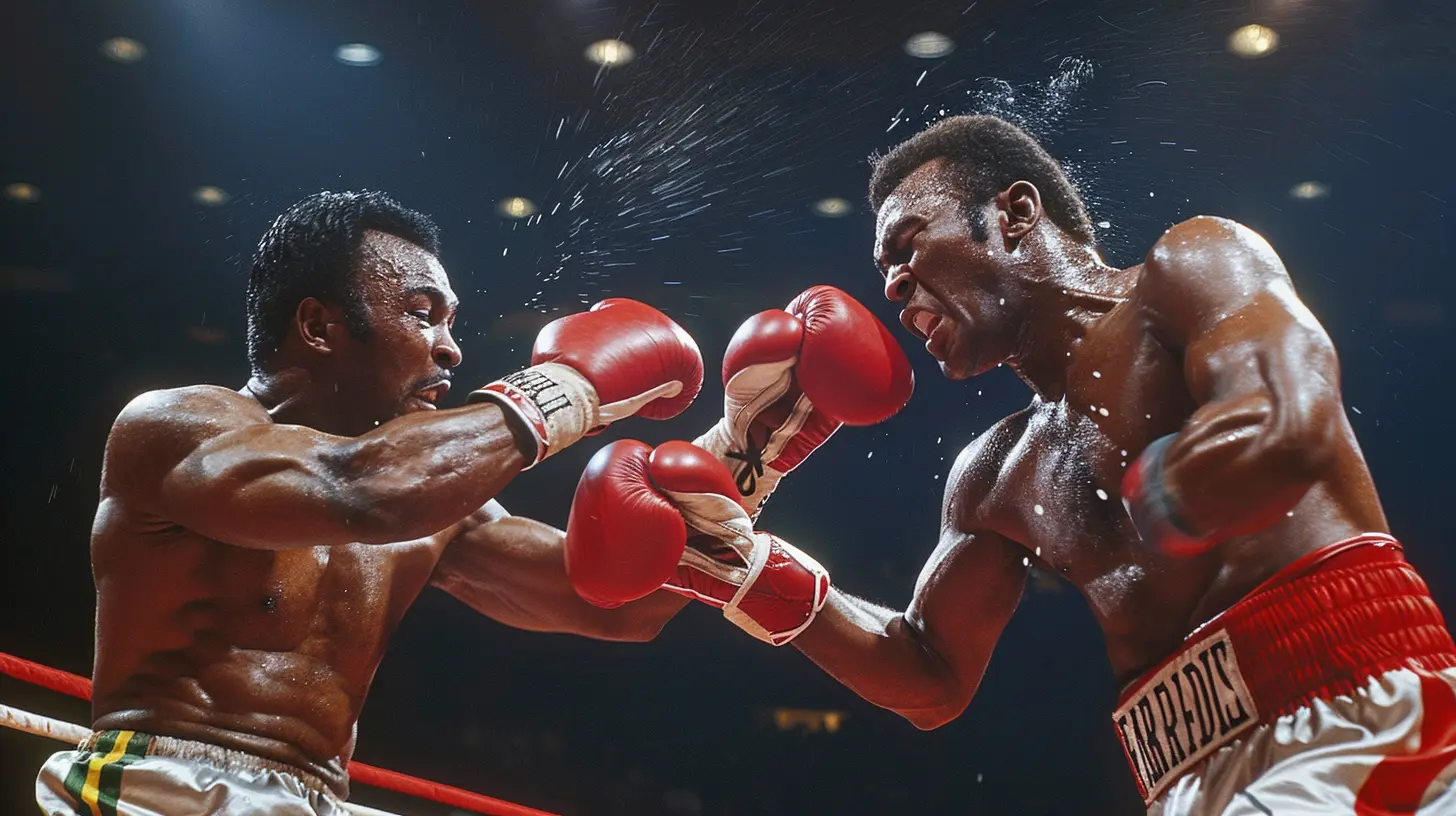
Three years later, they ran it back. This time, there was no title on the line—just pride.Ali had learned from their first fight. He wasn’t going to let Frazier bully him inside. Instead, he used his movement and clinching to neutralize Frazier’s relentless pressure. The fight wasn’t as brutal as their first encounter, but it was still intense.
After 12 rounds, Ali walked away with a unanimous decision victory. They were now 1-1. But the best—oh, the best—was yet to come.
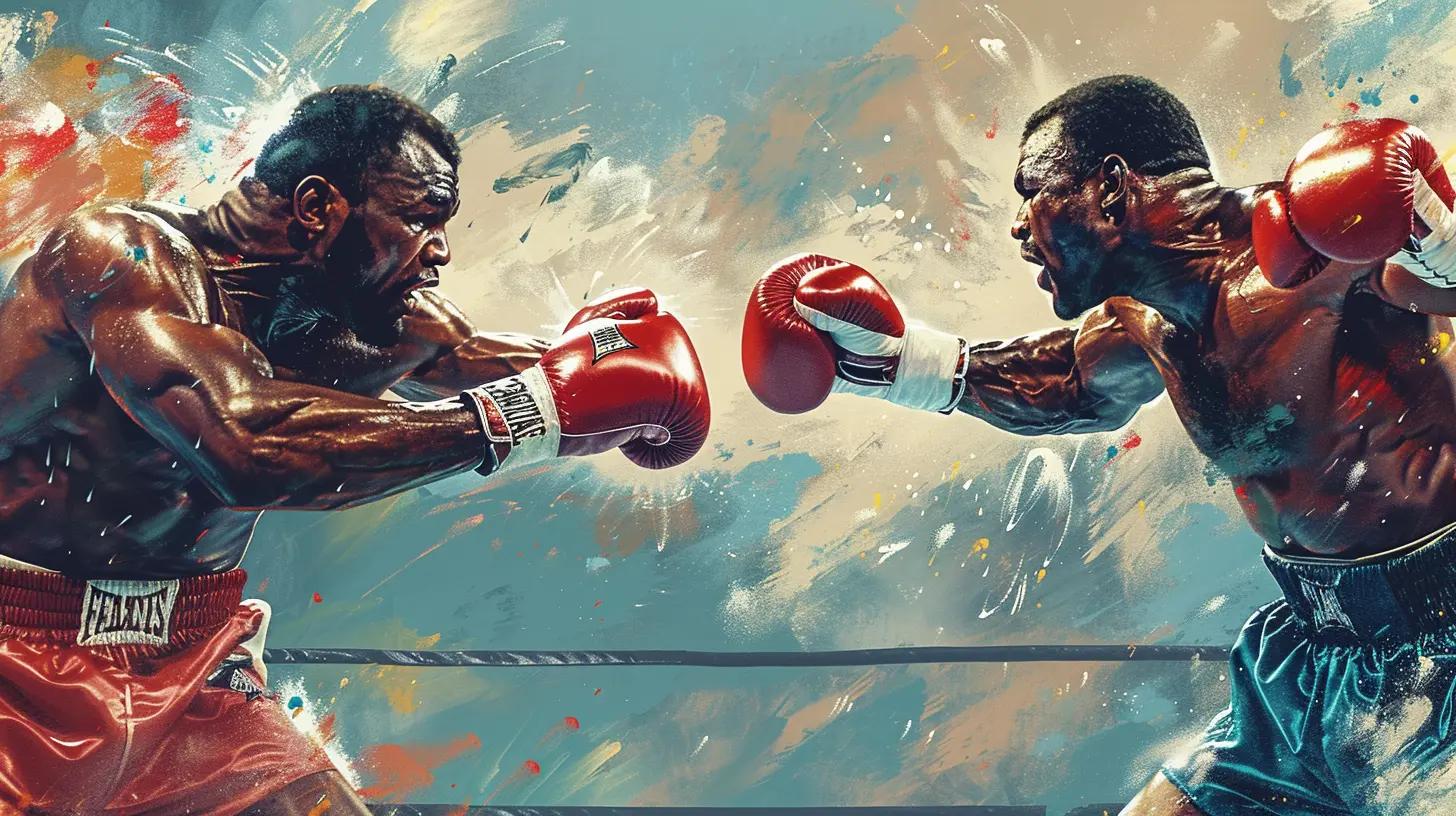
Fight 3: The Thrilla in Manila (October 1, 1975)
If you ask boxing purists what the greatest fight of all time is, many will say The Thrilla in Manila. And for good reason.By this point, both fighters had taken their share of beatings in the ring. But they still had one last war left in them.
From the opening bell, it was a dogfight. Ali came out strong, landing punches with precision. But Frazier, as always, absorbed the punishment and kept coming.
Round after round, they pounded each other in the sweltering heat of Manila. It was brutal, exhausting, and downright punishing. By the 14th round, Frazier’s face was swollen beyond recognition, and he could barely see. His trainer, Eddie Futch, made the heartbreaking decision to stop the fight before the 15th round.
Ali, completely drained, later admitted, "That was the closest thing to dying that I have ever known."
With that, the rivalry ended. Ali had won the trilogy, but both men left a piece of themselves in that ring.
Beyond the Ring: A Complicated Respect
For years, their rivalry was fueled by animosity. Ali often taunted Frazier, calling him names that cut deep. At times, it got personal—real personal.But as time passed, their relationship changed. Frazier was hurt by Ali’s words for years, but eventually, there was a sense of mutual respect.
When Ali lit the Olympic torch in 1996, Frazier admitted he still had some bitterness. But by the time Ali passed away in 2016, Frazier had already gone before him in 2011. Their war was over, but their legacy? That would live on forever.
Why This Rivalry Still Matters Today
Think about it—how many rivalries in sports truly transcend generations? Ali vs. Frazier wasn’t just about two guys throwing punches; it was about resilience, determination, and the will to win.It showed that boxing isn’t just a sport—it’s a test of heart. And no matter how many decades pass, that’s something fight fans will always respect.
Ali and Frazier gave us three of the greatest fights in boxing history, and their battles will forever be etched in time.
Final Thoughts
Ali vs. Frazier wasn’t just about boxing—it was about legacy. It was about two warriors who gave everything they had to the sport, leaving behind moments that will never be forgotten.Their rivalry defined an era, and even today, it remains the gold standard for what a true boxing rivalry should be.
So next time you watch a big fight, just remember—before there was Mayweather vs. Pacquiao or Fury vs. Wilder, there was Ali vs. Frazier. And that? That was the real deal.
all images in this post were generated using AI tools
Category:
Sports RivalriesAuthor:

Umberto Flores
Discussion
rate this article
2 comments
Desiree McCool
What a fantastic dive into the iconic rivalry! Ali and Frazer's fierce competition not only shaped boxing history but also inspired countless fans. Their legacies continue to resonate today—truly unforgettable!
April 5, 2026 at 10:31 AM
Umberto Flores
Thank you! I'm glad you enjoyed the article. Their rivalry truly left an indelible mark on sports and culture.
Rocket Ramos
Epic battles, timeless legacy.
March 14, 2026 at 4:15 AM
Umberto Flores
Absolutely, their rivalry set a standard for excellence in sports and left a lasting impact.