Balancing Fairness and Control: The Challenges of Being a Referee
23 October 2026
Let’s take a moment to think about the one person in every match who doesn’t pick sides, doesn’t score goals, and doesn’t celebrate victories, yet somehow has the most power on the field. Yep, we’re talking about referees. Often unnoticed until a controversial call flips a game upside down, referees operate in that grey area between fairness and control—where emotions run high, judgement is instant, and there’s hardly any room for error.
Being a referee is not just about blowing a whistle. It’s about making quick, objective decisions in intense environments. So, what makes this role so complex? And how do refs juggle fairness with authority? Kick back, because we're about to pull back the curtain on one of sports’ toughest gigs.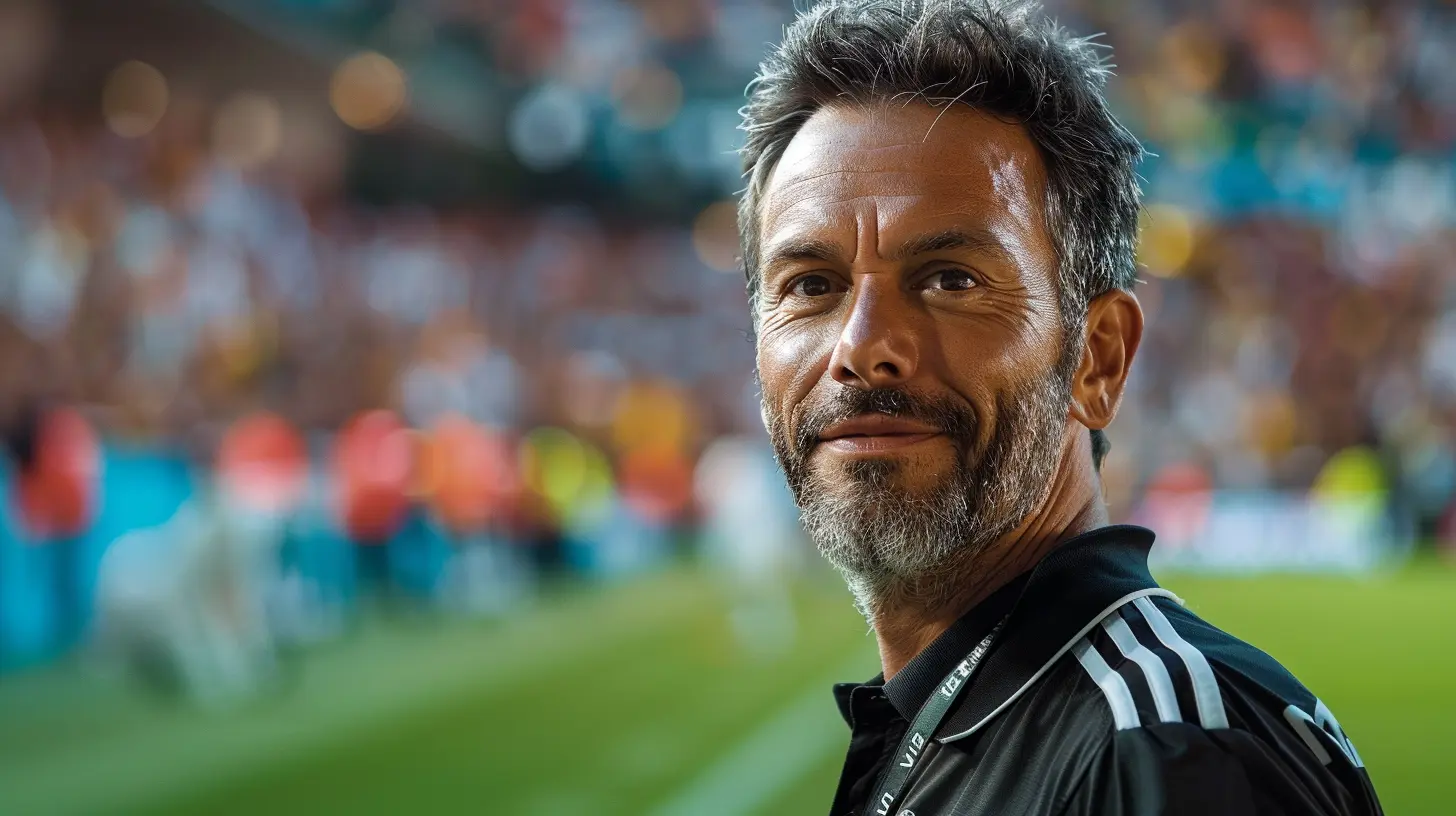
The Underrated Role of the Referee
Before we dive into the challenges, let’s understand what referees are really responsible for.At first glance, it seems pretty straightforward: enforce the rules of the game. But let’s not forget, they also set the tone, keep the pace, manage egos, diffuse tempers, and maintain order. Think of them as the peacekeepers of the pitch. One bad call and all hell can break loose—fans erupt, players revolt, and coaches go into meltdown mode.
But the pressure doesn’t stop on the field. With slow-motion replays, social media, and 24/7 sports analysis, referees are scrutinized like never before. One mistake, and they’re the villain of the week.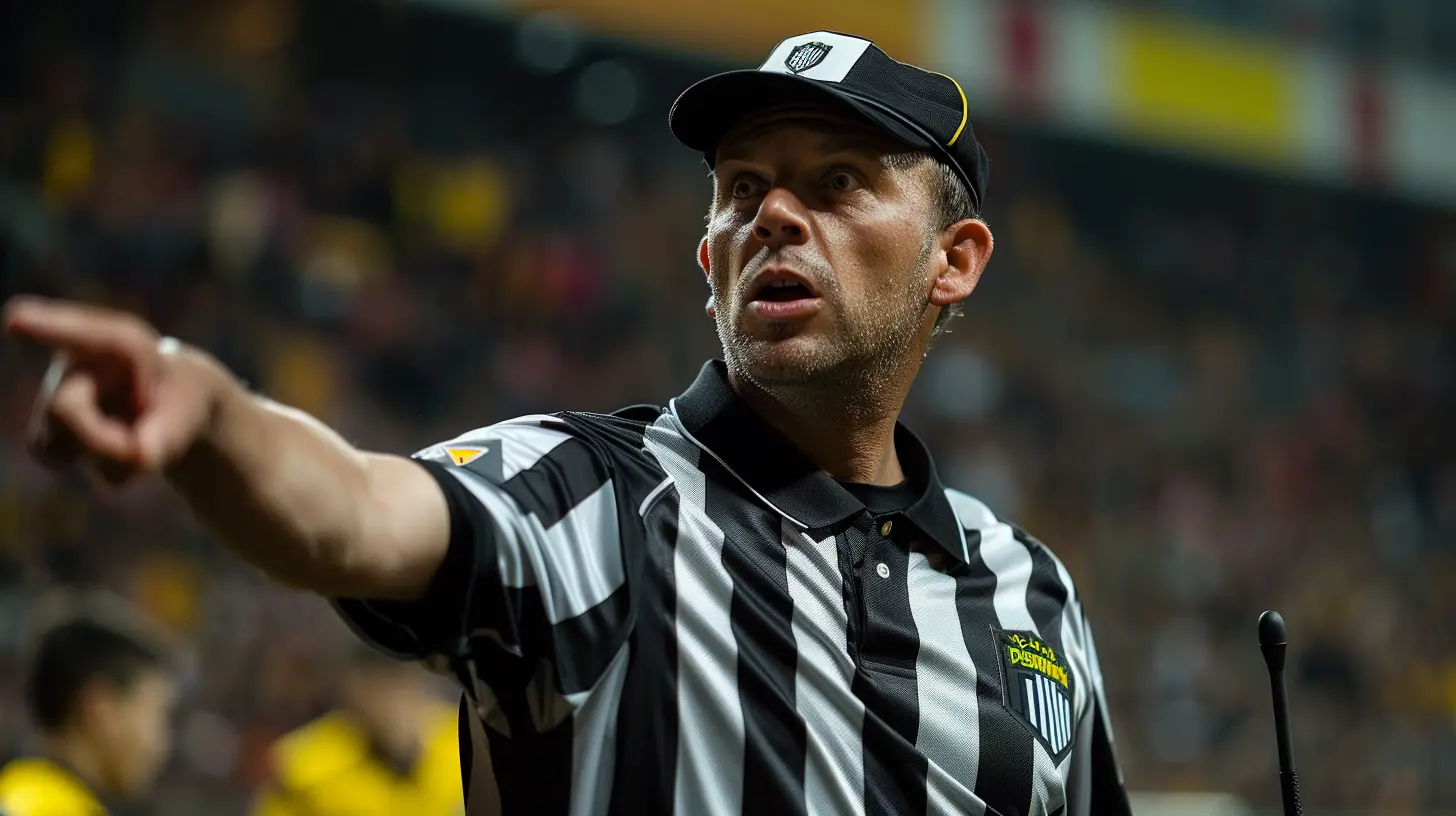
Walking the Line: Fairness vs. Control
Here's where it gets tricky—balancing fairness with control.Fairness is about impartiality, consistency, and following the letter of the law. Control leans more towards managing the flow, keeping players in check, and making sure the game stays within safe and respectful boundaries.
But what happens when the two don’t align?
Let’s say a referee strictly enforces every minor foul. Technically, that’s fair. But it could also ruin the game’s flow, frustrate players, and turn a lively match into a stop-and-start snooze fest. On the other hand, giving too much leeway might allow dangerous tackles or trash talk to escalate.
Referees walk a tightrope every single match. Call too much and you're a buzzkill. Call too little and you're letting chaos unfold. It’s about reading the moment, the temperature of the game, and sometimes even reading personalities.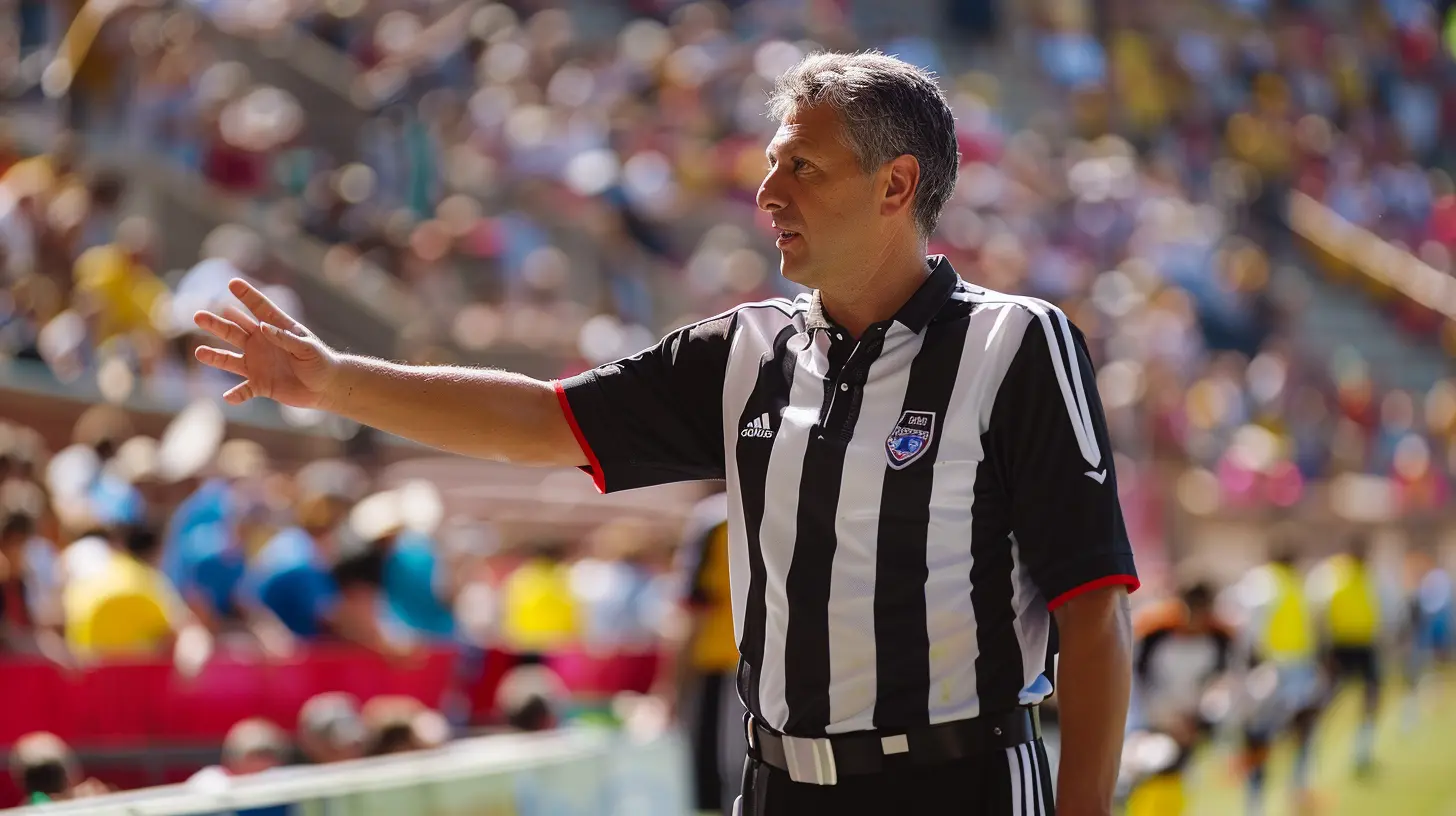
Split-Second Decisions in High-Stakes Situations
Think for a second about how much time you spend deciding which cereal to eat in the morning. Now imagine having to make a game-defining call—with zero time to think, players yelling in your face, and 50,000 fans watching live.That’s the reality for referees. A split-second can mean the difference between a fair call and a blown one. And in elite sports, the stakes are sky high. A wrong red card can wreck a team’s season. A missed offside can cost millions in prize money.
Even with advanced tools like VAR (Video Assistant Referee), the human element is still essential. The pressure is relentless, and there’s no pause button.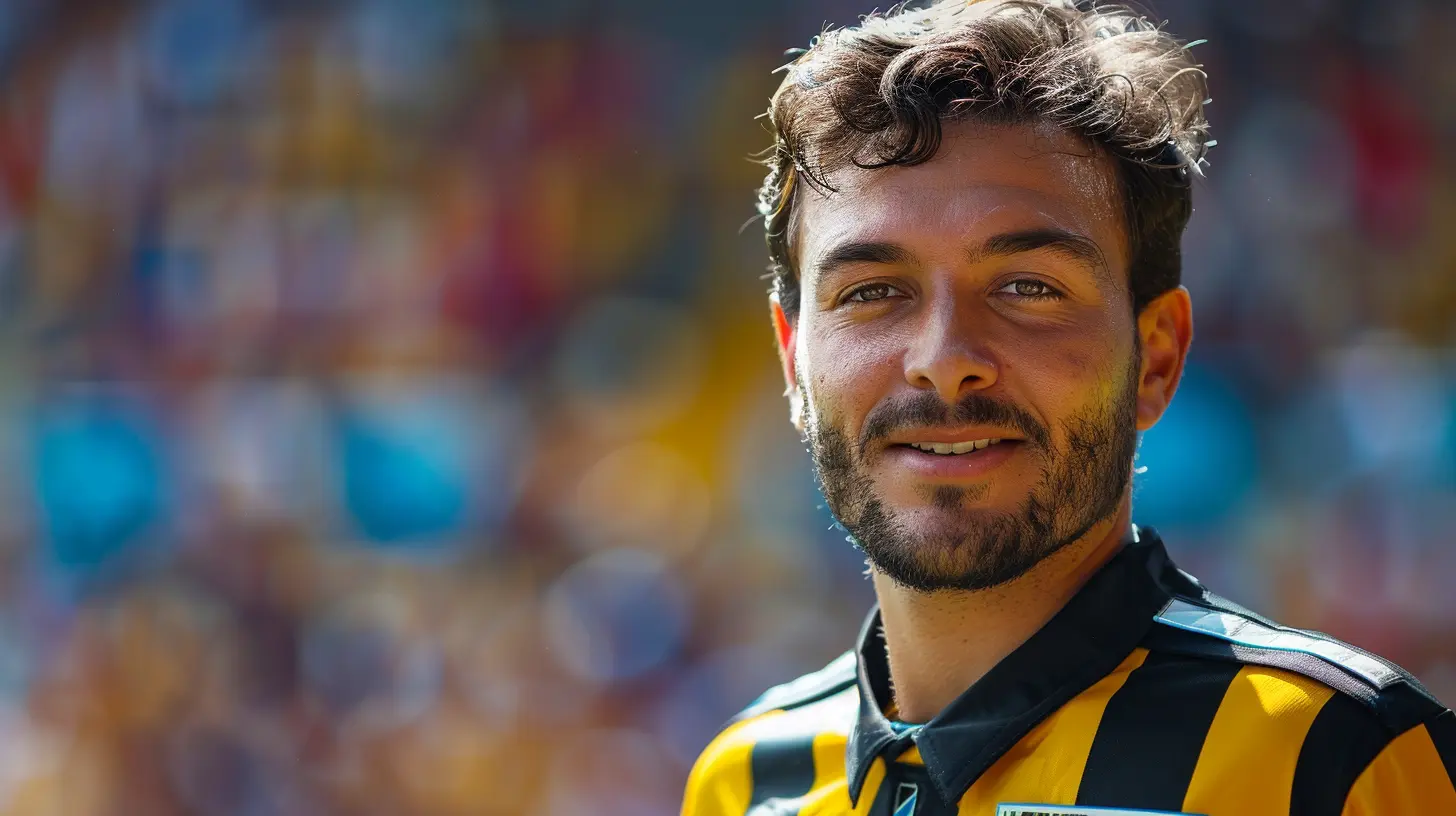
The Human Factor: Yes, Refs Are People Too
Let’s be real—referees aren’t robots. They get tired. They’ve got feelings. They have good days and off days like the rest of us.Sometimes, decisions are influenced by fatigue, crowd pressure, or even subconscious bias—yes, it's a thing. Studies have shown that home teams tend to benefit from more favorable calls. Not because the ref is corrupt, but because they're human and the roar of the crowd can sway perception.
That’s what makes refereeing such a mental battle. It’s a constant effort to stay neutral in emotionally charged situations, to trust intuition while filtering out noise.
Dealing with Abuse and Pressure
Let’s not sugarcoat it—referees get way too much hate. From amateur games to the World Cup, officials are verbally abused, threatened, and sometimes physically attacked.Imagine showing up to your job every day knowing that almost no one wants you there. That every decision you make will be picked apart by fans who think they could do it better. It’s not just demoralizing—it’s dangerous.
This abuse is one of the biggest reasons young referees quit. It’s a major concern in youth sports, where the goal should be to teach respect and sportsmanship—not scream at a teenager because they missed a handball.
Training Ground Realities: It’s Not Just About Knowing the Rules
You’d be surprised at how much goes into becoming a referee. It’s not just reading rulebooks or passing a fitness test.Refs undergo intense training in game management, communication, positioning, and even psychology. They learn how to anticipate play, how to de-escalate heated situations, and how to maintain presence and authority.
At the top levels, referees review footage of their performances, just like players watch tape. They analyze mistakes, body language, and positioning to sharpen their skills. In many ways, they train as hard—if not harder—than the athletes they officiate.
Technology: Helping or Hurting?
Technology like VAR and goal-line tech has been a double-edged sword for referees.On one hand, it’s great—they get help with close calls, and the accuracy of decisions has improved. But on the other? It’s added a whole new level of scrutiny and second-guessing.
Fans still argue about whether a handball was “clear and obvious.” VAR delays kill momentum and create frustration. And worst of all, when technology still gets it wrong (and it happens), the backlash is even more intense.
Tech should be a tool, not a crutch. But right now, it often feels like refs are stuck in an awkward middle zone—part human, part machine—struggling to satisfy both.
The Emotional Intelligence Factor
Great referees have something more than just technical knowledge—they've got people skills, and that’s a big deal.It’s about knowing when to be firm and when to let something slide. It’s about reading players, understanding the tempo of the game, and staying calm when tensions run wild. Emotional intelligence helps prevent flare-ups, earns respect, and ultimately allows the game to breathe.
You’ve probably seen matches where a ref diffuses conflict with a simple smile or quick chat. That’s not in the rulebook—it’s instinct and interpersonal awareness. And it matters, big time.
Why We Need to Appreciate Referees More
Think about it—referees are the backbone of organized sport. Without them, there’s no structure, no discipline, no fair play.Yet they’re often the last to be thanked and the first to be blamed. Players can miss sitters, coaches can botch tactics, but when a referee makes a mistake, it instantly becomes the headline.
It’s time we shift the narrative. Referees aren’t the enemy. They’re essential. They love the game just as much—if not more—than the rest of us. And they choose one of the hardest roles in sport because they believe in its integrity.
The Future of Officiating: What Needs to Change?
So how do we make refereeing better? Fairer? More sustainable?1. Better support & protection – Leagues need to ensure referees aren’t abused, especially at youth levels. Zero-tolerance policies and stronger consequences for abuse are crucial.
2. Improved training – Not just in rule enforcement but in decision-making under pressure, communication, and tech tools.
3. More transparency – Behind-the-scenes access can help fans understand the complexity of the job. Imagine post-match interviews with referees, like we have with players!
4. Use of better tech – If we’re going to use VAR, let’s make it faster, less intrusive, and more consistent.
5. Cultural shift – Fans, players, and coaches need to embrace the fact that officiating isn’t black-and-white. Mistakes will happen. The goal is to reduce them—not eliminate them completely.
Final Thoughts
Being a referee isn't just about enforcing the rules—it's about managing chaos with calm, balancing fairness with authority, staying neutral when everyone else is emotional, and doing all of it in real-time.It's not a job for the faint of heart. It's a role for those who genuinely love the sport and are willing to be the unsung heroes of every match.
So next time you're watching a game, maybe cut the referee a little slack. After all, they're not just trying to keep the whistle in play—they're holding the game together.
all images in this post were generated using AI tools
Category:
RefereeingAuthor:

Umberto Flores

