Balancing Speed and Skill: The Changing Nature of Modern Hockey
29 December 2025
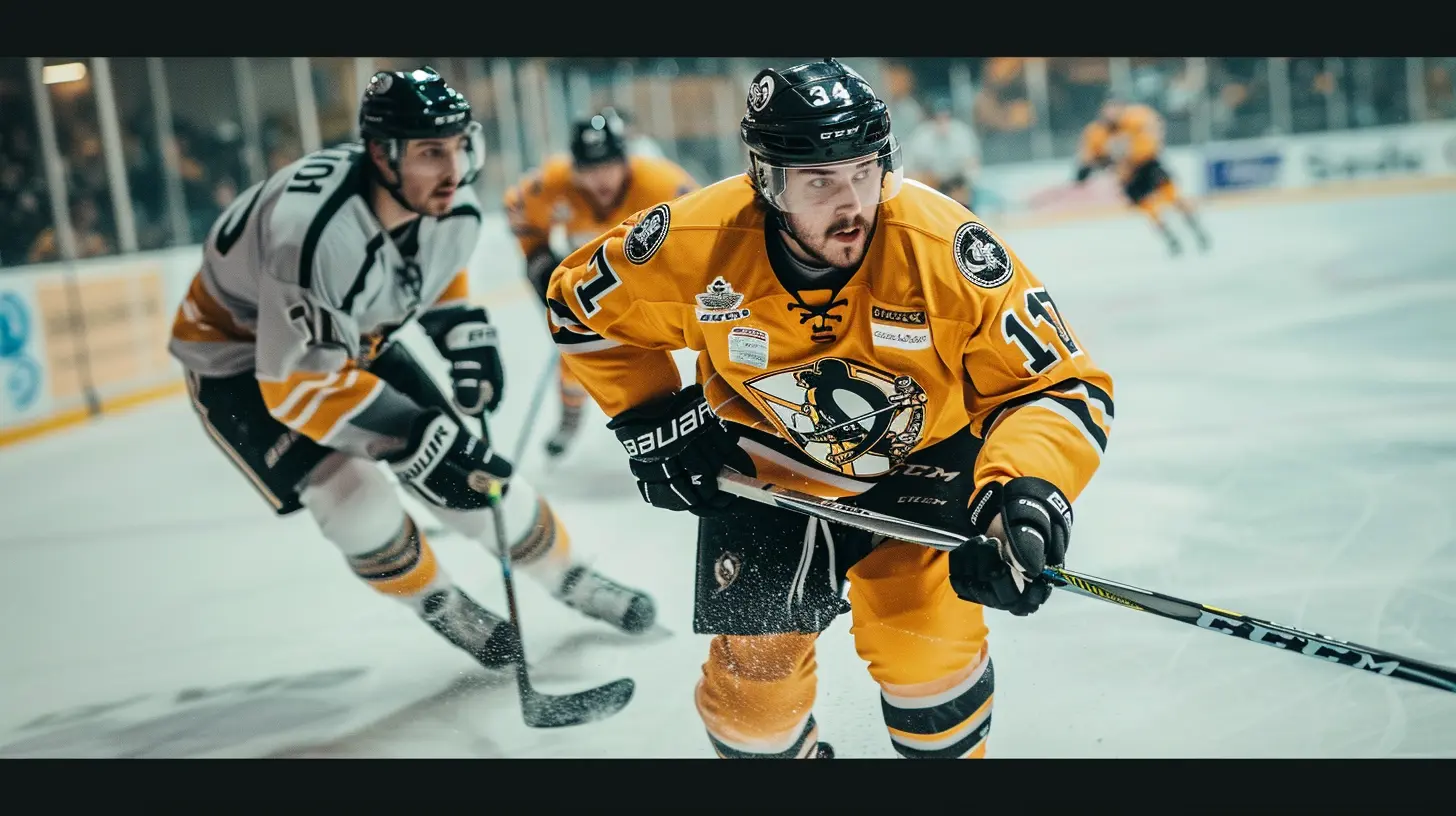
Hockey has always been a game of grit, power, and agility. But over the years, the sport has undergone a transformation—one that has shifted the balance between speed and skill. Gone are the days when brute force alone ruled the ice. Today, players who can think fast, move fast, and react even faster are shaping the future of the game.
But how did we get here? And what does this shift mean for the players, coaches, and fans who live and breathe hockey? Let's dive into the evolution of the modern game and see how speed and skill have become the heartbeat of hockey today.
The Evolution of Hockey: From Grit to Grace
If you rewind a few decades, hockey was all about size and toughness. Players like Gordie Howe and Scott Stevens built their legacies with bone-crushing hits and physical dominance. Teams prioritized grinding out victories, playing a more defensive, hard-hitting style that often resulted in bruises and black eyes.Fast forward to the present, and the game has dramatically shifted. Today’s NHL stars, like Connor McDavid and Cale Makar, thrive on speed, agility, and finesse. The emphasis is no longer just about overpowering your opponent—it’s about outskating and outthinking them.
So, what caused this change?
Rule Changes That Catalyzed Speed
A big reason for this shift in playstyle? Rule changes. The NHL has made several key adjustments over the years that have encouraged faster, more skill-oriented play.- Cracking Down on Obstruction – In the early 2000s, the league started strictly enforcing rules against hooking, holding, and interference. This allowed skill players to move more freely without being slowed down by defenders holding them up.
- Smaller Goalie Equipment – Reducing the size of goalie gear has forced netminders to rely more on athleticism than just filling space in the crease. This has opened up scoring and encouraged an attacking style of play.
- No More Two-Line Pass Rule – Allowing long passes from the defensive zone has sped up transitions and created more breakaway opportunities, favoring quick, skilled players.
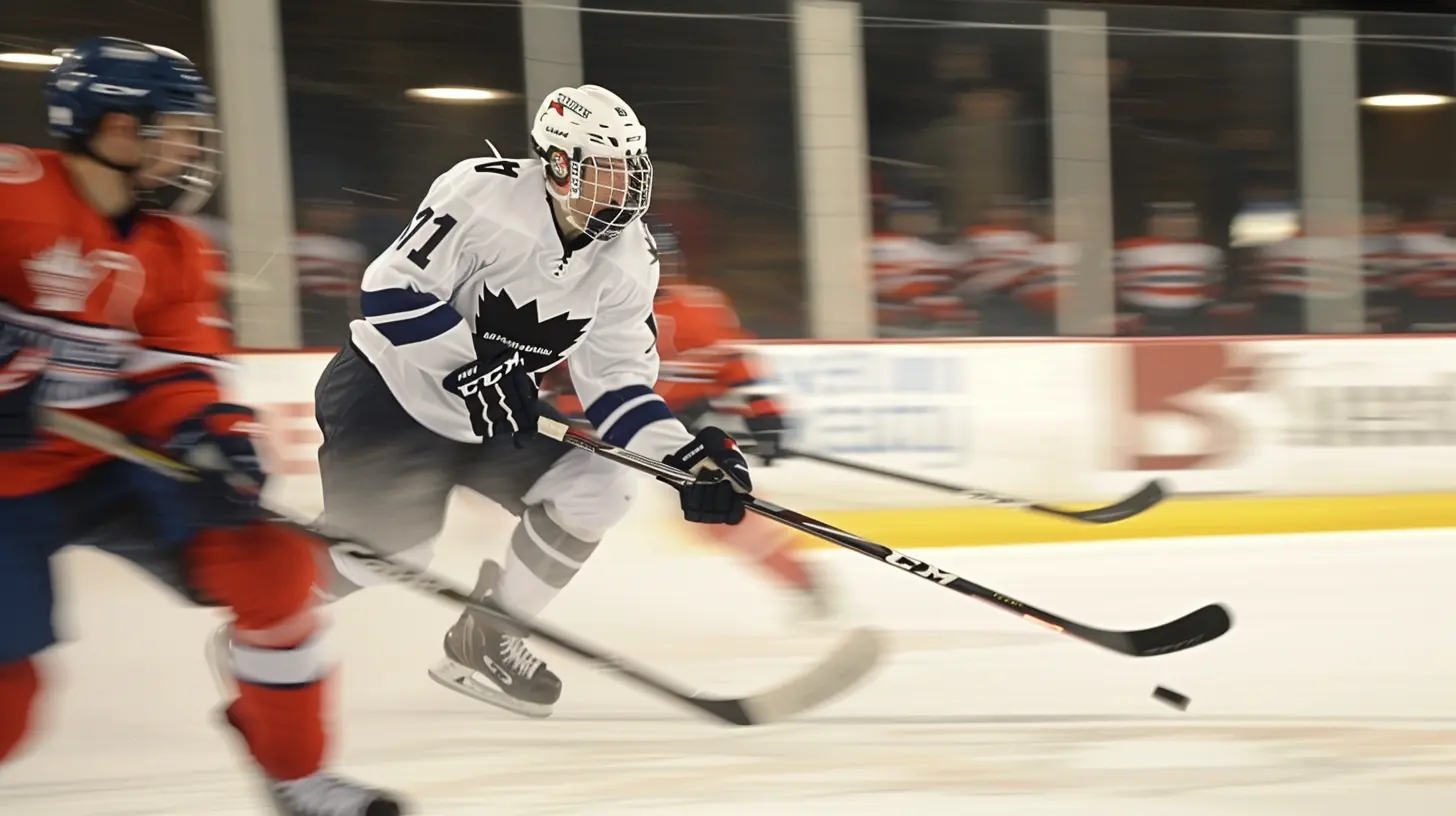
These rule tweaks have transformed the way hockey is played, making the game faster and more exciting for both players and fans.
The Rise of the Speed and Skill Player
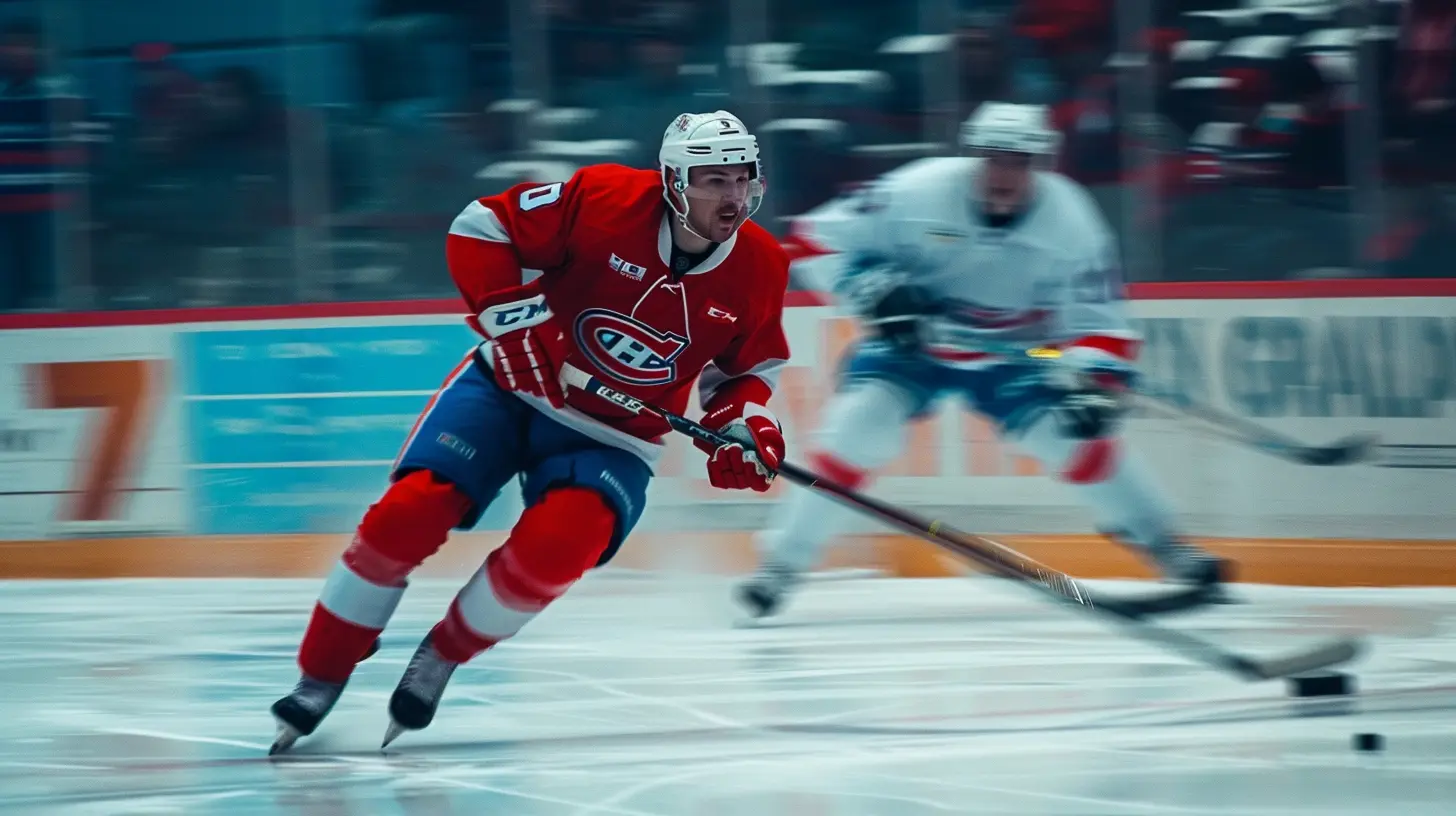
Today’s hockey stars aren’t just fast—they combine acceleration with elite stickhandling, vision, and decision-making. Players like Nathan MacKinnon and Auston Matthews can go from zero to top speed in seconds while maintaining control of the puck like it’s glued to their stick.Here’s why speed and skill are now the ultimate weapons:
1. Speed Creates Time and Space
In a sport where split-second decisions make all the difference, speed is a game-changer. A player who can accelerate quickly forces defenders to back off, giving them more room to operate. This opens up passing lanes, shooting opportunities, and creative plays that keep opponents guessing.2. Dynamic Playmaking is Now the Norm
Gone are the days when one-dimensional grinders filled the bottom lines. Even third- and fourth-line players need to have strong skating ability and offensive instincts. Teams now prioritize players who can contribute in various ways—not just by throwing hits, but by making plays and maintaining puck possession.3. Puck Possession is Everything
Speed isn’t just about racing down the ice; it’s also about maintaining control under pressure. The ability to handle the puck while moving at high speed is what separates great players from the rest. Quick hands, quick feet, and quick thinking make all the difference in today's game.
The Role of Training and Technology
With the game evolving so rapidly, training methods have also had to adapt. Players are no longer just focusing on brute strength; they’re working on explosiveness, agility, and endurance.- Edge Work Drills – Skaters are spending more time perfecting their edge work to improve agility and maneuverability.
- Reaction Training – Hand-eye coordination drills, like using reaction lights and specialized puck-handling tools, help players make split-second decisions.
- Biomechanics and Analytics – Teams are using advanced data to analyze skating efficiency, puck control, and shooting accuracy, helping players refine their skills.
Technology has given players access to more information than ever before, allowing them to fine-tune their abilities and maximize their potential.
The Balancing Act: Can Physical Play Coexist with Speed?
So, does this mean physical hockey is dead? Not quite. While speed and skill dominate today’s game, toughness and grit still play a crucial role. Hockey is, after all, a contact sport.The best teams find a way to balance physicality with finesse. A hard check at the right moment can still shift momentum, and battles along the boards remain an essential part of the game. But instead of relying solely on brute force, players now use speed and skill to win those battles.
The key is adaptability. A team that combines fast-paced offense with smart defensive play and just enough physical edge has the best chance of winning in today’s NHL.
The Fan Experience: More Excitement, More Action
For hockey fans, this shift towards speed and skill has made the game more thrilling than ever. Higher scoring games, breathtaking rushes, and highlight-reel goals have become the norm.Sure, some old-school hockey fans might miss the days of enforcers dropping the gloves every night, but there’s no denying that today’s game is more dynamic, unpredictable, and electric. Watching players weave through defenders at top speed and still manage to find the back of the net? That’s entertainment at its finest.
What’s Next for Hockey?
If the past two decades have shown us anything, it’s that the game will continue to evolve.- Will training methods keep pushing the boundaries of speed and skill?
- Will new rule changes further open up the ice for offensive creativity?
- Will the next generation of players redefine what we think is possible in hockey?
One thing’s for sure—hockey isn’t slowing down anytime soon. Whether you're a player, coach, or fan, embracing this speed-and-skill era is the best way to enjoy the modern game.
So, lace up your skates, grab your sticks, and get ready—because hockey’s only getting faster, and the best is yet to come!
all images in this post were generated using AI tools
Category:
HockeyAuthor:

Umberto Flores
Discussion
rate this article
2 comments
Ashira Warner
Modern hockey beautifully blends speed and skill, showcasing the incredible evolution of the game. Embracing this dynamic balance not only elevates player performance but also inspires fans, reminding us that adaptability is the key to success on and off the ice!
February 13, 2026 at 12:58 PM
Umberto Flores
Thank you! I completely agree—the interplay of speed and skill truly defines modern hockey and captivates fans while pushing players to adapt and excel.
Myles McMillan
This article brilliantly captures the evolving dynamics of hockey—speed and skill are essential!
December 29, 2025 at 5:04 AM
Umberto Flores
Thank you! I'm glad you found it insightful. Balancing speed and skill is indeed vital in today's game!