Behind the Curtain: The Secret Deals of Sports Corruption
15 February 2026
Sports have always been a symbol of unity, passion, and fair competition. From the earliest Olympic Games to the high-stakes matches of modern-day soccer, millions of fans worldwide watch athletes push their limits in the pursuit of victory. But what if I told you that beneath the glitz, glamour, and glory of the sports world lies a darker underbelly? A world where secret deals, under-the-table payments, and betrayals lurk, threatening the very essence of fair play. Welcome to the murky world of sports corruption.
It’s easy to imagine sports as a pure and noble endeavor, but the truth is far more complex. Corruption in sports isn't a new phenomenon, but in recent years, its scale and scope have grabbed headlines, shocking even the most seasoned commentators. Match-fixing, doping scandals, bribery, and money laundering—it’s all happening, right under our noses.
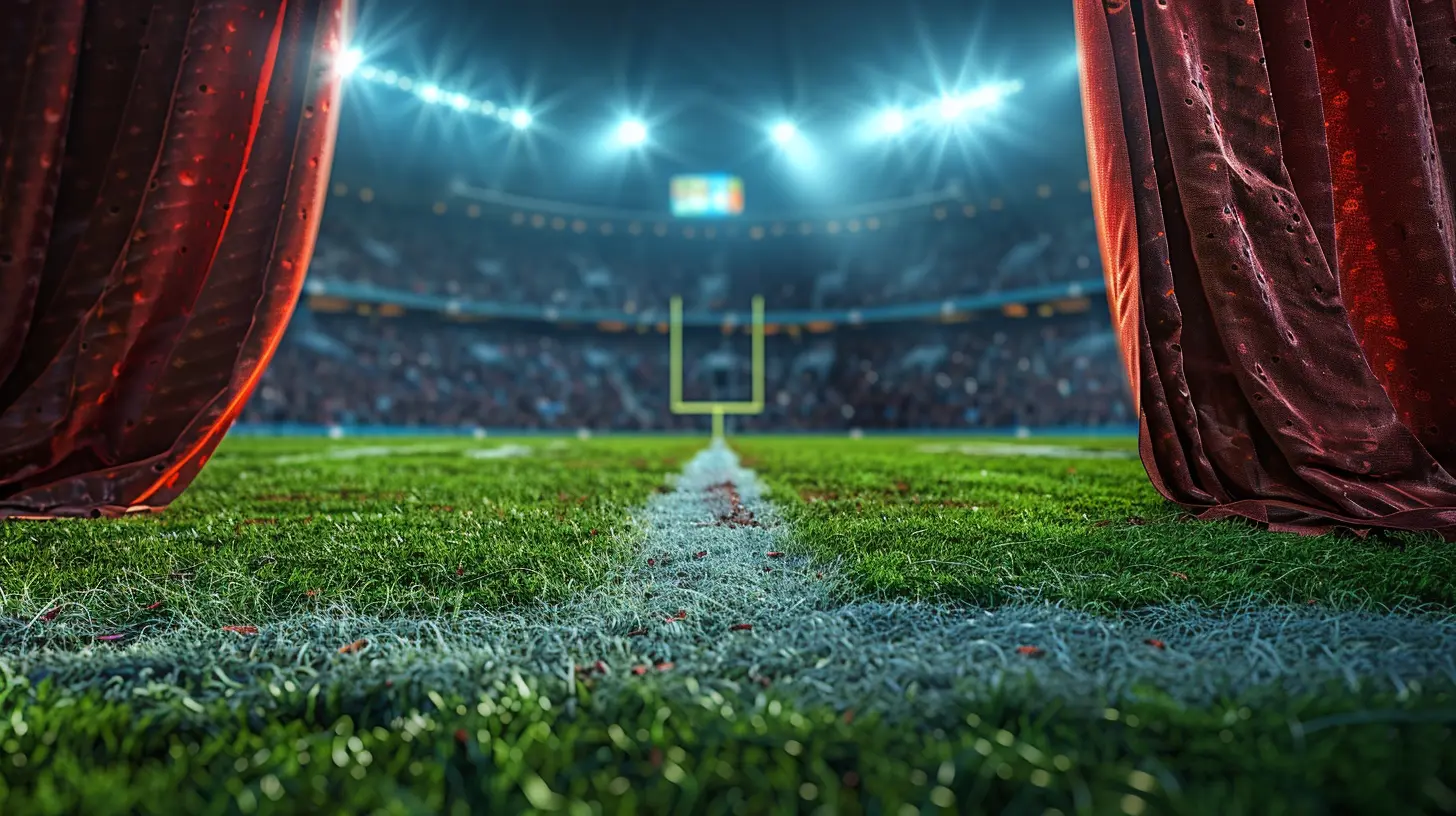
But why does corruption plague sports? And how do these secret deals manage to stay hidden for so long? Let’s pull back the curtain and delve into this shadowy world.
The Roots of Sports Corruption: Why Does It Happen?
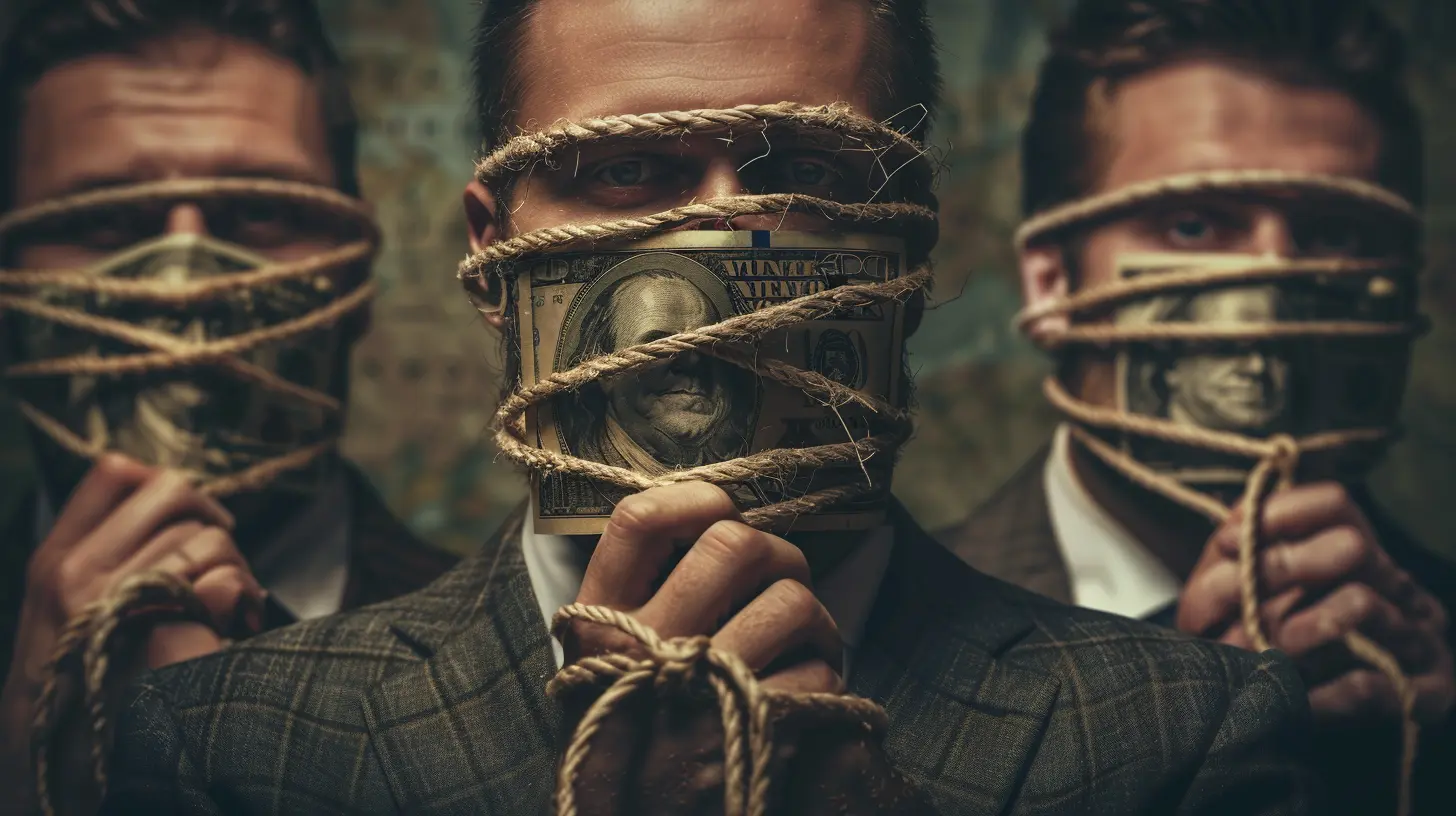
Before we dive into the specific scandals, it’s important to understand why corruption happens in sports in the first place. While we’d all like to believe in the purity of competition, the unfortunate reality is that sports are big business. And where there’s big money, there’s big temptation.Billion-dollar sponsorship deals, broadcasting rights, and lucrative endorsements have turned sports into a financial goldmine. When you have that much cash floating around, it creates opportunities for underhanded deals and shady practices. Greed, ambition, and desperation can lead athletes, coaches, and officials to cross ethical lines.
But money isn’t the only motivator. For some, the thirst for victory becomes so overwhelming that they’re willing to cheat to win. Others may feel pressure from higher-ups to secure a result, or perhaps they’ve been threatened or blackmailed. In many cases, the desire to maintain power and prestige within corrupt sports organizations can drive people to engage in unethical behavior.
The Most Infamous Scandals in Sports Corruption
Let’s take a closer look at some of the most jaw-dropping sports scandals in recent memory. These examples will give you a sense of just how deep the rot goes.1. FIFA’s Corruption Crisis: When Soccer's Crown Jewel Was Tarnished
When you think of corruption in sports, FIFA’s name probably comes to mind first, right? And for good reason. Soccer (or football, depending on where you're reading this) is the world’s most popular sport, and FIFA, its governing body, wields enormous power. But in 2015, the organization was rocked by a massive corruption scandal that shook the sport to its core.It all started when several FIFA officials were arrested by the FBI in a dramatic raid in Switzerland. Accusations of bribery, fraud, and money laundering were levied against top officials, who were accused of accepting millions in bribes to influence decisions about World Cup hosting rights and TV deals. The bidding for the 2018 and 2022 World Cups, awarded to Russia and Qatar respectively, became the epicenter of scrutiny.
The fallout was massive. Sepp Blatter, FIFA’s long-time president, was forced to resign, and several other officials were banned or imprisoned. The scandal exposed the murky world of backroom deals, where money took precedence over fair play and public interest. FIFA’s reputation was left in tatters, and the sport’s governing body has been working ever since to rebuild trust.
2. Lance Armstrong: The Rise and Fall of a Cycling Icon
Lance Armstrong’s story is the stuff of legends. After surviving cancer, he came back to win the Tour de France seven times in a row. He was a hero, an inspiration to millions. But it was all built on a lie.Armstrong’s reign came crashing down after years of rumors and investigations culminated in his admission of using performance-enhancing drugs (PEDs). It wasn’t just Armstrong, either—doping was rampant in professional cycling, and Armstrong was part of a sophisticated operation that helped him evade detection for years.
The scandal didn’t just destroy Armstrong’s legacy; it also unveiled the extent of corruption in cycling. Riders, team doctors, and officials were all implicated in covering up doping practices. Armstrong’s fall from grace was one of the most dramatic in sports history, and it left fans wondering how many other “heroes” had cheated their way to the top.
3. The NBA Referee Scandal: Betting on the Game You’re Supposed to Call
You’d think that referees, the people responsible for ensuring fairness on the field, would be above corruption. Unfortunately, that’s not always the case. In 2007, the NBA was hit with a scandal when referee Tim Donaghy was caught betting on games he officiated and manipulating point spreads to benefit himself and others.Donaghy’s actions called into question the integrity of the entire league. If a referee could influence the outcome of a game, how many other games had been compromised? Fans, players, and coaches were left in disbelief. Although Donaghy was sentenced to prison, the damage to the NBA’s reputation was already done.
This scandal wasn’t just about one rogue official—it highlighted how vulnerable sports can be to manipulation, especially when gambling is involved. It also raised concerns about the potential for other referees to be compromised, even in leagues outside of the NBA.
4. The Russian Doping Scandal: Government-Backed Cheating
It’s one thing for individual athletes to cheat, but what happens when an entire government is involved? That’s exactly what happened with the Russian doping scandal. In the lead-up to the 2014 Winter Olympics in Sochi, Russia, it was revealed that the Russian government had orchestrated a state-sponsored doping program designed to help its athletes cheat.The details of the operation were mind-boggling—athletes’ urine samples were swapped through a hole in the wall to avoid detection, and entire teams were given performance-enhancing drugs. The goal? To ensure Russia dominated the medal count on home soil.
When the scandal broke, it caused international outrage. Russia was banned from competing in several future Olympic Games, and dozens of athletes were stripped of their medals. But the scandal raised a bigger question: If one government could get away with this, how many other countries or organizations might be doing the same thing?

The Consequences of Sports Corruption
Corruption in sports doesn’t just hurt the people involved in the scandals—it affects the entire sporting community. When fans lose faith in the fairness of the competition, it can destroy the very foundation of sports. After all, why watch if the outcome is already predetermined or if the athletes are cheating?Loss of Trust
One of the biggest casualties of sports corruption is trust. Fans invest their time, money, and emotions into supporting their favorite teams and athletes. When news of corruption breaks, it shatters that bond. Fans start to question whether the games they’re watching are legitimate, and they may even walk away from the sport altogether.Damage to Athletes’ Careers
For athletes, being caught up in a corruption scandal can be career-ending. Even if they weren’t directly involved, the mere association with a corrupt organization or competition can tarnish their reputation. Sponsors pull out, endorsements dry up, and their legacy is forever tainted.Financial Impact
Corruption doesn’t just damage reputations—it can have serious financial consequences, too. When a league or organization is embroiled in a scandal, sponsors and advertisers are often quick to distance themselves. This can lead to a loss of revenue, which, in turn, affects the teams, players, and staff who rely on that income.Legal Repercussions
Let’s not forget the legal side of things. When corruption is exposed, it often leads to criminal investigations, lawsuits, and convictions. For those involved, this can mean hefty fines, jail time, or being banned from the sport for life. And while justice may eventually be served, the damage to the sport’s image is often irreversible.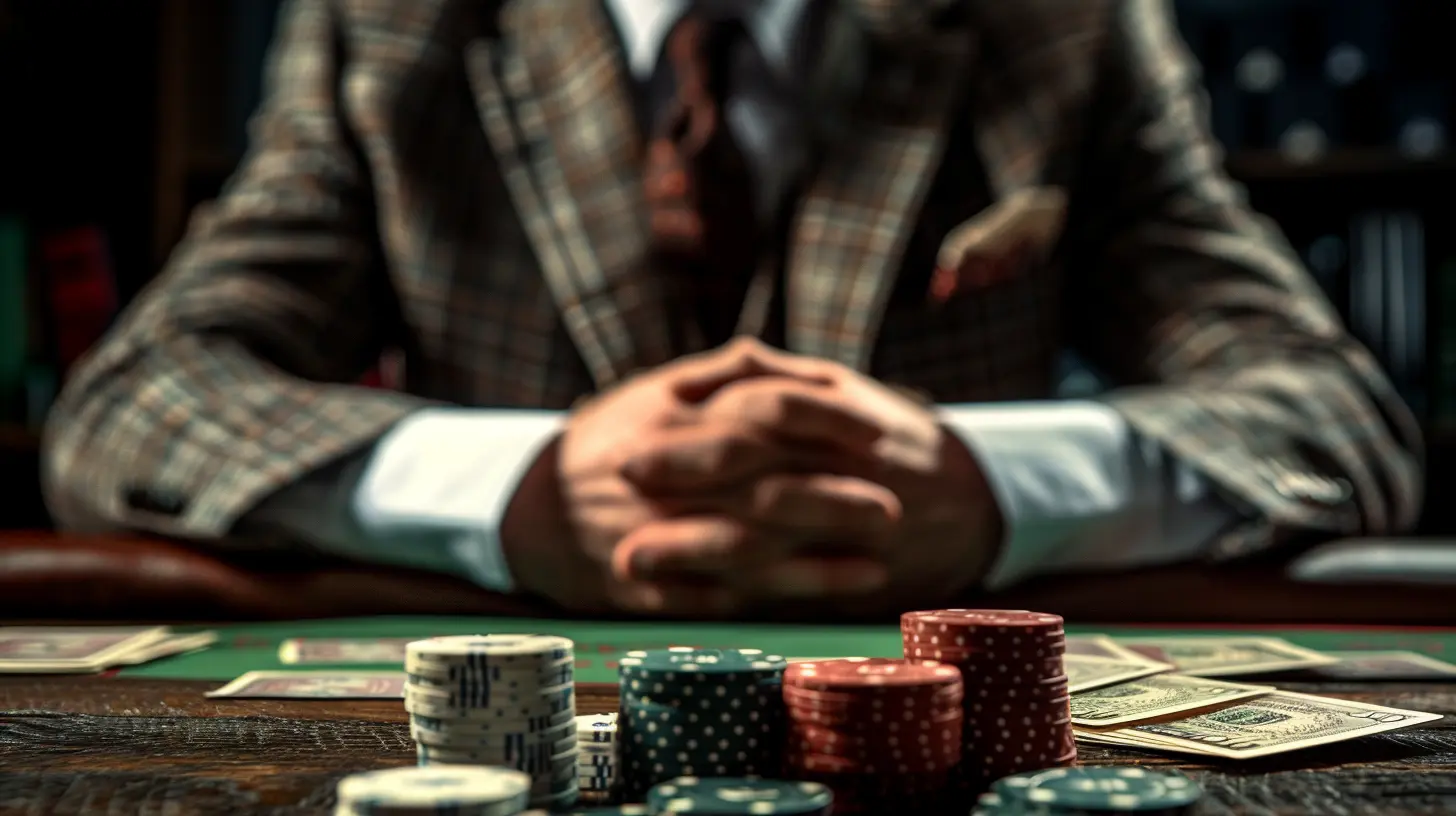
How Can Sports Clean Up Their Act?
So, what can be done to combat corruption in sports? While there’s no one-size-fits-all solution, there are a few steps that can help reduce the likelihood of corruption:Stricter Regulations and Oversight
One of the most effective ways to prevent corruption is through stricter regulations and oversight. Sports organizations need to implement clear guidelines when it comes to ethical behavior, and there should be severe consequences for those who break the rules. Independent watchdogs can also help keep governing bodies in check.Transparency and Accountability
Transparency is key when it comes to rebuilding trust. Sports organizations should be open about their operations, including how decisions are made and how money is spent. Accountability is equally important—if someone is found guilty of corruption, they should be held responsible, no matter their status or position.Education and Awareness
Athletes, coaches, and officials need to be educated about the dangers of corruption and the importance of fair play. By raising awareness about the consequences of unethical behavior, it’s possible to create a culture where integrity is valued above all else.Technology and Innovation
Advances in technology can also help combat corruption. For example, anti-doping agencies are continually developing more sophisticated testing methods to catch cheaters, while betting patterns can be monitored to detect suspicious activity.Conclusion
Sports corruption is a complex and deeply rooted issue, but that doesn’t mean it can’t be addressed. By shedding light on the secret deals and underhanded tactics that plague the sports world, we can start to demand better from the organizations and individuals who hold the power.At the end of the day, sports should be about fair competition, hard work, and the thrill of victory—not shady deals and corruption. It’s up to all of us—fans, players, and officials alike—to hold the sports we love accountable and ensure that the spirit of competition remains untarnished.
all images in this post were generated using AI tools
Category:
Sports ScandalsAuthor:
Umberto Flores
Discussion
rate this article
2 comments
Sarah McWain
Behind the glitz and glamour of the game lies a shadowy world of secrets and betrayals. What unseen forces shape the fate of athletes and teams? The truth may be more shocking than we dare to imagine.
March 17, 2026 at 3:32 AM
Umberto Flores
Indeed, the complexities of sports corruption often reveal hidden agendas and manipulative forces that challenge our perceptions of fairness and integrity in the game.
Ziva Jimenez
This article sheds light on the murky underbelly of sports corruption, exposing how secret deals compromise integrity. It's a crucial reminder that behind the glamour, many sports leagues prioritize profit over fairness. Transparency is essential for restoring faith in the game we love.
February 15, 2026 at 5:12 AM
Umberto Flores
Thank you for your insightful comment! Transparency is indeed vital for preserving the integrity of sports.