Behind the Whistle: Referee Controversies that Shook the Sports World
12 March 2026
Sports: the ultimate combination of passion, skill, and strategy. But there's another element that often plays a pivotal role, one that sits firmly in the middle of every game—referees. Whether it’s a soccer match, a basketball game, or even tennis, referees are tasked with making decisions that can instantly influence the course of a game. They’re the unsung (or sometimes heavily criticized) heroes who try to keep things fair.
But what happens when the person behind the whistle makes a call that stirs the pot? What happens when a referee decision leaves fans, players, and coaches fuming? Referee controversies have been, and always will be, a part of sports. Let’s take a deep dive into some of the most memorable referee controversies that have shaken the sports world to its core.
The Role of Referees: A Tightrope Walk
Referees are human, just like the rest of us. They’re tasked with making split-second decisions in high-pressure environments, often under the scrutiny of thousands, if not millions, of eyes. It’s a balancing act that requires not just knowledge of the game, but also nerves of steel.But here’s the thing: no matter how well-prepared or experienced a referee is, mistakes can happen. And when they do, they tend to ripple through the sports world like a stone tossed into a pond. Some calls are so egregious that they leave a permanent mark on the history of sports, fueling debates that last for years, or even decades.
Let’s break down a few of the most notorious referee controversies in sports history.
1. The Hand of God (1986 FIFA World Cup)
Let’s kick things off (pun intended) with one of the most infamous moments in soccer history. In a 1986 FIFA World Cup quarterfinal match between Argentina and England, Argentine superstar Diego Maradona scored a goal that would go down in history as "The Hand of God."Here’s what happened: Maradona leaped to head the ball, but instead, he used his left hand to punch it into the net. The referee, seemingly out of position or simply unsure of what he saw, allowed the goal to stand.
Fans around the world were left in disbelief. Replays clearly showed the handball, but there was no VAR (Video Assistant Referee) at the time. England’s players protested furiously, but the decision was final. Argentina went on to win the game 2-1, and eventually, the World Cup.
Why It Shook the Sports World:
This moment became legendary not just because it was blatantly illegal, but because Maradona himself coined it "The Hand of God." It was a moment when a referee's mistake altered the course of an entire tournament. To this day, it’s a flashpoint in soccer history, and it raised questions about the integrity of officiating in major tournaments.
2. The 1972 Olympic Basketball Final
This one is for the ages. The 1972 Olympic basketball final between the United States and the Soviet Union remains one of the most controversial endings in sports history. The U.S. had won every Olympic gold medal in basketball since the sport was introduced in 1936, and they were heavy favorites to win again. But what unfolded in the final seconds of the game left the entire world in shock.With just three seconds left on the clock, the U.S. led 50-49. The Soviets inbounded the ball, but the clock malfunctioned, and the buzzer sounded before the play could finish. The referees allowed the Soviets to redo the inbound play—not once, but twice. On the third attempt, Soviet player Aleksandr Belov scored, giving the Soviet Union a 51-50 victory.
Why It Shook the Sports World:
The U.S. team refused to accept their silver medals, and they remain unclaimed to this day. The controversy here wasn’t just about a single bad call; it was about a series of confusing decisions that altered the outcome of the Olympic gold medal game. The incident continues to be a sore point for American basketball fans, and it sparked debates about fairness in international sports.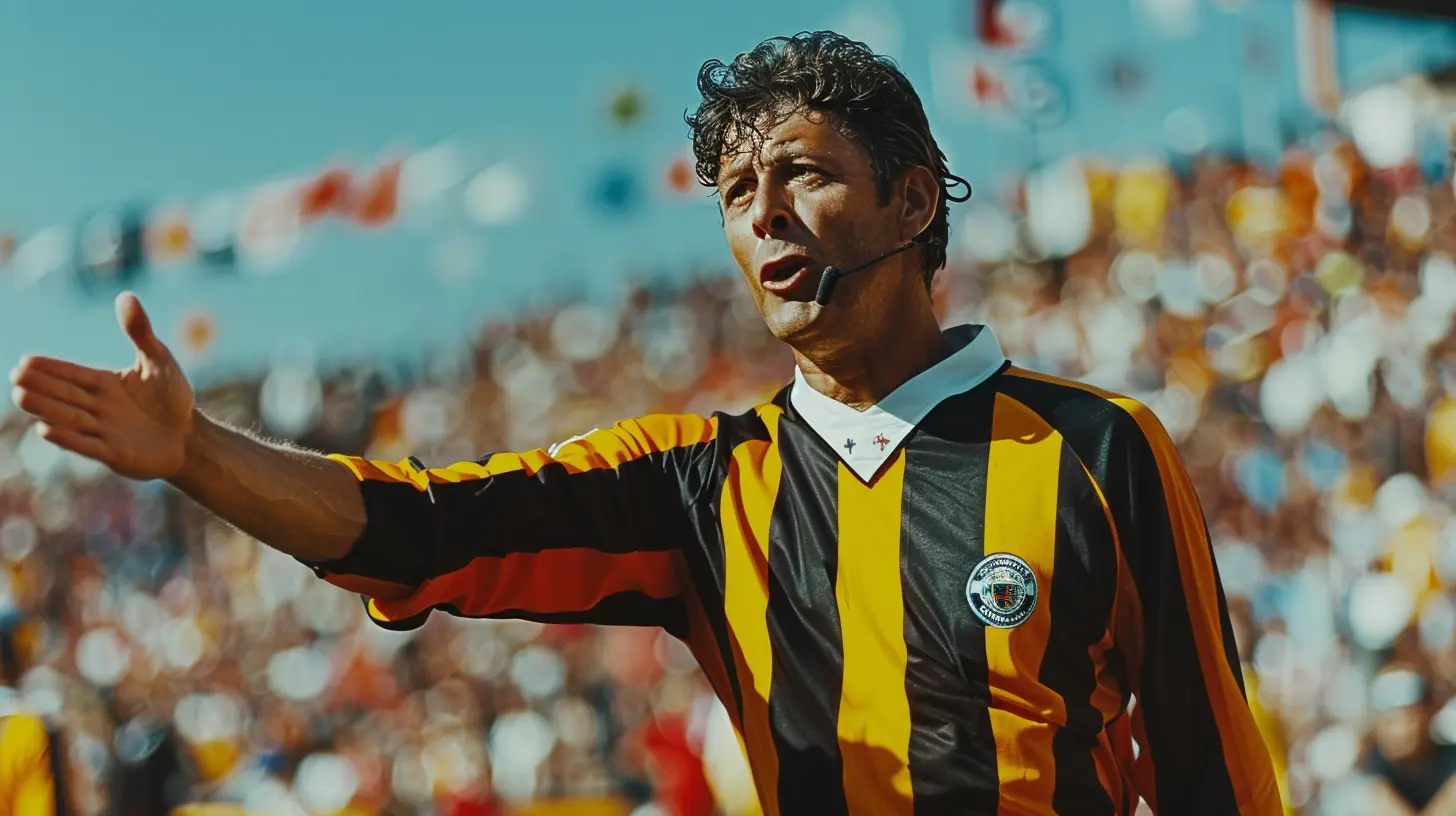
3. The 2002 NBA Western Conference Finals (Game 6)
Basketball fans, especially Sacramento Kings supporters, will never forget Game 6 of the 2002 Western Conference Finals between the Kings and the Los Angeles Lakers. The Kings were on the cusp of their first-ever NBA Finals appearance, leading the series 3-2. But Game 6? Oh boy, it was a referee disaster.The Kings were on the wrong end of a series of highly questionable calls, particularly in the fourth quarter, where the Lakers were awarded a staggering 27 free throws. It seemed as if every small contact was being whistled against the Kings, while the Lakers were given free reign. The Lakers won the game, forcing a Game 7, which they eventually won, denying the Kings a spot in the Finals.
Why It Shook the Sports World:
This game has been the subject of conspiracy theories for years, with many fans believing that the NBA wanted the big-market Lakers in the Finals over the small-market Kings. While no concrete evidence of foul play has ever surfaced, former referee Tim Donaghy later alleged that the game was rigged, which only added fuel to the fire. The controversy highlighted the potential for bias in officiating and left a permanent stain on the NBA's credibility.
4. The Zidane Headbutt (2006 FIFA World Cup Final)
Zinedine Zidane, one of the greatest soccer players of all time, found himself at the center of a referee controversy in the 2006 FIFA World Cup Final between France and Italy. In extra time, with the score tied 1-1, Zidane headbutted Italian defender Marco Materazzi in the chest, knocking him to the ground.Referee Horacio Elizondo did not initially see the incident, but after consulting with his assistants, he showed Zidane a red card, ejecting him from the game. France would go on to lose in a penalty shootout, with Zidane's final moment on the field being that infamous headbutt.
Why It Shook the Sports World:
While Zidane’s actions were unquestionably wrong, the controversy lies in how the decision was made. Many speculated that the referees used video footage to assess the incident, which was not allowed at the time. The incident overshadowed the entire final, and to this day, it’s debated whether the referees handled the situation correctly.
5. The "Fail Mary" (2012 NFL Game)
The 2012 NFL season saw a lockout of the regular referees, and replacement officials were brought in to officiate games. This led to one of the most controversial finishes in NFL history during a Monday Night Football game between the Green Bay Packers and the Seattle Seahawks.With just seconds remaining, Seattle threw a Hail Mary pass into the end zone. Packers’ defender M.D. Jennings appeared to intercept the ball, but Seahawks’ receiver Golden Tate also got his hands on it. The replacement referees ruled it a simultaneous catch, which, by NFL rules, meant the ball went to the offense. The Seahawks were awarded the game-winning touchdown, despite clear evidence that Jennings had sole possession of the ball.
Why It Shook the Sports World:
This game, dubbed the "Fail Mary," was the breaking point for the NFL’s referee lockout. The controversy showcased the importance of experienced officials and led to the league ending the lockout shortly after. It also raised questions about the use of instant replay and how much control referees have over the outcome of games.
6. The Serena Williams US Open Meltdown (2018)
Tennis might not be a sport where you expect referee controversies to dominate headlines, but in the 2018 U.S. Open final between Serena Williams and Naomi Osaka, that’s exactly what happened. Williams was penalized by chair umpire Carlos Ramos for receiving coaching, which she vehemently denied. Things escalated quickly, with Williams receiving additional penalties for smashing her racket and verbally abusing the umpire, ultimately costing her a game.What should have been a celebration of Osaka’s first Grand Slam title turned into a media frenzy about the umpire’s decisions and whether Williams had been unfairly targeted.
Why It Shook the Sports World:
This controversy sparked a global conversation about sexism in sports, with many claiming that male players regularly get away with similar behavior without being penalized as harshly. The incident overshadowed Osaka’s victory and left a lasting mark on the sport.
Conclusion: The Unavoidable Human Element
At the end of the day, referee controversies remind us of the human element in sports. No matter how much technology we incorporate—whether it's instant replay, VAR, or goal-line technology—there will always be room for interpretation, for mistakes, and for heated debates. Referees are tasked with making difficult decisions under immense pressure, and while they strive for fairness, their calls sometimes leave us wondering what might have been.One thing’s for sure: these controversies add a layer of drama to the sports world that is hard to ignore. They fuel rivalries, create lasting memories, and keep fans talking long after the final whistle blows.
all images in this post were generated using AI tools
Category:
Sports ScandalsAuthor:

Umberto Flores
Discussion
rate this article
2 comments
Monica Foster
Referees play a crucial role; their decisions can change games and ignite passionate debates among fans.
April 3, 2026 at 3:57 AM
Umberto Flores
Absolutely, referees are pivotal in shaping the outcome of games, and their decisions often spark intense discussions among fans, highlighting the complexities of officiating in sports.
Brick Ellison
Every game needs a little drama!
March 12, 2026 at 12:18 PM
Umberto Flores
Absolutely! Drama adds tension and excitement, keeping fans engaged and discussions alive.