Best Buzzer-Beaters of the 2026 Basketball Season
13 October 2026
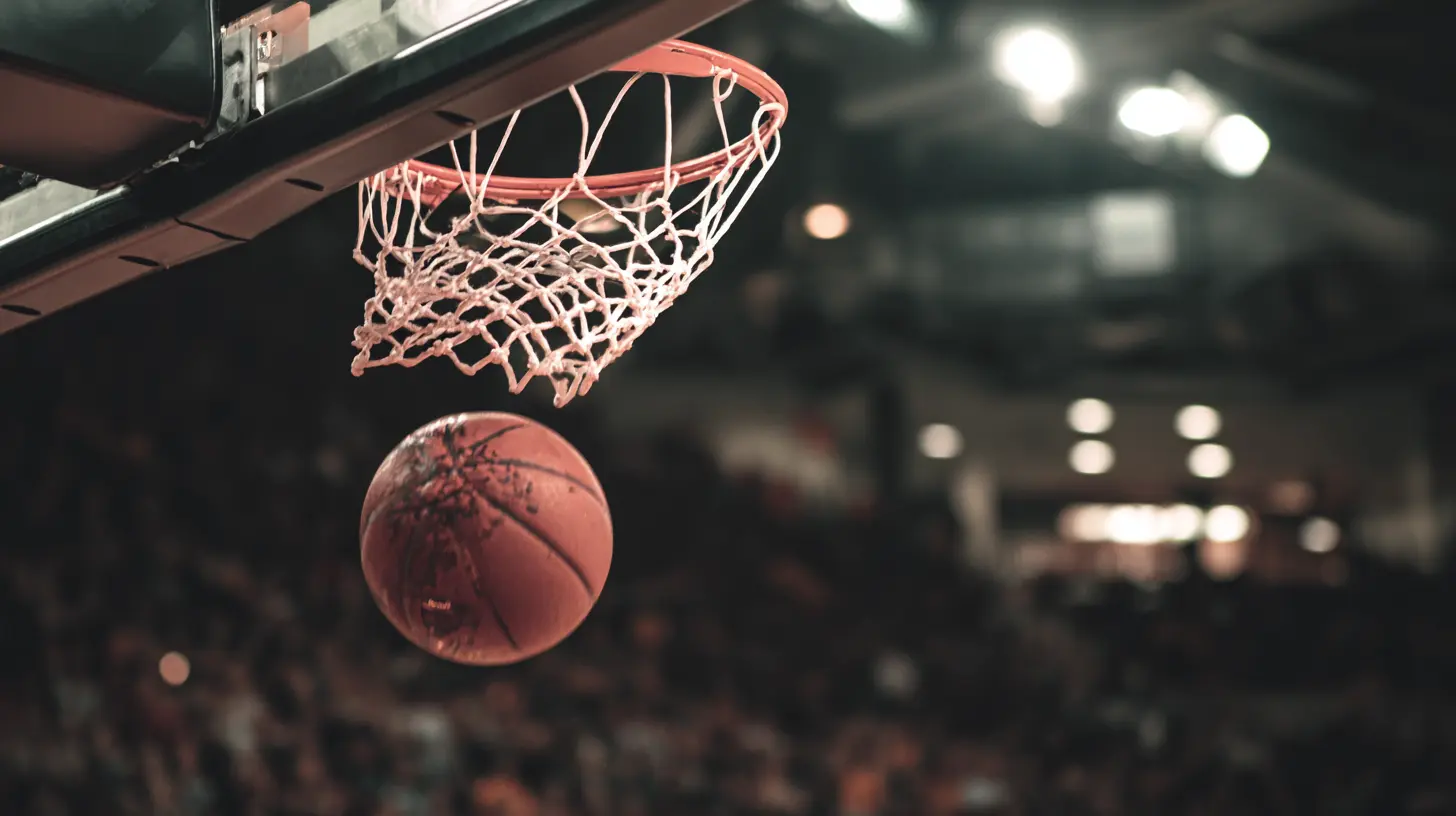
The 2026 basketball season delivered a remarkable collection of game-winning shots in the final seconds. From conference tournament thrillers to NBA regular season classics, these moments reminded everyone why the buzzer-beater remains the most electrifying play in sports. This article breaks down the best of them, explains what made each shot work, and offers a framework for understanding why some last-second plays succeed while others fall apart.
What Makes a Buzzer-Beater Truly Great
Not every game-winner carries equal weight. A shot that wins a game in November means less than one that decides a playoff series. But greatness in this category involves more than stakes alone.Several factors separate a memorable buzzer-beater from a forgettable one:
- Difficulty of the shot. A wide-open catch-and-shoot from the corner is not the same as a contested fadeaway from 30 feet with a hand in your face.
- Time and situation. A shot with 0.4 seconds left leaves no room for error. A shot with 4 seconds left allows for a dribble or two.
- Defensive pressure. Was the defense set? Did it double-team? Did it make a mistake?
- Consequence. Did the shot win a championship, extend a season, or snap a losing streak?
- Execution under pressure. Did the player follow the game plan, or did the moment demand improvisation?
A great buzzer-beater usually combines at least three of these elements. When all five align, the result becomes part of basketball lore.
The Anatomy of a Last-Second Possession
Before examining specific shots from the 2026 season, it helps to understand what actually happens in the final seconds of a close game. Coaches and players operate under unique constraints that do not apply during the rest of the game.Time and Score Awareness
The first thing a team must know is the exact time remaining and the score differential. A team down by two needs a different play than a team down by three. A team tied can afford to play for overtime, while a team down by one must get a shot off before the clock expires.Players often make mistakes here. They dribble out the clock without realizing their team needs a three-pointer. Or they rush a shot when they had enough time to advance the ball. The best teams drill these situations constantly.
Inbounding the Ball
Getting the ball inbounds against a pressing defense is harder than it looks. Defenses can deny the first option, switch screens, and force a bad pass. The best inbounders read the defense quickly and find the open man. In 2026, several games turned on a stolen inbound pass or a five-second violation.Creating Separation
Once the ball is in play, the offense needs to create space for a shot. This can happen through a screen, a dribble move, or simple misdirection. Defenses in these moments typically switch everything, so offenses often hunt mismatches or use decoys to draw attention away from the actual shooter.The Shot Itself
The final shot must be released before the clock hits zero. In the NBA and NCAA, officials review the release point on replay. A shot that leaves the hand a fraction of a second late does not count, no matter how dramatic it looked in real time.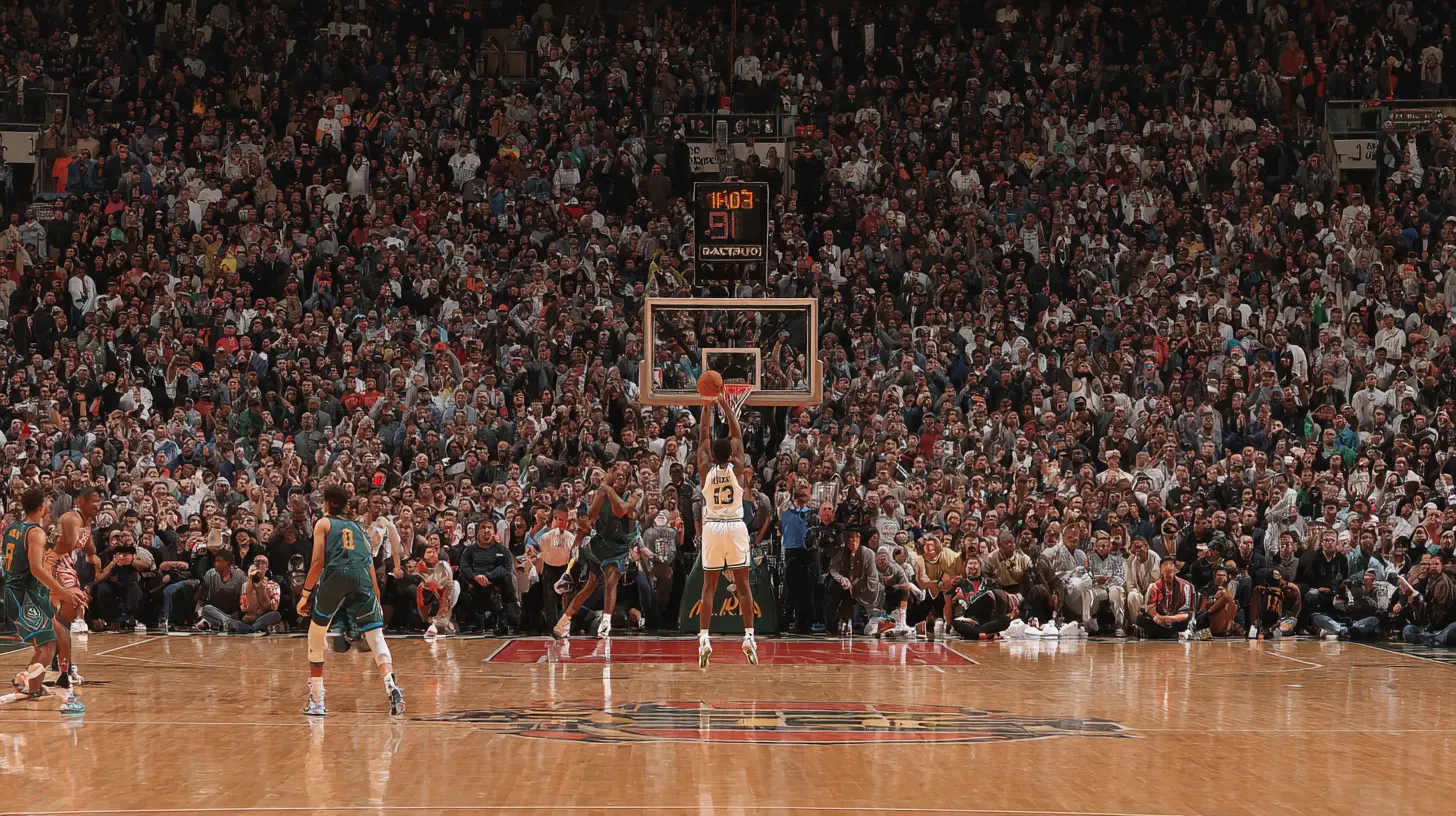
The Best Buzzer-Beaters of the 2026 Season
The following shots stood out for their difficulty, context, and execution. They are presented in no particular order, because ranking them depends on what you value most: stakes, style, or sheer improbability.The Half-Court Heave That Won a Conference Tournament
In a mid-major conference tournament semifinal, a guard for the underdog team caught an inbound pass with 1.2 seconds left, took one dribble, and launched a shot from just past half court. The ball banked in off the glass as the horn sounded.What made this shot remarkable was not just the distance. The guard had been face-guarded the entire possession. His team had no timeouts left. The inbounder had to throw a risky pass over a defender who was 6-foot-8. The catch itself was difficult.
Why it worked: The defense expected a catch-and-shoot from the wing. Instead, the offense used a back-screen to free the guard near midcourt. The defender trailing the play arrived a step too late. The shooter had just enough space to get the shot off.
This is a good example of why coaches sometimes prefer a quick catch-and-shoot from deep rather than a contested look near the basket. A 40-foot shot with no defender in your face is often a better percentage play than a 15-footer with a hand in your eye.
The Step-Back Three in the NBA Regular Season
A veteran wing player hit a step-back three-pointer over an All-Defensive team guard to win a nationally televised game. The shot came with 0.8 seconds left, leaving no time for a response.The mechanics of this shot deserve attention. The offensive player received the ball at the top of the key, jabbed left, then crossed over to his right. The defender, anticipating a drive, dropped his hips. The shooter then stepped back behind the line and rose for the shot.
Why it worked: The defender had to respect the drive because the shooter had already scored twice on drives in the fourth quarter. That threat created the space for the step-back. This is a classic example of setting up a final shot with earlier actions.
For players looking to improve in these situations, the lesson is clear: your earlier decisions in a game affect how defenders play you in the final seconds. If you have been passive all game, the defense will crowd you. If you have been aggressive, they will give you a little more room.
The Alley-Oop at the Rim
A point guard lobbed an inbound pass to a cutting big man for a game-winning dunk as time expired. The play covered 75 feet in 1.5 seconds.This type of play requires precise timing. The inbounder must release the pass at the right moment. The cutter must time his jump so he catches the ball at the rim. The defense must be caught off guard.
Why it worked: The offense lined up in a stack formation, which forced the defense to guess which player would cut first. The big man faked a screen and then rolled to the basket. The defender responsible for him bit on the fake, leaving a clear path to the rim.
This play is risky. A bad pass leads to a turnover and no shot at all. But when executed correctly, it is nearly impossible to defend.
The Corner Three After a Broken Play
Sometimes the best buzzer-beaters come from chaos. In a college game, a drive to the basket was blocked out of bounds, and the offense had to inbound the ball with 0.6 seconds left. The original play was designed for a lob at the rim, but the defense took that away. The inbounder found a shooter in the corner, who caught the ball and released it in one motion.The shot went in, and the team won by one.
Why it worked: The shooter had drifted to the corner after the initial play broke down. He did not stand still. He moved to an open area and made himself available. The inbounder had the presence of mind to find him.
This is a critical lesson for young players. When a play breaks down, do not freeze. Move to open space. Make yourself a target. The best shooters understand that the final second of a game is not the time to stand around.
The Free Throw Line Fadeaway
A big man caught the ball at the elbow, turned over his left shoulder, and hit a fadeaway jumper as the clock expired. The shot was contested by two defenders.This type of shot is rare because big men often struggle with footwork in pressure situations. But this particular player had spent years developing a reliable turnaround jumper. He trusted his mechanics and did not rush.
Why it worked: The big man sealed his defender on the block, then popped out to the elbow. The defense switched, leaving a smaller player on him. Instead of backing down, he faced up and used his height to shoot over the smaller defender.
This is a good example of exploiting a mismatch. When defenses switch everything, they sometimes create size advantages for the offense. Smart players recognize this and attack immediately.
Common Mistakes in Last-Second Situations
Even great players make errors in these moments. Understanding the most common mistakes can help coaches and players prepare better.Not Knowing the Score
This sounds basic, but it happens at every level. A player catches the ball down by three and dribbles out the clock, thinking his team is down by one. Or a team down by two takes a three-pointer when a two would tie the game.The fix is simple: coaches must communicate the situation clearly before the play. Players must confirm the score and time before inbounding.
Wasting Time
Some players catch the ball and hesitate. They dribble once too often. They pick up their dribble in a bad spot. By the time they shoot, the clock has expired.The best approach is to know your plan before you catch the ball. If you are going to shoot, shoot. If you are going to drive, drive. Do not waste motion.
Forcing a Bad Shot
Desperation leads to bad decisions. A player might take a contested fadeaway when a teammate is open in the corner. Or he might drive into three defenders when a pull-up jumper was available.The best players trust their teammates. They make the extra pass if it is there. They take the best available shot, not the most dramatic one.
Ignoring the Offensive Rebound
Many teams assume the shot will go in. They do not crash the offensive glass. If the shot misses, the game is over.Smart teams send at least one player to the rim on every shot. If the defense fails to box out, that player can tip in the miss or grab the rebound and shoot again.
Best Practices for Coaches and Players
Preparing for these moments requires repetition and clear thinking. The following practices can improve a team's chances in close games.Practice Specific Scenarios
Do not just scrimmage. Set the clock to 2.3 seconds. Put your best shooter in the corner. Have the defense deny the first option. Run the play until it becomes automatic.Assign Roles Clearly
Every player should know his job on a last-second play. Who inbounders? Who sets the screen? Who is the decoy? Who crashes the glass? Ambiguity leads to confusion.Have Multiple Options
Defenses will take away your first option. You need a second and third. The best inbounders read the defense and choose the right option in real time.Keep It Simple
Complex plays with multiple screens and misdirections often fail because they take too long to develop. A simple pick-and-roll or a single screen can be just as effective.
Why These Moments Matter
Buzzer-beaters are more than highlights. They test a player's skill, composure, and decision-making under the highest pressure. They reveal character. They create memories that last decades.The 2026 season gave us several examples of players rising to the occasion. Some used athleticism. Others used guile. A few relied on pure luck. But all of them understood the moment and delivered.
For fans, these shots are why we watch. For players, they are why we practice. For coaches, they are why we draw up plays on a whiteboard at 2 a.m. The buzzer-beater is the ultimate test of preparation meeting opportunity.
all images in this post were generated using AI tools
Category:
Season RecapsAuthor:

Umberto Flores