Beyond the Whistle: The Ethical Side of Refereeing
2 August 2026
When we think of referees, what usually comes to mind? That black-and-white striped shirt? The whistle hanging around their necks? Maybe the occasional heated exchange with a frustrated coach or an angry crowd yelling from the bleachers? But here's the thing: refereeing is so much more than just calling fouls or awarding penalties. There's a deeper, ethical layer to the job — one that few fans ever see or think about.
Let’s dive into the intriguing world beyond the whistle and talk about the moral compass that every referee needs to carry both on and off the field.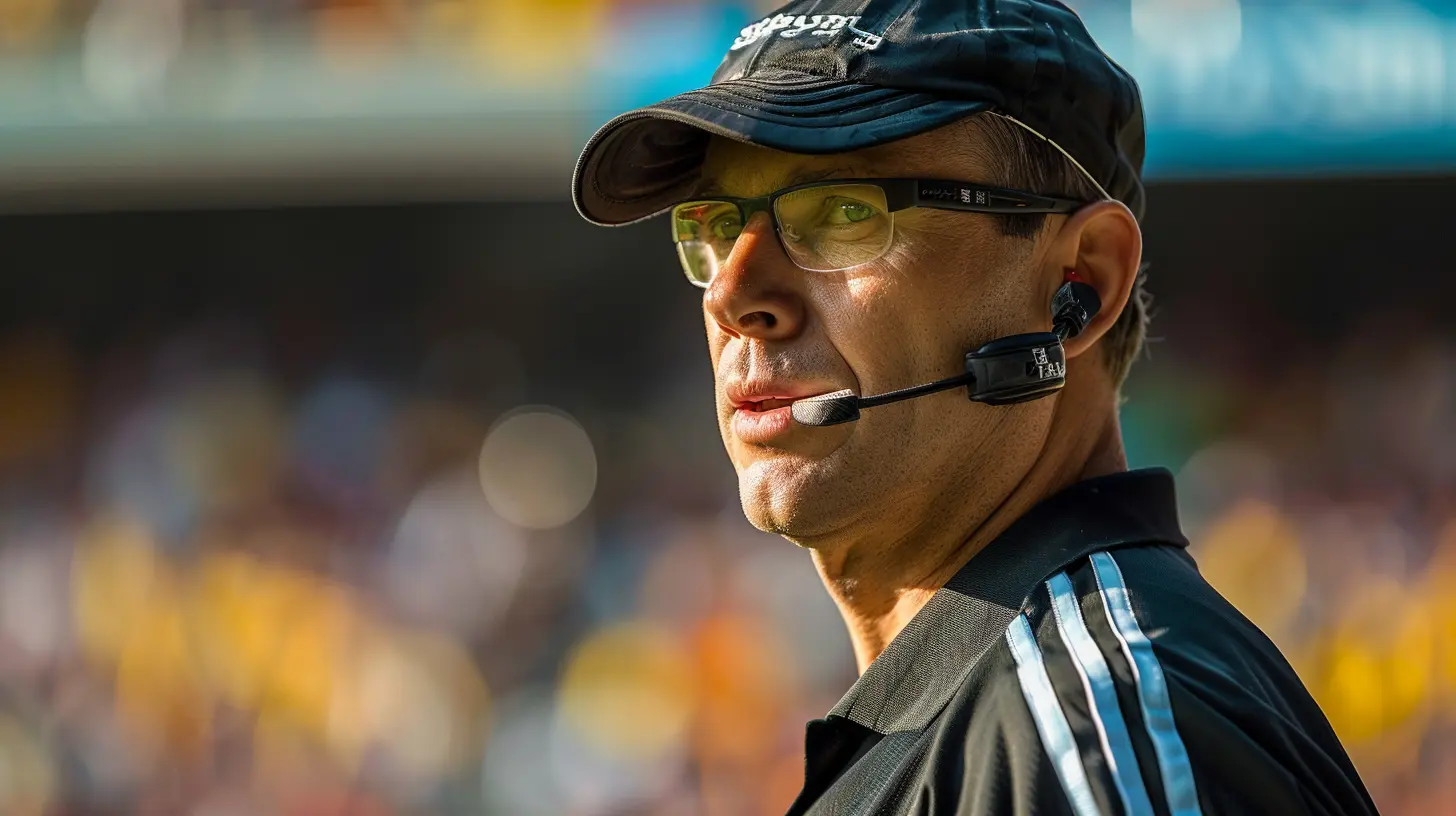
The Real Role of a Referee
Referees aren't just rule enforcers — they are guardians of fairness. Their job is to make sure the game is played the right way, not just by the book, but by the spirit of the sport.Imagine them as the invisible thread that holds the integrity of the game together. Without them, chaos would rule. And yet, for all their hard work and dedication, they’re often caught in the crossfire between losing teams and passionate fans. The truth is, referees have one of the toughest gigs in sports. They must remain calm, focused, and, most of all, ethical — even when everything around them is on fire.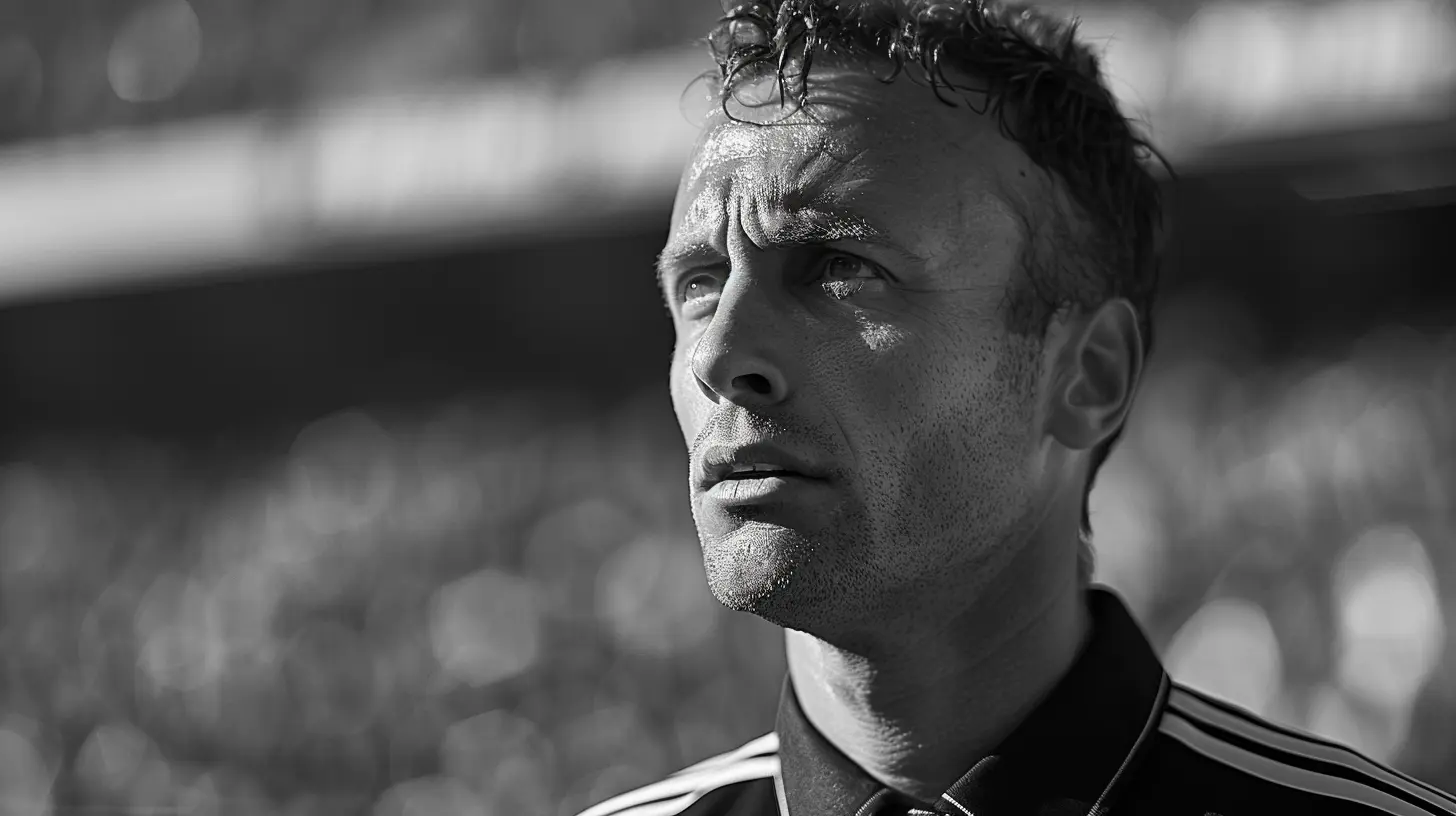
Ethics? In Sports Officiating? Absolutely.
You might be wondering why ethics matter so much in refereeing. Isn’t it just about making the right calls?Well, not exactly. Ethical refereeing goes beyond knowing the rules. It’s about applying them consistently and fairly — no matter who's playing or what’s at stake.
Here's a reality check: referees are human. They’re susceptible to pressure, bias, and even fear. Think about the stakes in a high-profile final where millions are watching worldwide. One bad call can change the outcome of a game, flatten careers, or put a referee’s own reputation on the line.
Ethics in refereeing mean doing the right thing even when it's uncomfortable, unpopular, or personally risky. That’s a big ask.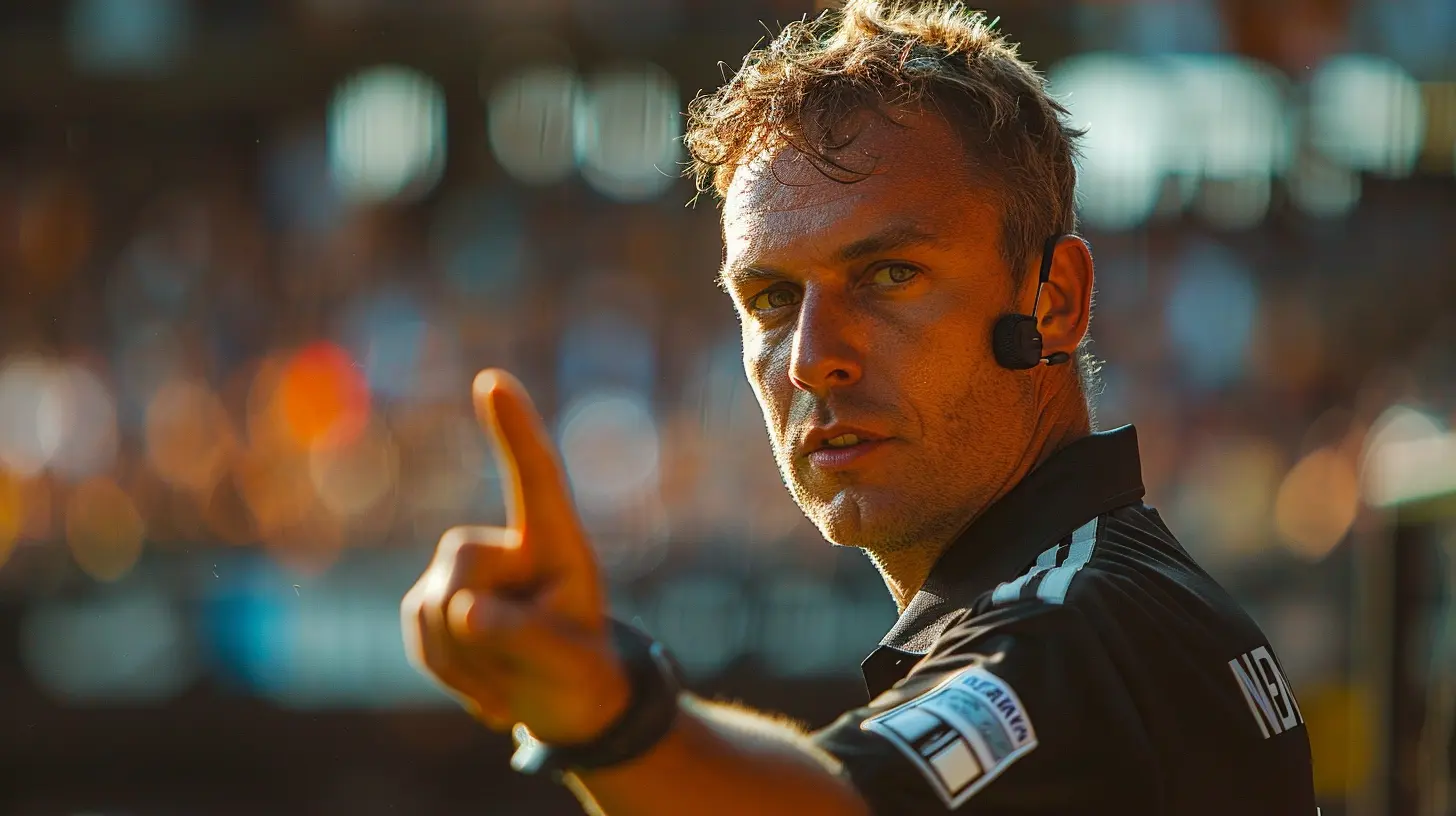
Common Ethical Dilemmas Referees Face
You’d be surprised how often referees walk a moral tightrope. Here are some of the most common ethical challenges they deal with during their career.1. Bias and Favoritism
Referees are supposed to be neutral. But what happens when a ref has a personal connection to one of the teams — maybe they’ve coached a player in the past, or their hometown is playing that day?Even unconscious bias can impact decision-making. Ethics demands self-awareness and the ability to step back when impartiality is compromised.
2. Influence From the Crowd or Media
Ever heard 50,000 fans scream at once because of a penalty call? That can shake anyone. Add media pressure and social media criticism to the mix, and it’s a recipe for second-guessing.Ethical refereeing means blocking out the noise and making decisions based on facts — not fear of backlash.
3. Pressure From Teams or Organizers
Sometimes, officials face subtle (or not-so-subtle) nudges from team managers, owners, or event organizers. These nudges can hint at favoring a big-name team that brings in more money or ensuring a specific outcome.A truly ethical referee resists this pressure — even if it means risking future game assignments.
4. Game Management vs. Rule Enforcement
Referees often face the dilemma of balancing game flow with strict rule application. Should a ref give a soft foul just to keep tempers in check? Should they "let them play" to avoid constant interruptions?Here, ethics guide the ref to act in a way that maintains both control and fairness, without compromising the rules.
Ethics in Professional vs. Amateur Leagues
It’s easy to assume that ethical pressures only exist at the highest levels — like the NFL, FIFA World Cup, or NBA Finals. But that’s far from the truth.In amateur settings, ethical challenges can be even trickier. Think about a youth soccer match where a parent is the volunteer ref. They might be officiating their own kid’s game — talk about conflict of interest!
In local tournaments, relationships can blur the lines between fair play and favoritism. And let’s face it, the less oversight there is, the more room there is for ethical gray areas to creep in.
That’s why ethics in refereeing isn’t just for the pros. It’s for every level, every sport, every game.
Is Technology Helping or Hurting Ethics?
VAR (Video Assistant Referee), goal-line technology, and instant replays — they’ve all changed the game.On the one hand, tech gives referees more tools to make accurate decisions, which is great from an ethical standpoint. It reduces human error and increases transparency.
But here’s the flip side: relying too heavily on tech can shift accountability. Instead of being the “final authority,” referees become just another part of a complex system. Plus, technology doesn’t erase bias — it just gives people something else to argue about.
Ethical refereeing in the age of tech means knowing when to trust the tools and when to trust your gut.
The Mental and Emotional Toll of Ethical Refereeing
Let’s not forget — constantly navigating ethical dilemmas can be mentally exhausting. The psychological pressure on referees is real, and it's serious.Many refs face anxiety, burnout, even depression, especially after high-stakes matches with controversial calls. Add online abuse and threats, and it’s easy to see why many leave the profession early.
That’s why support systems, mentorship, and mental health resources are vital for referees. Ethical strength needs emotional strength, too.
Training the Ethical Referee
Ethics aren’t something you’re just “born with” — they can be taught, reinforced, and practiced like any other skill.Many referee training programs now include ethics modules. These focus on:
- Decision-making under pressure
- Recognizing and eliminating personal bias
- Handling conflicts of interest
- Staying resilient in hostile environments
The goal? To prepare refs not just for the technical side of officiating but for the moral curveballs that come their way.
The Fans Have a Role Too
Referees don't operate in a vacuum. The culture around sports — especially among fans — has a huge impact on ethical refereeing.When fans understand that a referee’s job isn’t to be perfect, but to be fair, it changes the whole dynamic. Less abuse, more patience, better sportsmanship — it all adds up. Creating a culture of respect makes it easier for refs to stick to their ethical guns.
So the next time you're in the stands or watching from your couch, remember: what you shout matters.
Why Ethical Refereeing Matters More Than Ever
In a world where sports are becoming more competitive, commercial, and cutthroat, ethical referees are more important than ever.They are the last line of defense against cheating, manipulation, and corruption. Their integrity shapes not just the outcome of games but the values we pass on through sports — like fairness, respect, and honesty.
Without ethics, the game loses its soul.
Final Thoughts
Refereeing isn’t just about knowing the rules — it’s about knowing what’s right. The whistle might signal the start and stop of play, but the deeper job of a referee is to uphold the spirit of the game.It's a role filled with tough choices, constant scrutiny, and relentless pressure. But when done ethically, it becomes one of the most honorable positions in all of sports.
So the next time you see a referee blow the whistle, think beyond the call. Think beyond the stripes. Think about the quiet, powerful ethics that guide every decision they make.
all images in this post were generated using AI tools
Category:
RefereeingAuthor:

Umberto Flores
Discussion
rate this article
1 comments
Tamsin McClintock
This article takes a fascinating look at the often-overlooked role of referees in sports. It's intriguing to consider the ethical dilemmas they face in real time. How do personal biases and pressures shape their decisions? I would love to hear more about specific instances where ethics truly influenced a game.
August 5, 2026 at 12:20 PM
Umberto Flores
Thanks for your thoughts! Referees definitely navigate tough ethical waters. I'll consider sharing more real-life examples in future pieces. Stay tuned!