Biometric Sensors: Tracking Athlete Health in Real-Time
14 July 2026
In today’s fast-paced sports world, athletes strive to push their physical and mental boundaries like never before. Whether it's shaving off milliseconds in a sprint, lifting heavier weights, or improving endurance, athletes constantly seek that extra edge. But in the middle of all the training drills, nutrition plans, and recovery methods, how do athletes truly know if they’re improving—or worse, if they’re on the brink of injury?
Enter biometric sensors. These tiny, cutting-edge devices are revolutionizing the way athletes monitor their bodies in real-time. They’re like having a personal coach embedded in your skin, constantly alerting you to changes in your body. Sounds futuristic, right? Well, the future is now, and biometric sensors are changing the sports game in ways we never thought possible.
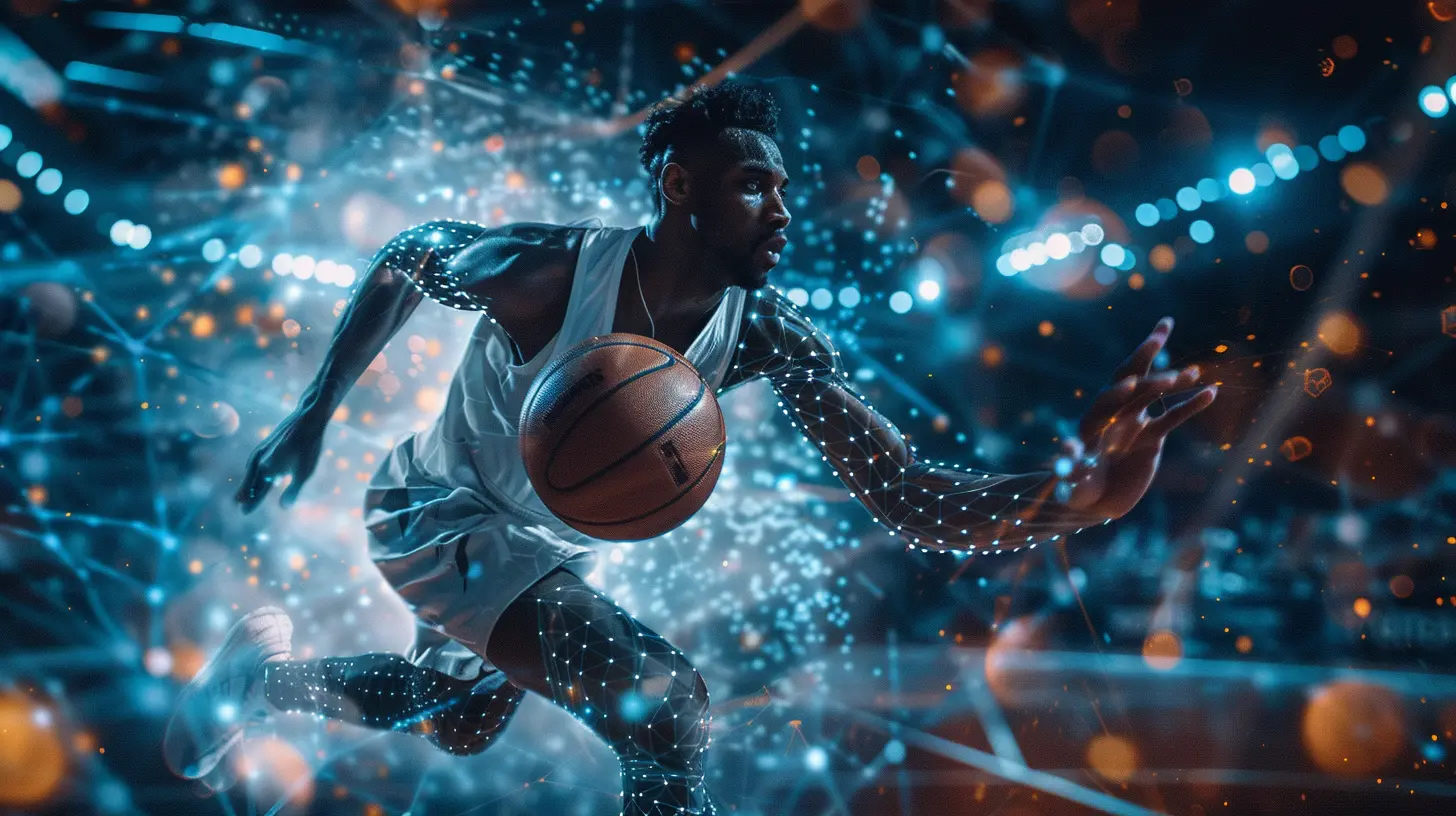
What Are Biometric Sensors?
Before we dive into how these sensors are being used in sports, let’s break down what they are. Biometric sensors are small electronic devices that can pick up on biological data from the body. This includes heart rate, hydration levels, muscle activity, body temperature, and even brain activity. These sensors gather all this information in real-time, providing athletes and coaches with immediate feedback on an athlete's physical condition.Think of them as the ultimate body detectives. They track every little detail, from how hard your heart is pumping to whether you're sweating enough. And the best part? They do it all without you even noticing.

Why Are Biometric Sensors Important for Athletes?
So, why do athletes need biometric sensors? Can’t they just rely on their own feelings or listen to their coaches? The thing is, while experience and intuition are valuable, they’re not always accurate. Athletes often push themselves to the limit, sometimes without realizing they’re nearing the point of injury or burnout. Biometric sensors offer concrete data—hard numbers that can’t be ignored.Preventing Injury
One of the most significant benefits of using biometric sensors is injury prevention. Injuries are every athlete’s worst nightmare. Whether you're a weekend warrior or a professional athlete, getting sidelined due to an injury can be devastating.Biometric sensors can detect early signs of fatigue or muscle overuse before the athlete feels any discomfort. For example, if a sensor detects that an athlete's muscle group is reaching its limit, it can alert the athlete to stop or adjust their training. This immediate feedback can prevent injuries like strains, sprains, and even more severe damage like torn ligaments or stress fractures.
Optimizing Performance
Another reason why athletes are jumping on the biometric sensor bandwagon? Performance optimization. These sensors don’t just tell you when something is wrong; they also help you figure out what’s working and what’s not.For example, wearable sensors can monitor an athlete's heart rate variability (HRV). HRV is an indicator of how well an athlete is recovering between training sessions. If an athlete's HRV is lower than usual, it could mean they’re not fully recovered and might need more rest before their next workout. On the flip side, if their HRV is high, it’s a green light to push harder during training.
These sensors can also track metrics like running stride, jump height, and muscle activation, giving athletes and coaches specific insights into areas that need improvement or areas where they’re excelling. It’s like having a continuous performance review—but without the scary boss!
Real-Time Data for Better Decisions
Imagine this: You’re in the middle of a game, and you feel like you’re running on fumes. But you look down at your biometric sensor, and it shows that your hydration levels are low. That’s your cue to grab some water and get back into the game feeling refreshed.Biometric sensors provide real-time data, allowing athletes to make adjustments on the fly. Whether it's refueling during a marathon or slowing down during a high-intensity workout, athletes no longer have to guess what their body needs—they have the data to back it up.
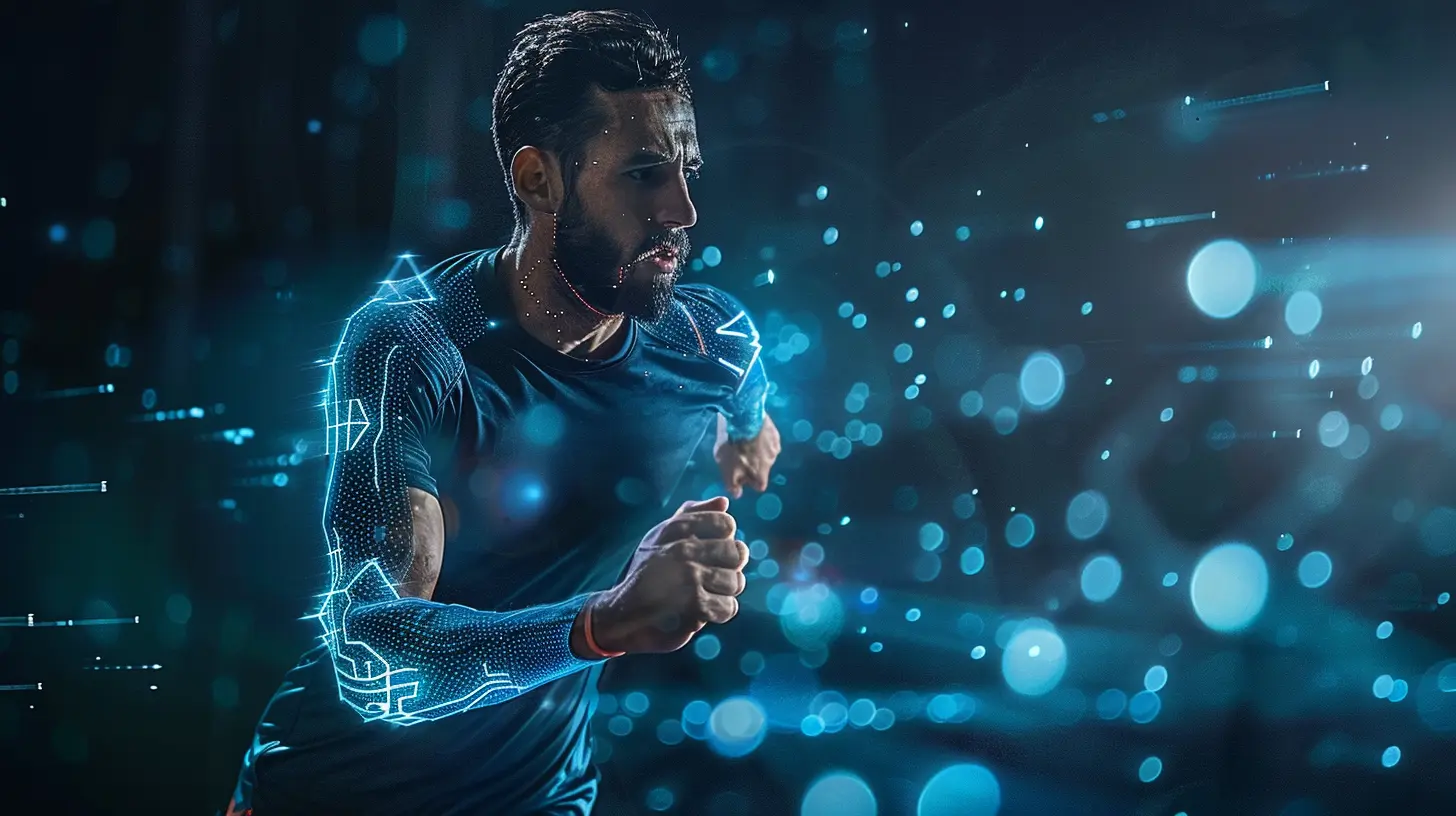
Types of Biometric Sensors in Sports
Biometric sensors come in all shapes and sizes, and different sports benefit from different types of sensors. Let’s take a look at some of the most common ones used by athletes today:Wearable Sensors
Wearable sensors are the most popular type of biometric sensor in sports. These are typically worn on the wrist (like a fitness tracker), but they can also be worn on the chest, legs, or even embedded in clothing. Wearable sensors track metrics like heart rate, step count, calories burned, sleep patterns, and more.One of the most innovative wearable sensors is the smart shirt. These shirts contain embedded sensors that monitor muscle activity, breathing patterns, and even sweat levels. They provide a detailed picture of how the body is functioning during workout sessions or games.
Implantable Sensors
While it might sound a bit sci-fi, implantable sensors are becoming more common in sports. These sensors are inserted under the skin and provide continuous monitoring of key health metrics. They’re particularly useful for monitoring glucose levels in diabetic athletes or tracking hydration levels in endurance athletes.Since they're implanted, they offer an extra level of accuracy compared to external wearables, and they’re always "on," meaning athletes don't have to worry about charging them or taking them off.
Smart Insoles
For runners and athletes who rely heavily on footwork (think soccer or basketball), smart insoles are game-changers. These insoles are embedded with sensors that track foot pressure, stride length, and balance. With this data, athletes can fine-tune their running mechanics and prevent issues like overpronation or underpronation, which can lead to injuries.Head-Mounted Sensors
Concussions are a serious concern in contact sports like football, rugby, and hockey. Head-mounted biometric sensors, often embedded in helmets or headbands, can measure the force of impact during collisions. If the sensor detects a hit that exceeds a dangerous threshold, it can alert the coaching staff, allowing them to make immediate decisions about an athlete’s safety.
How Biometric Sensors Are Used in Different Sports
Biometric sensors are versatile tools that can be adapted to just about any sport. Let’s take a look at how they’re being used in some of the most popular sports today:Football (Soccer)
Footballers are known for their endurance and speed, and biometric sensors help them monitor both. Wearable sensors track heart rate, distance covered, and sprint speed during matches and training sessions. Coaches use this data to determine when players are getting fatigued and need to be substituted or when they should push harder during training.Basketball
In basketball, players are constantly in motion—jumping, sprinting, and changing directions. Smart insoles and wearable sensors track metrics like jump height, foot pressure, and muscle activity. This helps players improve their explosive power and agility while reducing the risk of injuries like ankle sprains.Running
Runners, especially long-distance athletes, benefit tremendously from biometric sensors. Wearables track heart rate, stride length, and cadence, helping runners identify inefficiencies in their form. Smart insoles can also detect how evenly pressure is distributed across the foot, which is crucial for preventing injuries like shin splints or plantar fasciitis.American Football
In American football, head-mounted sensors are critical for monitoring concussive impacts. These sensors track the force and location of hits to the head, giving coaches valuable information on whether a player should be removed from the game for further evaluation. Additionally, implantable sensors monitor hydration levels during long practices or games, helping players avoid heatstroke or dehydration.The Future of Biometric Sensors in Sports
We’ve just scratched the surface of what biometric sensors can do in sports. As technology advances, we're likely to see even more sophisticated sensors that can track an even wider range of metrics. Imagine sensors that can detect mental fatigue or stress levels, giving athletes not just physical insights but psychological ones as well.Moreover, we can expect biometric sensors to become smaller, less invasive, and even more accurate. We might even see them integrated into everyday objects like water bottles, shoes, or even sports equipment, providing constant feedback without the need for wearables.
In the future, biometric sensors will likely be a standard part of every athlete’s toolkit—helping them not only perform better but also stay healthier and extend their careers.
Conclusion
Biometric sensors have already made a massive impact on the world of sports, and they’re only going to become more essential as technology continues to advance. From preventing injuries to optimizing performance, these tiny devices provide athletes with real-time, actionable data that can help them push their limits safely and effectively.In the end, biometric sensors are like having a personal science lab attached to your body, constantly analyzing, adjusting, and improving the way you train and perform. They’re not just the future of sports—they’re the present. And if you’re an athlete looking to stay ahead of the game, it might be time to start paying attention to what your body is trying to tell you.
all images in this post were generated using AI tools
Category:
Sports InnovationsAuthor:

Umberto Flores
Discussion
rate this article
1 comments
Zealot McQuillan
Impressive advancements in athlete health monitoring!
July 17, 2026 at 2:51 AM
Umberto Flores
Thank you! It's exciting to see how technology is enhancing athlete well-being.