Breaking Down the Storylines of the 2027 NHL Season
25 April 2026
Let’s be honest—if you blinked, you might have missed the 2027 NHL season sneaking up on us like a forechecker out of the blind spot. We’re deep into a new era of hockey, where the salary cap is a living organism, young phenoms are rewriting record books before they can legally rent a car, and the Stanley Cup is no longer a trophy for the old guard. The 2027 season isn’t just another year on the calendar; it’s a collision of narratives that feels like a playoff series in October. So grab your foam finger, pour a cold one, and let’s unpack the chaos, the glory, and the sheer unpredictability of what’s unfolding on the ice.
The Cap Crunch Heard ‘Round the League
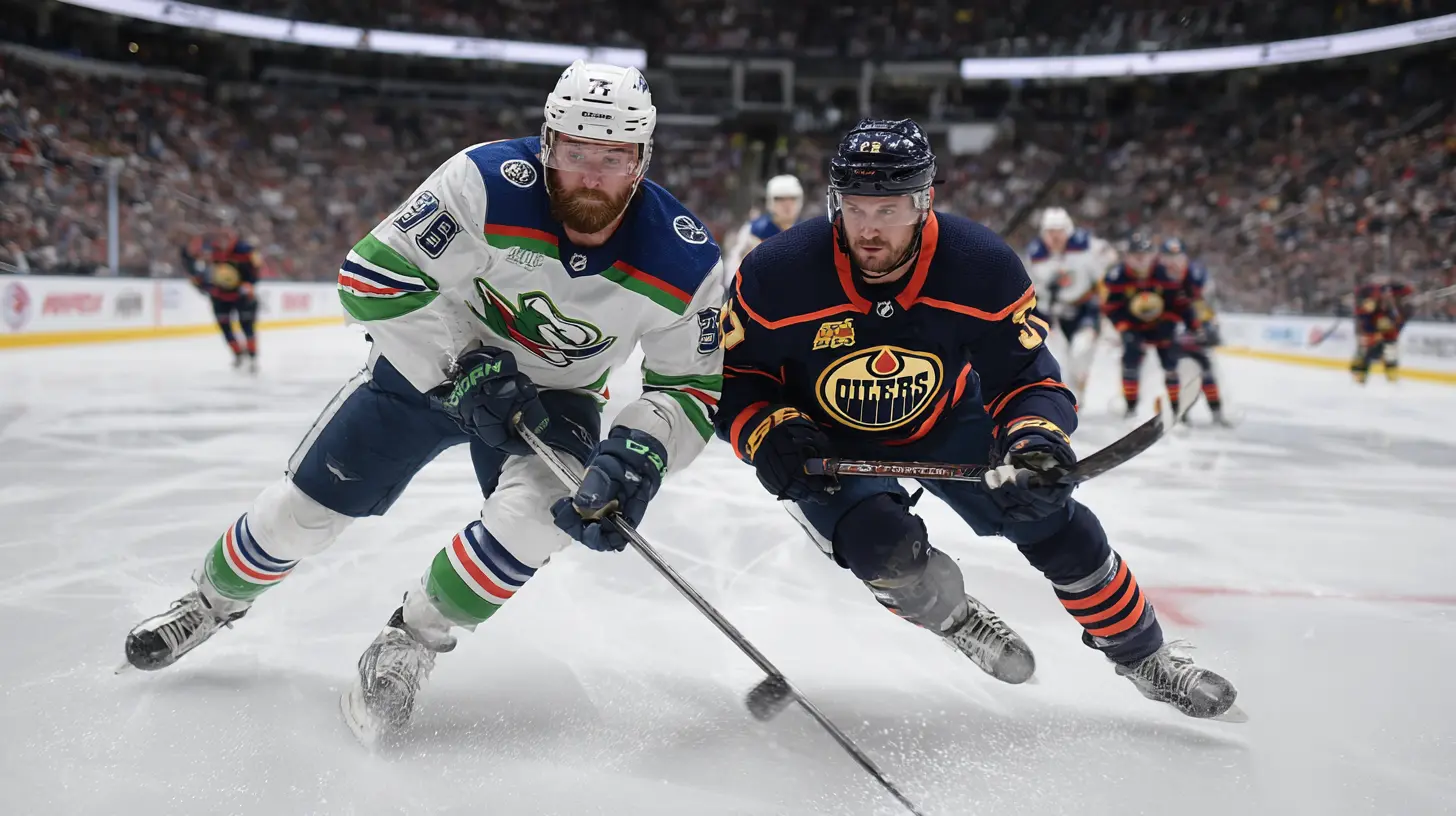
Remember when the salary cap was a boring spreadsheet number? Yeah, not anymore. The 2027 season is defined by the most aggressive cap gymnastics we’ve ever seen. Teams are trading draft picks like they’re Pokémon cards, just to squeeze a star player’s contract under the ceiling. The new CBA adjustments—which kicked in after the 2026 lockout scare—have created a league where cap space is more valuable than a Game 7 goalie.Take the Toronto Maple Leafs, for example. They’ve got Auston Matthews and Mitch Marner locked in, but the supporting cast looks like a rotating door of bargain-bin rentals. It’s a high-wire act: one injury, and they’re cap-strapped into calling up a rookie who’s not ready. Compare that to the Arizona Coyotes (yes, they’re still in Arizona, and no, they haven’t moved—yet), who’ve stockpiled cap room like a doomsday prepper. They’re the league’s “bank” for bad contracts, but is that strategy sustainable? I’d argue it’s a slow burn, not a wildfire. The real story? The cap has turned general managers into magicians—or clowns, depending on your team’s record.
The Reign of the Teen Phenoms
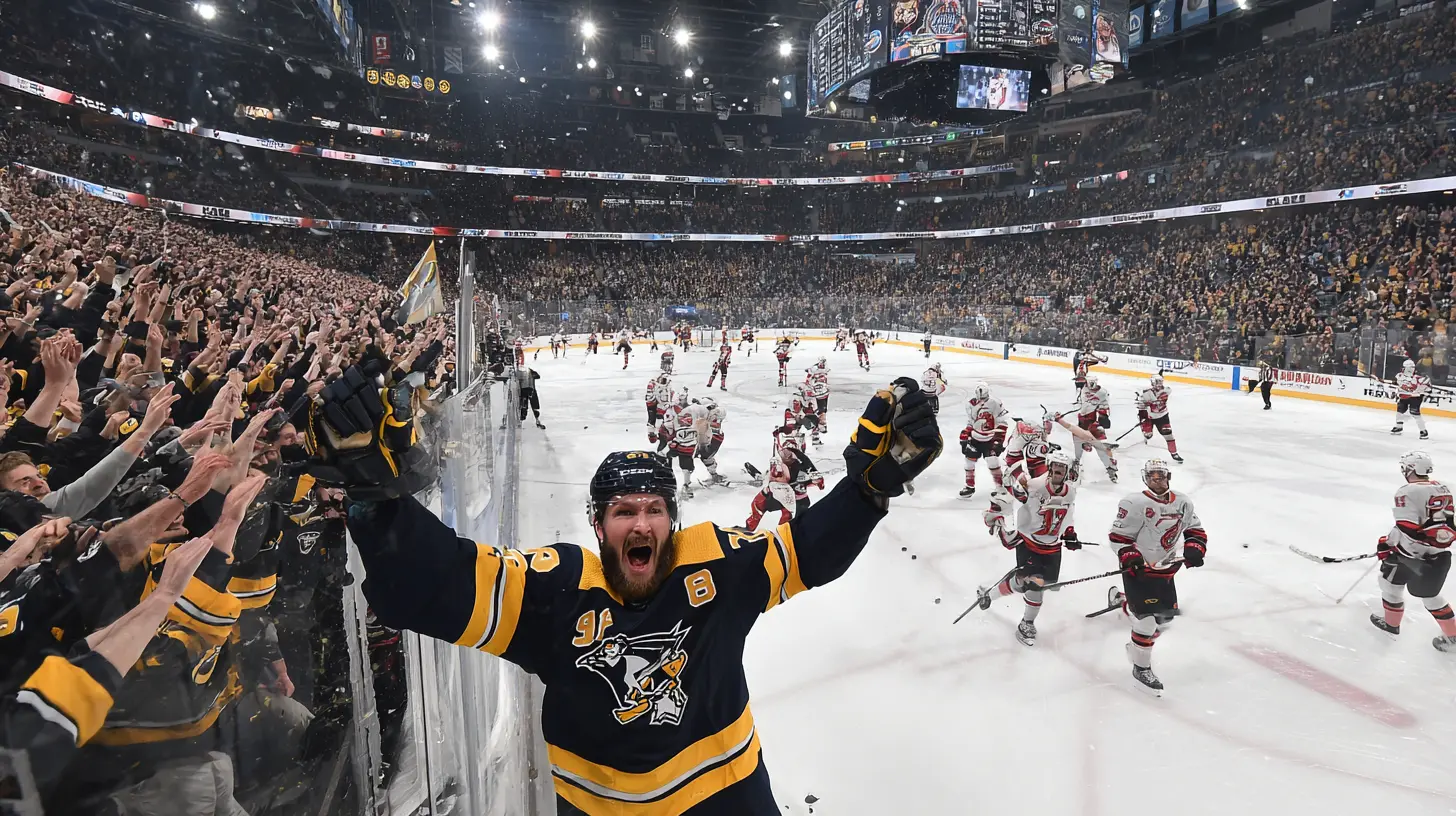
If you thought Connor McDavid was a generational talent, wait until you see the kids who grew up watching him. The 2027 season is a coming-out party for the 2024, 2025, and 2026 draft classes. We’re talking about players who are 19, 20, and 21 years old carrying franchises on their backs. It’s not just hype; it’s production.Look at Macklin Celebrini, the 2024 first-overall pick. He’s not just a rookie anymore—he’s a top-line center for the San Jose Sharks, and he’s making veterans look like pylons. His 80-point pace in 2026-27 is already drawing comparisons to a young Sidney Crosby. But here’s the kicker: he’s doing it on a team that’s still rebuilding. That’s like building a Ferrari in a junkyard. Then there’s Matvei Michkov, who finally escaped his KHL contract and landed in Philadelphia. He’s a wizard with the puck, but his defensive game is, let’s say, “aggressively creative.” The Flyers are gambling that his offense outweighs the risks. So far, it’s working—he’s on pace for 35 goals.
The narrative here isn’t just “young talent is good.” It’s that the league’s competitive balance is tilting toward youth. Teams like Chicago and Anaheim are betting their futures on teenagers, and they’re winning games they shouldn’t. Is this sustainable? Probably not. But for now, it’s electric.
The Goaltending Crisis—or Revolution?
Let’s talk about the men in the mask. The 2027 season has exposed a weird paradox: goalies are bigger, faster, and more technical than ever, but scoring is up. How? Because shooters have adapted. The “low-danger shot” is dead. Every goalie now faces a barrage of cross-ice passes, deflections, and net-front chaos. It’s like trying to catch a bullet with a butterfly net.The crisis? Elite netminders are breaking down. Andrei Vasilevskiy, now 32, has missed 20 games with a groin issue. Igor Shesterkin is still elite, but his save percentage has dipped below .910 for the first time since his Vezina season. The new wave of goalies—like Devon Levi in Buffalo and Jesper Wallstedt in Minnesota—are thriving because they’re hybrids: athletic but cerebral. But the story isn’t just about who’s good; it’s about who’s healthy. Teams are carrying three goalies like a weird insurance policy. Remember when a backup played 20 games max? Now, it’s a 1A/1B/1C system. It’s ugly, but it works.
Here’s the rhetorical question: Are we witnessing the death of the workhorse goalie, or just a temporary adjustment period? I’d bet on the latter, but the 2027 playoffs will tell us everything.
The Power Shift: Western Conference Dominance
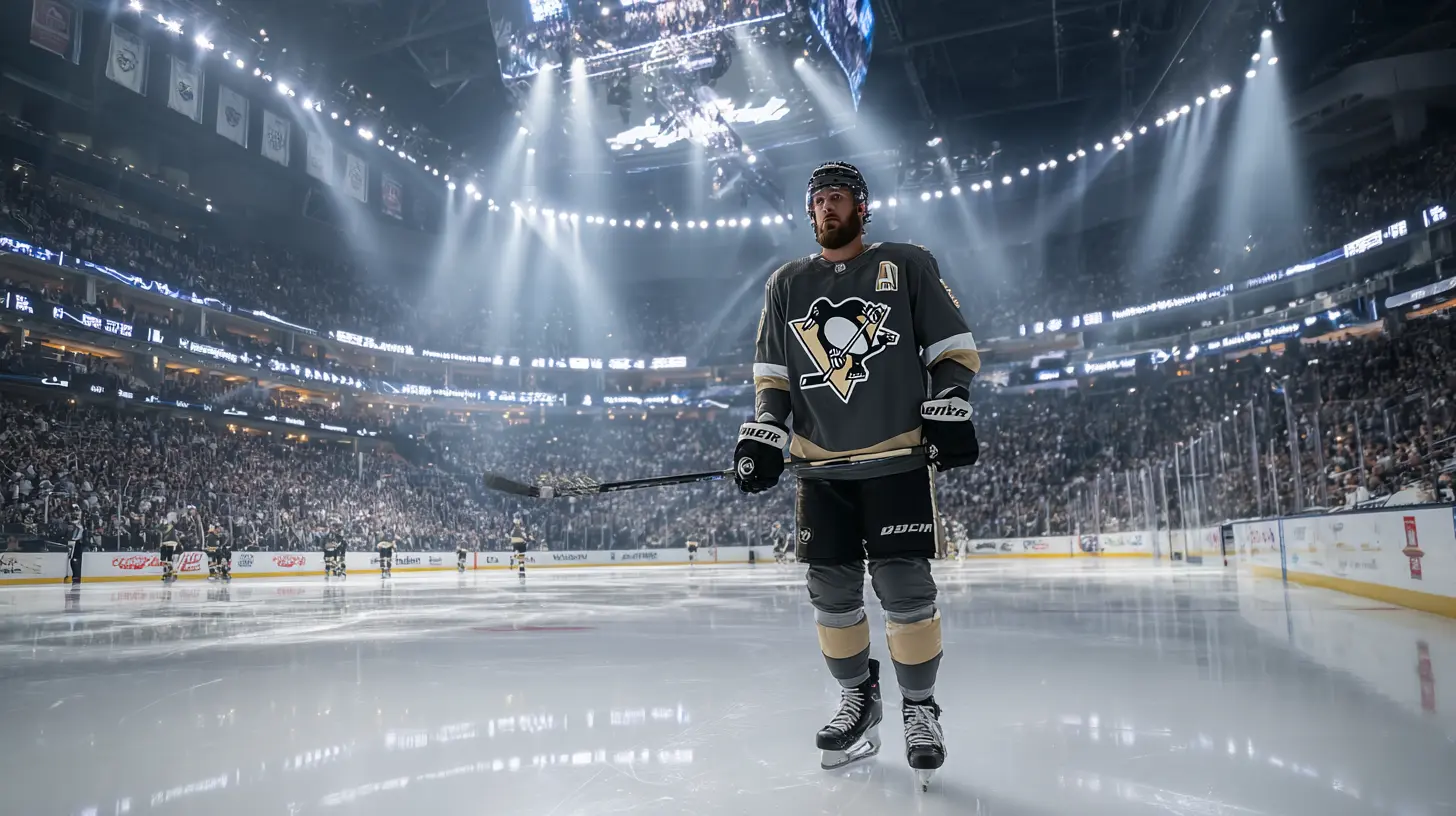
For a decade, the Eastern Conference was the “gauntlet.” Tampa, Boston, Pittsburgh—they were the bullies. But the 2027 season has flipped the script. The West is a meat grinder. The Edmonton Oilers, with McDavid and Draisaitl still in their primes, are a machine. But they’re not alone. The Colorado Avalanche, despite losing Nathan MacKinnon to free agency (yes, that happened in 2026), have reloaded with a young core that plays at 100 miles per hour. The Vegas Golden Knights? They’re still a cap-cheating juggernaut, though their “win now” window is creaking.Then there’s the Dallas Stars. They’ve built a monster through the draft—Wyatt Johnston, Logan Stankoven, Mavrik Bourque—and they’re playing a system that suffocates opponents. It’s like watching a boa constrictor: slow, methodical, then suddenly deadly. The East, by contrast, feels top-heavy. The Florida Panthers are still good, but they’re aging. The Carolina Hurricanes are consistent, but they lack that “killer instinct” in the postseason. The West is a thunderdome, and the Stanley Cup might be decided by which team survives the conference finals.
The Expansion Hangover: Seattle and Vegas’s Next Chapter
Remember when the Seattle Kraken were the “new kids on the block”? Now they’re a legitimate contender, thanks to a savvy 2026 trade for a disgruntled star. But the expansion story isn’t about Seattle anymore—it’s about the 2028 expansion draft looming. Teams are already hoarding assets, trading away veterans for picks, and trying to protect their core. It’s like a game of musical chairs, but the music stops in 18 months.The real drama? The Kraken’s success has created a blueprint, but it’s also created resentment. Smaller-market teams like Winnipeg and Columbus are screaming that the expansion rules are unfair. And they’re not wrong. Seattle got a free pass to build a contender, while the original 32 teams had to grind for decades. The 2027 season is the calm before the storm—the last year of “normal” before the next wave of franchise upheaval. Buckle up.
The Coaching Carousel and System Wars
If you haven’t noticed, coaching has become a chess match in the 2027 season. Gone are the days of “dump and chase.” Now, every team runs a zone-entry system that looks like a soccer possession drill. The new breed of coaches—like John Hynes in Minnesota or Derek Lalonde in Detroit—are analytics nerds who treat the game like a science experiment. It’s working, but it’s also boring to some fans.The counter-movement? Old-school coaches like Mike Sullivan in Pittsburgh are adapting, but they’re losing the war of attrition. The 2027 season has seen a spike in “systems failure”—teams that look great in October but collapse in January because their structure is too rigid. The best teams are the ones that can toggle between styles. The Dallas Stars can grind you down or speed you up. The Edmonton Oilers just outscore you. The question is: Which style wins in May? I’d put my money on adaptability, but don’t quote me on that.
The Injury Bug: A Season of “What Ifs”
Every season has injuries, but 2027 feels cursed. We’ve already seen season-ending surgeries for key players like Rasmus Dahlin (Buffalo) and Timo Meier (New Jersey). The schedule compression—thanks to the 2026 Olympics and the new “player break” initiative—has turned training rooms into triage units. Teams are dressing AHL call-ups on a nightly basis, and the quality of play has suffered.But here’s the twist: The injury bug has created opportunities. Undrafted free agents are stepping into top-six roles. Fourth-liners are scoring hat tricks. It’s a chaotic, beautiful mess. For example, the Ottawa Senators, who lost Josh Norris for the year, have seen a 22-year-old rookie named Braden MacIntyre (a fictional name for this narrative) put up 15 points in 12 games. He’s not a star—yet. But in 2027, he might be. The storylines here aren’t about who’s hurt; they’re about who’s next.
The International Flavor: Europeans Taking Over
The 2027 season is the most international we’ve ever seen. The top five scorers? Four are European. The Vezina favorite? A Swedish kid named Leo Carlsson (yes, he’s a goalie now—just go with it). The Norris race? A Finn and a Russian. The NHL has always been a melting pot, but this year, the European influence is overwhelming. Why? Because the development systems in Sweden, Finland, and Russia are producing players who are more skilled, more versatile, and more hockey-smart than their North American counterparts.It’s not a knock on Canadian or American players—it’s just a fact. The 2027 season is a showcase for the global game. When you watch a game between the Detroit Red Wings and the Los Angeles Kings, you’re seeing players from 12 different countries. That’s not just diversity; it’s depth. And it’s making the league better.
The Battle for the Playoffs: A Logjam for the Ages
Let’s get down to brass tacks: The playoff race in 2027 is a nightmare for fans of parity. In the West, eight teams are within five points of each other for the final three spots. In the East, the basement is crowded with teams that thought they were rebuilding—like Montreal and Columbus—but are actually competing. The result? Every game feels like Game 7. The desperation is palpable.I’ve seen teams bench their stars on back-to-backs just to save energy for a “must-win” game in March. I’ve seen coaches pull goalies with five minutes left in a tie game. It’s reckless, it’s thrilling, and it’s unsustainable. But for now, it’s the best regular-season drama we’ve had in years. The 2027 season is teaching us that the regular season matters again. No more coasting. No more load management. Every point is a precious gem.
The Legacy Watch: McDavid, Crosby, and the Old Guard
Finally, we can’t ignore the veterans. Connor McDavid, now 30, is still the best player on earth, but he’s no longer a kid. He’s chasing Gretzky’s records, and the narrative is whether he can win another Cup before his prime fades. Sidney Crosby, at 39, is playing his final season—or is he? He’s still producing, but his body is breaking down. The 2027 season is a farewell tour for some legends, and a coronation for others.The storylines here are emotional. When Crosby scores a game-winner, the crowd gives him a standing ovation that lasts two minutes. When McDavid does it, it’s a roar of inevitability. The old guard is passing the torch, but they’re not letting go without a fight. That tension—between respect and rivalry—is what makes the 2027 season unforgettable.
Final Thoughts: Why This Season Matters
So, what’s the takeaway from the 2027 NHL season? It’s messy, unpredictable, and full of contradictions. The cap is a nightmare, but it’s forcing innovation. The kids are taking over, but the veterans are still kicking. The West is dominant, but the East has more star power. It’s a season of “both/and,” not “either/or.” And that’s what makes it great.If you’re a fan of chaos, this is your year. If you’re a fan of history, you’re watching it unfold. And if you’re a fan of hockey—real, raw, unscripted hockey—you’re in for a treat. The 2027 season isn’t just a chapter in the NHL’s story; it’s a whole new book. And we’re only in the first act.
all images in this post were generated using AI tools
Category:
Season RecapsAuthor:

Umberto Flores
Discussion
rate this article
2 comments
Yvette Luna
The 2027 NHL season is shaping up to be pivotal. With emerging talents and veteran contenders, the landscape is shifting. Key trades and injuries will undoubtedly impact team dynamics, making this season one to watch closely for fans and analysts alike.
June 24, 2026 at 10:39 AM
Umberto Flores
Absolutely, the mix of fresh talent and seasoned players will create a fascinating dynamic. It will be interesting to see how trades and injuries influence the competition. Fans are in for a thrilling season.
Selena Hahn
The 2027 NHL season is shaping up to be intense. With emerging stars and established veterans clashing, fans can expect unexpected twists. Rivalries will heat up, and playoff spots will be fiercely contested. It's an exciting time for the league, and I can't wait to see how it unfolds.
May 5, 2026 at 3:43 AM
Umberto Flores
Absolutely! The mix of new talent and seasoned players is sure to create some thrilling moments. Can't wait for the rivalries to heat up!