Common Mistakes Tennis Players Make and How to Fix Them
5 January 2026
Tennis might look simple from the outside—just hit the ball over the net, right? But once you step onto the court, it doesn't take long to realize there’s a lot more to it. Every swing, every footstep, every decision counts. Whether you're a weekend warrior or an aspiring pro, making consistent progress in your game means being able to identify and correct the errors that are holding you back.
Let’s break down the most common mistakes tennis players make and how you can fix them once and for all.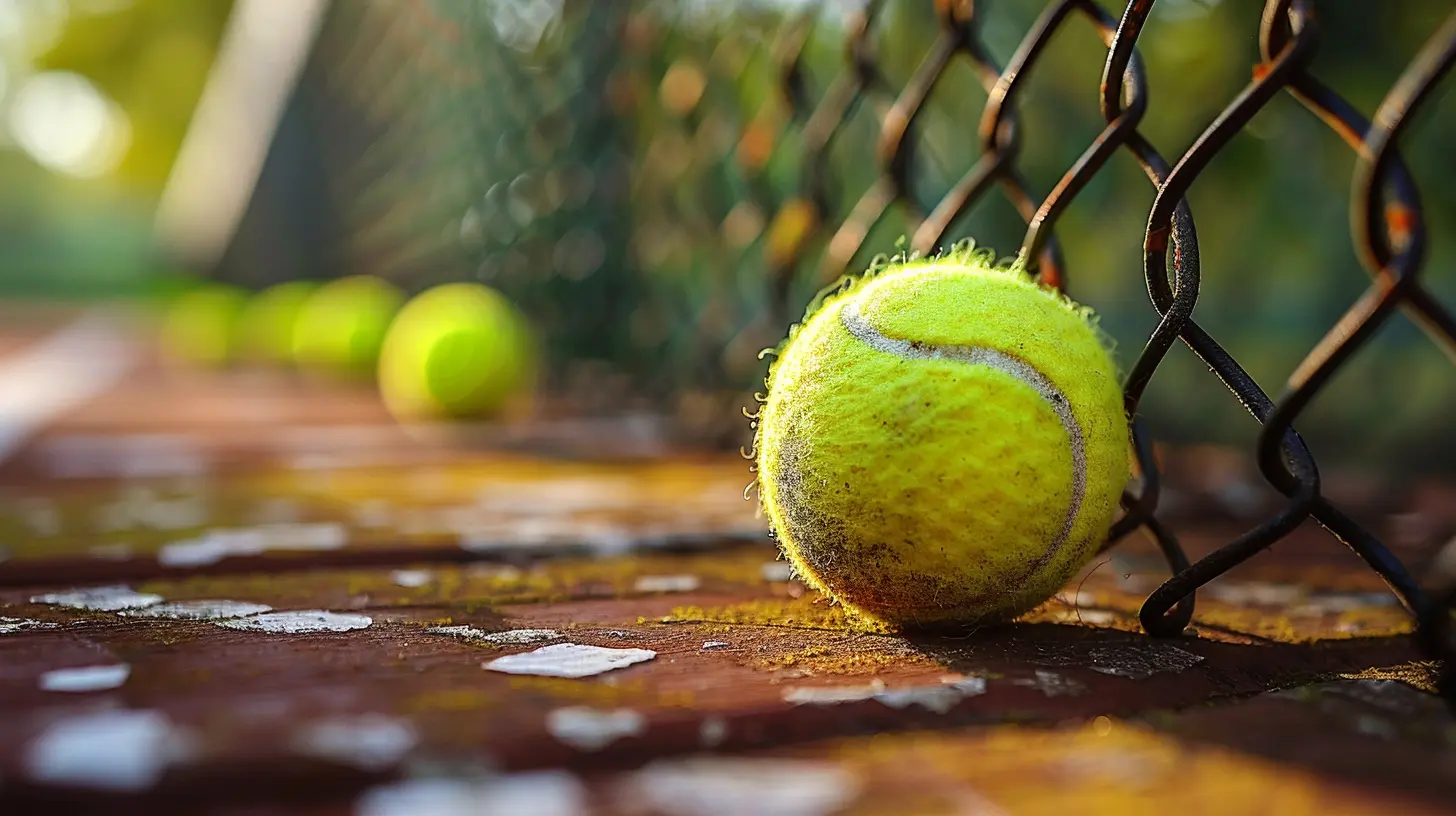
1. Poor Footwork: Your Game Starts with Your Feet
You can have the perfect swing, but if you’re not where you need to be on the court—sorry, not gonna happen.The Problem
A lot of players stand flat-footed or react just a split-second too late. Suddenly you're stretching for a ball you should’ve comfortably reached. Or you’re off-balance, making it nearly impossible to control your shot.The Fix
- Stay on your toes: Think of your feet like shock absorbers—ready to move in any direction.- Use a split step: Just before your opponent hits the ball, do a little hop. It keeps you light and responsive.
- Work on agility drills: Ladder drills, jumping rope, and side shuffles can do wonders for your court movement.
👉 Remember: Great tennis starts with great movement.
2. Overgripping the Racket: Loosen That Death Grip
Ever finish a match with sore hands or forearms? You might be gripping your racket like it’s trying to escape.The Problem
Holding the racket too tightly stiffens your muscles. That kills your ability to generate racquet head speed and finesse. Worse, it can lead to injuries like tennis elbow.The Fix
- Hold it like a bird: Firm enough to keep it from flying away, gentle enough not to hurt it.- Check your grip pressure: On a scale from 1 to 10, aim for a 4 or 5.
- Relax between points: Shake out your wrist and take a deep breath.
Loosen up, and you'll see an immediate improvement in both power and control.
3. Ignoring the Serve: The Most Underrated Stroke
Let’s be real—how often do you actually practice your serve? Be honest.The Problem
The serve is the only stroke you're totally in control of. Yet many players treat it like an afterthought. Weak serves mean you're immediately on defense, giving your opponent the upper hand.The Fix
- Build a routine: Practice your serve every session. Even 15 minutes makes a huge difference.- Focus on placement over power: You don’t need to hit 120 mph. Just aim for consistency and smart locations.
- Use the trophy position: Elbow up, racket head back—this sets you up for proper mechanics.
A solid, reliable serve sets the tone for every point. Don’t neglect it.
4. Going for Too Much: The Hero Mentality
When you see an opening, it’s tempting to go for that blazing down-the-line winner. But how often does that work out?The Problem
Trying to hit shots beyond your current skill level leads to unforced errors—lots of them. It disrupts your rhythm and hands easy points to your opponent.The Fix
- Play high percentage tennis: Hit cross-court more often—it gives you more room and a higher net.- Wait for the right moment: Build the point, don’t force it.
- Use variety: Slices, lobs, drop shots—mixing things up keeps your opponent guessing.
You don’t need to hit like Federer to win matches. Consistency often beats flashiness.
5. Neglecting the Mental Game: Tennis is 80% Mental
Talent and technique mean nothing if your mind isn’t in check.The Problem
Negative self-talk, frustration, or zoning out mid-match can destroy your momentum. Even top players struggle with mindset under pressure—that tells you something.The Fix
- Stay present: Focus on the point at hand, not the last mistake.- Use rituals: Bouncing the ball the same way before a serve can center you.
- Talk to yourself like a coach: Be supportive, not critical.
You control your thoughts. Train your brain like you train your backhand.
6. Not Watching the Ball: It’s Not Just a Cliché
You’ve heard this a million times—"Watch the ball!" But are you really doing it?The Problem
Looking up too soon or guessing where the ball is going leads to mishits and errors. Sound familiar?The Fix
- Track it all the way to the strings: Your eyes should stay locked in until contact.- Practice eye discipline: Shadow swings or hitting with soft balls can help you zone in.
- Slow the game down mentally: Don’t rush. Give your eyes time to process.
The ball tells the story—don’t read the book with your eyes closed.
7. Weak Second Serve: The Achilles Heel
Your first serve might be fire—but what about your second?The Problem
A timid second serve is often a short, high sitter that's easy to crush. That means you live in fear every time you miss your first serve.The Fix
- Add spin, not speed: A kick or slice serve keeps your opponent guessing and reduces double faults.- Practice under pressure: Simulate match scenarios where a second serve really matters.
- Believe in your serve: Confidence turns your second serve from a liability into a weapon.
It’s not about blasting it—it’s about smart, confident placement.
8. One-Dimensional Play: No Plan B
You start strong, but once your opponent adjusts, things fall apart. Sound familiar?The Problem
Many players have a game style that works… until it doesn’t. Without adaptability, you’ll struggle against better competition.The Fix
- Develop an all-around game: Work on volleys, slices, drop shots, and the mental side.- Scout your opponents: Know their strengths and weaknesses.
- Have a Plan B and C: Don’t be afraid to mix strategies mid-match.
Tennis is like chess with running. Think ahead and be ready to pivot.
9. Poor Shot Selection: Hitting Without Thinking
You don’t need to hit every ball with the same intensity or direction. That’s how opponents catch onto your rhythm.The Problem
Incorrect shot choices—like drop shots from the baseline or lobs against tall players—hand points away like free samples.The Fix
- Know your game style: Are you aggressive, defensive, or counter-punching? Play to your strengths.- Play the opponent, not just the ball: Adjust your choices depending on their position and weaknesses.
- Keep it simple: Smart beats fancy, every time.
Think before you swing—it’ll elevate your results instantly.
10. Skipping Warm-Up and Cool-Down: Recipe for Burnout
You wouldn’t run a marathon without warming up first, right? So why treat tennis any differently?The Problem
Going from zero to 100 with cold muscles is a fast track to injury. Skipping cool-down leads to stiffness and slow recovery.The Fix
- Dynamic warm-up (10-15 min): Lunges, high knees, shoulder rolls—get that blood flowing.- Post-match stretch: Focus on hamstrings, shoulders, calves, and lower back.
- Hydrate and refuel: Your body is a machine—fuel it like one.
Take care of your body, and it’ll take care of your game.
Final Thoughts: Little Fixes, Big Wins
Tennis is a game of inches. The difference between winning and losing often comes down to the smallest details. Fortunately, that’s also where you can make the biggest improvements. By identifying your patterns and correcting these common mistakes, you’re not just becoming a better player—you’re becoming a smarter one.Success on the court isn’t about being perfect. It’s about being intentional, consistent, and always hungry to improve.
So next time you pick up your racket, don’t just hit balls—play with purpose.
Game, set, match.
all images in this post were generated using AI tools
Category:
TennisAuthor:

Umberto Flores
Discussion
rate this article
2 comments
Sophia McFarland
Great insights! I’m curious to see how these common mistakes translate to different skill levels. It’d be interesting to explore whether beginners struggle with the same issues as advanced players. Can’t wait to apply some of these fixes in my next match!
February 19, 2026 at 12:19 PM
Umberto Flores
Thank you! That's a great point—understanding how these mistakes vary across skill levels can provide valuable insights for all players. Good luck in your next match!
Hazel Snyder
This article effectively highlights key pitfalls in tennis, providing practical solutions. However, it could delve deeper into psychological aspects influencing performance, as mental errors often overshadow technical flaws. A more holistic approach would enrich player improvement strategies.
January 8, 2026 at 4:35 AM
Umberto Flores
Thank you for your insightful feedback! I appreciate your suggestion to explore the psychological aspects of performance further, and I’ll consider including a more holistic approach in future articles.