Crowd Energy That Made the 2026 Home Games Unforgettable
5 October 2026
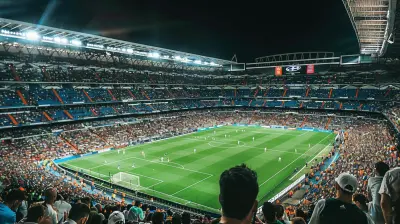
There is a moment, usually just before the anthem, when a stadium stops feeling like a building and starts feeling like a living thing. The sound drops to a hum. People stop checking their phones. Then the first note hits, and 70,000 voices rise together in a way that makes the concrete itself seem to vibrate. Anyone who was inside a home venue during the 2026 games knows that feeling. It was not just noise. It was a shared pulse, and it carried players through moments when their legs had nothing left to give.
This article is about that energy. Not as a vague compliment, but as a real, measurable force that shaped results, changed momentum, and left a mark on everyone who witnessed it. If you want to understand why the 2026 home games felt different from anything before, you have to start with the crowd.
Why Crowd Energy Is More Than Noise
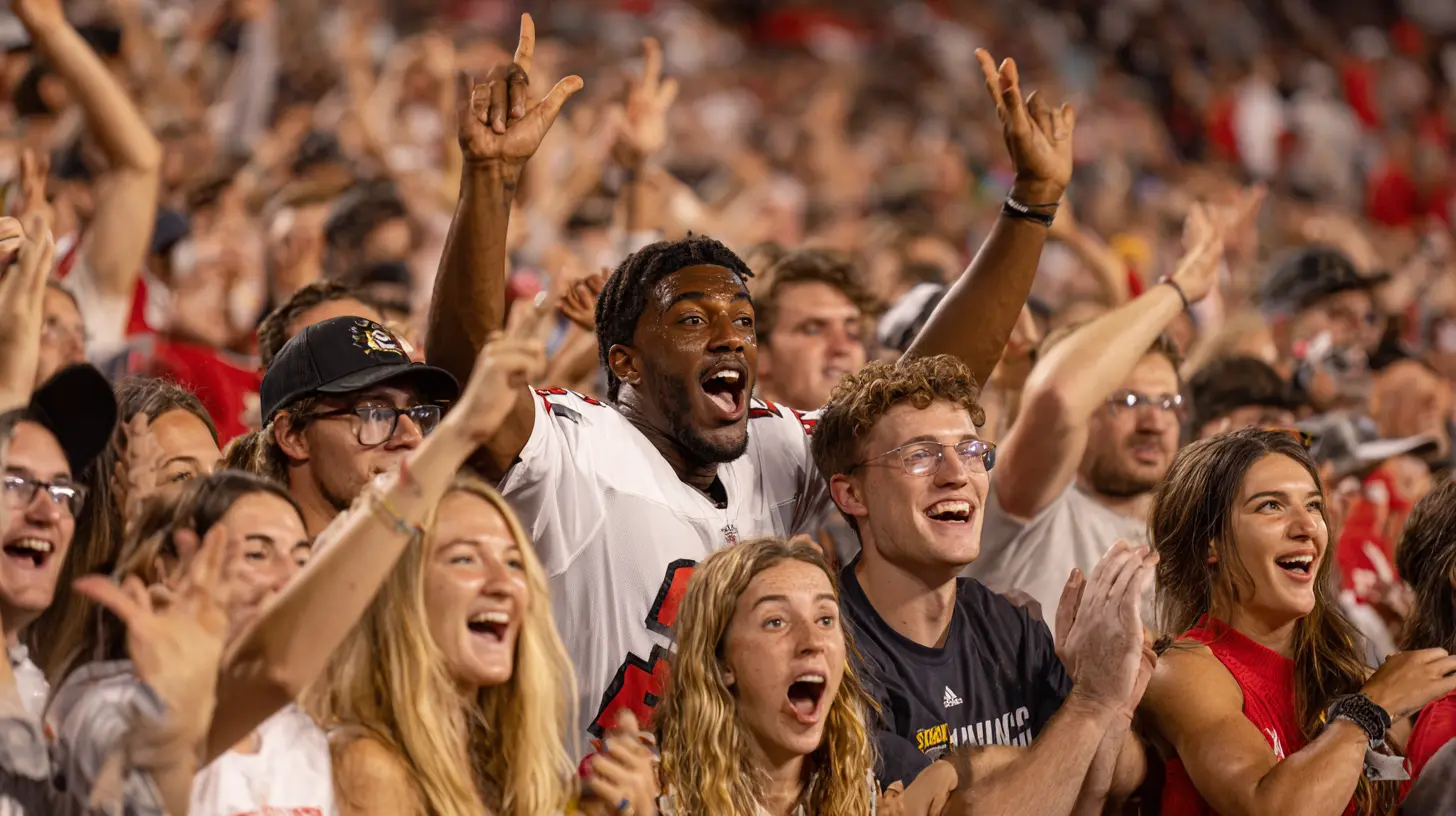
Most fans think of a crowd as a passive audience. In reality, a packed arena is an active participant. Sports scientists have studied this for decades, and while the exact numbers vary by sport and venue, the pattern is consistent. A loud, engaged home crowd can influence referee decisions, disrupt visiting teams' communication, and give home players a measurable psychological lift.Think about what happens in the final two minutes of a close game. The visiting team has the ball. They need to call a play, but the point guard cannot hear the coach. The center misreads a signal. The shot clock winds down, and someone forces a bad shot. That sequence is not luck. It is the crowd doing its job.
The 2026 home games took this to another level because of how the venues were designed and how the fans were organized. Newer stadiums and arenas built in the years leading up to the games were engineered with acoustics in mind. Low roofs, angled seating bowls, and reflective materials turned ordinary cheering into a wall of sound. In some venues, the noise level reportedly hit levels comparable to a jet engine at takeoff. Whether that exact comparison holds up in every case is debatable, but the effect on players was not.
The Anatomy of a Home Crowd Advantage
Not all home crowds are created equal. A full stadium does not automatically produce an advantage. The energy has to be organized, sustained, and timed correctly. Here is what separated the 2026 home crowds from typical home-field advantages.Timing and Rhythm
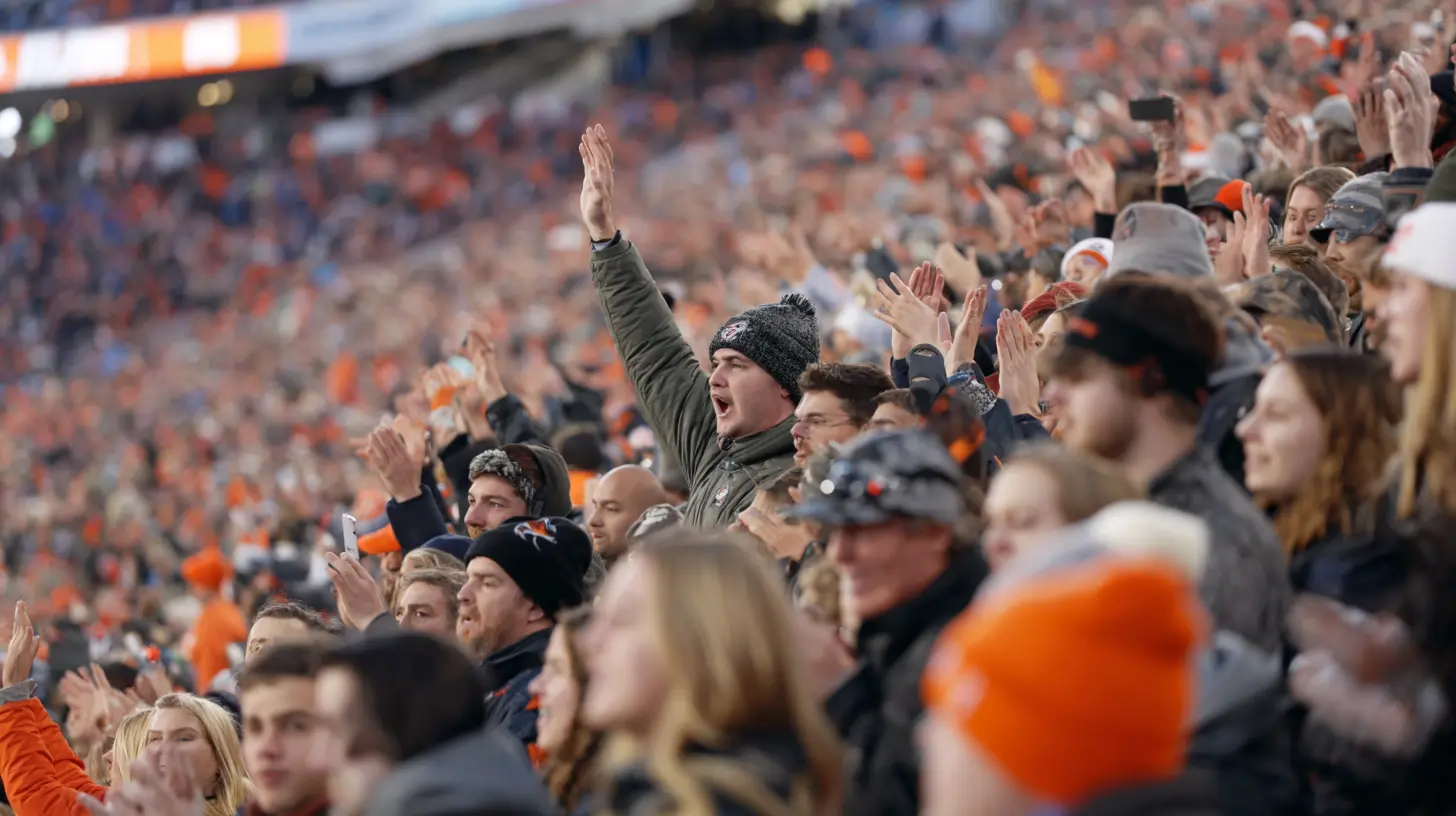
The best crowds do not cheer constantly. They cheer at the right moments. A sustained roar during a free throw attempt is wasted if the shooter is already locked in. The real damage happens when noise arrives during the visiting team's setup, their communication, and their decision-making windows.In 2026, home fans seemed to understand this instinctively. They built tension with clapping rhythms, then exploded at the exact moment the opposing team tried to reset. That pattern, repeated over 48 minutes or nine innings or 60 minutes of play, wears an opponent down.
Volume With Purpose
Loud is not always effective. A crowd that screams nonstop for three hours produces fatigue in itself and eventually becomes background noise. The 2026 crowds were loud in waves. They knew when to press and when to breathe. That rhythm kept their energy high for the full game and kept opponents off balance.Visual Presence
Energy is not only auditory. A wall of matching shirts, coordinated banners, and synchronized movements creates a visual wall that visiting players cannot ignore. The 2026 home games featured some of the most coordinated fan displays in recent memory, with entire sections holding up cards or wearing colors that turned the stands into a single image. That visual pressure adds to the psychological weight.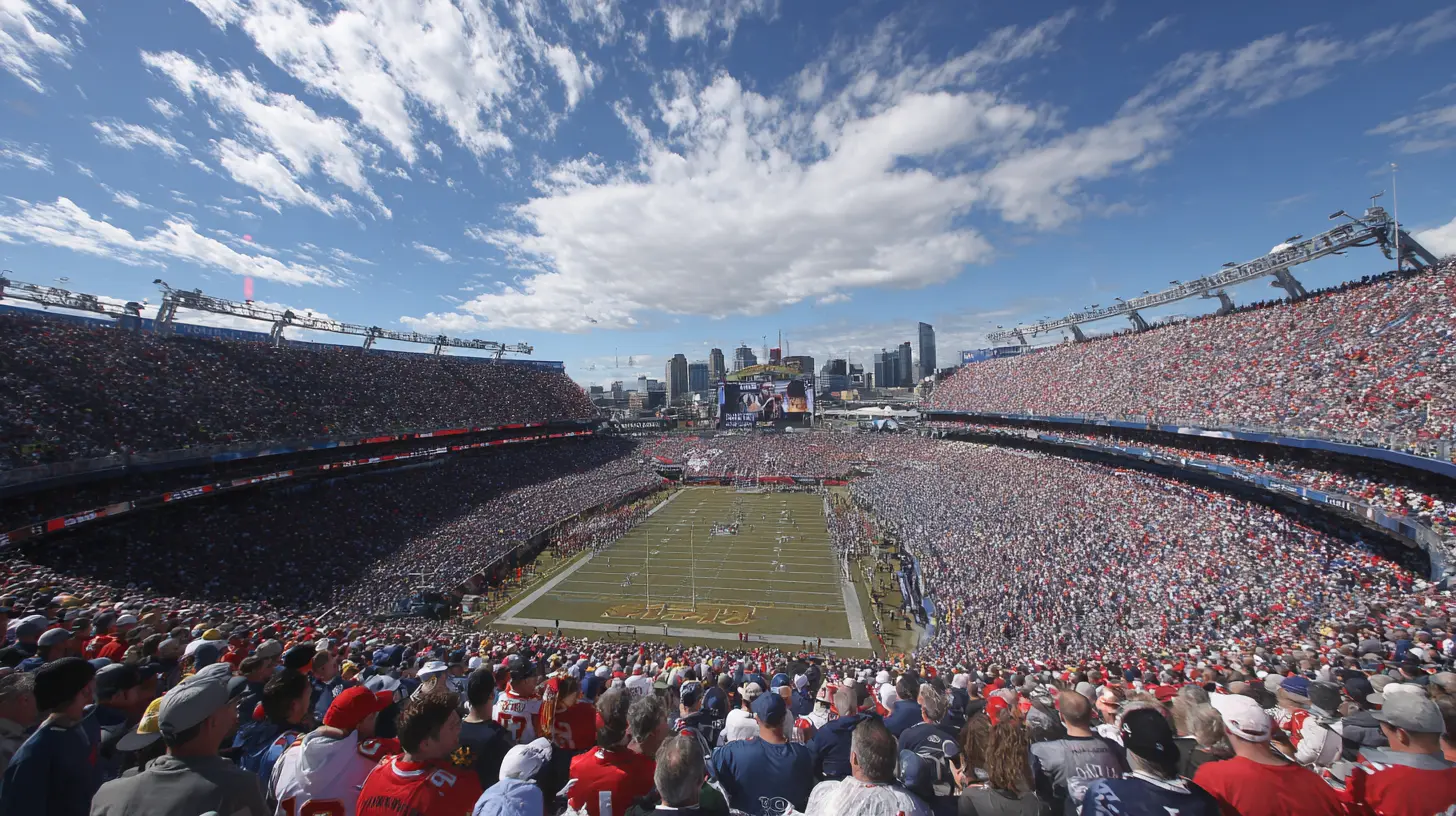
What Made 2026 Different From Previous Home Games
Every major tournament has home crowds. So why did 2026 feel so distinct? Several factors came together at the right time.Venue Design Finally Caught Up
For years, sports architects prioritized luxury suites, wide concourses, and retail space. Noise was an afterthought. That changed. Venues built or renovated for the 2026 cycle placed a premium on keeping sound inside and directing it toward the field or court. Overhanging roofs, steeper seating angles, and metal decking that reflects sound all contributed.The result was that a crowd of 60,000 could sound like 90,000. Players on the field described it as disorienting in the best possible way. Visiting teams described it as a problem.
Fan Culture Matured
Fan groups in many host cities had spent years building their own traditions. Supporters' sections, drum lines, and capo-style leaders had become more organized. By 2026, these groups had learned from each other. They borrowed chants, adapted rhythms, and shared best practices through social media. The result was a more sophisticated crowd, one that could shift from a slow build to a deafening peak in seconds.The Stakes Were Higher
Home games in 2026 carried extra weight because of the format and the schedule. With fewer rest days and tighter margins, every home match felt like a must-win. That urgency translated directly into crowd intensity. Fans arrived earlier, stayed later, and invested more emotionally. Players felt it. Coaches talked about it in press conferences. The energy was not just background noise. It was a storyline.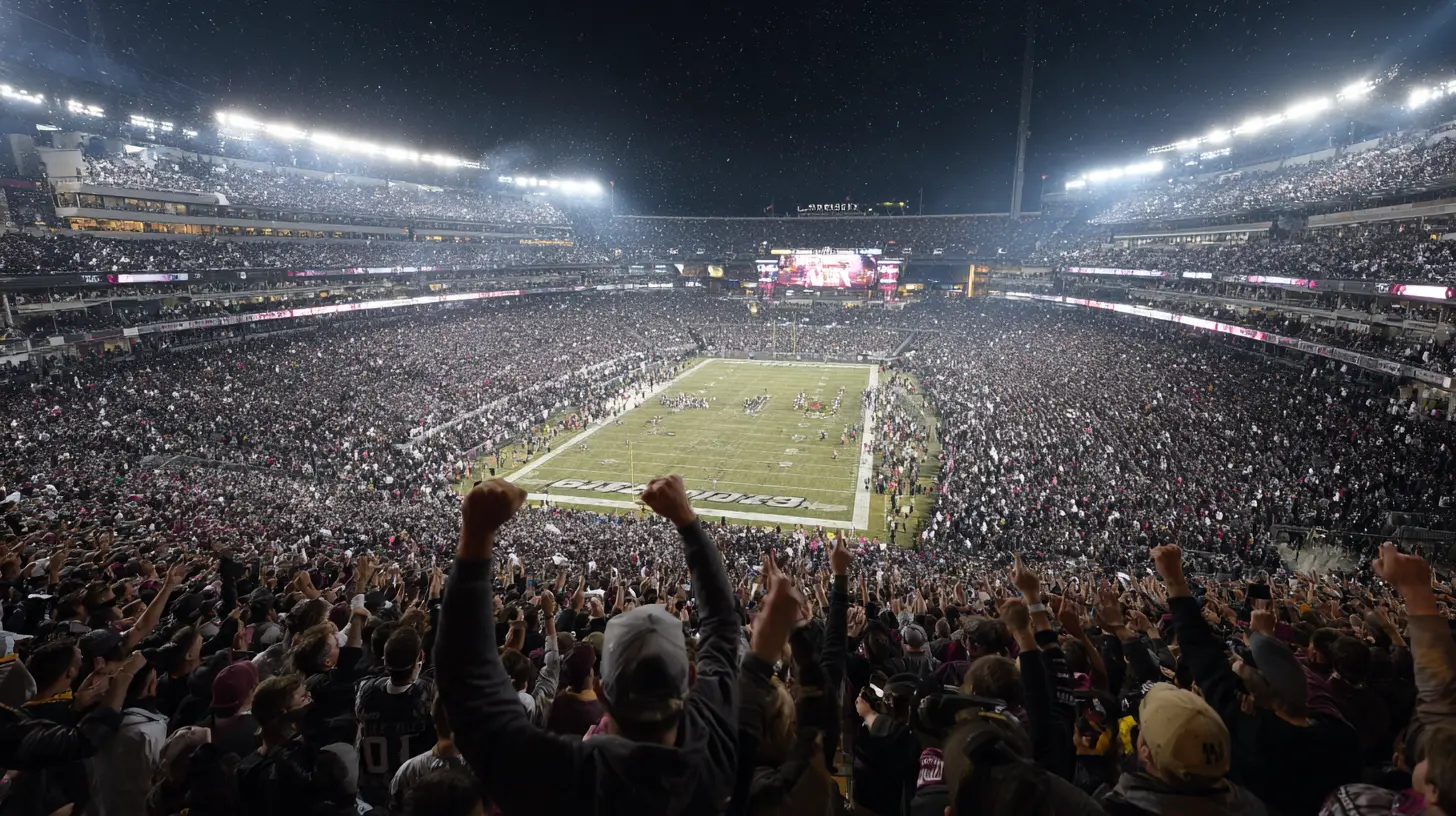
How Crowd Energy Affects Players and Officials
To understand why the 2026 home games were unforgettable, you have to look at the people on the field. Crowd energy works on them in three main ways.Communication Breakdown
Teams rely on verbal cues. A catcher calls a pitch. A linebacker calls an audible. A point guard calls a screen. When noise reaches a certain threshold, those cues disappear. Players have to rely on hand signals, which are easier to read and easier to steal. Mistakes pile up. In several 2026 home games, visiting teams burned timeouts not because they were tired, but because they literally could not hear each other.Referee Influence
This is a sensitive topic, but it is real. Studies across multiple sports have shown that referees tend to favor home teams on borderline calls, especially in high-pressure moments. The reasons are not necessarily conscious bias. It is human nature. When 70,000 people react instantly to a play, the collective reaction can sway a referee's perception. In 2026, home crowds made their feelings known on every close call, and the pressure was palpable.Emotional Fuel
For home players, the crowd is a battery. When legs are heavy and the score is tight, a sudden roar can trigger a second wind. It is not magic. It is biology. Adrenaline responds to social cues. A player who hears their name chanted after a big play feels a surge of confidence that carries into the next possession. That is why home teams so often go on runs in front of their own fans.The Role of Organized Fan Groups
You cannot manufacture crowd energy out of nothing. It takes leadership. In 2026, organized fan groups played a central role in shaping the atmosphere.Capos and Drum Lines
Many supporters' sections used capos, people who stand facing the crowd and lead chants. Drum lines provided a steady beat that kept everyone together. These elements are common in soccer, but they spread to other sports in 2026. Basketball arenas had drum lines. Baseball stadiums had organized clap patterns. The result was a more unified sound.Choreographed Displays
Tifos, the large banners that fans unfurl before a match, became more ambitious. Some covered entire sections. Others used colored cards to create images visible from across the stadium. These displays took months of planning and coordination. They also sent a message to players: we are here, we are ready, and we are behind you.Social Media Coordination
Fan groups used social media to plan chants, coordinate outfits, and share timing instructions. A chant that started in one section could spread to the entire stadium within seconds because people knew what to listen for. This level of coordination was rare a decade ago. In 2026, it was standard.
Common Mistakes That Kill Crowd Energy
Not every home crowd succeeds. Some venues are loud but ineffective. Others are quiet when it matters most. Here are the mistakes that undermine crowd energy, and how the best 2026 crowds avoided them.Cheering at the Wrong Times
Constant noise becomes white noise. If a crowd cheers nonstop, players tune it out. The best crowds vary their intensity. They build, they peak, they release. That variation keeps the pressure on opponents and preserves the crowd's own stamina.Ignoring the Visiting Team's Rhythm
Some crowds focus only on their own team. They cheer when their team scores, then go quiet. That is a mistake. The most disruptive crowds target the visiting team's setup. They make noise when the opponent is trying to communicate, not just when the home team does something exciting.Overreliance on PA Systems
Stadium announcers and music can help, but they cannot replace organic crowd noise. When fans wait for the PA to tell them when to cheer, the energy becomes reactive instead of proactive. The 2026 crowds that stood out were the ones that did not need prompting.Forgetting the Long Game
Energy is a marathon, not a sprint. Crowds that peak too early fade in the fourth quarter. The best 2026 crowds paced themselves. They knew when to push and when to conserve. That discipline paid off in close games.Best Practices for Building Unforgettable Crowd Energy
If you are involved in organizing a home game, whether at a professional venue or a college stadium, here are practical steps you can take.Design for Sound
Acoustics matter. If you are building or renovating a venue, consult acoustic engineers. Steep seating, overhanging roofs, and hard reflective surfaces all help. If you cannot change the structure, consider temporary sound reflectors or seating arrangements that concentrate noise.Empower Fan Leaders
Give organized fan groups the tools they need. Provide space for drums, allow banners, and coordinate with capos. These groups are force multipliers. A small investment in their success pays off in atmosphere.Train the Crowd
You cannot script a crowd, but you can educate it. Simple instructions on when to cheer, how to build noise, and how to sustain it can make a difference. Many teams now include crowd timing tips in pregame videos or social media posts.Create Rituals
Rituals build anticipation. A specific chant before kickoff, a song after a goal, or a moment of silence before a free throw all create structure. Structure makes energy easier to sustain because people know what is coming.Measure and Adjust
Some venues now use sound level monitors to track crowd noise. This data can help organizers understand what works and what does not. If noise drops in the second half, maybe the timing of promotions is wrong. If it peaks too early, maybe the pregame show is too long.
Trade-Offs and Nuance
Crowd energy is not a simple switch. There are trade-offs.Louder is not always better. In some sports, like golf or tennis, silence is part of the game. In others, like basketball and soccer, noise is a weapon. Knowing your sport matters.
More organized is not always better. Over-scripted crowds can feel artificial. The best atmospheres blend structure with spontaneity. Fans need room to react naturally.
Home advantage is real, but it is not unlimited. A crowd cannot overcome a talent gap or a coaching error. It can tilt a close game. It can lift a tired team. It cannot win a game by itself.
What the 2026 Home Games Taught Us
The 2026 home games were unforgettable because they showed what happens when venue design, fan culture, and high stakes converge. The crowds were not just loud. They were smart. They were organized. They were relentless. And they reminded everyone watching that sport is not played in a vacuum. It is played in front of people, for people, and with people.Players will remember the noise. Coaches will remember the pressure. Fans will remember the feeling of being part of something bigger than themselves. That is the real legacy of 2026. It is not just a set of results. It is a standard for what home advantage can look like when everything comes together.
If you take one lesson from those games, let it be this. Crowd energy is not an accident. It is built, practiced, and sustained. Whether you are a fan, an organizer, or a player, you have a role in creating it. The 2026 home games showed us how powerful that can be. The next challenge is doing it again.
all images in this post were generated using AI tools
Category:
Season RecapsAuthor:

Umberto Flores
Discussion
rate this article
1 comments
Gabrielle McFee
The 2026 Home Games were electric. The crowd's energy created an unforgettable atmosphere that fueled every moment. Fans brought their passion and pride, making it an experience that will be remembered for years.
October 5, 2026 at 2:23 AM