Dealing with Player Confrontations: The Referee’s Guide to Conflict Resolution
30 May 2026
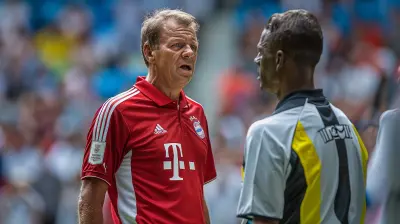
Sports can be thrilling, emotional, and downright chaotic at times. For referees, every match is a battlefield—not just of skill but of tempers. Whether it's a heated argument about a foul, a near-fight between players, or a coach screaming from the sidelines, handling confrontations is part of the job.
But how do referees keep the game under control without making things worse? How do they command respect without unnecessary force? If you've ever wondered how referees stay cool under pressure, you're about to find out.

The Pressure Cooker: Why Do Confrontations Happen?
Before jumping into conflict resolution, let’s address the core issue—why do tempers flare in sports?1. High Stakes, High Emotions – Athletes pour their heart and soul into the game. The fear of losing—or the frustration of a perceived unfair call—can trigger emotional outbursts.
2. Adrenaline Overload – In the heat of competition, players sometimes act on instinct rather than rational thought.
3. Personal Rivalries – Some players carry bad blood from previous encounters. A simple nudge can reignite tensions.
4. Unclear Communication – If players feel misunderstood or unheard, they tend to argue rather than comply.
5. Lack of Respect for Authority – Some players (and coaches) have an ingrained distrust of referees, making disputes inevitable.
Understanding these triggers is half the battle. Now, let’s move on to strategies that can keep things from boiling over.
The Art of Reading the Room
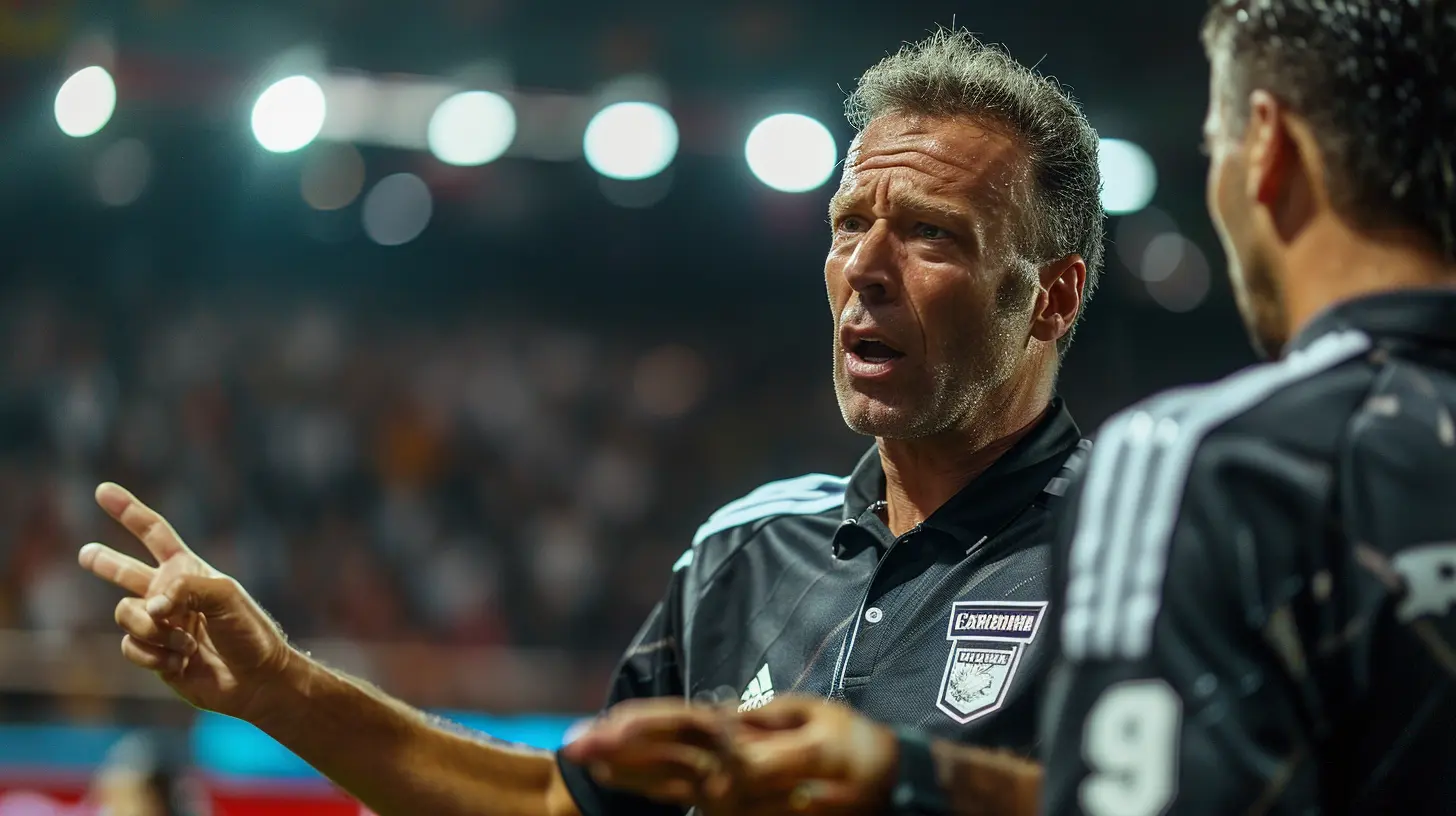
A referee’s job isn’t just about blowing the whistle—it’s about reading body language, identifying potential conflicts, and defusing tension before it escalates.- Watch for Warning Signs – Clenched fists, heated conversations, and aggressive posturing are signals that trouble is brewing.
- Trust Your Gut – If something feels off, it probably is. A good ref anticipates conflicts before they happen.
- Use Preventive Measures – A friendly reminder, a quick warning, or even a light-hearted remark can sometimes redirect negative energy.
Being one step ahead gives you control over the situation before it spirals.
The Golden Rule: Stay Cool Under Pressure
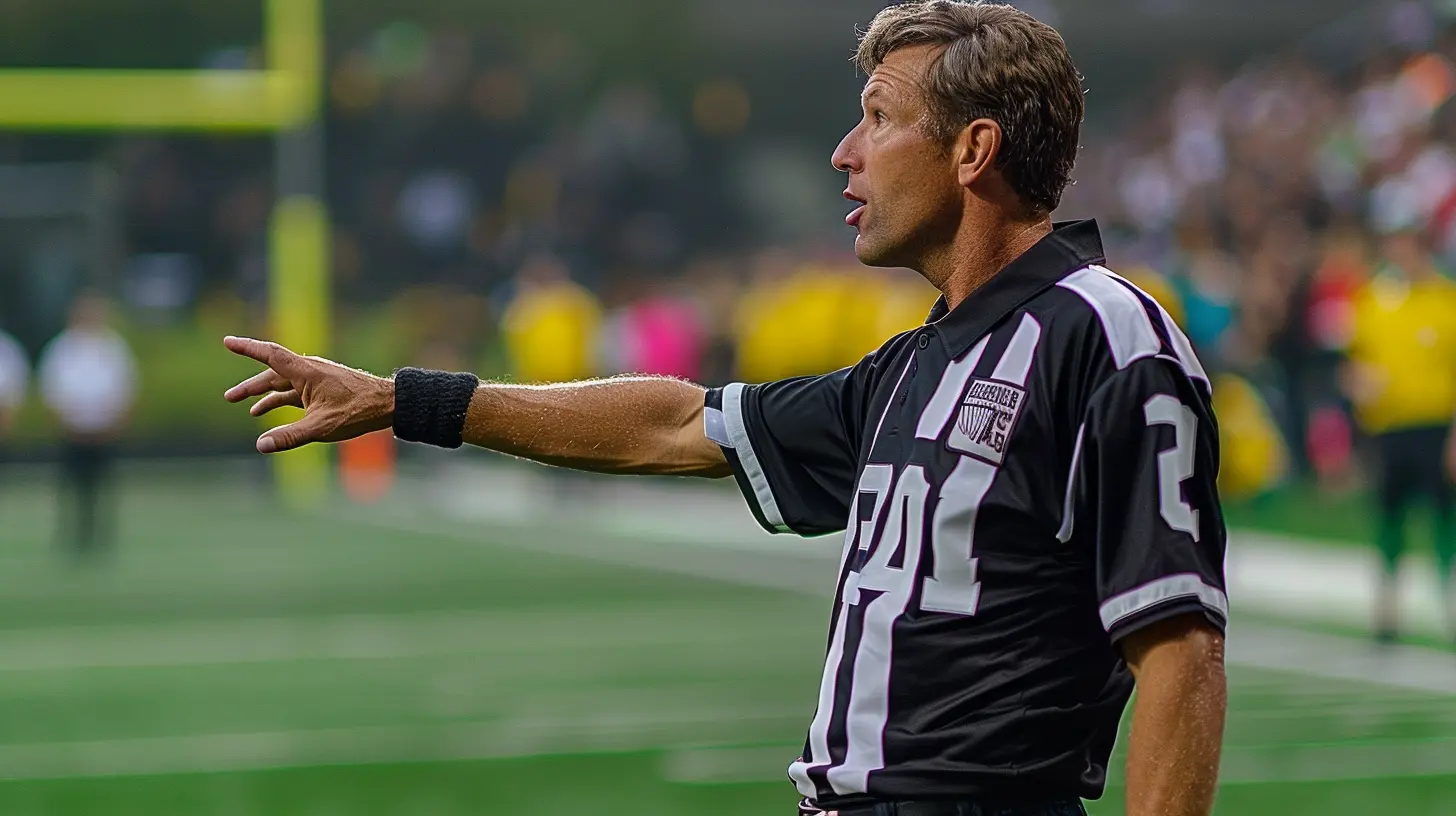
When a confrontation erupts, the most important thing you can do is remain calm. If the referee loses control, the whole game goes with it.Practical Tips to Keep Your Cool
- Deep Breaths Work Wonders – It sounds simple, but steady breathing helps regulate emotions.- Slow Things Down – Rushing decisions in a tense moment can backfire. Take a second to assess the situation.
- Speak Clearly and Firmly – A shaky voice or hesitant tone can make players feel they can push boundaries.
- Avoid Escalation – Reacting emotionally will only fuel the fire. Stay composed, no matter what.
Remember, a referee’s demeanor sets the tone. If you’re calm, others are more likely to follow suit.
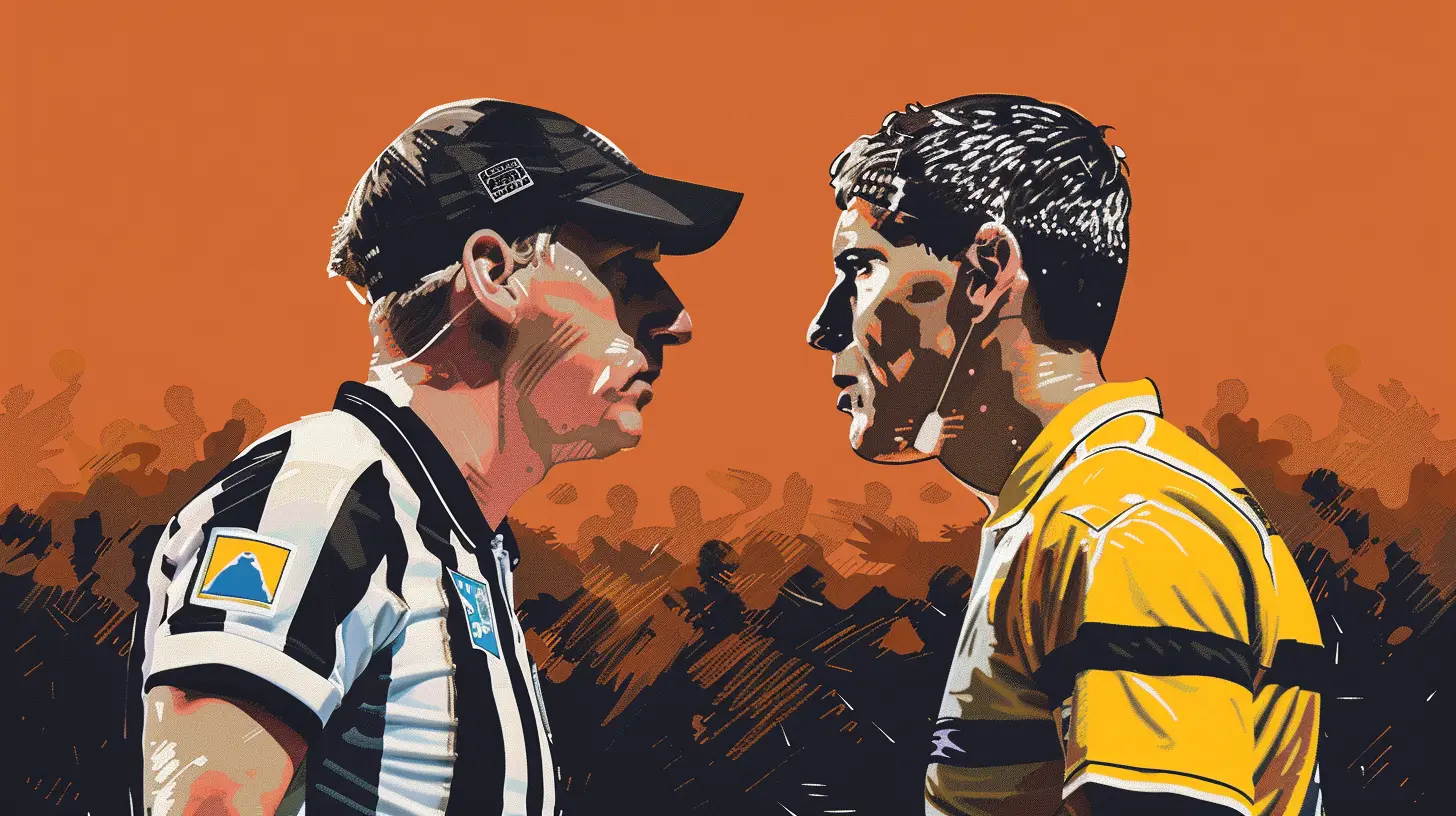
The Power of Communication
A great referee isn't just a rule enforcer—they're a communicator. How you handle confrontations verbally can make or break a situation.Essential Communication Techniques
1. Listen First, Speak Second – Players want to feel heard. A simple “I understand, but here’s the call” can diffuse tension.2. Be Concise and Confident – Long-winded explanations can frustrate players further. Keep it short and direct.
3. Use Neutral Language – Avoid blaming terms like "You did this" and opt for neutral phrasing like "This is what I saw."
4. Eye Contact Matters – Looking someone in the eye while speaking establishes authority and respect.
5. Know When to Walk Away – Not every argument is worth engaging in. If a player refuses to listen, reinforce the call and move on.
The way you communicate makes all the difference between a calm resolution and an all-out brawl.
The Authority Card: When to Enforce Discipline
There’s a fine line between patience and letting players walk all over you. Knowing when to take disciplinary action is crucial.When Should You Step In?
- Repeated Disrespect – If a player keeps challenging your authority, a warning or card may be necessary.- Potential Violence – If a confrontation gets physical or dangerous, immediate action is required.
- Game Disruption – If arguing drags on and delays play, it's time to shut it down.
It’s all about balance—be firm, but don’t go overboard. Players should respect your authority, not fear it.
Handling Heated Coaches and Spectators
Sometimes, the real challenge isn't the players—it's the screaming coaches and the rowdy fans.- Coaches: Set Boundaries Early – A quick conversation before the match outlining respectful behavior expectations can prevent outbursts.
- Spectators: Stay Professional – Fans will shout, insult, and provoke. As long as they’re not disrupting the game, ignore the noise. But if they cross a line, security or match officials may need to intervene.
Knowing how to maintain control off the field is just as crucial as managing conflicts on it.
Case Studies: How the Pros Handle It
If you’ve ever watched top-tier referees, you’ll notice they have a method to their madness. Some legends have mastered the art of controlling player confrontations.Take Pierluigi Collina, for example. His piercing gaze and firm but fair approach made him one of the most respected referees in history. He rarely had to dish out cards—his mere presence commanded respect.
Or consider Howard Webb, who handled the infamous 2010 World Cup final, where players threw tough tackles left and right. He stayed calm despite the chaos, ensuring the game didn’t spiral out of control.
The greatest referees don't just enforce rules—they manage emotions, control egos, and navigate tension like chess masters.
Final Thoughts: Mastering Conflict Resolution as a Referee
Refereeing is more than just calling fouls. It’s about managing people, staying cool under fire, and ensuring the game remains fair and enjoyable for everyone.By understanding why conflicts arise, reading emotional cues, communicating effectively, and knowing when to take action, you can turn heated moments into smooth resolutions.
So, the next time you step onto the field and tension builds, remember—you’re not just a referee. You’re the game’s peacekeeper. Handle it like a pro.
all images in this post were generated using AI tools
Category:
RefereeingAuthor:

Umberto Flores
Discussion
rate this article
1 comments
Duke Nelson
This article provides valuable insights into the complex role of referees in managing player confrontations. It highlights the need for effective communication and understanding in high-pressure situations. A great read for anyone looking to improve officiating skills and foster a positive game environment.
May 30, 2026 at 3:10 AM
Umberto Flores
Thank you for your thoughtful comment. I'm glad you found the insights valuable. Effective communication is key to maintaining a positive game environment.