Exploring the Biohacking Revolution in Sports Rehab
24 November 2026
The world of sports rehabilitation is evolving rapidly, thanks to advances in technology, research, and the growing interest in biohacking. Athletes and coaches alike are increasingly looking for ways to enhance performance and recovery, often turning to unconventional methods to achieve their goals. This article delves into the biohacking revolution in sports rehab, discussing its implications, benefits, challenges, and practical applications.
Understanding Biohacking in Sports Rehab
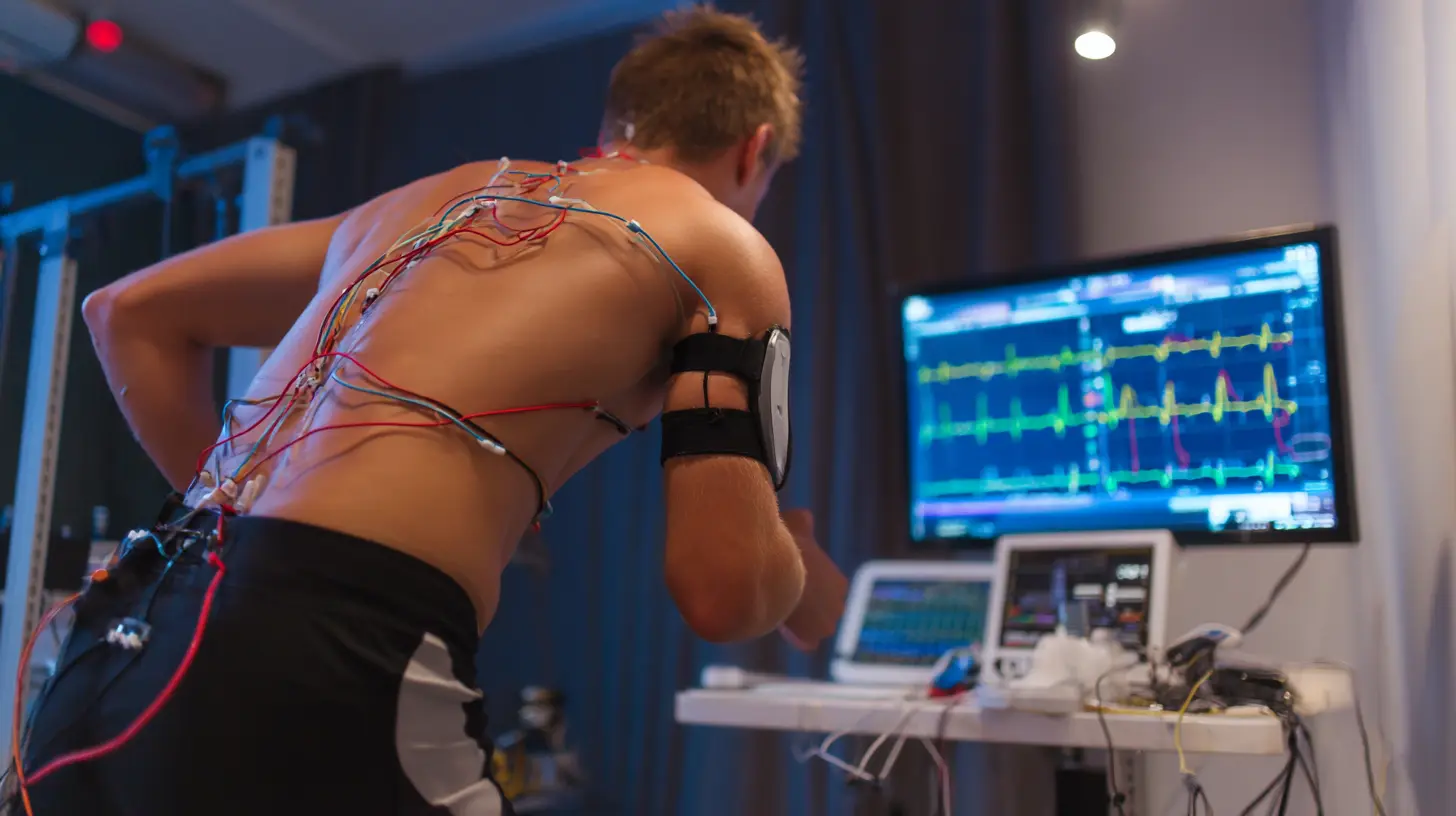
Biohacking is a broad term that encompasses various practices aimed at optimizing health and performance. In sports rehab, biohacking refers to the use of innovative techniques and technologies to enhance recovery, reduce injury risk, and improve overall athletic performance. This can range from dietary modifications to advanced technologies such as wearable devices and neurofeedback.Why Biohacking Matters in Sports Rehabilitation
The primary goal of sports rehabilitation is to help athletes recover from injuries and regain their peak performance. Traditional methods often focus on rest, physical therapy, and rehabilitation exercises. However, the biohacking approach emphasizes a more holistic view, combining physical rehabilitation with psychological, nutritional, and technological enhancements.By integrating biohacking practices, athletes can improve their recovery times, enhance their resilience to injuries, and even boost their performance once they return to their respective sports.
Key Biohacking Techniques in Sports Rehab
As biohacking continues to gain traction, several techniques have emerged as particularly effective in sports rehabilitation. Below are some notable methods:1. Nutritional Optimization
Nutrition plays a critical role in recovery and performance. Athletes are increasingly adopting tailored diets that include anti-inflammatory foods, supplements, and hydration strategies to support their rehabilitation efforts.Common Nutritional Strategies
- Anti-Inflammatory Diet: Foods rich in omega-3 fatty acids, such as fatty fish, flaxseeds, and walnuts, can help reduce inflammation.- Protein Timing: Consuming protein shortly after exercise can optimize muscle recovery and repair. This is particularly crucial for athletes recovering from injuries.
- Hydration: Maintaining adequate hydration levels is essential for muscle function and recovery. Electrolyte-rich drinks can be beneficial, especially after intense physical activity.
Considerations
While optimizing nutrition can yield significant benefits, it is essential to approach dietary changes thoughtfully. Athletes should consult with sports nutritionists to tailor their diets according to their specific needs and limitations.2. Wearable Technology
Wearable devices have revolutionized the way athletes monitor their performance and recovery. These gadgets track various metrics, including heart rate, sleep patterns, and physical activity levels.Benefits of Wearable Technology
- Real-Time Monitoring: Wearables provide immediate feedback on performance and recovery, allowing athletes to make informed decisions about their training and rehabilitation.- Data Analysis: The data collected can help identify patterns that may indicate potential injuries or overtraining, leading to proactive adjustments in training regimens.
- Sleep Tracking: Quality sleep is critical for recovery. Wearables that monitor sleep can help athletes understand their sleep quality and make necessary adjustments.
Limitations and Misconceptions
While wearables offer valuable insights, they can also lead to over-reliance on data. Athletes should use these tools as part of a comprehensive approach to recovery rather than a sole determinant of their health.3. Mindfulness and Mental Training
The psychological aspect of recovery is often overlooked, but it plays a significant role in an athlete's rehabilitation process. Techniques such as mindfulness, meditation, and visualization can enhance mental resilience and aid in recovery.Techniques to Consider
- Mindfulness Meditation: Practicing mindfulness can help athletes manage stress and anxiety during their recovery period.- Visualization Techniques: Imagining successful performance can enhance motivation and confidence, which are crucial during rehabilitation.
Importance of Mental Health
Recognizing the psychological challenges athletes face during recovery is vital. Incorporating mental training strategies can help athletes maintain motivation and a positive mindset, ultimately contributing to better recovery outcomes.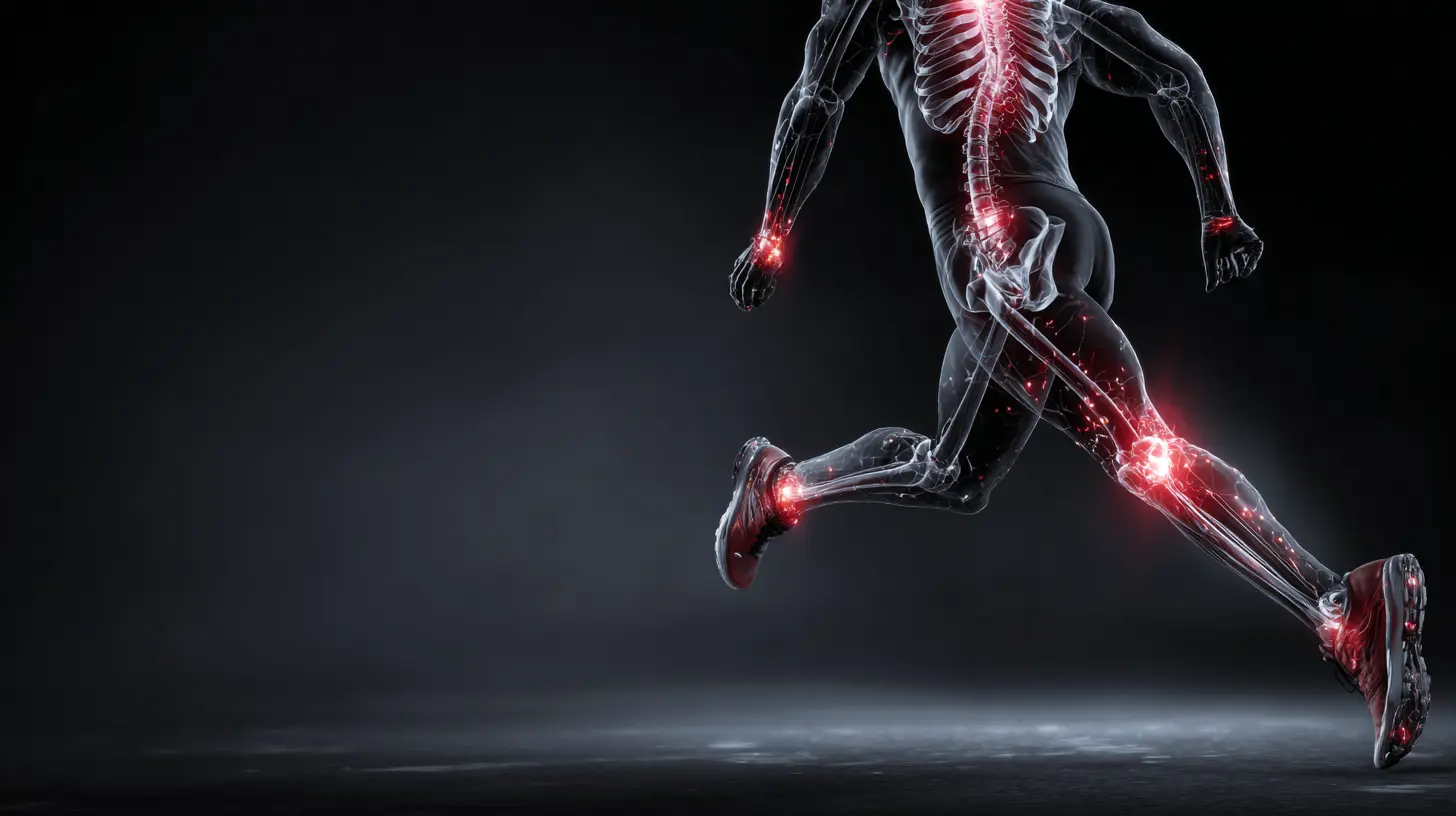
Comparing Traditional Rehab Methods with Biohacking Techniques
While traditional rehabilitation methods have served athletes well for decades, biohacking introduces new possibilities for enhancing recovery.Traditional Rehabilitation
- Focus on Physical Recovery: Generally centers around rest, physical therapy, and gradual return to activity.- Time-Intensive: Often requires significant time and commitment from the athlete, which can be frustrating for those eager to return to their sport.
Biohacking Approaches
- Holistic Perspective: Takes into account various factors, including nutrition, mental health, and technology, offering a more comprehensive approach to recovery.- Potential for Faster Recovery: By utilizing advanced techniques, athletes may experience shorter recovery times and improved performance upon return.
Trade-Offs
Each approach has its merits and drawbacks. Traditional methods are time-tested, while biohacking techniques may require a willingness to embrace change and experimentation. Athletes should consider their personal preferences and needs when choosing their rehabilitation strategies.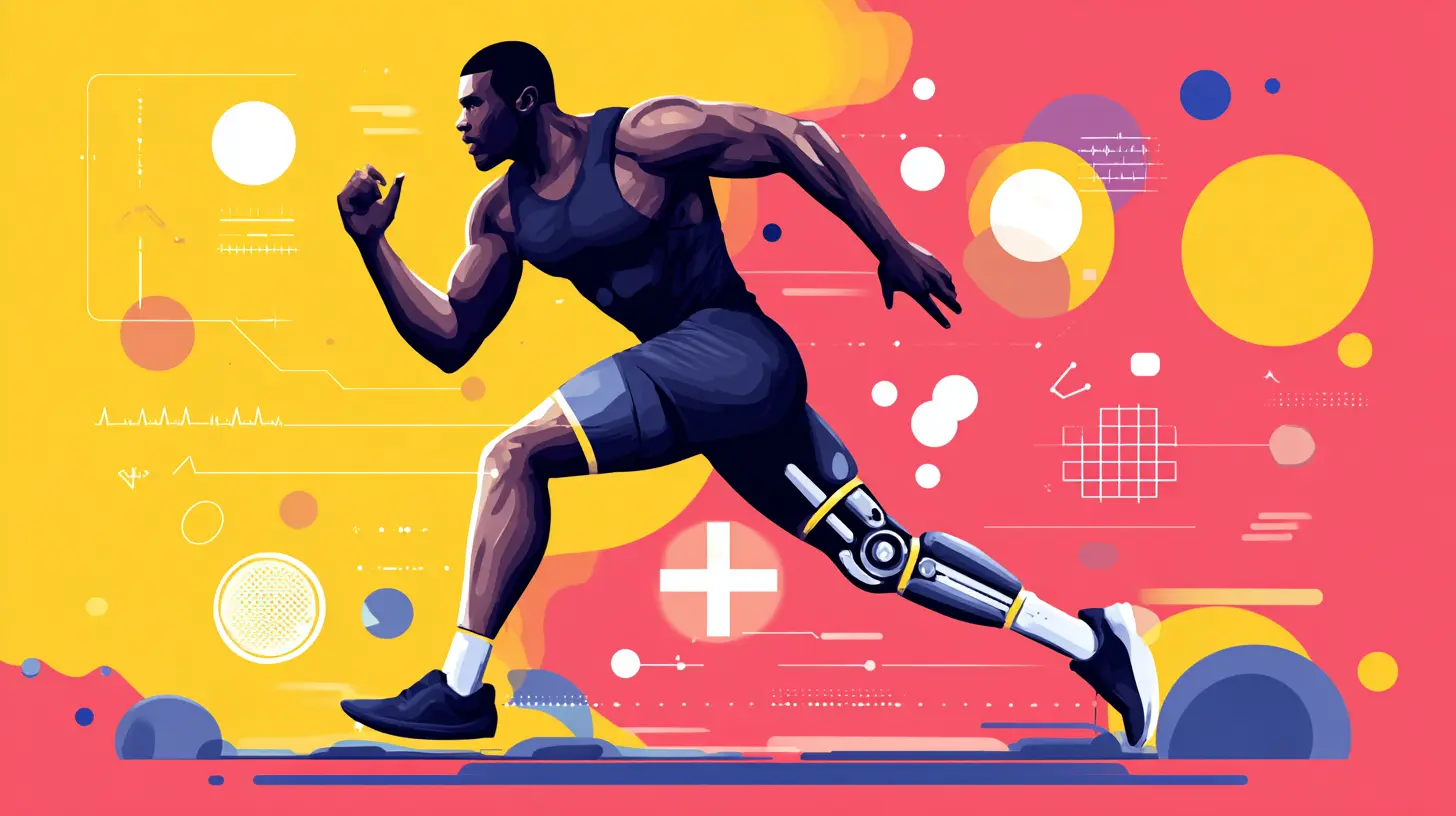
Common Mistakes in Biohacking for Sports Rehab
Despite the benefits of biohacking, there are common mistakes athletes make that can hinder their recovery.1. Overlooking Individual Needs
Not every biohacking technique will work for every athlete. It is crucial to tailor approaches based on individual circumstances, including the type of injury, sport, and personal preferences.2. Ignoring Professional Guidance
Many athletes may feel tempted to self-manage their recovery using biohacking methods without consulting professionals. This can lead to ineffective or even harmful practices. Working with a sports rehabilitation specialist or a coach can help ensure that chosen methods are appropriate and effective.3. Becoming Overly Reliant on Technology
While technology can provide valuable insights, it should not replace a fundamental understanding of one's body and needs. Athletes should balance the use of technology with intuitive self-assessment and physical feedback.Best Practices for Integrating Biohacking into Sports Rehabilitation
To effectively incorporate biohacking techniques into sports rehab, athletes should follow some best practices:1. Set Clear Goals
Establishing specific, measurable, achievable, relevant, and time-bound (SMART) goals can provide direction during the rehabilitation process. This can help athletes stay motivated and focused.2. Monitor Progress
Regularly tracking progress can help identify what strategies are working and what may need adjustment. This can include tracking physical metrics, nutrition, and mental health indicators.3. Embrace a Growth Mindset
Biohacking often involves experimentation. Athletes should approach their rehabilitation with an open mind, willing to try new techniques while also learning from setbacks.4. Collaborate with Experts
Engaging with sports rehabilitation professionals, nutritionists, and mental health specialists can enhance the effectiveness of biohacking approaches and ensure a well-rounded recovery.
The Future of Biohacking in Sports Rehab
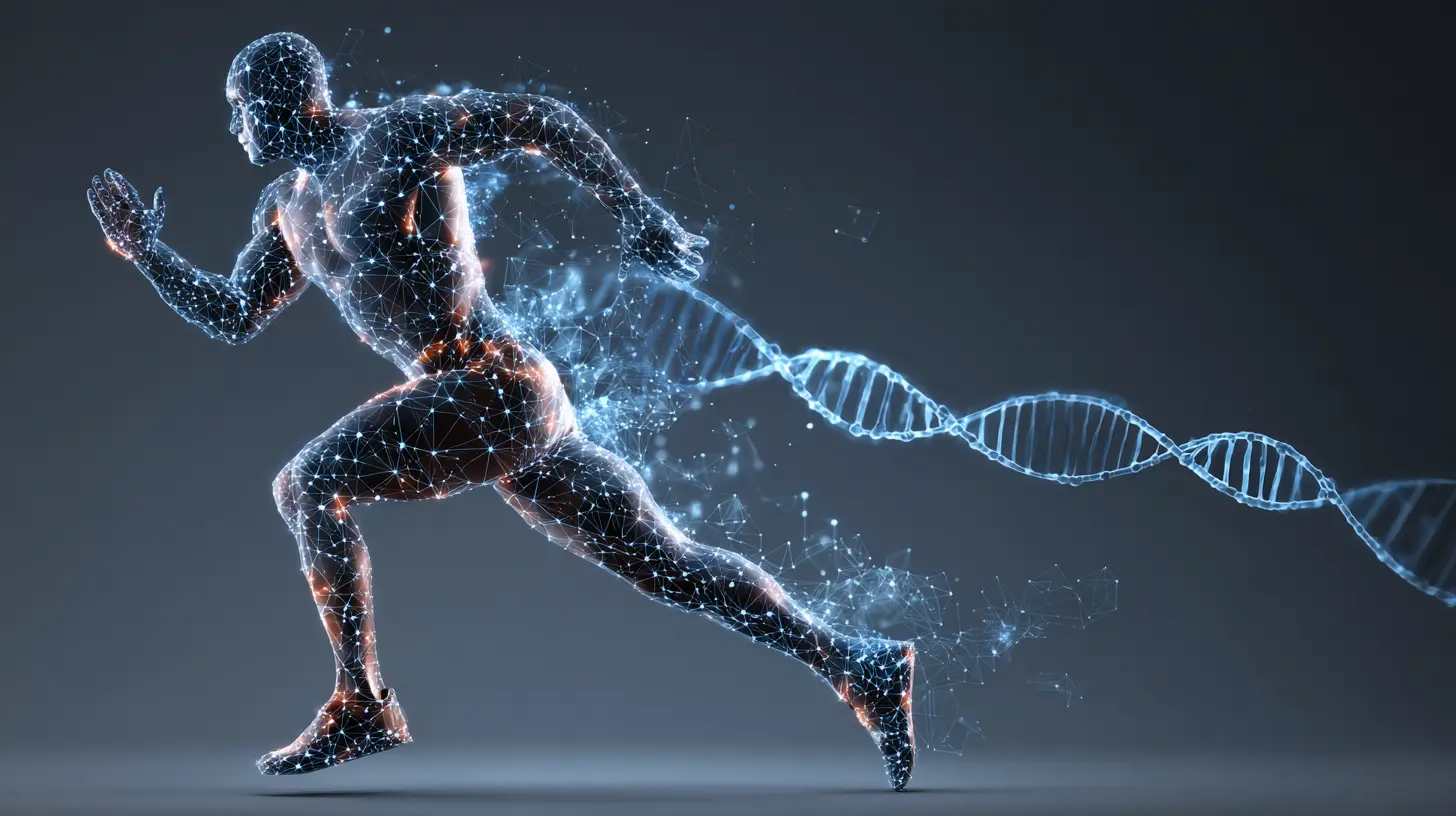
As technology continues to advance and our understanding of human biology deepens, the future of biohacking in sports rehab looks promising. Emerging fields like genetic testing, advanced biometrics, and neurotechnology are poised to bring about even more personalized strategies for recovery.Key Areas to Watch
- Genetic Insights: Understanding an athlete's genetic predisposition to injuries or recovery patterns could lead to more tailored rehabilitation approaches.- Neurotechnology: Devices that enhance cognitive function and motor skills could significantly impact rehabilitation, especially for athletes recovering from neurological injuries.
Conclusion
The biohacking revolution in sports rehabilitation offers exciting opportunities for athletes seeking to enhance their recovery and performance. By embracing a holistic approach that incorporates nutrition, technology, and mental training, athletes can optimize their rehabilitation journeys. However, it is crucial to personalize these strategies and seek professional guidance to avoid common pitfalls. As we move forward, the integration of advanced technologies and personalized methods is likely to reshape the landscape of sports rehab, making it more effective and athlete-centered.
all images in this post were generated using AI tools
Category:
Recovery And RehabAuthor:

Umberto Flores