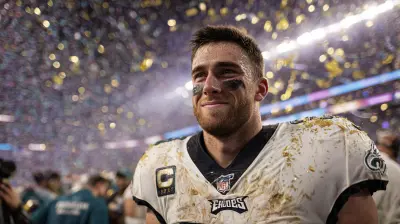
Fan Favorites Who Took Center Stage in 2027
9 October 2026
Every season writes its own story, but 2027 felt different. The athletes who commanded the biggest stages that year were not always the ones with the loudest reputations entering it. Some arrived as role players and left as household names. Others had been knocking on the door for years and finally walked through it. A few turned quiet markets into must-watch theater simply by showing up and refusing to fade.
This is not a list of the best players in the world. It is a study of why certain figures captured public imagination, how they did it, and what their rise tells us about the way sports stardom actually works. Call it a portrait of momentum, timing, and the strange alchemy that turns a good athlete into a fan favorite.
What Made 2027 Different
Fan favorites are usually born from one of three sources: unexpected excellence, unmistakable personality, or a narrative that fans can feel personally invested in. In 2027, all three collided more often than usual.The year's competitive landscape rewarded versatility. Leagues and tours that had spent years optimizing for specialists suddenly found value in players who could do several things well. That shift opened doors for athletes whose games did not fit neatly into one box. A guard who could defend three positions, a winger comfortable on either flank, a pitcher who could start and relieve. These were not new archetypes, but the market finally paid them properly.
Meanwhile, fan culture kept maturing. Supporters increasingly followed individuals rather than only teams. A breakout performance in a secondary market could travel around the world before the postgame interviews even ended. The result was a faster path from obscurity to recognition than at any point in recent memory.
The Breakout Guard Who Rewrote the Scouting Report
From Afterthought to Focal Point
When the season began, few analysts listed this player among the top prospects in his position group. He was undersized by conventional measurements and had spent his early career as a defensive specialist. What changed was not his body. It was his role.His team lost its primary ball handler to injury in the opening weeks, and the coaching staff handed him the keys out of necessity. He responded by averaging career highs in assists while cutting his turnover rate. The numbers mattered less than the effect. Teammates moved better when he was on the floor. Spacing improved. The offense stopped stalling.
Why Fans Embraced Him
There is a particular charm to a player who wins through intelligence rather than physical dominance. Fans recognize the effort because they can imagine themselves making similar choices. His game was readable. He made the simple pass, pressured the ball, and never seemed to force anything. That style ages well and travels well, which is why his popularity extended far beyond his team's home market.The Trade-Off Nobody Talks About
The risk with this kind of rise is expectation creep. Once a player proves he can run an offense, teams often ask him to score more, defend more, and lead more. That can work, but it can also dilute what made him effective. The best organizations resist the urge to overload a player simply because he exceeded projections. For readers evaluating similar situations, the lesson is straightforward: identify what a player does at an elite level and protect it before adding responsibilities.
The Veteran Who Finally Got the Spotlight
A Long Road With No Shortcuts
Not every fan favorite is young. One of the most beloved figures of 2027 was a veteran who had spent more than a decade as a reliable but uncelebrated contributor. He had never made an All-Star team. He had never been the face of a franchise. What he had was durability and a reputation among coaches as someone who made everyone around him better.That reputation finally reached the public when his team made a deep playoff run. His defensive communication, his willingness to take charges, and his calm in late-game situations became the story of the spring.
Why Longevity Resonates
Fans are drawn to players who persist. There is something deeply satisfying about watching someone succeed after years of quiet work, especially in a culture that often celebrates instant results. This is not sentimentality for its own sake. It reflects a real truth about sports: careers are long, and the players who last are usually the ones who adapt rather than resist.What Teams Should Take From It
Organizations consistently undervalue players whose contributions do not show up in highlight reels. The veteran's rise was not a fluke. It was the visible result of years of invisible value. Teams that build rosters around measurable production alone will keep missing these players. The practical recommendation is to weight coach and teammate evaluations more heavily than public perception, particularly for role players entering their late twenties.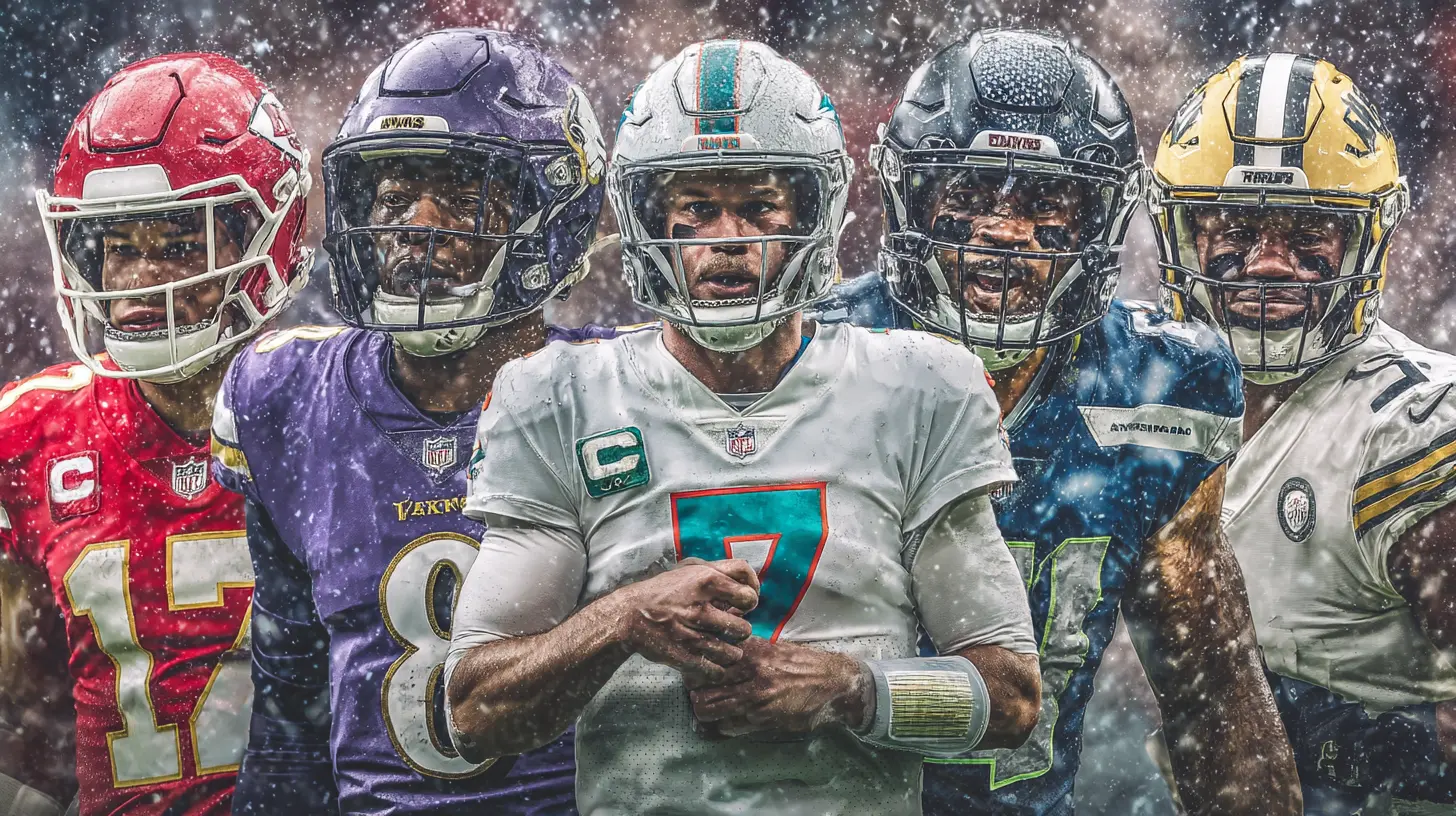
The Rookie Who Made a Small Market Feel Big
Instant Impact, Measured Expectations
Rookies rarely change a franchise in one season, but they can change how a franchise feels. That happened in 2027 when a first-year player in a smaller market turned a rebuilding team into appointment viewing. He was not the most polished prospect in his class. He was, however, the most watchable.His game had flaws. His shooting was streaky. His decision-making under pressure needed work. But his energy was contagious, and his highlight moments came in the flow of competition rather than in garbage time.
The Danger of Overhyping Youth
The temptation with a rookie like this is to project superstardom immediately. History suggests caution. Young players who arrive with enormous expectations often face a sophomore adjustment period as opponents study their tendencies. The ones who thrive are those whose teams build structure around them rather than asking them to carry everything alone.For fans, the healthier approach is to enjoy the growth without demanding a timeline. For teams, the priority should be skill development and load management, not marketing.
The Comeback Story That Refused to Be Sentimental
Injury, Doubt, and a New Approach
One of the year's most compelling figures was an athlete returning from a serious injury that many assumed would end his prime. He did not return as the same player. He returned as a different one, with a rebuilt shooting motion, a revised training regimen, and a clearer understanding of his own limits.That honesty about limitations was part of his appeal. He spoke openly about what he could no longer do and what he had learned to do instead. Fans responded because it felt real.
Why Reinvention Beats Restoration
Athletes and teams often chase a return to previous form. That goal is usually unrealistic and occasionally harmful. Reinvention is more durable. A player who adds a new skill to compensate for a lost one extends his career. A team that redesigns its system around current strengths rather than past ones stays competitive.The trade-off is patience. Reinvention takes time, and it requires coaches willing to tolerate early mistakes. Teams that demand immediate results will struggle with this approach.
The Defensive Specialist Who Became a Cultural Figure
Value Beyond the Box Score
Defense rarely sells tickets, but it can build legacies. In 2027, a defensive specialist became one of the most discussed players in his league, not because he scored more, but because his stops became moments. A blocked shot in the final minute. A steal that turned into a fast break. A possession where he simply refused to be beaten.The Analytics and the Eye Test
Modern evaluation tools have gotten better at measuring defensive impact, but they still miss context. A player who defends the opponent's best scorer every night carries a burden that does not always appear in raw numbers. Fans noticed. Analysts noticed. Award voters eventually noticed too.The lesson for teams is to avoid evaluating defenders purely through statistical proxies. The lesson for fans is that the most valuable players are not always the most statistically efficient ones.
The International Star Who Crossed Over
Global Game, Local Love
One of the defining stories of 2027 was the emergence of an international player who became a fan favorite in a market far from home. His game was distinctive, built on footwork and timing rather than raw athleticism. His personality was warm and unguarded. Within months, his jersey was everywhere.Why Adaptability Matters
International players often face a difficult adjustment period. The pace, the physicality, and the cultural expectations differ. The ones who succeed usually share a trait: they learn quickly and do not take themselves too seriously. That combination builds trust with teammates and affection with fans.What Teams Get Wrong
The most common mistake is treating international scouting as a search for novelty rather than a search for skill. The best international players are not curiosities. They are professionals whose games translate. Teams that scout for fit rather than spectacle will find more of them.
The Utility Player Who Became Indispensable
Everywhere at Once
Some fan favorites earn their status through sheer versatility. In 2027, one such player appeared at multiple positions, in multiple roles, and in every crucial moment. He was not the best at any single skill. He was good at all of them, and that made him impossible to replace.The Economics of Flexibility
Roster construction has become increasingly complex. Salary caps, injury risk, and matchup planning all reward flexibility. A player who can fill three roles effectively is worth more than the sum of his individual skills. This is why utility players are quietly among the most valuable assets in professional sports.When Versatility Becomes a Trap
There is a downside. Players who can do everything are sometimes developed into nothing in particular. Without a defined primary role, they can drift. The best coaches give versatile players a clear identity while still using them broadly. That balance is difficult but essential.The Personality Who Changed the Locker Room
Culture as a Competitive Advantage
Not every fan favorite is defined by statistics. One of the most influential figures of 2027 was a player whose impact was primarily cultural. He was the first to arrive, the last to leave, and the one who kept teammates accountable without creating resentment. Fans sensed it even without seeing it directly.The Limits of Intangibles
Culture matters, but it is not a substitute for talent. Teams that overvalue leadership without production tend to plateau. The healthiest rosters pair strong personalities with players who can actually perform. Intangibles amplify skill. They do not replace it.
What These Stories Have in Common
Timing and Opportunity
Every fan favorite in 2027 benefited from a moment when circumstances aligned. An injury opened a role. A trade created a need. A system changed and suddenly a skill set mattered. Talent alone was not enough. Opportunity was the multiplier.Authenticity and Consistency
Fans are remarkably good at detecting performance. Players who try too hard to be liked usually fail. The ones who succeed are consistent, honest about their strengths and weaknesses, and comfortable in their own skin.The Role of Teams
Organizations shape fan favorites more than they realize. A team that communicates clearly, develops patiently, and protects its players creates the conditions for popularity. A team that churns through roles and leaks frustration does the opposite.Common Mistakes Fans and Teams Make
Mistaking Popularity for Greatness
Being liked is not the same as being elite. Some fan favorites are genuinely among the best in their sport. Others are beloved for reasons that have little to do with winning. Both can coexist, but conflating the two leads to bad decisions.Chasing the Next Version of a Past Star
Teams often try to replicate a fan favorite by finding a similar player. This rarely works. The original succeeded because of a specific combination of context, timing, and personality. Copies tend to feel hollow.Ignoring Fit
A player who thrived in one system may struggle in another. Before signing or trading for a popular player, teams should ask whether the fit is real or imagined. Popularity does not guarantee compatibility.
Practical Advice for Readers
If you are evaluating players, whether for fantasy, analysis, or fandom, start with role clarity. Ask what a player is asked to do and whether he does it well. Then consider context. Is the team winning? Is the system supportive? Is the player healthy?If you are a coach or manager, protect your versatile players from role drift. Give them a primary identity and expand from there. Communicate expectations clearly.
If you are a fan, enjoy the stories without demanding a script. The best fan favorites are the ones who surprise us.
Looking Ahead
The stories of 2027 will echo for years. Some of these players will build on their breakout seasons. Others will fade as circumstances change. That is the nature of sports. What remains is the reminder that stardom is rarely a straight line. It is a mix of work, luck, and the willingness to be ready when the moment arrives.The fan favorites of 2027 took center stage not because they demanded it, but because they earned it, one possession at a time.
all images in this post were generated using AI tools
Category:
Season RecapsAuthor:

Umberto Flores