Finding the Right Golf Shoes for Comfort and Performance
6 January 2026
Choosing the perfect golf shoes isn't just about color or style—it’s about playing your best game while keeping your feet happy. If you've ever trudged through 18 holes with aching arches or soggy socks, you know this truth all too well.
In this guide, we’re going deep into what makes a golf shoe not just good, but great. Whether you're a weekend warrior or trying to shave strokes off your handicap, let’s find your fit—literally and figuratively.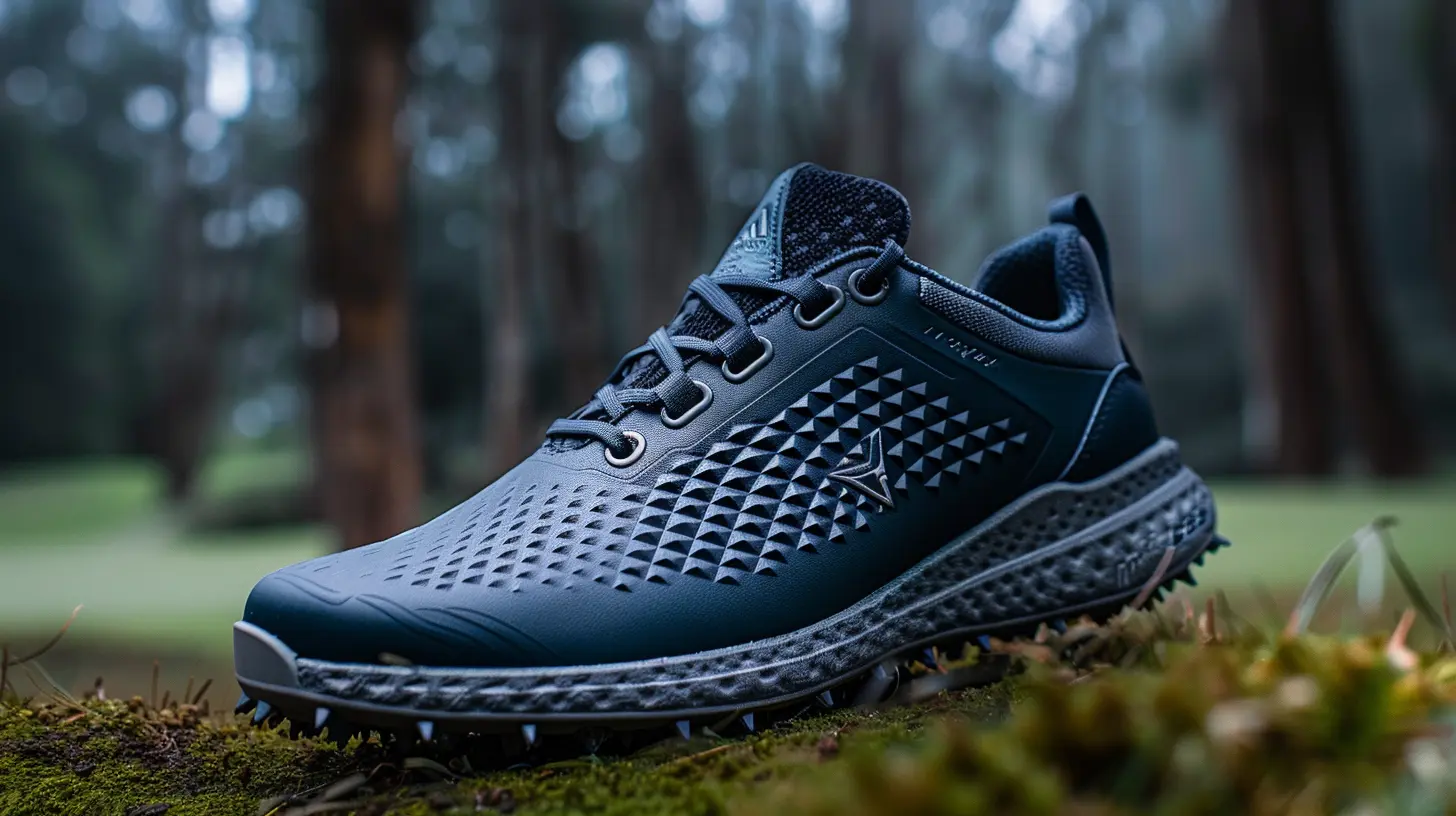
Why Golf Shoes Matter More Than You Think
You wouldn’t run a marathon in loafers, would you? Same goes for golf. A solid pair of golf shoes gives you stability during your swing, helps you keep your balance, and cushions your feet through miles of walking.And trust me, golf courses aren’t exactly short. You're clocking in 4-6 miles per round, depending on the course. Without proper footwear, it's a recipe for sore feet, poor performance, and a miserable back nine.
So yeah, golf shoes matter—a lot.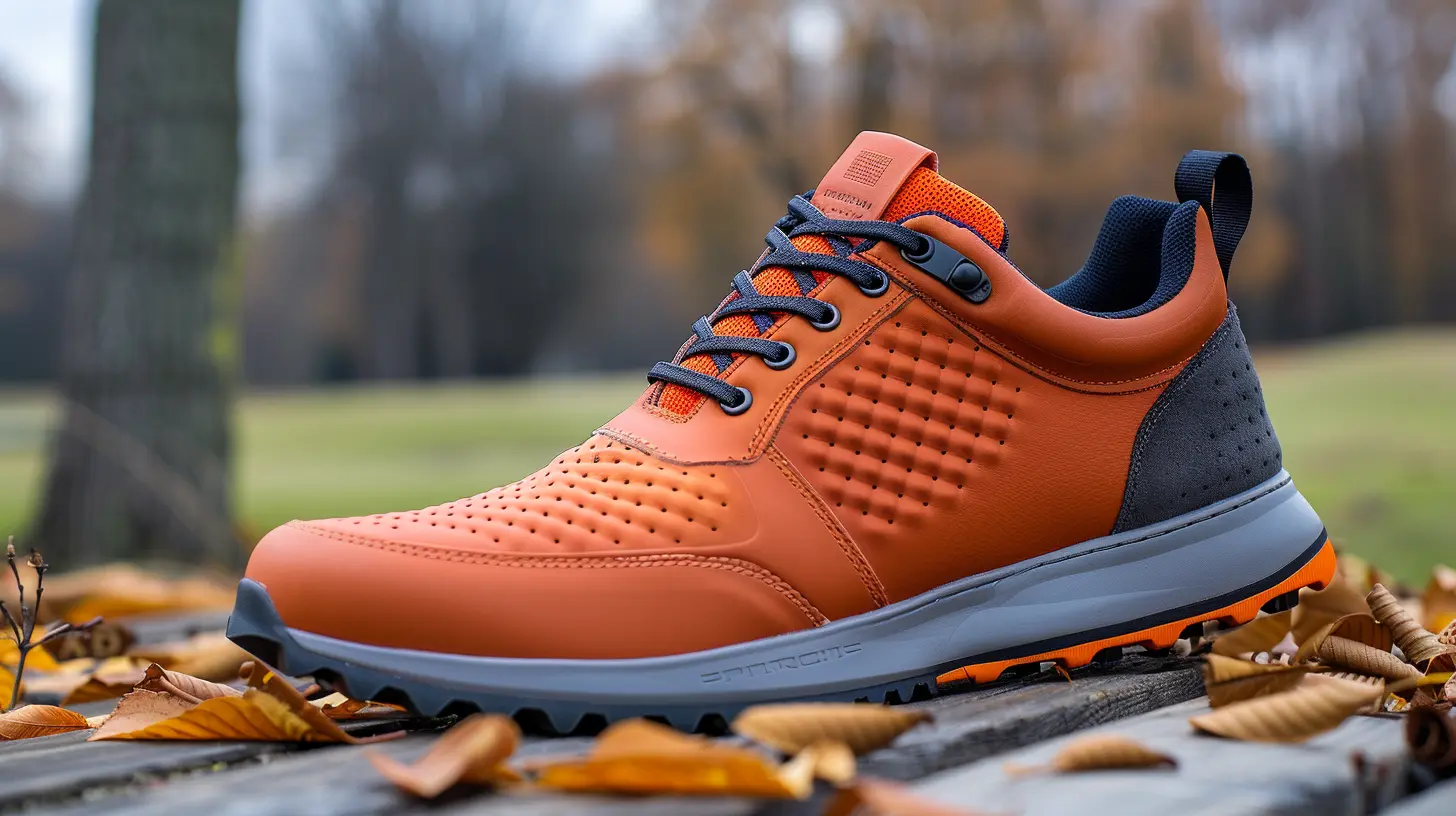
Comfort vs. Performance: Do You Really Have to Pick Just One?
Here’s the age-old struggle in every athlete’s mind: “Do I go for comfort or performance?” With golf shoes, you don’t have to choose. The best shoes are designed to strike a perfect balance.- Comfort is about cushioning, fit, breathability, and support.
- Performance is all about stability, traction, and swing support.
The goal? A shoe that hugs your feet like your favorite sneakers but performs like a pro-level cleat.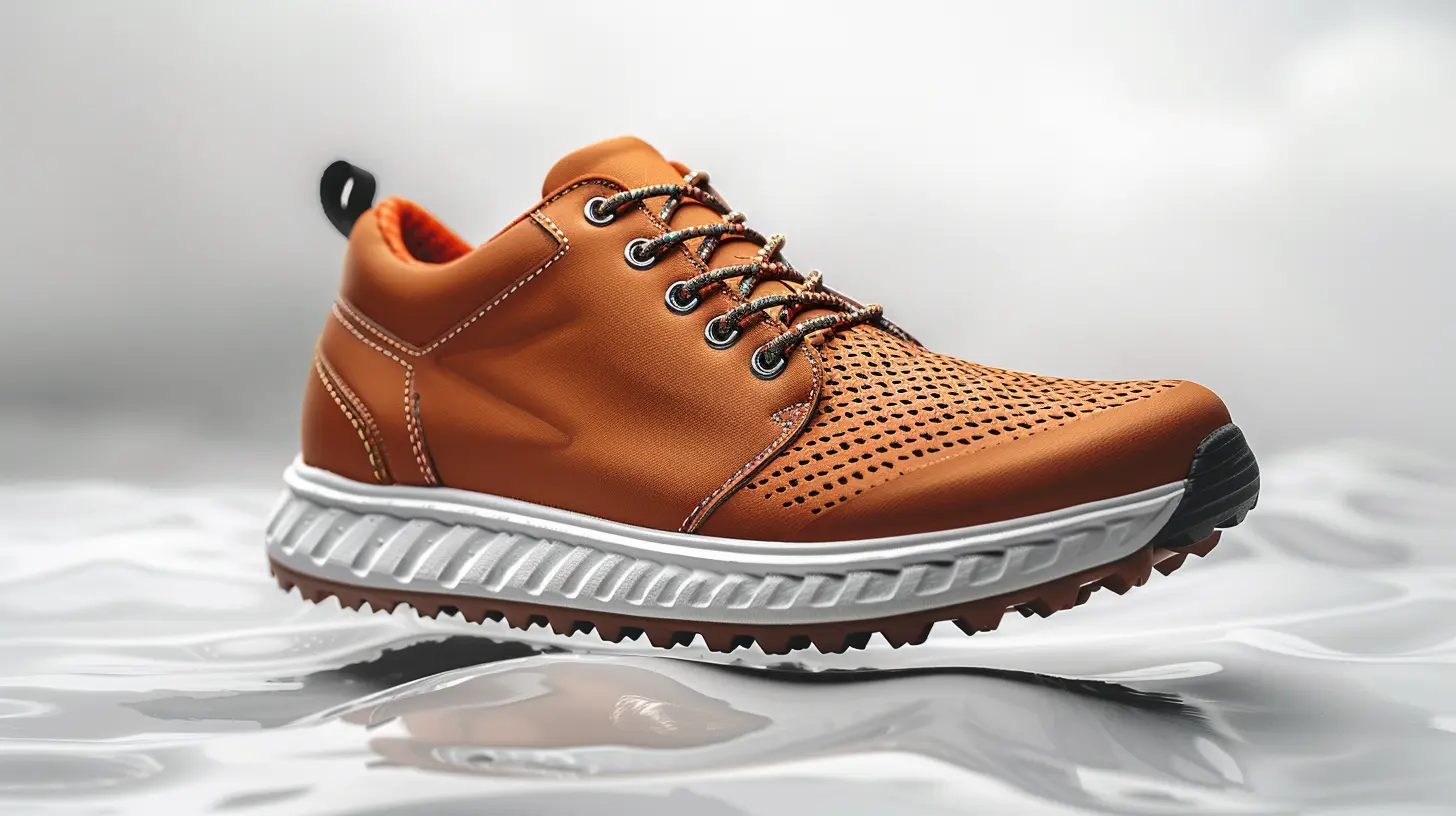
Key Features to Look For in Golf Shoes
1. Fit is King
First rule of buying golf shoes: If they don’t fit right, don’t buy them. Period.Shoes that are too tight lead to blisters and numbness. Too loose? You’ll be slipping around mid-swing. Look for a glove-like fit—snug but not constricting. Here are some quick fit-check tips:
- Make sure there’s about a thumb’s width of space at the toe.
- Your heel should stay in place without lifting.
- Try them on with the socks you normally wear while golfing.
2. Spiked vs. Spikeless: What’s Best for You?
Ah, the timeless debate.- Spiked golf shoes offer more stability, especially on wet or uneven ground. Great for hilly courses or early morning rounds.
- Spikeless shoes are lighter, more comfortable, and versatile—many can double as casual sneakers off the course.
If you're a power swinger or play in varied weather, go spiked. For the casual player—or those golfing in dry conditions—spikeless might be your jam.
3. Breathability and Waterproofing
It all comes down to climate and comfort. Hot summer rounds? You’ll want lightweight materials and ventilation. Playing in the early morning dew or unpredictable weather? Waterproof shoes are a must.Pro tip: Some shoes offer GORE-TEX or other waterproof liners without adding weight, so you don’t have to feel like you’re hauling around bricks on your feet.
4. Cushioning and Support
Golf shoes have come a long way. Today’s models often include high-tech cushioning systems—think memory foam or lightweight EVA midsoles.Why it matters:
- Prevents foot fatigue during long rounds.
- Protects joints from repetitive impact, especially knees and hips.
- Enhances overall stability when walking and swinging.
Look out for shoes with good arch support too, especially if you have flat feet or high arches.
5. Traction and Stability
You need your feet to stay planted during your swing. The best golf shoes provide grip without feeling like football cleats. This depends on:- Outsole design
- Spike configuration (for spiked)
- Rubber patterning (for spikeless)
Newer models even use rotational resistance zones to help prevent slipping during your backswing. Another example of tech making your life easier.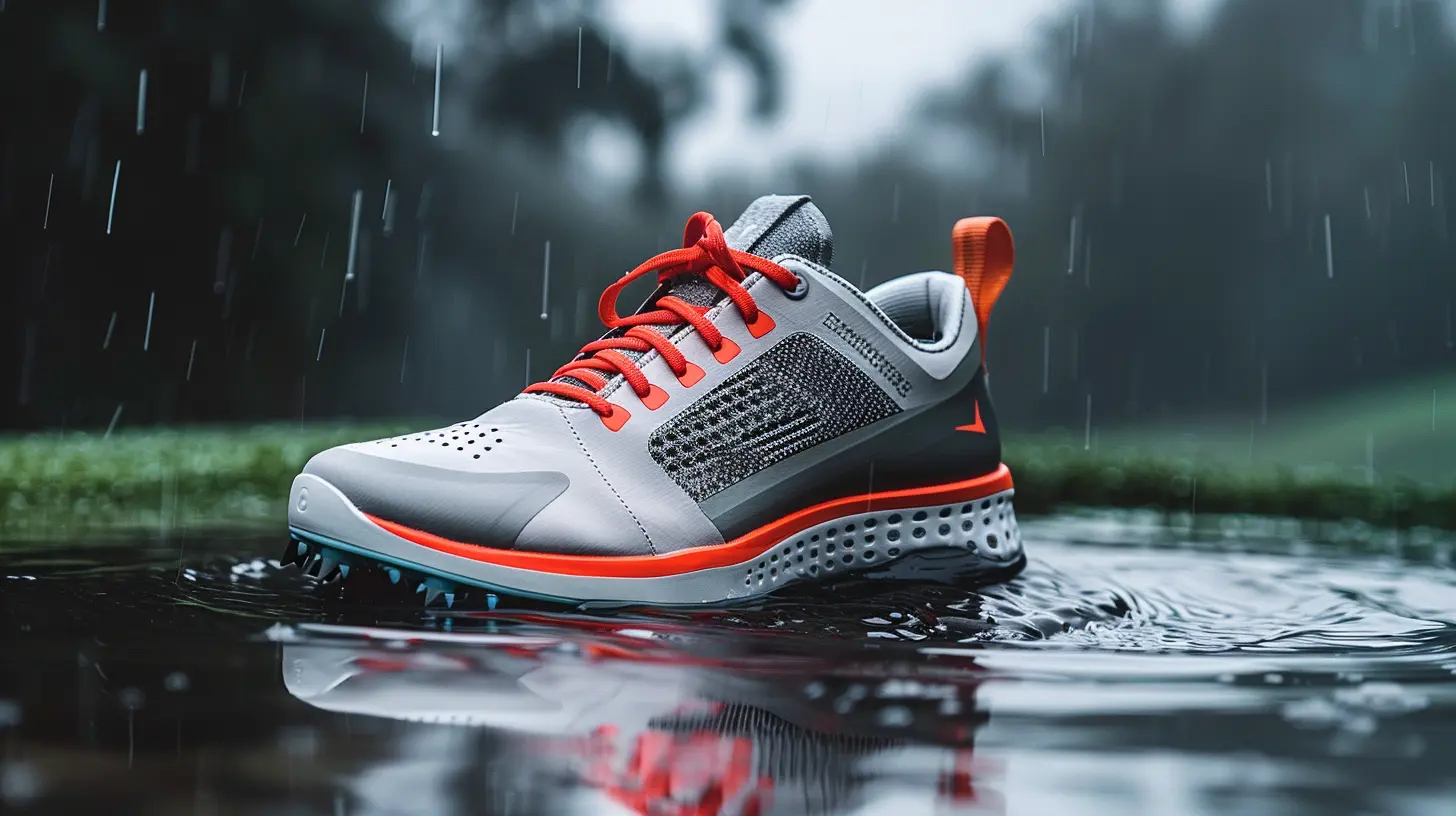
Best Golf Shoe Brands Worth Considering
Let’s break down a few top contenders and what they stand for:FootJoy
The OG of golf shoes. Known for their tour-level technology and premium comfort. If you want the full package and don’t mind spending some cash, FootJoy is a fan favorite.Features to expect:
- Excellent waterproofing
- Superior spiked options
- Tour-proven performance
Adidas
Adidas golf shoes are stylish, sneaker-inspired, and designed for athletes. Great for players who walk a lot and want that sporty comfort.Best for:
- Spikeless models
- Lightweight cushioning
- Casual-to-performance hybrid designs
Nike
Built for athleticism, Nike golf shoes cater to dynamic players with explosive swings. Stability, cushioning, and style—it’s all here.Why go Nike?
- Air Zoom and React foam tech
- Durable grip
- Modern, sporty designs
ECCO
They’re not cheap, but wow, are they worth it. ECCO is known for high-end materials, maximum comfort, and ultra-durable construction.Great for:
- Players prioritizing comfort
- Long-term value
- Waterproof protection
Under Armour
Craving tech? Under Armour brings innovation to your feet, with models backed by Jordan Spieth himself. Solid traction and a secure fit mean you’ll feel locked in every time.Matching Golf Shoes to Playing Conditions
Let’s get practical. What type of golfer are you?The Dew Sweeper (Early Bird)
You need waterproof shoes, period. Look for models with synthetic uppers and moisture-wicking liners so your feet stay bone dry.The Fair Weather Walker
You can lean into breathability and spikeless comfort. Rubber soles with good treads work fine on dry ground, and lighter shoes will help you walk 18 holes with ease.The All-Terrain Competitor
Play in all conditions? You’ll need a pair of each—or opt for hybrid models that blend lightweight design with spiked traction and water resistance.How Often Should You Replace Your Golf Shoes?
Most golfers keep shoes way too long. But like car tires, golf shoes wear down. Once the traction fades or the cushioning flattens out, your performance takes a hit.Here’s a simple rule of thumb:
- Golf once a week? Replace every 18-24 months.
- Play 3+ times per week? Consider new shoes every 9-12 months.
Your feet deserve better than crusty soles and cracked leather.
Don’t Forget About Style
Let’s be real—golf is one of the few sports where you can flex a little fashion flair. If you’re investing $100+ in golf shoes, you better love how they look.Choose a pair that fits your vibe:
- Classic leather for the traditionalist.
- Modern knit for the sporty crowd.
- Bold colors for the attention grabber.
Just don’t forget function over form. Looks don’t help if your feet are hurting by hole 7.
Final Thoughts: Your Golf Game Starts at Ground Level
The right golf shoe doesn’t just elevate your outfit—it enhances your entire experience. Ask any seasoned player and they’ll tell you: the wrong shoes can ruin a round.So take the time to try a few pairs. Walk around. Swing a club if possible. It might seem like a small detail, but in golf, small things make big differences.
Your feet, swing, and scorecard will thank you later.
TL;DR: What to Remember
- Fit is everything – snug but comfortable.- Spiked vs. Spikeless depends on your priorities and course conditions.
- Waterproofing is essential for early or wet rounds.
- Cushioning & support = all-day comfort.
- Replace shoes regularly to avoid worn-out soles sabotaging your game.
- Look good, feel good, play great.
all images in this post were generated using AI tools
Category:
GolfAuthor:

Umberto Flores
Discussion
rate this article
2 comments
Zeno Butler
Looking for the perfect golf shoes? It's like searching for the Holy Grail! Comfort meets performance, but don't forget style—nobody wants to be that golfer with the clashing shoes. Just remember: happy feet lead to happy swings! Tee up in style and comfort! ⛳️👟
February 19, 2026 at 12:19 PM
Umberto Flores
Absolutely! Finding the right golf shoes is essential for both comfort and style, ensuring a great game all around. Happy feet truly do lead to better swings! ⛳️👟
Bear Henson
Choosing the right golf shoes significantly impacts both comfort and performance, as they enhance stability, support, and overall enjoyment of the game.
January 7, 2026 at 3:25 AM
Umberto Flores
Absolutely! The right golf shoes are essential for optimizing comfort and performance on the course.