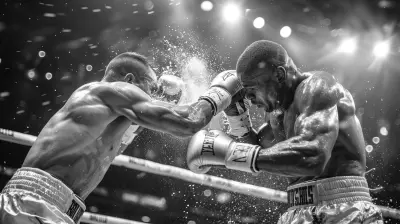
From Bust to Boom: Players Who Revived Their Career After a Trade
13 November 2026
In professional sports, a player's career can take many twists and turns. A trade can be a pivotal moment, transforming a struggling athlete into a star. This article delves into the stories of players who faced adversity, only to thrive after changing teams. We will also explore the dynamics behind these transformations, the critical factors for success, and the lessons that can be drawn from their experiences.
The Landscape of Professional Sports Trades
Before diving into the individual stories, it's essential to understand the context in which trades occur. In professional sports, trades often happen for various reasons:1. Team Strategy: Teams may trade players to realign their rosters based on performance, injuries, or future prospects.
2. Salary Cap Management: Financial considerations can lead to trades aimed at balancing salary cap constraints.
3. Player Development: A fresh start in a new environment can sometimes unlock a player's potential.
Traded players often face a unique set of psychological and professional challenges that can influence their performance. The pressure to perform and the need to adapt to a new system can be daunting, but for some, this pressure can ignite a renewed sense of purpose.
Case Study 1: Allen Robinson - From Chicago to Los Angeles
Allen Robinson, an NFL wide receiver, faced challenges during his time with the Chicago Bears. Despite his talent, he struggled with consistency and production. However, his trade to the Los Angeles Rams in 2022 marked a turning point.Factors Behind the Revival
1. Quarterback Connection: Joining a team with a proven quarterback like Matthew Stafford provided Robinson with the opportunity to thrive. Quarterback-receiver chemistry is critical; a reliable quarterback can elevate a player's game.2. Offensive Scheme: The Rams' offense, under head coach Sean McVay, is known for its creativity and adaptability. Robinson found himself in a system that maximized his skills, allowing him to showcase his route-running and catch ability.
3. Cultural Shift: The change in environment uplifted Robinson's mindset. Being part of a winning culture reinvigorated his passion for the game, which is often overlooked when analyzing player performance.
Lessons Learned
Robinson's journey illustrates the importance of fit in a player's career. When considering a trade, players must assess how their skills align with the new team's system and leadership.
Case Study 2: Chris Paul - A Phoenix Rising
Chris Paul, a veteran NBA point guard, has had a storied career, but his trade to the Phoenix Suns in 2020 marked a significant resurgence. After years of playoff disappointments, Paul's move had a profound impact.Factors Behind the Revival
1. Leadership Role: Paul brought veteran experience to a young Suns team. His leadership was crucial in developing younger players like Devin Booker and Deandre Ayton. A strong leader can elevate a team's performance through mentorship and strategic thinking.2. System Fit: The Suns' system, focused on ball movement and spacing, aligned perfectly with Paul's playmaking ability. Adapting to a system that highlights a player's strengths can lead to drastic improvements.
3. Team Chemistry: The camaraderie and shared goals among the Suns players fostered an environment where Paul could thrive. Chemistry is vital; players must trust and understand each other to maximize team potential.
Lessons Learned
Paul's case highlights the value of leadership and adaptability. Players who can integrate into a team's culture and inspire their teammates often find new life in their careers.
Case Study 3: J.D. Martinez - From Detroit to Boston
J.D. Martinez's trade from the Detroit Tigers to the Boston Red Sox in 2017 is a prime example of how a change of scenery can lead to explosive results. Martinez had already shown promise but truly broke out after joining the Red Sox.Factors Behind the Revival
1. Coaching Influence: Martinez benefited from a coaching staff that prioritized player development. The Red Sox's approach to hitting and understanding analytics helped him refine his swing and approach at the plate.2. Supportive Environment: Joining a competitive team with a winning mindset removed pressure and allowed Martinez to focus on his game. An encouraging environment can help players push through slumps and rediscover their potential.
3. Health and Fitness: The rigorous training and nutritional regimen in Boston allowed Martinez to maintain peak performance. Player health and fitness play a crucial role in sustaining high-level performance.
Lessons Learned
Martinez's story underscores the importance of a supportive environment and the right coaching. Players should consider the training facilities and coaching philosophies of potential teams during a trade.Common Misconceptions About Trades
When discussing trades, several misconceptions arise that can influence a player's perspective and decision-making:1. A Trade Equals Failure: Many players view a trade as a sign of failure. However, it can often be an opportunity for growth and improvement. A change can provide the fresh start needed to overcome previous limitations.
2. All Trades Are Equal: Not all trades offer the same potential for success. The factors influencing a player's revival post-trade-system fit, team culture, and coaching-vary significantly between teams.
3. Immediate Impact Is Guaranteed: While some players excel immediately after a trade, others may take time to adjust. Patience is essential. Understanding that success may not come overnight is crucial for players adapting to new environments.
Factors to Consider Before a Trade
For players contemplating a trade, several factors are critical to ensuring a successful transition:1. Team Culture: Evaluate the culture of the new team. A positive environment can foster growth, while a toxic atmosphere can hinder performance.
2. Coaching Style: Investigate how the coaching staff utilizes players. A coach who emphasizes skill development can drastically influence a player's career.
3. Player Development Resources: Consider the facilities and support systems available. Access to sports science, nutritionists, and trainers can significantly impact performance levels.
4. Personal Goals and Aspirations: Reflect on personal career goals. Does the new team align with aspirations for individual success and team achievements?
5. Contractual Considerations: Understand the financial implications of a trade. A new contract can offer security but might also come with heightened expectations.
Best Practices for a Successful Transition
1. Conduct Research: Players should thoroughly research the new team, including its history, culture, and potential for success. Knowing what to expect can smooth the transition.2. Build Relationships Early: Establishing connections with new teammates and coaches can ease the adjustment period. Building rapport fosters trust and enhances teamwork.
3. Stay Open-Minded: Embrace change with a positive attitude. Flexibility and a willingness to adapt are essential traits for any player facing a new chapter.
4. Focus on Skills Development: Continue to refine skills even after the trade. Staying committed to improvement can lead to greater success in the new environment.
5. Seek Support: Lean on family, friends, and mentors during the transition. A strong support system can provide guidance and encouragement.
Conclusion
The stories of players like Allen Robinson, Chris Paul, and J.D. Martinez illustrate that a trade can be a catalyst for renewed success in professional sports. Understanding the factors behind these transformations can offer valuable insights for players navigating similar situations. Whether through the right fit, leadership, coaching, or a supportive environment, the potential for growth is often immense.As players consider their futures, they should focus on the aspects that can lead to success after a trade. By being proactive and understanding what it takes to thrive in a new environment, athletes can turn what might seem like a setback into an opportunity for a career resurgence.
all images in this post were generated using AI tools
Category:
Big TradesAuthor:

Umberto Flores