From Classic to Cutting-Edge: A Look at Stadium Architecture Trends
19 June 2026
When we think about sports, our minds often leap to the athletes, the fans, and the unforgettable moments in the game. But have you ever stopped to marvel at the stadiums where these unforgettable moments take place? These massive structures serve as the stage for some of the most exciting spectacles in the world. But there's more to them than just seats and scoreboards. Stadium architecture has evolved dramatically over the years, blending aesthetics, technology, and functionality in ways that enhance both the game-day experience and the overall urban landscape.
From the stone and mortar coliseums of the ancient world to the futuristic, tech-infused arenas of today, stadium architecture has come a long way. Let’s take a deep dive into how it all started, where it’s going, and what trends are shaping the stadiums of the future.
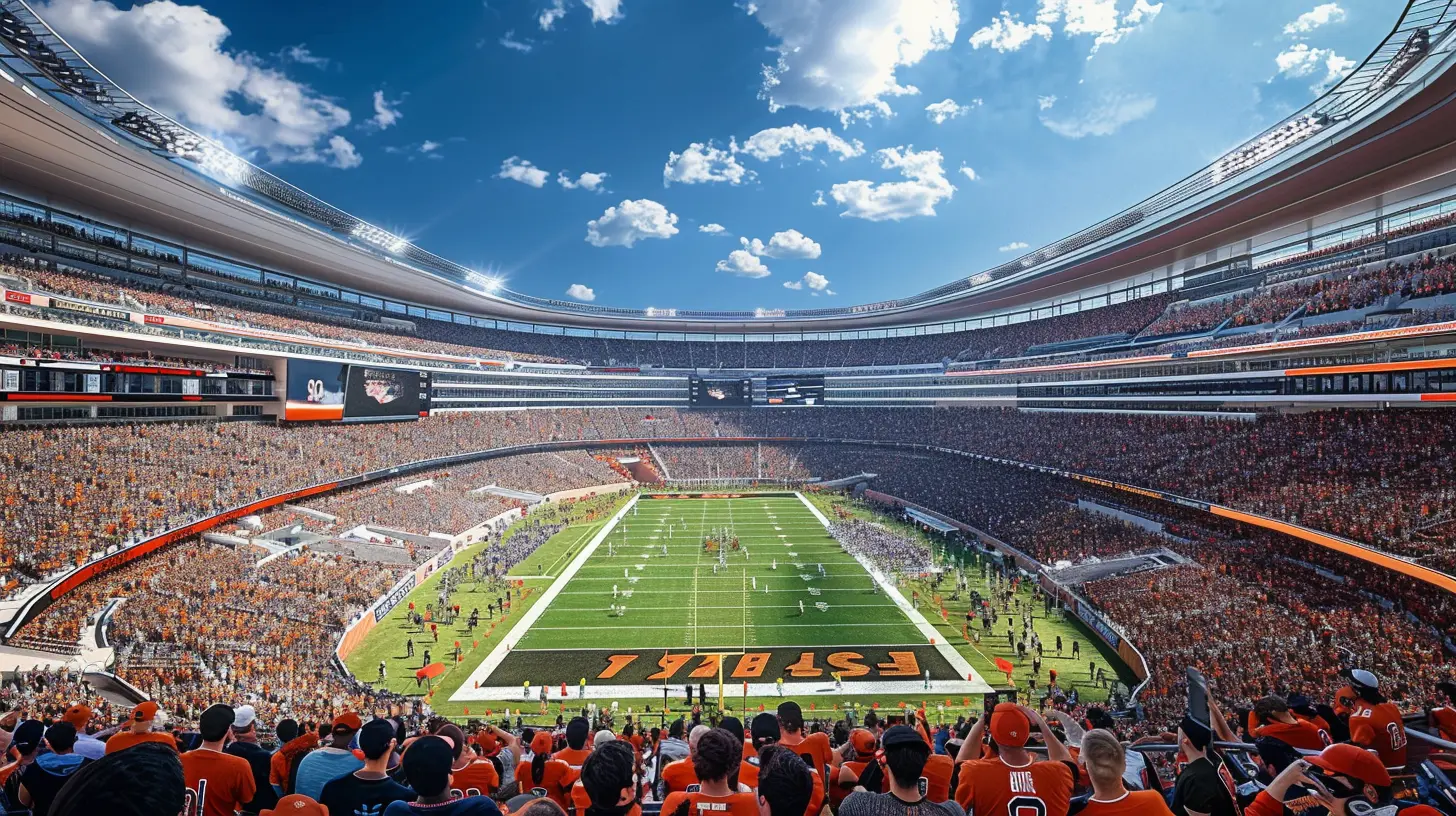
A Brief History of Stadium Architecture
Before we jump into the cutting-edge trends, we need to go back in time. Stadium architecture, like many forms of design, has its roots in antiquity. The ancient Greeks and Romans knew a thing or two about creating massive, awe-inspiring arenas. Just look at the Colosseum in Rome – it's still standing after nearly 2,000 years, and it was designed to hold 50,000 spectators. Talk about timeless design!These early stadiums were built primarily for durability and capacity. Stone and concrete were the materials of choice, with little consideration for comfort or the fan experience. After all, you didn’t exactly need cup holders in the age of gladiator battles. But as sports evolved, so did the architecture.
The Rise of Modern Stadiums
Fast forward to the 20th century, and stadium design took a major leap forward. The emphasis shifted from sheer size and durability to creating a more enjoyable experience for fans. Iconic venues like Fenway Park in Boston (opened in 1912) and Wembley Stadium in London (opened in 1923) set the stage for what a "modern" stadium could be. These stadiums offered better visibility for fans, more amenities, and a more cohesive integration with their surroundings.As technology advanced, so did stadium design. The rise of steel and reinforced concrete allowed for larger, more complex structures. Air conditioning, better seating arrangements, and improved concessions became the norm. But it wasn’t until the latter half of the 20th century that we really started to see stadiums as architectural marvels rather than just functional spaces.
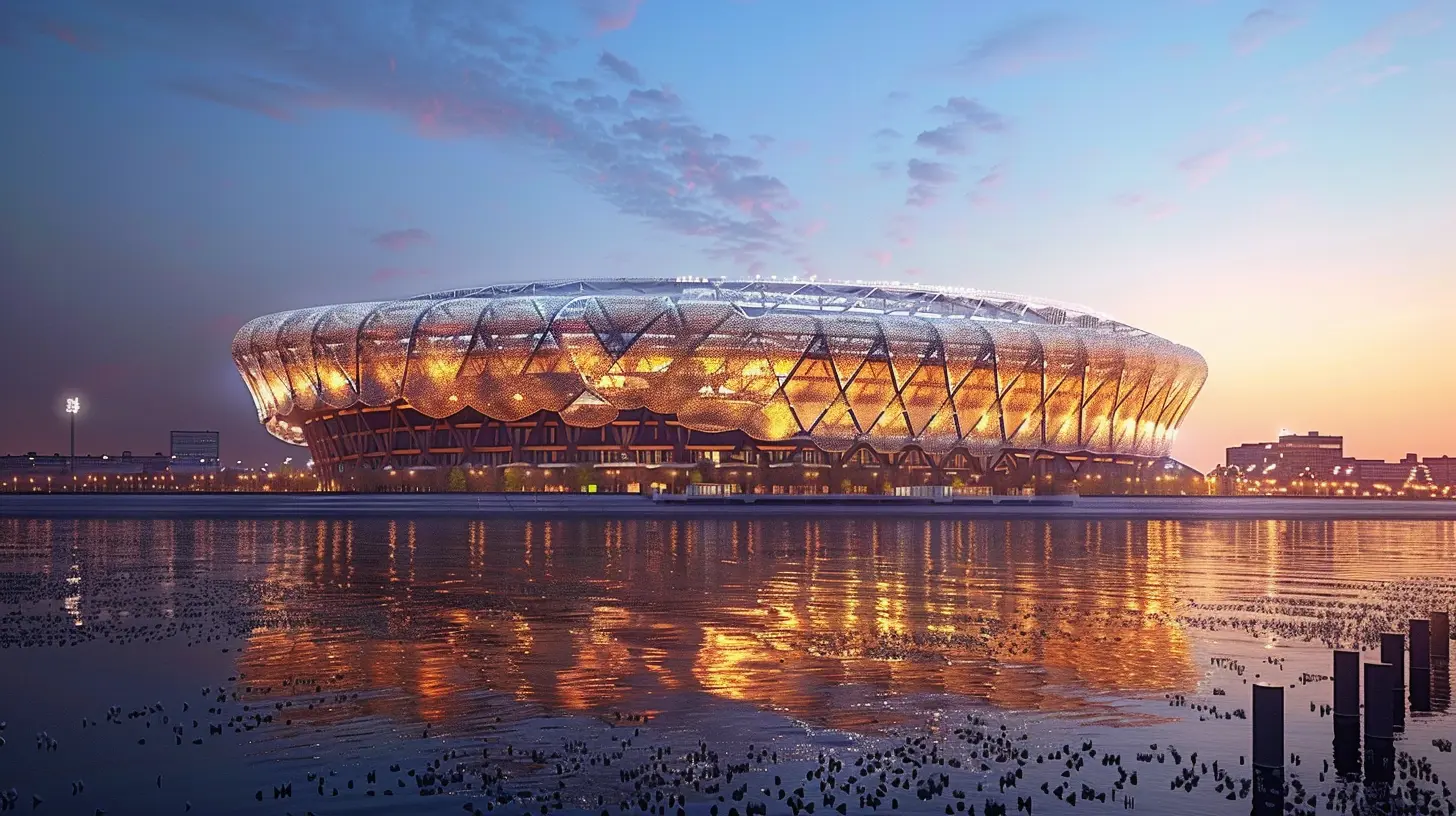
Current Trends in Stadium Architecture
Today, stadium architecture is as much about creating community spaces and enhancing fan experiences as it is about the games themselves. The current trends are all about innovation, sustainability, and connectivity. Let’s break down some of the most exciting trends shaping the stadiums of today and tomorrow.1. Sustainability: Going Green
Sustainability isn’t just a buzzword—it’s becoming a core principle of stadium architecture. As concerns about climate change grow, architects and developers are finding ways to make these massive structures more eco-friendly.Many modern stadiums are designed with energy efficiency in mind, incorporating solar panels, rainwater harvesting systems, and green roofs. Take Levi’s Stadium in Santa Clara, California, for example. It’s one of the most sustainable sports venues in the world, with solar panels on the roof, a reclaimed water system, and energy-efficient lighting.
This isn’t just good for the planet—it’s good business. Sustainability efforts can reduce operational costs in the long run, and fans are increasingly drawn to venues that take environmental responsibility seriously.
2. Multi-Purpose Spaces: More Than Just a Game
Gone are the days when a stadium was only used for sporting events. Now, stadiums are becoming multi-purpose spaces that can host concerts, conferences, and even community events. This trend toward versatility is being driven by the need to maximize the use of these expensive structures.Take the Mercedes-Benz Stadium in Atlanta. It’s not just home to the Atlanta Falcons and Atlanta United FC; it’s also a popular venue for concerts, conventions, and even esports tournaments. The stadium's retractable roof and flexible seating arrangements make it possible to host a wide variety of events.
By creating spaces that are adaptable, architects are ensuring that stadiums remain profitable and relevant year-round, not just during the sports season.
3. Fan Experience: Immersive Technology
When it comes to the fan experience, technology is king. Stadiums aren’t just places to watch a game anymore—they’re immersive, interactive environments designed to keep fans engaged from the moment they walk through the gates.One of the biggest trends in stadium design is the integration of smart technology. From mobile ticketing and in-app food orders to augmented reality (AR) experiences, stadiums are using tech to enhance every aspect of the fan experience. The SoFi Stadium in Los Angeles, for instance, offers a 360-degree video board that wraps around the entire stadium, providing fans with real-time stats, replays, and interactive content.
Wi-Fi connectivity is also becoming a must-have in modern stadiums. Fans expect to be able to share their experiences on social media, check scores, and even stream live content from different angles. The challenge for architects is to integrate this technology seamlessly without disrupting the aesthetics or functionality of the stadium.
4. Iconic Design: Making a Statement
Stadiums are more than just places to watch sports—they’re often iconic landmarks that define a city’s skyline. As a result, architects are focusing on creating stadiums that are not only functional but also visually stunning.Look no further than the Allianz Arena in Munich, Germany. Its exterior is made up of over 2,800 inflatable plastic panels that can change color depending on the event. At night, the stadium lights up like a glowing UFO, creating a striking visual landmark that’s recognizable worldwide.
Similarly, the Bird’s Nest stadium in Beijing, designed for the 2008 Olympics, is a marvel of modern architecture. Its intricate steel lattice design is both functional and aesthetically unique, making it one of the most photographed stadiums in the world.
In many cases, these bold designs are also used to reflect the culture and history of the city or country. For instance, the Al Janoub Stadium in Qatar, designed for the 2022 FIFA World Cup, features a roof inspired by the sails of traditional dhow boats, a nod to the country’s maritime history.
5. Accessibility and Inclusivity
In recent years, there’s been a greater focus on designing stadiums that are accessible to everyone, regardless of physical ability. This includes everything from providing wheelchair-accessible seating to ensuring that concourses and restrooms are designed with inclusivity in mind.Stadiums like Tottenham Hotspur Stadium in London have set new standards for accessibility, offering features like sensory rooms for fans with autism, audio-descriptive commentary for visually impaired fans, and accessible seating throughout the stadium. These changes are making it easier for everyone to enjoy the thrill of live sports, regardless of their physical or mental abilities.
6. Urban Integration: Stadiums as Community Hubs
Another growing trend in stadium architecture is the idea of integrating stadiums into the urban fabric of a city. Rather than building these massive structures on the outskirts, developers are increasingly placing them in the heart of cities, where they can serve as community hubs.Stadiums like T-Mobile Park in Seattle are designed to blend seamlessly into the surrounding neighborhood. These stadiums often include public spaces like parks, restaurants, and retail outlets, encouraging people to visit even when there’s no game on. This not only makes the stadium more profitable but also helps revitalize urban areas.

The Future of Stadium Architecture
So, what’s next for stadium architecture? While it’s impossible to predict the future with total accuracy, there are a few key trends that are likely to shape the stadiums of tomorrow.1. Smart Stadiums: The Internet of Things (IoT)
As technology continues to evolve, we can expect stadiums to become even smarter. Imagine a stadium where your seat automatically adjusts to your preferred comfort level, where you can order food and merchandise with a wave of your hand, and where real-time data is fed directly to your smartphone. The Internet of Things (IoT) will make all of this possible.2. Virtual and Augmented Reality
VR and AR technology will likely play a bigger role in the fan experience moving forward. Imagine being able to experience games from the perspective of the players or using AR to see real-time stats and replays layered over the live action. These technologies have the potential to revolutionize how we experience sports.3. Hyper-Connected, Sustainable Spaces
As sustainability becomes more of a priority, future stadiums will likely be even more energy-efficient, perhaps even carbon-neutral. We might see more stadiums powered entirely by renewable energy, with integrated systems that recycle everything from water to food waste.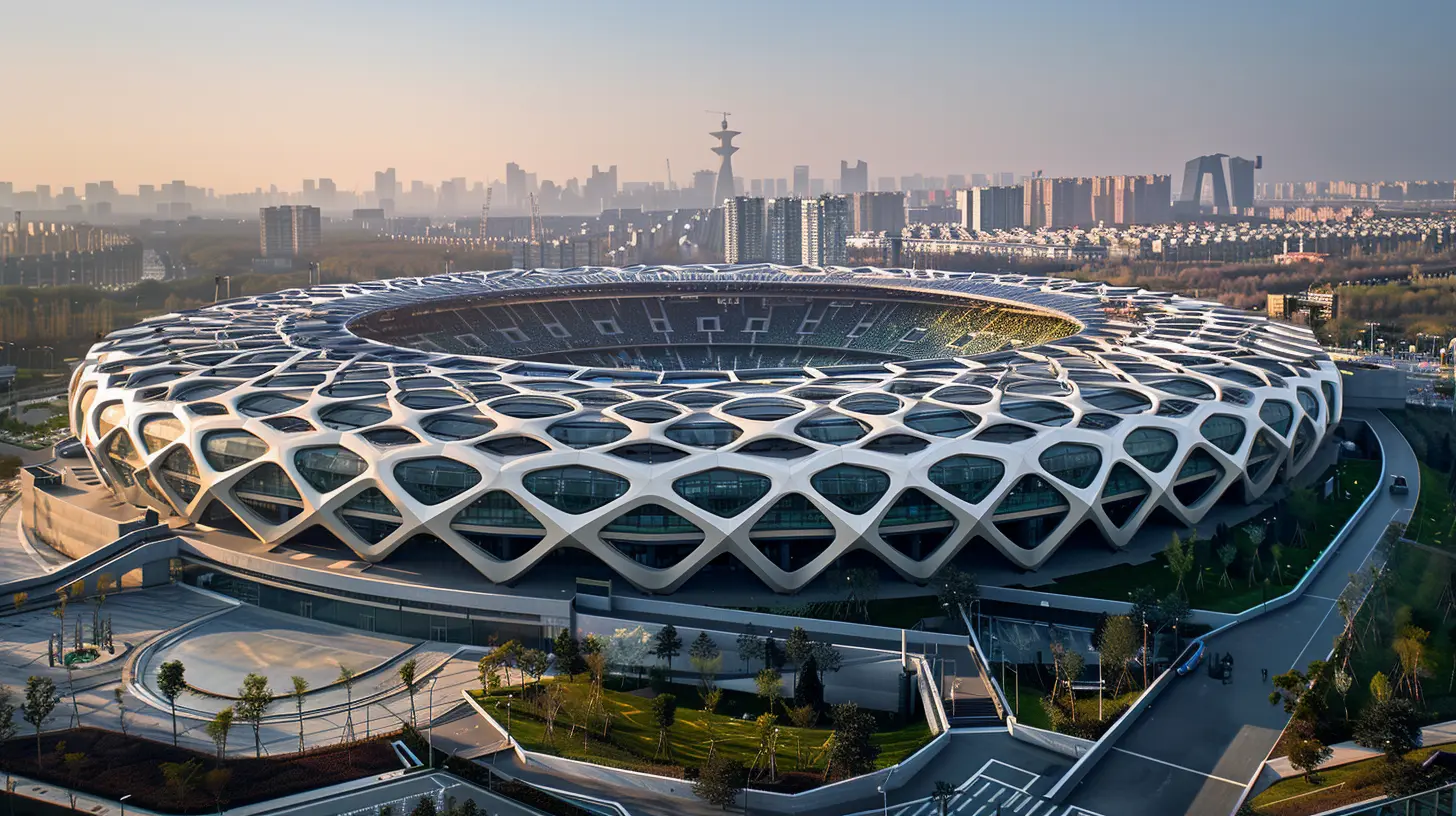
Conclusion
From ancient stone coliseums to tech-driven, eco-friendly arenas, stadium architecture has come a long way. And it’s not done evolving. As trends like sustainability, technology integration, and urban revitalization continue to shape the future of stadium design, one thing is clear: the stadiums of tomorrow will be about more than just sports. They’ll be immersive, multi-purpose spaces that reflect the culture, values, and technological advancements of their time.So, next time you’re at a game, take a moment to look around and appreciate the architecture. Who knows? You might just be standing inside a piece of history.
all images in this post were generated using AI tools
Category:
StadiumsAuthor:

Umberto Flores
Discussion
rate this article
1 comments
Carla Weber
Stadiums: Where style meets the game!
June 22, 2026 at 11:47 AM