From Fantasy to Reality: How Sports Simulations Are Improving Training
2 July 2026
Let’s face it—what used to be fantasy is now rapidly becoming a core part of reality, especially in the world of sports. Gone are the days when simulations were just high-tech toys or relegated to video games. Today, they’re powerful training tools that are rewriting the playbook on how athletes prepare, perform, and perfect their craft.

Welcome to the Future of Sports Training
Imagine stepping into a virtual stadium where every element—from wind resistance to your opponent’s tactics—is replicated down to scientific precision. Sounds like something out of a sci-fi movie, right? But here's the kicker: this is already happening.Sports simulations are transforming the way athletes train, strategize, and recover. Whether you're a coach looking for that competitive edge or an athlete searching for smarter ways to hone your skills, simulations offer an immersive, data-driven, and shockingly realistic experience that traditional training just can't match.
What Exactly Are Sports Simulations?
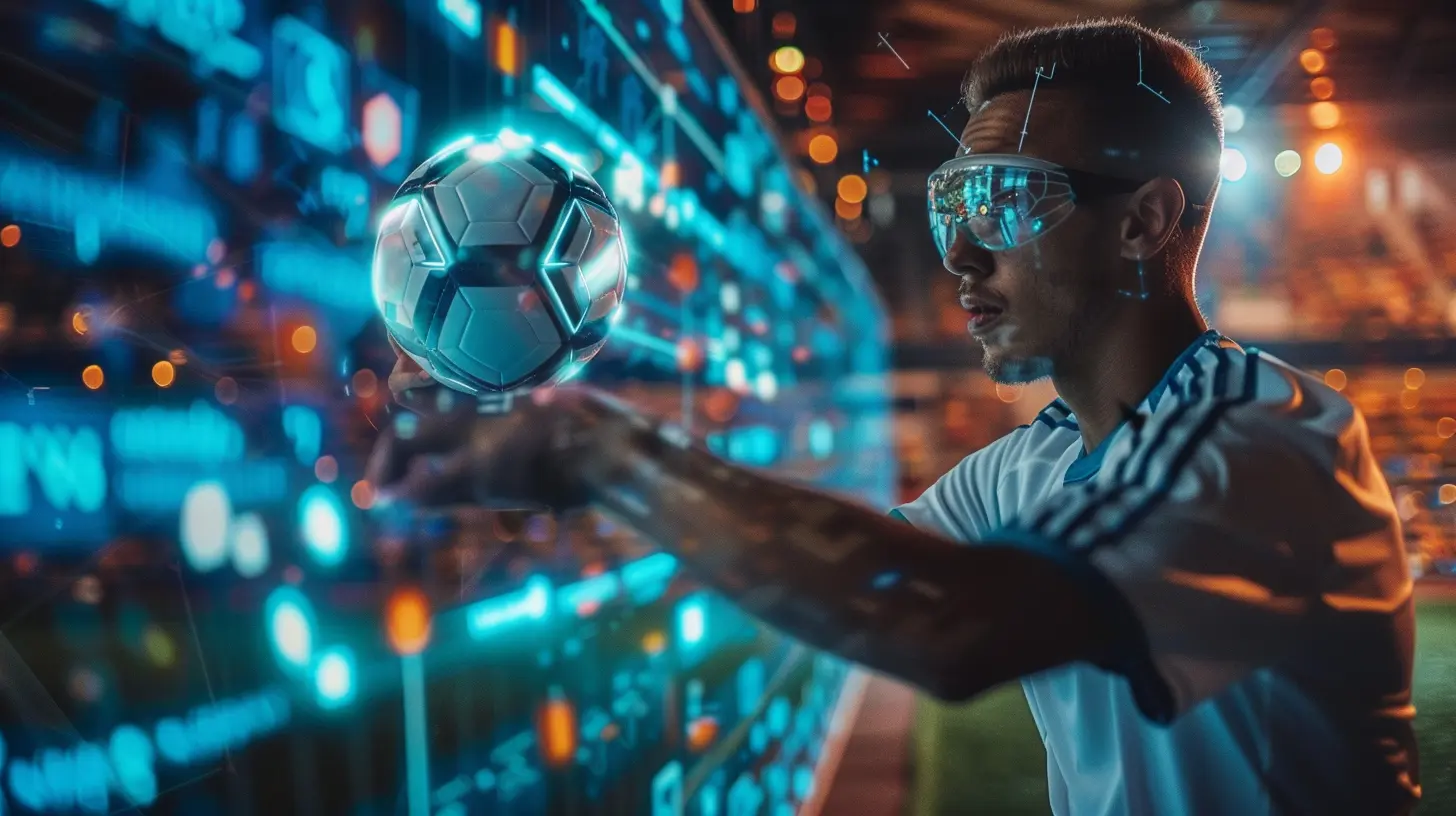
Let’s not get too technical here. In simple terms, sports simulations are digital recreations of real-life sports scenarios. They use a mix of computer modeling, artificial intelligence, biomechanics, and real-time data to replicate the dynamics of a particular sport.Think of it as a flight simulator for pilots, but for quarterbacks, point guards, and goalkeepers.
You're not just watching a play unfold—you’re in it, making decisions, reacting, and adapting in real time. And that level of engagement? It’s pure gold for learning and performance enhancement.
A Game-Changer for Athletes
1. Real-Time Feedback That Actually Makes Sense
One of the biggest frustrations athletes face in traditional training is vague feedback. “You need to be faster” or “Watch your form” isn't exactly actionable advice.Simulations flip the script. They deliver precise data on your speed, acceleration, reaction time, and technique. You'll know what you're doing right (and wrong) instantly. It's like having a smart coach in your pocket who never misses a detail.
2. Perfect Practice Every Time
You ever heard the saying, “Practice makes perfect”? Well, that only works if you're practicing the right way. Sports simulations allow athletes to repeat specific game situations over and over until those movements and decisions become second nature—without the wear and tear on the body.Whether it's perfecting that free throw or mastering a penalty kick, simulations let you drill skills in a controlled, repeatable environment.
3. Mental Toughness and Decision-Making
Physical ability is just one part of the equation. The mental game is where many good athletes get stuck.Simulations expose players to high-pressure scenarios they may not regularly encounter in practice. That way, when game day rolls around, it's not their first rodeo. Their brain has already rehearsed the situation dozens—if not hundreds—of times.
It's like mental armor. The more you train under pressure, the more natural it becomes to keep your cool when everything's on the line.

How Coaches Are Using Simulations to Level Up
Strategy Meets Science
Coaches aren’t just yelling plays from the sideline anymore—they’re analyzing hours of simulated game footage and testing out different strategies without risking a real-life loss.Want to know how a certain formation might hold up against a rival's offense? Run it through a simulation. Want to see if your rookie is ready for primetime? Let them go head-to-head with a virtual version of the league’s best.
It’s like playing chess with x-ray vision. You get to see how every move, every choice, plays out before making it.
Personalized Training Plans
No two athletes are the same, and simulations help coaches craft tailor-made training regimens based on individual strengths and weaknesses. Whether it’s improving an athlete’s sprint mechanics or decision-making under fatigue, simulations take the guesswork out of training.It's like having a custom recipe for success—one that’s constantly updated based on how you're performing.
From High School Gyms to Pro Arenas
You might think this technology is reserved for multimillion-dollar pro teams. Surprisingly, that’s not the case.Thanks to more affordable software and equipment, even high school and college programs are jumping on the simulation train. Schools and academies are realizing that this isn’t just a flashy gimmick—it’s the future of athletic development.
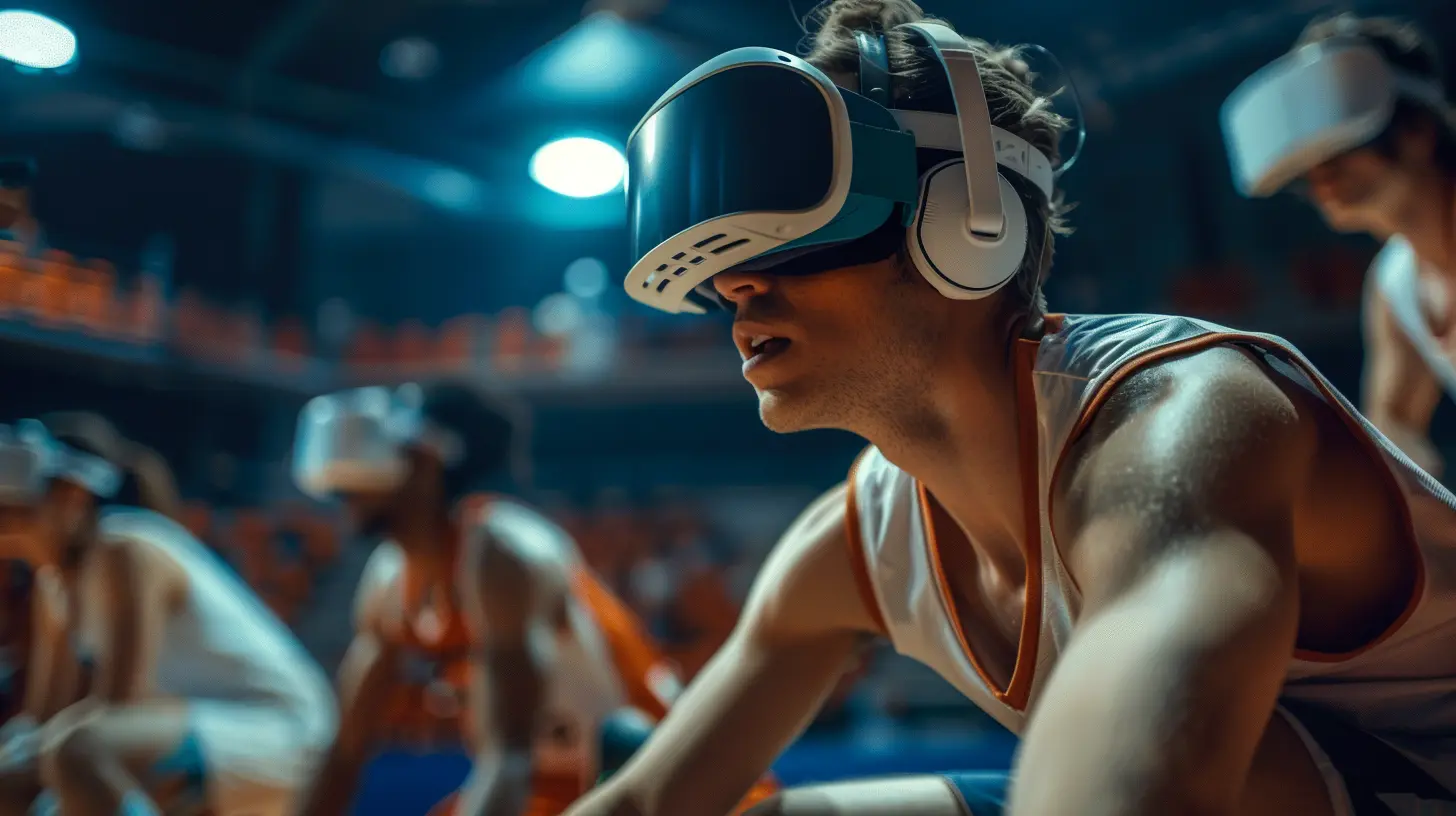
For example, football programs are using virtual reality (VR) headsets to walk quarterbacks through defensive reads. Basketball teams can simulate last-second plays to prepare for buzzer-beater situations. Even golfers are analyzing their swings in hyper-detailed simulations that track every nuance.
Injury Prevention and Recovery: Another Hidden Gem
Let’s talk about a side of training that's often overlooked—staying healthy.Rehab Without the Risk
Using simulations, injured athletes can stay mentally engaged and even go through motion-specific rehab without physically re-injuring themselves. It’s like keeping your head in the game while your body catches up.Spotting Issues Before They Become Problems
Some simulations are smart enough to detect movement patterns that might lead to injury. That’s huge. By tweaking a stride or adjusting form early, athletes can prevent those nagging injuries that sideline them mid-season.It’s a proactive rather than reactive approach, and in sports, that’s a massive win.
The Role of AI and Machine Learning
Here’s where things get extra cool.As athletes use these simulations, the system learns. It picks up on habits, tendencies, performance spikes, and dips. This feedback loop means the more you use it, the smarter and more customized it becomes.
Imagine a coach who watches every move you make and adjusts your training plan in real time to get the best out of you. That’s what AI brings to the table—it’s like your training grows with you.
Not Just for the Pros
We’ve talked a lot about elite athletes, but here’s the good news: you don’t need to be LeBron James to benefit.Simulation technology is trickling down fast. Amateur athletes, weekend warriors, even fitness buffs are getting access to tools that were once locked away in research labs or pro locker rooms.
That means if you’re serious about improving—even just for your Sunday league—you can now step into simulated environments that help you think, move, and play like a pro.
Are Simulations Replacing Traditional Training?
Nope—and they shouldn’t.As powerful as simulations are, they work best when combined with real-world training. You still need to run, lift, sweat, and compete in physical spaces. But what simulations do is maximize your time and effort.
They’re a supplement, not a substitute. Like a turbo booster for your existing training program.
Challenges to Overcome
Of course, nothing’s perfect. There are still hurdles to get over:- Cost Barrier: Although it's getting cheaper, top-tier simulation tech still isn't pocket change.
- Learning Curve: Coaches and athletes need time to adapt and get the hang of it.
- Tech Glitches: Like anything digital, there are bugs, crashes, and updates to deal with.
But here's the thing: every major innovation goes through growing pains. Remember when smartphones were just for tech geeks? Now they’re in everyone’s pocket.
What’s Next?
The trajectory is clear. Simulations are only getting more advanced—more realistic, more detailed, more immersive.We’re talking full-body haptic suits, real-time opponent data, and neural interfacing that reads your brain’s decision-making patterns. Yeah, wild stuff. And it’s closer than you think.
Even fans might get in on the action. Imagine watching a game and actually stepping into the shoes of your favorite player during key moments—now that’s next-level engagement.
Final Whistle
The lines between virtual and reality in sports are blurring fast—and that’s a good thing.Sports simulations are no longer just for gamers or tech nerds. They're reshaping how athletes train, compete, and recover. Whether you’re chasing Olympic gold or just want to improve your half-court jumper, simulations can give you the edge you’ve been looking for.
So next time someone tells you to “get your head in the game,” you might want to take that literally—and virtually.
all images in this post were generated using AI tools
Category:
Sports InnovationsAuthor:

Umberto Flores
Discussion
rate this article
1 comments
Zephyra Fry
Exciting blend of tech and training!
July 5, 2026 at 2:24 AM