From Pond to Pro: The History of Outdoor Hockey
8 December 2025
Ice hockey – fast, gritty, and passionately Canadian at heart – didn’t start under bright arena lights or with roaring stadium crowds. Nope, it all began in the great outdoors, where frozen ponds and rivers were the only rinks, goalposts were marked by boots or rocks, and players just skated for the love of the game.
Let’s take a deep dive into the fascinating journey of outdoor hockey—how a childhood pastime turned into a professional sport loved by millions across the globe.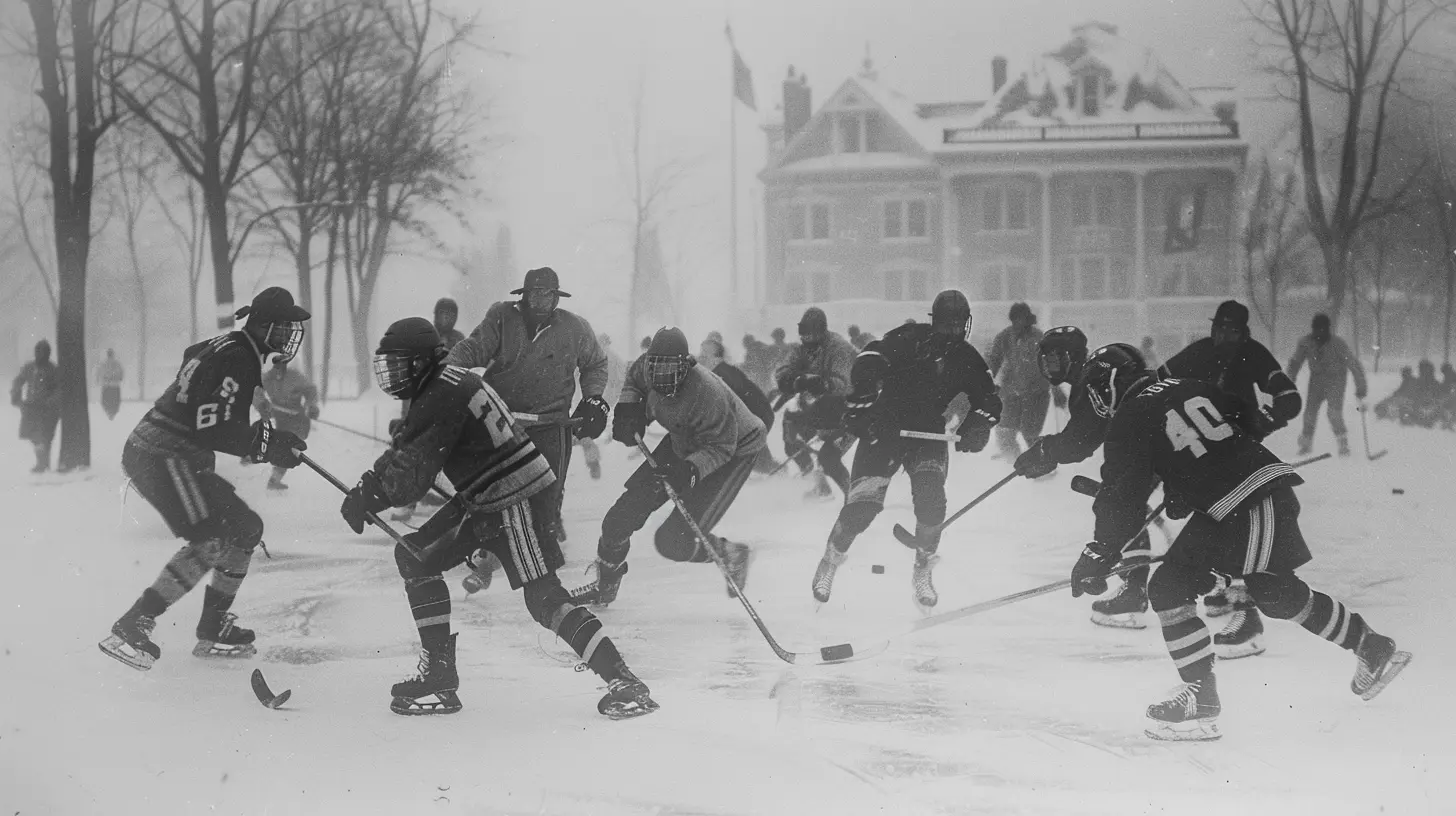
The Humble Beginnings: Skates, Sticks, and Snow
Before multi-million-dollar contracts and fancy pads, hockey was as raw as it gets. Picture this: a group of kids bundled up in thick winter clothes, carving up the ice on a local pond with whatever stick they could find. That’s where it all began.The Origins: Where and When Did It Start?
There’s a bit of debate about who actually "invented" hockey. Some say the roots go back to the Indigenous peoples of Canada, who played stick-and-ball games on ice centuries ago. Others point to British soldiers stationed in Nova Scotia in the 1800s, who played a version of field hockey on frozen surfaces during winter.But one thing’s for sure — Canada embraced it like no other. The icy winters and endless frozen lakes made it the perfect playground.
The Equipment (or Lack Thereof)
Forget about composite sticks and carbon fiber skates. Early hockey was played with wooden sticks, often handmade. Skates were just blades strapped to boots. No helmets, no pads — just kids and grown-ups chasing a puck (or frozen piece of cow dung, in some stories) on natural ice. It was as rugged and real as it gets.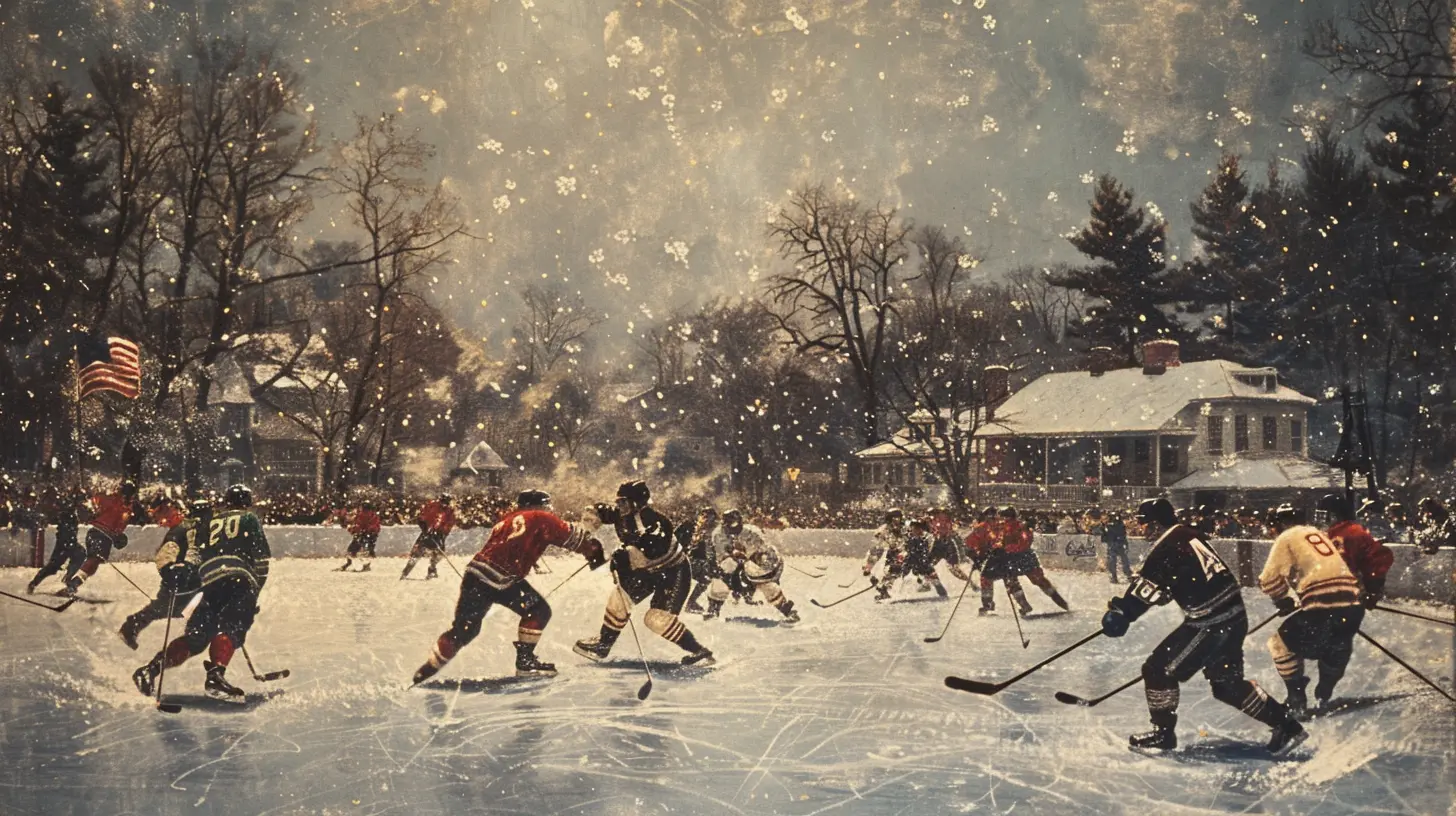
Outdoor Hockey as a Cultural Staple
Outdoor hockey isn’t just a game; it’s a rite of passage, especially in Canada and northern parts of the U.S. It’s the kind of thing people grow up doing every winter. If you’ve played, you know the feeling: frozen toes, red cheeks, and that one uncle who always takes the game way too seriously.Pond Hockey: More Than Just a Game
There’s something magical about pond hockey. No scoreboards. No referees. Just you, your buddies, and the open air. It’s pure freedom — no pressure, just fun.Some families even plan winter vacations around finding the perfect frozen surface. And let’s not forget the beer leagues and community tournaments — backyard rinks and frozen lakes become hallowed grounds every winter.
Backyard Rinks: Building Dreams One Freeze at a Time
Ask any hockey parent and they’ll tell you: building a backyard rink is an art form. It might start with a garden hose and some plywood, but over time it turns into a mini-empire. These homemade rinks are where pros like Wayne Gretzky and Sidney Crosby first fell in love with the game.There’s a kind of magic in skating under the stars, with snow softly falling and the floodlights casting long shadows. It’s no wonder so many pros credit their backyard rink for their early development.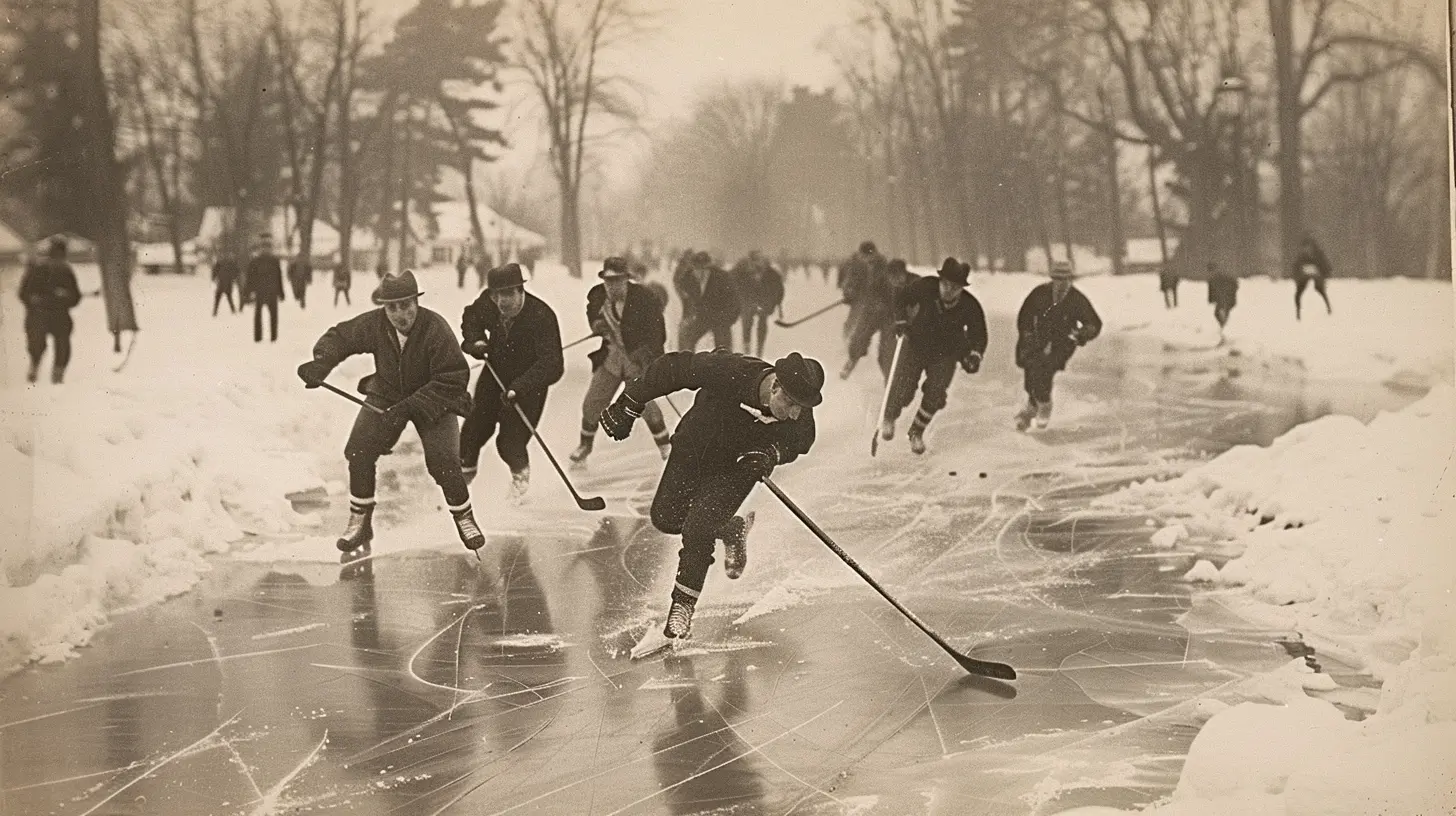
The Transition Indoors: When the Game Went Professional
So, how did the game move from icy ponds to grand arenas? Well, as with most sports, it started with a little organization.First Recorded Indoor Game
The first indoor hockey game is believed to have taken place in Montreal in 1875 at the Victoria Skating Rink. It was a big moment. Suddenly, hockey wasn’t just a pastime — it was becoming structured, with rules, teams, and fans.From there, amateur leagues began forming, and by the early 1900s, professional leagues were popping up—especially with the founding of the NHL in 1917.
Why Indoors?
You might be wondering — why even move indoors in the first place? Simple: weather. Outdoor ice is tricky. One day it's perfect, the next day it's a slushy mess. Indoors meant control — you could chill the ice, schedule games, and keep fans warm (well, sort of). It made the sport more reliable and more marketable.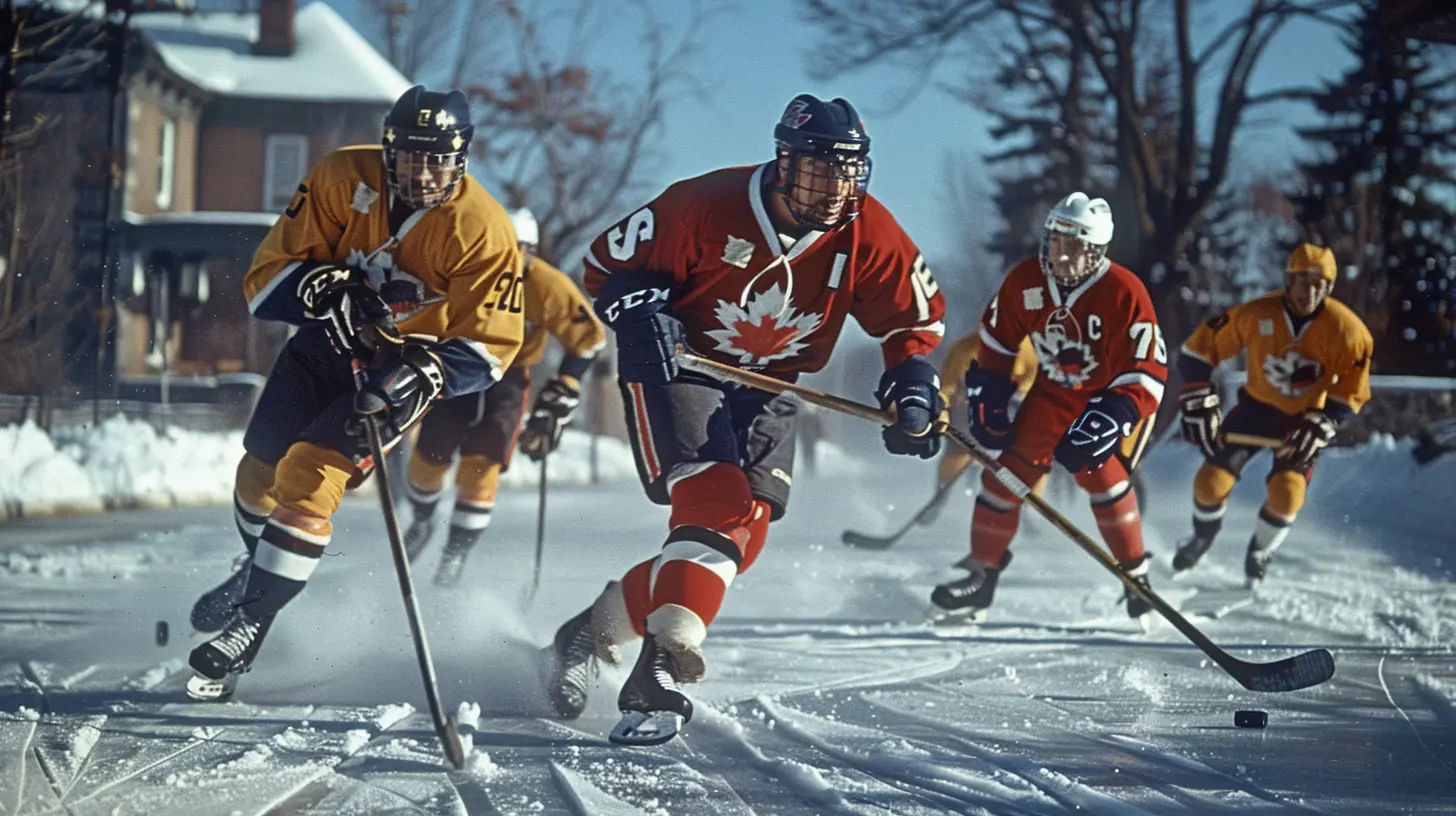
The Nostalgic Return: Outdoor NHL Games
Just when we thought outdoor hockey was left to frozen ponds and family traditions, the pros brought it back with a bang.The NHL Winter Classic: A Love Letter to Outdoor Hockey
In 2008, the NHL launched the Winter Classic — a bold idea to bring professional hockey back outdoors. The first game? Buffalo Sabres vs. Pittsburgh Penguins at Ralph Wilson Stadium. It had 71,000 fans in the stands and millions watching from home.And let me tell you — it was pure magic. Snow falling, fans bundled up, steam rising from the players — it felt like hockey was coming home.
Since then, the Winter Classic and Stadium Series have become annual events, held in iconic football and baseball stadiums. Every game brings a nostalgic vibe, reminding fans and players alike where it all started.
Why We Love It
There’s just something about outdoor games that hits different. Maybe it’s the cold air making every breath visible. Maybe it’s the way the ice looks under natural light. Or maybe, it’s just the reminder that no matter how big the NHL gets, hockey will always belong to frozen ponds and backyard rinks.Outdoor Hockey Around the World
Think outdoor hockey is just a North American thing? Think again.Europe’s Frozen Tradition
Countries like Sweden, Finland, and Russia also have deep-rooted outdoor hockey traditions. In fact, Russian and Finnish kids often learn to play on frozen lakes and canals, just like in Canada. In Sweden, they even have a sport called "bandy" — a predecessor to modern hockey played on outdoor fields, often with a ball instead of a puck.Global Tournaments and Festivals
Over time, outdoor hockey has become a global celebration. One of the biggest: the U.S. Pond Hockey Championships held on Lake Nokomis in Minnesota. Teams from all over the world come to compete, show off their skills, and, let’s be real, drink a few cold ones between games.And it's not all about competition. These festivals are about community, camaraderie, and keeping the outdoor hockey spirit alive.
The Return to Simplicity: Why Outdoor Hockey Still Matters
In a world full of tech, LED boards, instant replays, and corporate sponsorships, outdoor hockey reminds us of something simpler. Something purer.The Mental Health Angle
Getting outside, being active, laughing with friends—it’s not just fun, it’s good for the soul. Especially in the colder months when people tend to stay cooped up. Outdoor hockey is more than a sport; it’s therapy with a stick and puck.The Values It Teaches
Outdoor hockey doesn’t have refs to call every little thing. Players police themselves, they learn fairness, and resilience—how to take a fall and get back up. It’s a gritty, honest version of the game that breeds character.Moreover, there’s no room for ego on the pond. It’s about skill, respect, and passion. No one cares how many goals you scored — what matters is that you showed up, gave it your all, and had fun.
Future of Outdoor Hockey: Keeping the Tradition Alive
So, where does outdoor hockey go from here?More Events, More Access
With the success of NHL’s outdoor games, other leagues and even schools are jumping in. Colleges, junior leagues, and women’s leagues are hosting outdoor events, giving fans more chances to experience the magic.Technology is helping, too. Portable refrigeration systems and synthetic ice are making it possible to build rinks even where nature doesn’t cooperate.
Urban Accessibility
Not everyone lives next to a frozen lake. But that doesn’t mean kids in cities can’t lace up and get outside. Cities like Detroit, Toronto, and New York are creating outdoor rink programs that allow underprivileged youth to access the game.Making outdoor hockey more inclusive means making sure the love of the game spreads to everyone — no matter the zip code.
Final Thoughts
From its scrappy beginnings on frozen ponds to the massive outdoor spectacles of today, hockey has grown into one of the most beloved sports on the planet. Yet, its heart still remains exactly where it started: outdoors, under the open sky, with the crack of a stick and the scrape of blades on ice.So next time you see a frozen pond or hear about a local pickup game — grab a stick, lace up your skates, and get out there. Because that’s where hockey lives. And that’s where legends are born.
all images in this post were generated using AI tools
Category:
HockeyAuthor:

Umberto Flores
Discussion
rate this article
2 comments
Oscar Kirkpatrick
Who knew that slapping a puck on a frozen pond could lead to millions? Next time I’ll bring my ice skates instead of a fishing rod!
January 9, 2026 at 11:29 AM
Umberto Flores
It's true! Outdoor hockey has transformed countless dreams into reality—who knows what could happen next time you hit the ice!
Thea Dorsey
What a fantastic journey from backyard rinks to the big leagues! Hockey's spirit truly shines! 🏒✨
December 11, 2025 at 3:44 AM
Umberto Flores
Thank you! It’s amazing to see how outdoor hockey fuels passion and talent from grassroots to the pros! 🏒✨