How Artificial Intelligence is Improving Sports Injury Prevention
8 July 2026
Let’s face it—no matter how fit or experienced an athlete is, injuries are part of the game. Whether it’s a torn ACL, a pesky hamstring strain, or nagging shoulder pain, sports injuries can derail careers and cost teams millions. But here’s the exciting part: artificial intelligence (AI) is stepping onto the field, not as a player, but as a game-changer in injury prevention.
Forget the days of hoping an ice bath or stretching would be enough. Today, athletes and teams are turning to high-tech solutions to stay healthy and perform at their best. And AI? It's leading the charge. So grab your favorite sports drink and let’s dive into how artificial intelligence is flipping the script on sports injury prevention.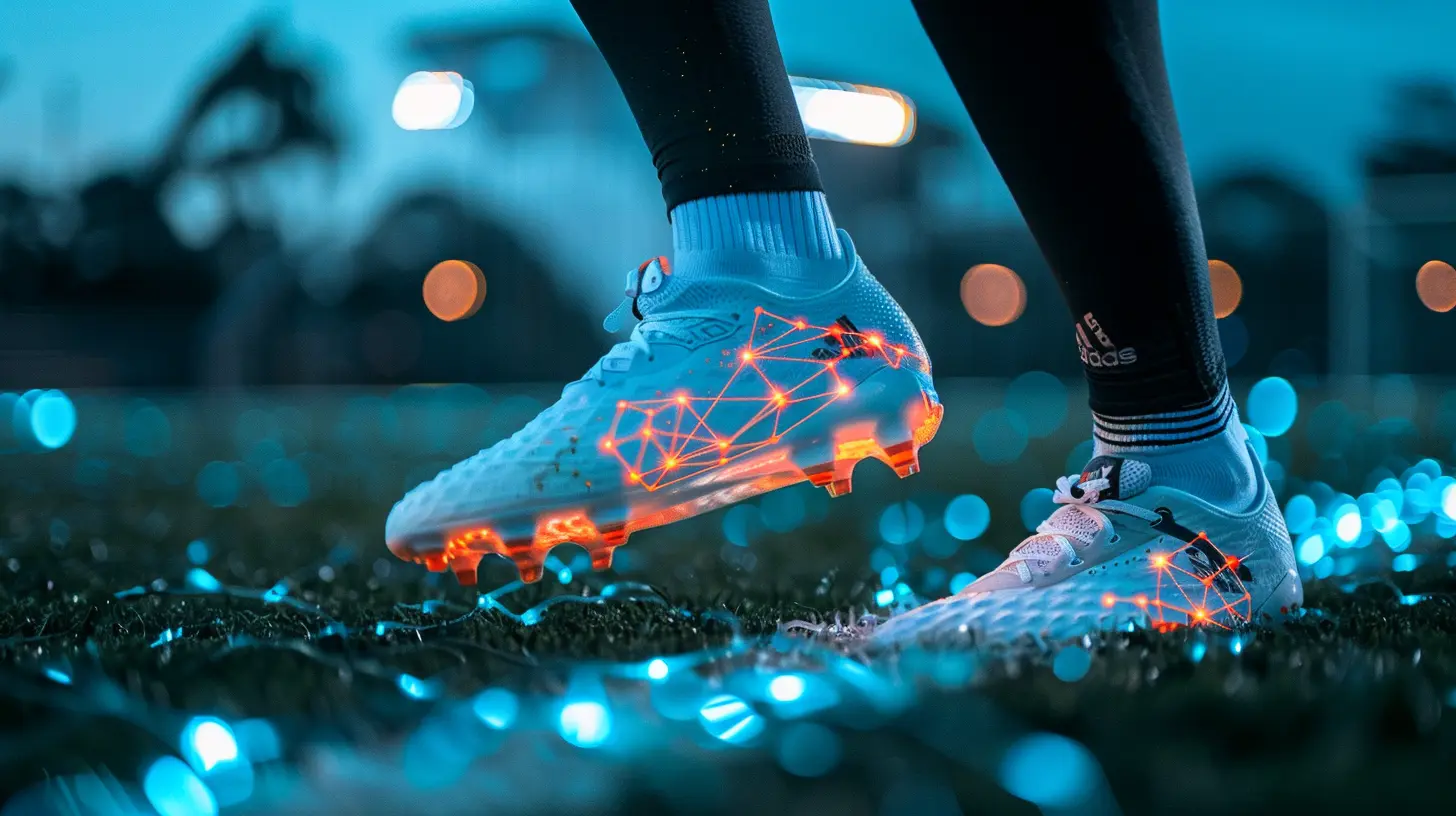
The Growing Problem of Sports Injuries
Let’s start with the obvious: injuries stink.They hurt physically, mentally, and financially. For professional athletes, a serious injury might mean a season—or even a career—cut short. For teams, it’s lost opportunities and sunk costs. And even for everyday weekend warriors and fitness buffs, an injury can throw off your entire routine.
Think about it: how many times have you heard about a star player missing crucial games due to something that “could’ve been avoided”? That’s where AI steps in. It's not just about crunching numbers—it’s about understanding the body, predicting risk, and keeping athletes in the game.
How AI is Changing the Game
So what does AI actually do to prevent injuries? It might seem like magic, but it’s really all about data. Let me break it down.1. Smart Wearables and Real-Time Data Tracking
You’ve probably seen those futuristic-looking sensors strapped to athletes. That’s not just for show—they’re loaded with AI-powered tech.These wearables collect real-time data on movement, heart rate, muscle load, fatigue, and even hydration levels. Then AI steps in to analyze it all. If something seems off—like a runner showing signs of overtraining or asymmetry in their stride—the system can alert coaches or trainers immediately.
It’s like having a personal bodyguard for your muscles.
2. Predictive Analytics: Spotting Trouble Before It Strikes
Here’s where things get really cool.AI doesn’t just react to injuries—it predicts them. By analyzing patterns from past injuries, performance metrics, and biomechanical data, AI can flag athletes who are at higher risk of getting hurt.
Think of it like weather forecasting, but for your body. Instead of waiting for a storm (aka injury), AI tells you when the clouds are forming so you can stay dry in the first place.
3. Biomechanics and Motion Capture
You know those slow-motion replays that show every tiny muscle movement? Now imagine that, but with AI analyzing every frame.Motion capture systems powered by AI can measure joint angles, balance, and range of motion. This helps in detecting inefficient or dangerous movement patterns that could lead to injury.
It’s like having a super nerdy coach watching your every move—but in a good way.
4. Personalized Training Programs
No two athletes are the same. Gone are the days of cookie-cutter training routines.AI helps in tailoring workouts based on each athlete’s physical profile, current condition, and injury history. If someone’s recovering from a knee issue, AI adjusts the intensity or suggests specific drills to strengthen the area without overloading it.
It’s like having a coach, physical therapist, and data scientist all rolled into one.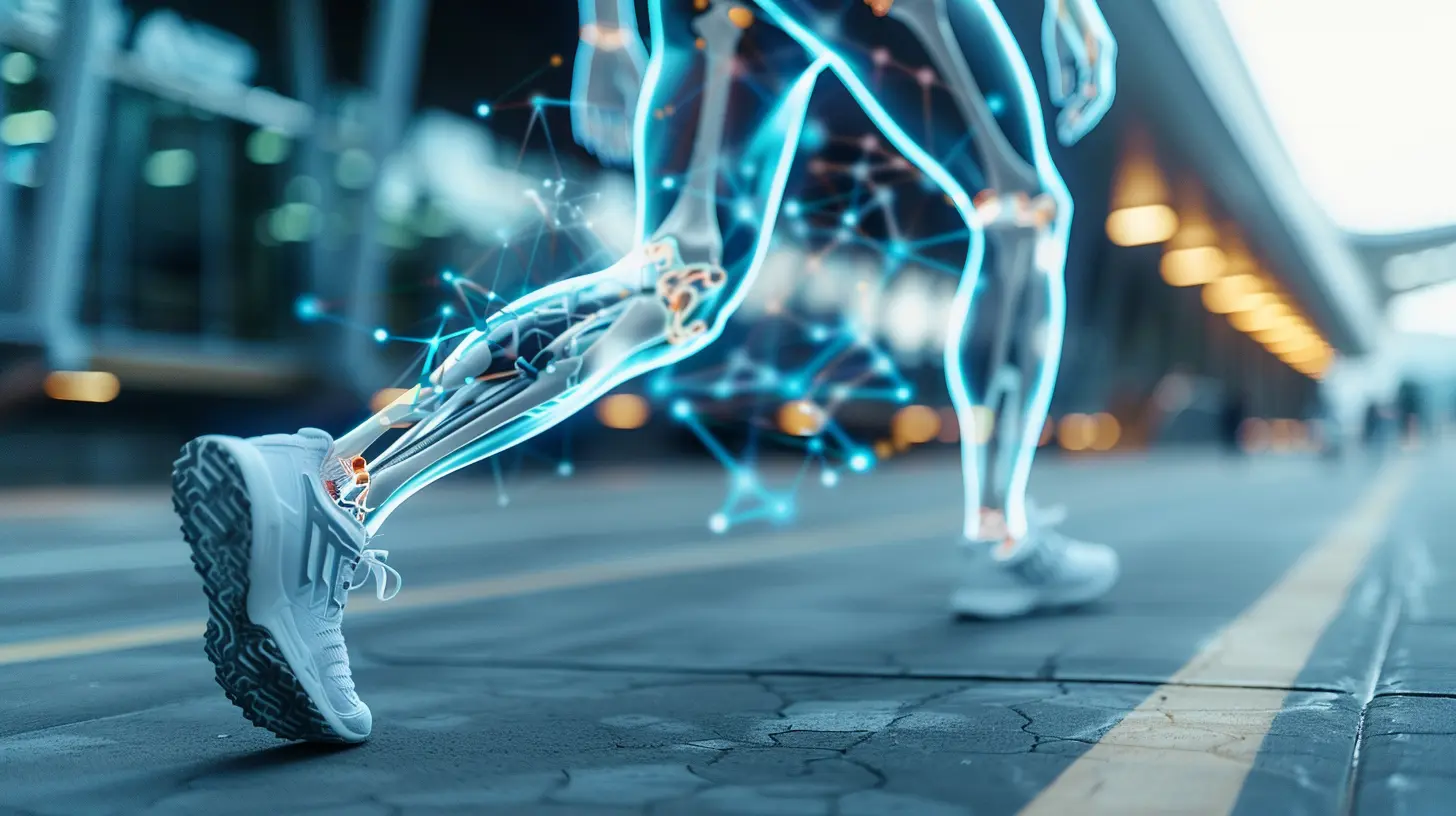
Real-World Examples of AI Preventing Injuries
Let’s get out of theory and into the real world.NBA & NFL Teams
Many top basketball and football teams are already using AI to monitor player workloads. By understanding how much stress an athlete’s body is under daily, trainers can tweak schedules to prevent burnout or overuse injuries.For instance, AI might suggest resting a player who’s logged high-intensity minutes over several games—even before they show signs of fatigue.
Soccer Clubs in Europe
Elite soccer clubs like FC Barcelona and Manchester City are using AI to monitor everything from sprinting patterns to joint stress. The goal? Fewer injuries, more game-time.By acting proactively, these teams have managed to reduce soft-tissue injuries significantly over the past few seasons.
Olympic Training Centers
Olympic athletes push their bodies to the absolute limit. That’s why national training centers are implementing AI systems to not only track performance but to detect early signs of breakdown.This approach led to fewer injuries in key events and helped athletes peak at just the right time.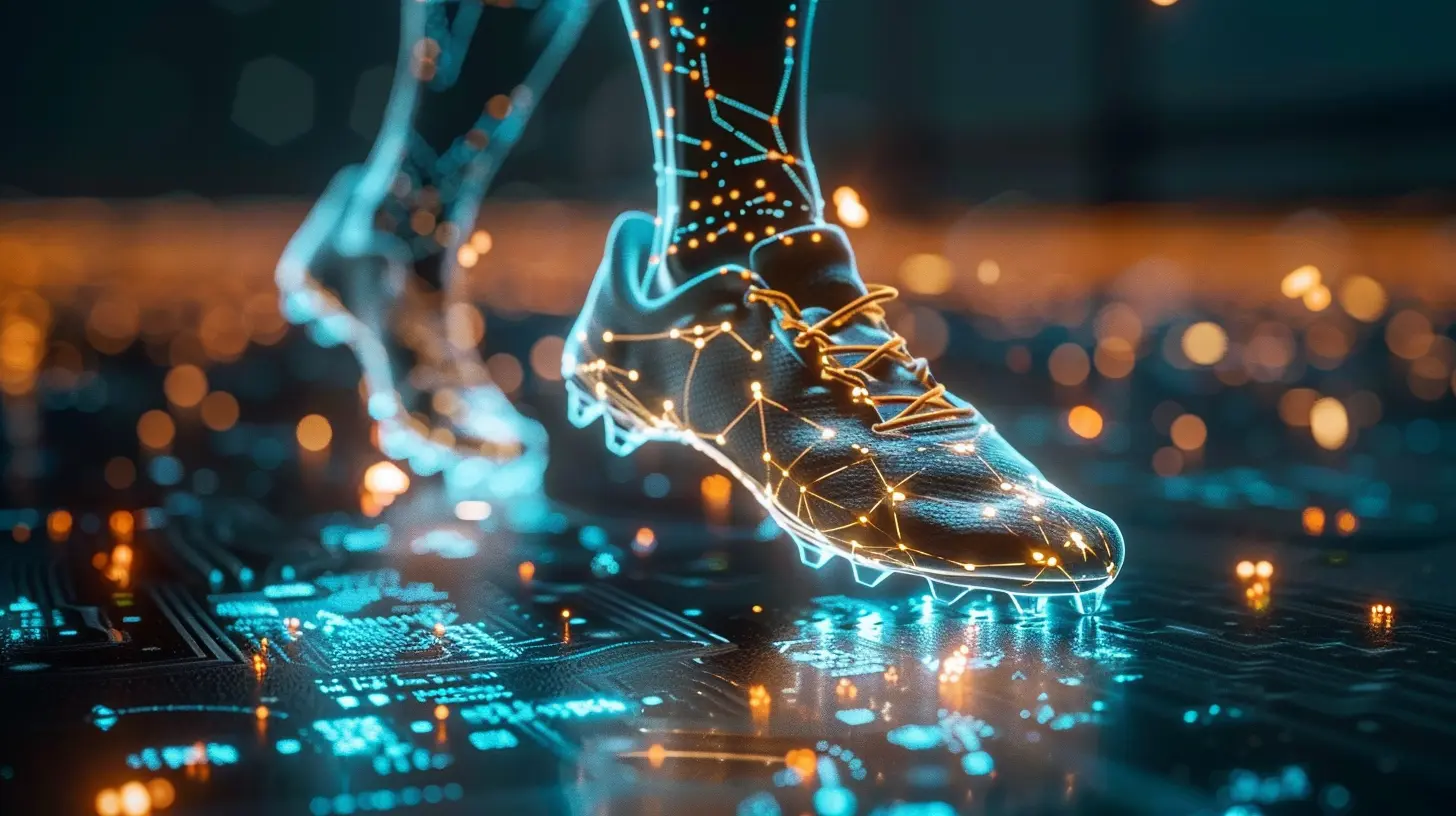
The Science Behind It: Why AI Works
AI shines because it sees what we can’t. Where a human eye might miss a slight limp or subtle decrease in performance, AI catches it instantly.Here’s what makes it tick:
- Machine Learning Algorithms: These allow the system to learn from experience. The more data it sees, the smarter it gets.
- Computer Vision: This is key in analyzing physical movements through video footage or sensors.
- Natural Language Processing (NLP): Believe it or not, AI can even analyze athlete interviews or reports to assess mental fatigue and stress levels.
All of this combined makes AI a super-effective injury prevention tool.
Challenges and Limitations—Because Nothing’s Perfect
Now, let’s be honest—AI isn’t a miracle cure. Like any tool, it has its limitations.1. Quality of Data
If poor data goes in, poor predictions come out. It’s GIGO—garbage in, garbage out. Data needs to be accurate and comprehensive.2. Privacy Concerns
Athletes’ health and biometric data are incredibly personal. There needs to be trust and transparency in how this data is used and protected.3. Cost and Accessibility
High-end AI systems can be pricey. It’s easier for pro teams to afford them, but smaller organizations or amateur athletes might get left behind.Still, as technology advances and becomes more affordable, we’ll likely see a broader adoption across all levels of sports.
What the Future Holds
The future is looking promising—and a little sci-fi, in the best way.Imagine AI systems integrated into stadiums, monitoring players in real-time as they train or compete. Or smart clothing that adjusts pressure in real-time to support joints under stress.
Heck, even your fitness app could soon start warning you before you tweak your back trying to deadlift too much. How’s that for smart?
We’re talking about a world where AI not only helps prevent injuries but enhances performance, improves recovery times, and maybe—just maybe—prolongs athletic careers beyond what we ever thought possible.
Final Thoughts
So where does that leave us?AI isn’t just a buzzword in the world of sports injury prevention—it’s becoming a vital teammate. It doesn’t replace coaches or trainers but gives them superpowers by turning guesswork into science-backed insights.
And as it continues to evolve, AI will likely become as essential to athletes as their cleats or sneakers. Because staying healthy isn’t just about working hard—it’s about working smart. And with AI, athletes everywhere are finally getting the tools to do just that.
So next time you see an athlete make it through a grueling season without a scratch, remember—it might not just be luck. AI could be the real MVP.
all images in this post were generated using AI tools
Category:
Sports InnovationsAuthor:

Umberto Flores
Discussion
rate this article
1 comments
Olympia Williams
Great insights on AI's role in sports!
July 28, 2026 at 10:17 AM
Umberto Flores
Thank you! I'm glad you found the insights valuable. AI is really changing the game in injury prevention.