How Real-Time Analytics Are Shaping Decisions During Games
6 March 2026
Imagine being in the final minutes of a tightly contested basketball game. The crowd is roaring, the pressure is high, and one small decision can tip the scale between glory and heartbreak. That split-second judgment—whether to substitute a tired player, go for a quick three-pointer, or switch up the defense—can be the game-changer. But what if I told you that coaches and players aren’t making these calls blindly anymore?
Thanks to real-time analytics, sports are becoming as much about brains as brawn. The use of live data is revolutionizing the way decisions are made during games across all major sports. It's like giving coaches and players a digital sixth sense, allowing them to respond faster, smarter, and more accurately than ever before.
In this article, we’re diving deep into how real-time analytics are shaping decisions during games. Whether you’re a die-hard fan, a curious newcomer, or someone who simply loves the intersection of tech and sports, you’re in for a treat.
What Exactly Is Real-Time Analytics in Sports?
Let’s kick things off with a simple breakdown.Real-time analytics is the immediate processing and analysis of data as it's generated. In sports, that means collecting information from sensors, cameras, wearables, GPS trackers, and even crowd sentiment—yep, that’s a thing—while the game is actually happening.
This data is crunched instantly and turned into actionable insights. Coaches and analysts then use it to tweak strategies on the fly. Think of it like having live cheat codes (legal ones, of course).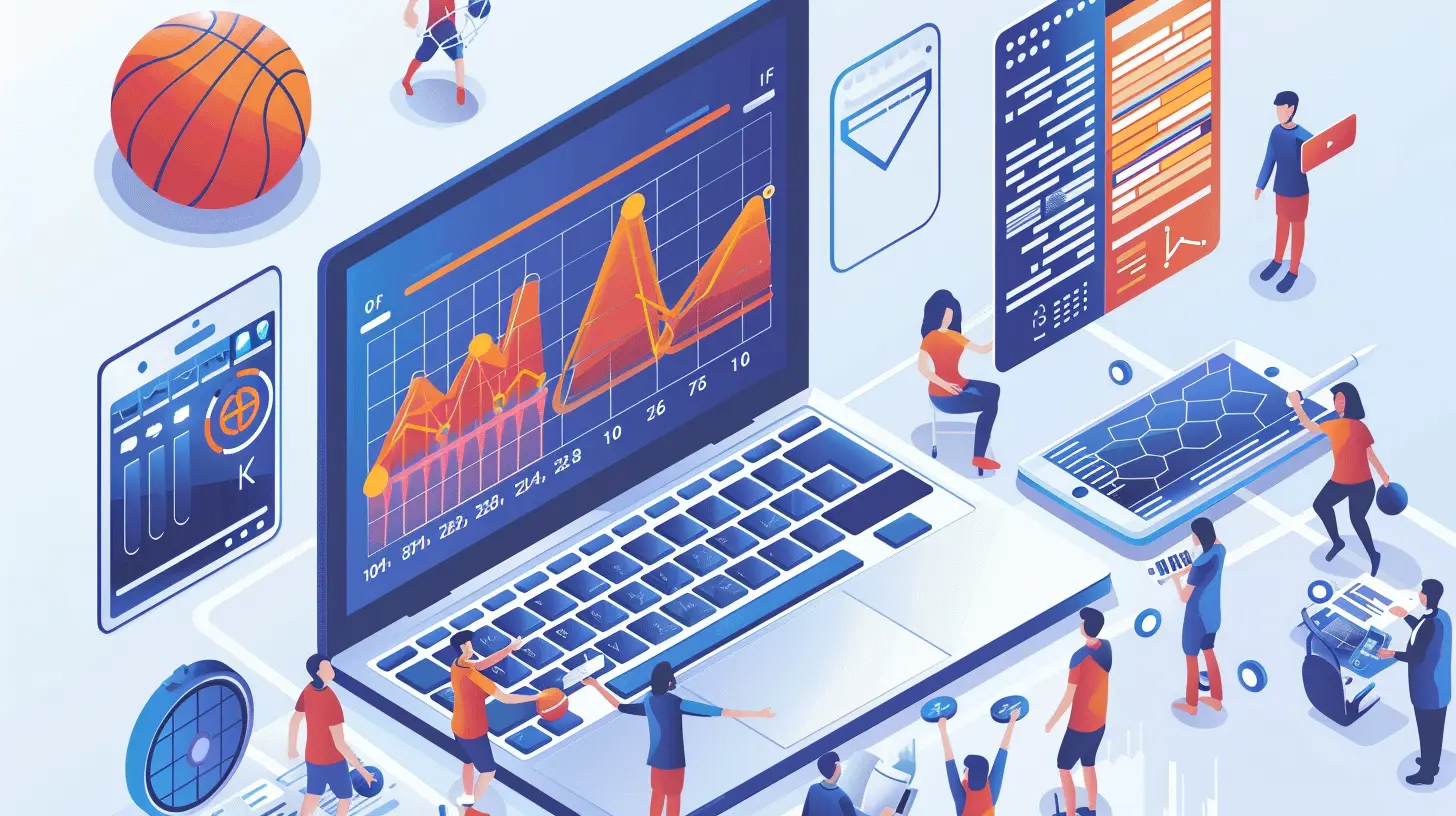
Why Real-Time Matters—The Game Waits for No One
Traditional data analysis is helpful, but it's usually historical. You'd look at patterns after the fact, maybe for the next practice or future matchups. But the game itself? It doesn’t wait. You need insight while the clock’s ticking.That’s where real-time analytics flexes its muscles. It lets teams adapt mid-game:
- A soccer coach sees that the left flank is constantly being exposed? Boom, a defender shift.
- A quarterback notices a defensive pattern during the first quarter? The offensive coordinator adjusts for the next drive.
- A tennis player’s heart rate spikes? His team knows when hydration or a mental reset is needed.
The Tech Behind the Magic
You might be wondering, “Where is all this data coming from?” Well, it’s not just a guy with a clipboard anymore.🏃 Wearable Trackers
These bad boys measure everything from speed and distance run to heart rate variability and even fatigue levels. Think of them as mini Fitbits on steroids tailored for elite athletes.🎥 Computer Vision & Cameras
High-tech cameras placed strategically around stadiums capture every player movement. That visual data is analyzed for positional awareness, spacing, and even reaction time.📶 IoT Devices & Sensors
Internet of Things (IoT) gadgets deliver real-time metrics like puck speed in hockey or smart basketballs that measure shot arc and release time.💻 AI & Machine Learning
Once the data’s collected, AI steps in to find patterns, predict outcomes, and offer recommendations. So, you’re not just getting raw numbers—you're getting smart suggestions.
Real-Time Analytics in Action: Real-World Examples
Let’s look at how it's already being used across sports. We’re talking about clutch moves made possible by real-time data.🏈 NFL: Reading the Defense on the Fly
In the NFL, teams use real-time analytics to spot how defenses react to certain formations. If a team notices that a cornerback always shades left when the receiver fakes right, guess who's getting the ball next play?Even quarterbacks wear helmet sensors giving their team insight into head movement and reaction times. The result? Smarter play-calling and fewer mistakes.
🏀 NBA: Managing Player Load
Basketball coaches use real-time data to manage fatigue. When a player’s exertion level hits the red zone, they’re subbed out before performance dips or injury strikes. This kind of load management isn't just about rest—it's about keeping players sharp for crunch time.⚽ Soccer: Dynamic Formation Adjustments
Real-time GPS tracking shows how players move across the field. If an attacking midfielder is getting boxed in every time he touches the ball, the formation gets tweaked instantly. It's like strategizing in a video game, only it’s very real.🎾 Tennis: Tactical Coaching Without Coaching?
Even in individual sports like tennis, data is king. Coaches watch live metrics like serve speed, shot placement, and player pulse rates. While communication can be limited during matches, knowing these figures helps plan between-set adjustments.Benefits That Go Beyond the Numbers
Sure, real-time analytics gives teams a competitive edge. But the emotional impact is just as important.💪 Building Player Confidence
Knowing they have data-backed support, athletes feel safer and more confident. They’re no longer guessing whether they need to pace themselves or go all-in.🧠 Smarter, Not Harder
Teams can focus more on quality than quantity. Instead of grinding endlessly in practice, they're training smarter, thanks to insights on what actually works during games.💔 Injury Prevention
Real-time alerts on stress levels and fatigue can prevent injuries before they happen. And let’s face it—keeping stars healthy is half the battle in a championship run.The Emotional Side: Trusting the Data
Not everyone was on board with analytics at first. Some athletes felt it took the "soul" out of the game. But over time, as technology proved its worth, skepticism turned into trust.Data isn't replacing intuition; it’s enhancing it. Coaches still coach. Players still play. But now they do it with a clearer understanding of what’s going on in the heat of the moment.
Think of it this way: If you're learning to drive, intuition helps. But if your car also tells you when there's a vehicle in your blind spot? That’s empowering.
Challenges and Limitations: Let’s Keep It Real
Okay, so real-time analytics is amazing, but it’s not flawless.⏳ Data Lag
Processing delays can sometimes mean the difference between a perfect substitution and an irreversible mistake.🧩 Information Overload
Too much data can be a distraction. Coaches and analysts need to prioritize what matters most at any given time.💸 Cost & Accessibility
High-end tools can be expensive, limiting access for smaller teams and leagues. Hopefully, as the tech becomes more common, the costs will drop.What’s Next? The Future of Real-Time Decision Making
We’re only scratching the surface of what’s possible.Imagine AI assistants that suggest plays mid-game. Or personalized VR simulations based on real-time performance. Or even fan-accessible analytics that let you predict the next play from your couch (Fantasy sports, watch out!).
As 5G and edge computing expand, expect near-zero lag and even more precise data. The field of play will be more connected than ever.
Final Whistle: A Game-Changer in Every Sense
Real-time analytics isn’t just a trend—it’s a seismic shift in how games are played, managed, and even experienced. From the locker room to the sidelines, data is paving the way for smarter decisions, safer athletes, and more exciting games for fans.And here’s the beautiful part: behind every number is a human story. A player reaching their potential. A coach making a bold call. A team rewriting their destiny. All powered by insights happening in the moment.
So, next time you’re watching a game and see a sudden formation change or a perfectly timed substitution, just remember—it’s not magic. It’s real-time analytics changing the game.
all images in this post were generated using AI tools
Category:
Sports InnovationsAuthor:

Umberto Flores
Discussion
rate this article
2 comments
Lysara McCune
Great insights! Real-time analytics truly revolutionize game strategy and decision-making for teams.
March 25, 2026 at 5:00 AM
Umberto Flores
Thank you! I'm glad you found the insights valuable. Real-time analytics really do change the way teams strategize and make decisions.
Madalyn McVicker
Real-time analytics revolutionize in-game strategies, enabling coaches to make informed decisions that enhance team performance and adapt to opponents dynamically.
March 10, 2026 at 1:30 PM
Umberto Flores
Thank you! Real-time analytics indeed transform coaching strategies, allowing for quick adaptations that significantly improve team performance. Your insights capture this evolution perfectly!