How Social Media is Changing the Way We Engage with Sports
25 August 2026
Sports have always been a way to bring people together. Whether it's huddling around a TV during the Super Bowl, cheering from the stands at a local match, or debating stats at the office water cooler, sports have a unique way of creating connections. But in today's digital age, something else has taken center stage—social media.
From live-tweeting games to viral highlight clips, social media isn't just influencing sports; it's completely transforming how we engage with them. Let's break down how platforms like Twitter, Instagram, TikTok, and Facebook have changed the game for fans, athletes, and even sports organizations.
The Rise of Instant Sports Updates
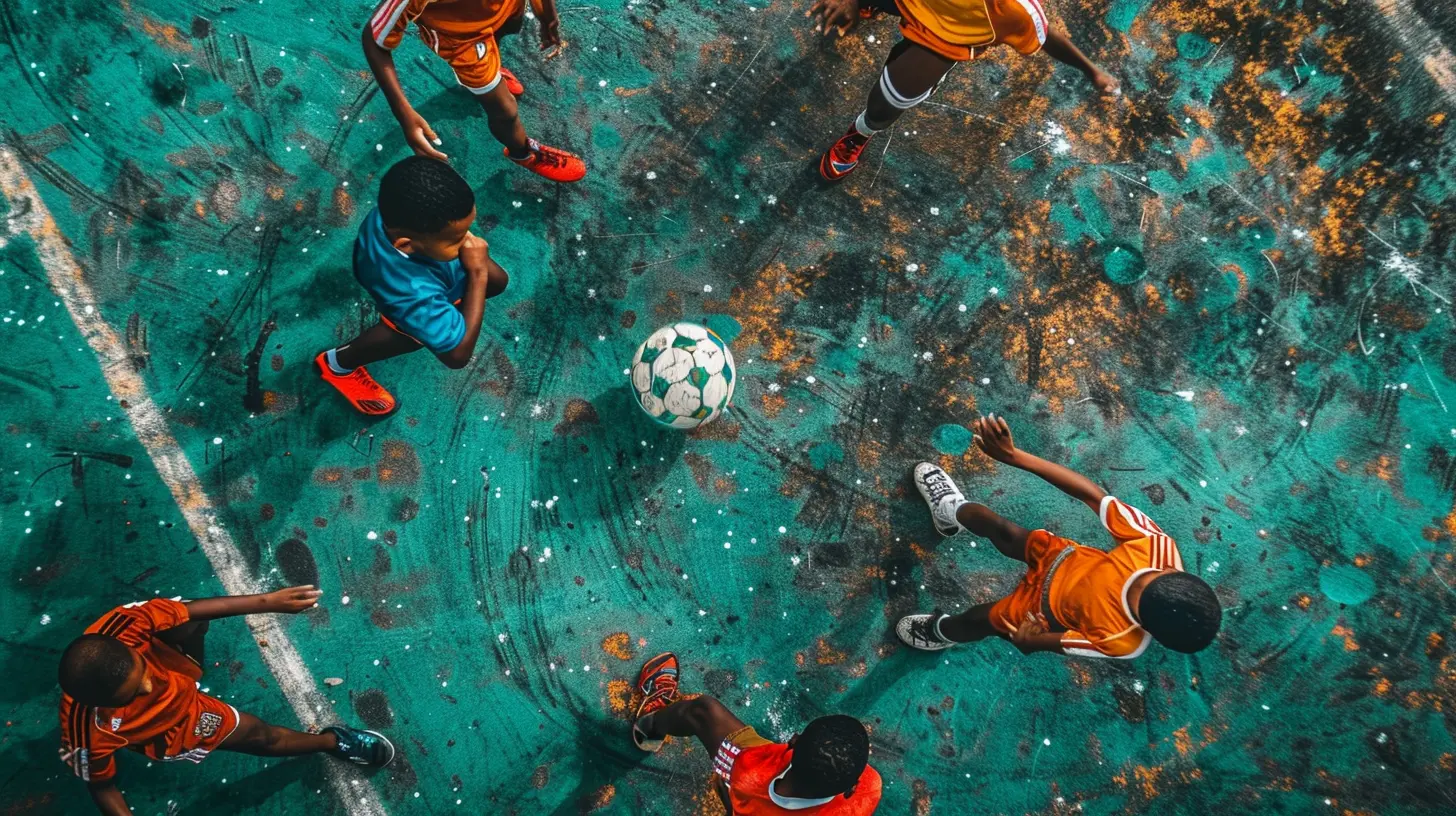
Gone are the days when you had to wait for the evening news or the next day's newspaper to catch up on game results. Now, thanks to Twitter, Instagram, and other platforms, fans get real-time updates, highlights, and stats within seconds.Imagine this: You're stuck in traffic, and your favorite team is playing. Instead of waiting to get home, you can check Twitter for live updates, watch short video clips, and even engage in discussions with other fans. Social media has turned every smartphone into a sports hub, ensuring no one misses out on the action.
A Two-Way Conversation: Fans and Athletes
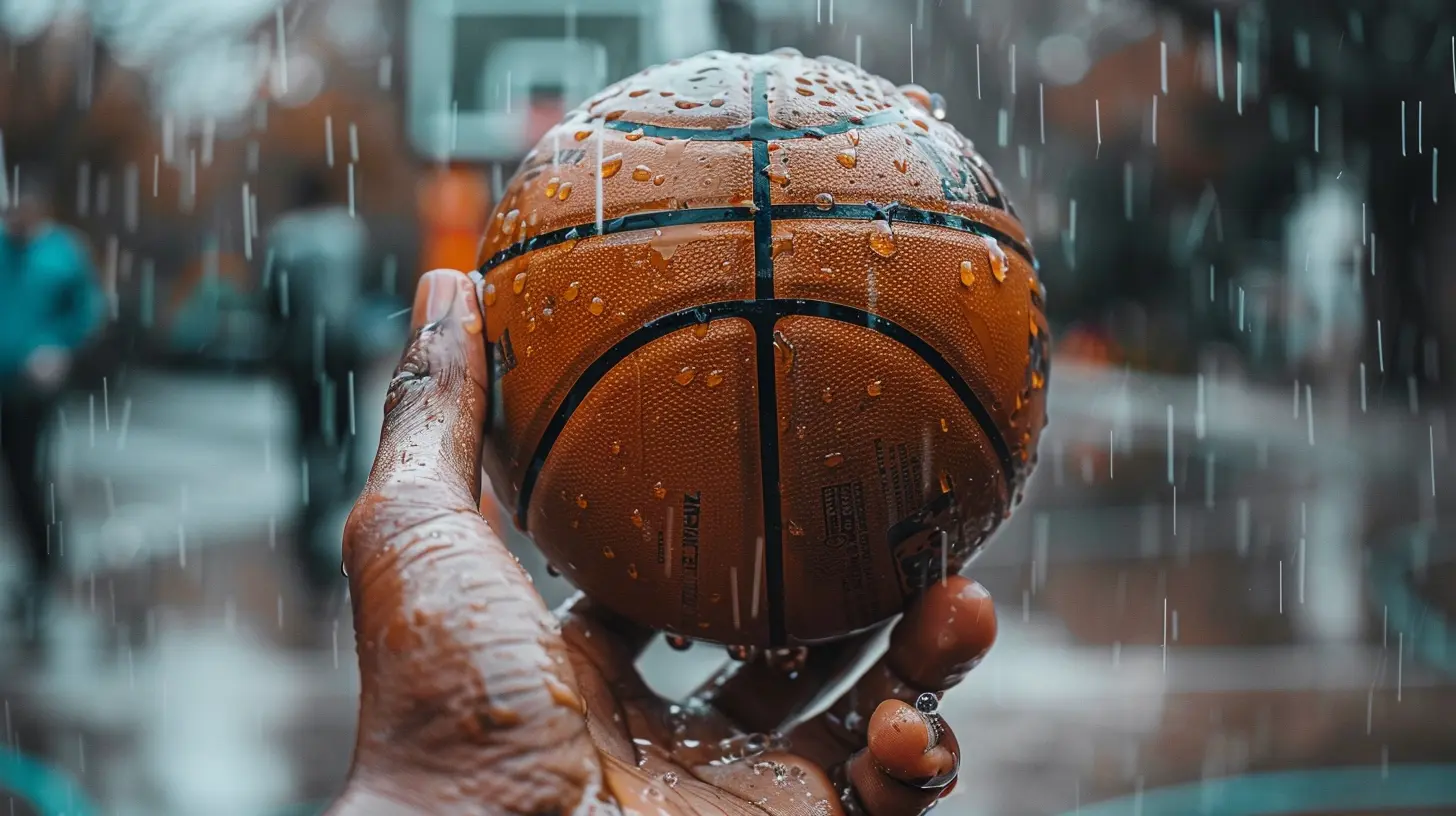
Social media has broken down barriers between fans and their favorite athletes. Before, the only way to interact with a player was to hope for an autograph after a game or send a fan letter (which rarely got a response). Now? A simple tweet or Instagram comment might get noticed by your favorite athlete.Athletes like LeBron James, Cristiano Ronaldo, and Serena Williams regularly interact with their followers, offering personal insights, responding to fan questions, and even addressing controversies. This level of accessibility makes fans feel more connected than ever before.
The Good and the Bad of Athlete-Fan Interaction
Of course, this accessibility isn't always a good thing. With every positive comment, there's also the potential for negativity and online trolling. Athletes are under immense scrutiny, and one misstep can lead to a social media storm. Some have even stepped away from platforms due to cyberbullying and mental health concerns.But when used positively, social media allows athletes to inspire, motivate, and engage with their supporters in ways that were unimaginable just a decade ago.

The Power of Viral Moments
We all remember THAT buzzer-beater shot, the insane bicycle kick goal, or the impossible touchdown catch. Before social media, these moments would be discussed the next day on TV or in newspapers. Now, they explode online instantly.A jaw-dropping play is clipped and uploaded within seconds, spreading across Twitter, Instagram Reels, and TikTok like wildfire. Even casual fans or people who didn't watch the game get to experience those moments, increasing the sport’s reach and engagement.
Think about how many times you've watched a viral sports clip on your phone. Whether it's a last-second goal, an insane dunk, or a hilarious sideline moment, social media ensures that no great play goes unnoticed.

Fantasy Leagues & Online Betting – The Social Influence
Social media has also boosted the popularity of fantasy sports and online betting. Platforms like Twitter and Reddit are filled with discussions about the best draft picks, injury updates, and betting odds.Fantasy sports communities thrive on social media, allowing players to share tips, set lineups, and discuss strategies. Similarly, betting companies use social platforms to provide live odds, promotional offers, and expert analysis, making the experience even more interactive.
This shift has made sports more than just a spectator activity; it has turned them into a strategic, interactive experience where fans feel involved rather than just watching.
Behind-the-Scenes Access
Back in the day, fans only got to see their favorite teams and athletes during game time or in post-match interviews. Now, social media gives a behind-the-scenes pass into locker rooms, training sessions, and personal lives.Teams post exclusive content—players joking around in training, travel vlogs, locker room celebrations—that make fans feel like they are part of the team's journey. It strengthens fan loyalty and makes the experience more personal.
Think about F1’s social media presence. Teams like Mercedes and Red Bull document behind-the-scenes footage of race preparations, behind-the-wheel thoughts from drivers, and even fun challenges between teammates. This level of access makes fans feel closer to the team and sport as a whole.
The Rise of Social Media Personalities & Influencers
Sports engagement is no longer just about the games. Social media has created a new breed of sports influencers, vloggers, and analysts who provide fresh takes, humorous commentary, and unique insights.Platforms like YouTube and TikTok are filled with sports creators who break down matches, create memes, and analyze plays in fun ways that resonate with younger audiences. Instead of watching traditional sports media, many fans now turn to their favorite online creators for coverage and commentary.
For example, sports YouTubers like Mark Goldbridge (Manchester United fan channel) or Pat McAfee (former NFL player turned media personality) have built massive followings by offering a different kind of sports content—raw, unfiltered, and engaging.
Social Media as a Tool for Social Change
Another big impact of social media in sports? Advocacy and activism.Athletes and teams now use their platforms to raise awareness about social and political issues, from racial injustice to mental health initiatives. Movements like Colin Kaepernick taking a knee would not have gained global traction without the power of social media amplifying the message.
Sports organizations have also embraced activism, using their platforms to promote diversity, inclusion, and awareness campaigns, proving that social media influence goes beyond just game highlights.
The Business of Sports on Social Media
For teams, leagues, and brands, social media isn't just for fun—it's a huge business tool.Sponsorships, merchandise sales, and advertising have all found a home on social platforms. Brands collaborate with athletes for promotional campaigns, while teams use their accounts to sell jerseys, tickets, and exclusive memberships.
Social media has turned sports into a 24/7 business, where engagement directly translates into revenue. The more a team or athlete interacts with fans, the more valuable they become to sponsors and advertisers.
The Future of Sports Engagement
So, where do we go from here?With the rise of virtual reality (VR), augmented reality (AR), and AI-driven content, the way we engage with sports will only continue to evolve. Imagine putting on a VR headset and experiencing courtside seats from your living room or using AI-powered stats to predict game outcomes in real time.
Social media has already rewritten the rules of sports engagement. The question isn't whether this will continue but rather how far it will go.
Final Thoughts
Social media has completely revolutionized how we experience, interact with, and engage with sports. From instant updates and viral moments to deeper athlete-fan interactions and new business opportunities, it's clear that sports and social media are now inseparable.As technology advances, sports engagement will become even more immersive. So whether you're cheering from the stands or scrolling through Twitter, one thing is certain—social media has forever changed the game.
all images in this post were generated using AI tools
Category:
Sports InnovationsAuthor:

Umberto Flores
Discussion
rate this article
2 comments
Emmeline Forbes
Social media amplifies fan experiences in sports.
September 6, 2026 at 11:27 AM
Umberto Flores
Absolutely, social media creates direct connections between fans and teams, enhancing engagement and making every moment more memorable.
Kane Warren
Social media has revolutionized sports engagement by giving fans real-time access to updates, highlights, and behind-the-scenes content. Platforms like Twitter and Instagram allow for direct interaction between fans and athletes, creating a more personal connection. This shift not only enhances the viewing experience but also builds stronger communities around sports.
September 1, 2026 at 3:25 AM