How Sports Teams Are Using VR to Prepare for High-Stress Situations
1 August 2026
Virtual reality (VR) technology has come a long way since its inception. What once seemed like a futuristic concept is now making waves in various industries, including sports. From training soldiers to perform under pressure to helping surgeons practice delicate procedures, VR is proving to be a valuable tool for simulating high-stress environments. But did you know that sports teams are also jumping on the VR bandwagon?
That’s right! Sports teams are using VR to prepare their athletes for high-stress situations they might face during games. Whether it’s preparing for a last-minute penalty shot, facing a hostile crowd, or responding to unexpected changes during a match, VR is becoming a game-changer in sports training.
So, how exactly are sports teams using VR to train for high-stress situations? And why is it so effective? Let’s dive into it!
What is Virtual Reality in Sports?
Before we get into the nitty-gritty of how VR is helping athletes, let’s quickly recap what virtual reality is. Virtual reality, commonly referred to as VR, is a simulated experience that can mimic real-world scenarios or create entirely new ones. With the use of VR headsets and other equipment, users can immerse themselves in 3D environments that feel incredibly realistic.In the context of sports, VR allows athletes to immerse themselves in game-like situations without having to physically be on the field, court, or rink. Instead of just imagining a game scenario or watching it on film, athletes can now experience it firsthand in a highly controlled, virtual environment. Pretty cool, right?
The Role of VR in High-Stress Sports Scenarios
Let’s face it: there’s no shortage of stressful moments in sports. Whether it’s the final seconds of a tied game, the pressure of making the game-winning shot, or dealing with an intimidating opponent, athletes are constantly faced with situations that can make or break their performance. And as much as physical training is important, mental training is equally crucial in helping athletes keep their composure under pressure.This is where VR comes in.
By simulating high-pressure situations in a controlled environment, VR allows athletes to "practice" how they will respond when the real thing happens. The best part? They can do this over and over again without the physical toll that comes with regular practice.
1. Simulating Game-Like Pressure
One of the primary benefits of VR is its ability to simulate the pressure of a live game. Let’s say a basketball player is practicing free throws. In a regular practice, it’s just them, the ball, and the hoop. There’s no crowd, no scoreboard, and no opposing team trying to psych them out. But in a virtual reality simulation, all of these elements can be added.VR can recreate the exact environment the player would face during a real game, including the sound of the crowd, the sight of an opposing player trying to block them, and the pressure of a ticking clock. This adds an element of stress that simply can’t be replicated in a traditional practice setting. The more an athlete practices in these pressure-filled environments, the more prepared they’ll be when it happens in real life.
2. Improving Cognitive Decision-Making
Sports aren’t just physical – they’re mental, too. Athletes constantly need to make split-second decisions, especially in fast-paced games like football, basketball, and hockey. VR is helping athletes improve their cognitive decision-making skills by putting them in game-like situations where they have to react quickly.For example, a quarterback in football can use VR to practice reading defensive formations and deciding which receiver to throw to. By running through different scenarios in VR, the quarterback can condition their brain to make faster and more accurate decisions when the pressure is on. It’s like mental muscle memory – the more you practice, the better you get.
3. Handling the Pressure of the Crowd
Ever been in a stadium packed with tens of thousands of screaming fans? It’s intense, to say the least. For athletes, crowd pressure can be both motivating and overwhelming. Some players thrive off the energy, while others might struggle to perform in front of large, boisterous crowds.VR is helping athletes get used to the pressure of playing in front of a crowd by simulating these environments. Athletes can practice performing their skills while dealing with the roar of the crowd, the flashing lights, and even the occasional heckler. By the time game day rolls around, they’ll be more accustomed to these distractions and better equipped to stay focused.
4. Simulating Unexpected Scenarios
Sports are unpredictable. Even the best-laid plans can go out the window when something unexpected happens – whether it’s a last-minute substitution, an injury, or a sudden change in the weather. VR allows athletes to practice how they will respond when things don’t go according to plan.Let’s say you’re a soccer player and your team suddenly has to play a man down after a red card. Instead of just imagining how you’d handle this situation, VR allows you to experience it in real time. You can practice adjusting your positioning, communicating with your teammates, and staying composed under pressure. The more you practice these unexpected scenarios, the more adaptable and resilient you’ll become on the field.
Real-Life Examples of Sports Teams Using VR
By now, you might be wondering which sports teams are actually using VR in their training regimens. Spoiler alert: it’s not just the small teams looking for a competitive edge – major professional teams across various sports are embracing VR technology.1. The Dallas Cowboys (NFL)
The Dallas Cowboys were one of the first NFL teams to implement VR technology into their training. They’ve been using VR to help their quarterbacks practice reading defenses and making quick decisions. By simulating different defensive formations and blitzes in VR, quarterbacks can improve their decision-making skills without having to physically run through the plays on the field.2. Manchester United (Soccer)
Manchester United, one of the biggest soccer clubs in the world, has also hopped on the VR bandwagon. The team uses VR to simulate game-like scenarios, helping players practice their decision-making, positioning, and communication. This has proven especially useful in preparing for high-stakes matches, where pressure is at an all-time high.3. The Golden State Warriors (NBA)
The Golden State Warriors are known for being ahead of the curve when it comes to incorporating technology into their training. They’ve used VR to help players practice everything from shooting free throws to running plays. By simulating high-pressure game situations, the Warriors can prepare their players to stay calm and composed when the game is on the line.4. Formula 1 Racing
Formula 1 drivers need to be incredibly focused, as races can be mentally and physically draining. To help drivers stay sharp, F1 teams have started using VR to simulate race conditions. Drivers can practice navigating the twists and turns of a track, managing tire wear, and dealing with the pressure of competing against the best in the world – all in a virtual environment.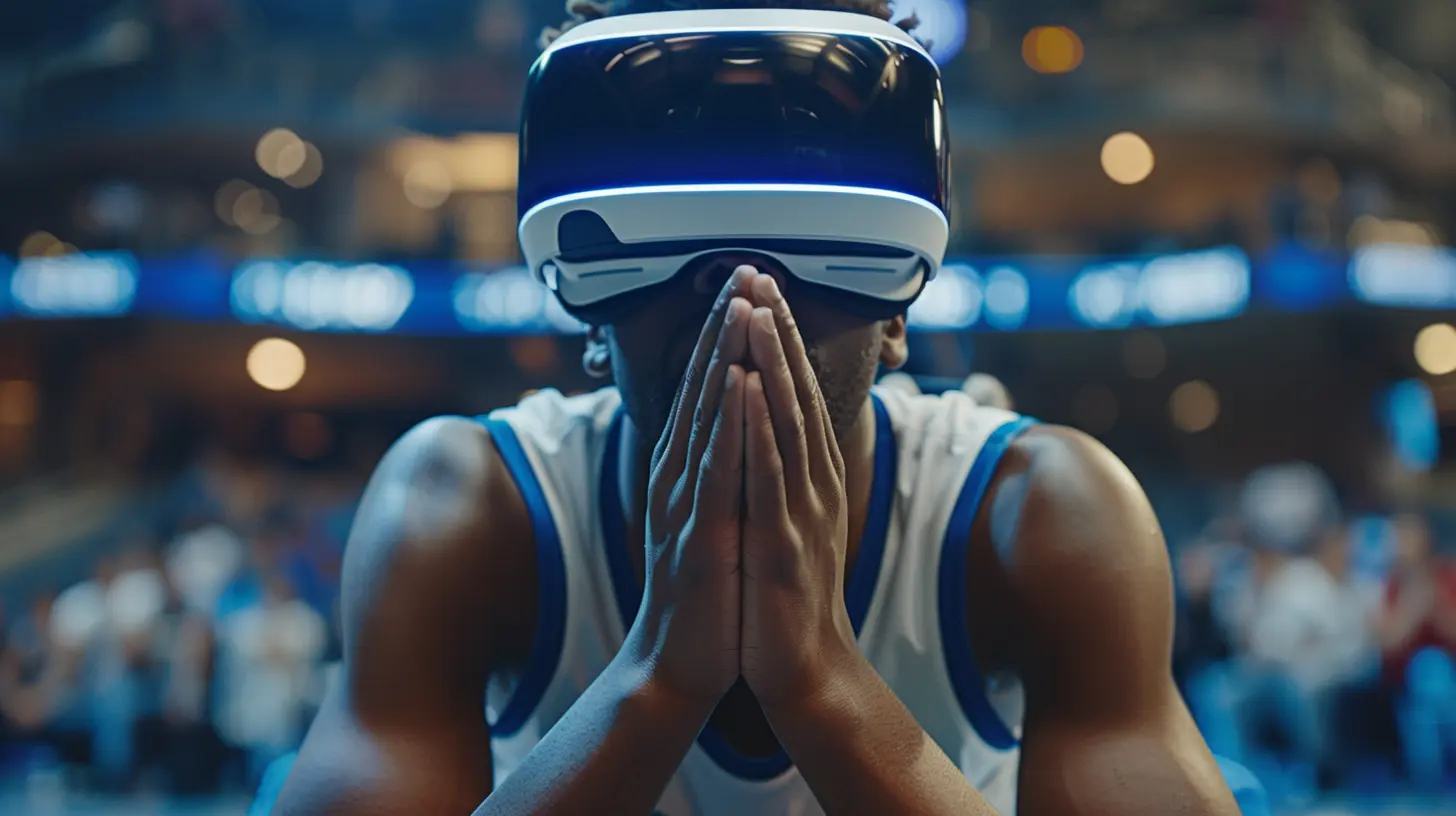
The Future of VR in Sports Training
As VR technology continues to improve, its role in sports training is only going to grow. We’re already seeing teams from various sports use VR to simulate high-stress situations, but the possibilities are endless. In the future, we can expect even more immersive and realistic virtual environments, allowing athletes to train in ways that were previously unimaginable.Imagine a future where VR headsets are as common as water bottles on the sidelines. Athletes could review in-game scenarios during halftime or practice their decision-making skills while riding the team bus. The potential for VR to revolutionize sports training is huge, and we’re just scratching the surface.
Conclusion: VR as a Game-Changer in Handling Stress
Virtual reality is quickly becoming an invaluable tool for sports teams, helping athletes prepare for high-stress situations in a controlled environment. By simulating game-like pressure, improving cognitive decision-making, helping athletes handle crowd pressure, and preparing for unexpected scenarios, VR is giving athletes a mental edge that can make all the difference.As more teams and athletes embrace this technology, we’re likely to see even more impressive performances on the field, court, or track. Who knows? Maybe one day, every sports team will have a VR setup as part of their regular training regimen.
So, the next time you’re watching a nail-biting game and see an athlete stay calm under pressure, remember – they might just have VR to thank for that!
all images in this post were generated using AI tools
Category:
Sports InnovationsAuthor:

Umberto Flores
Discussion
rate this article
1 comments
Vesper Cole
It's fascinating how VR is changing the game. By immersing players in realistic scenarios, teams can enhance focus and decision-making under pressure, giving them a competitive edge when it matters most.
August 11, 2026 at 4:03 AM