How Stadium Design Impacts Team Performance
1 June 2026
Let’s face it—stadiums aren’t just massive concrete bowls for fans to scream in. There’s a lot more going on behind those towering walls and perfectly trimmed fields. The way a stadium is built can be a real game-changer—literally. From the acoustics of the cheering fans to the shape of the field, stadium design has a surprising influence on how teams perform.
So, if you've ever wondered why some teams are virtually unbeatable at home or why certain stadiums just feel electric, buckle up. We’re about to break it all down and see how stadium architecture isn't just about aesthetics—it's a secret weapon.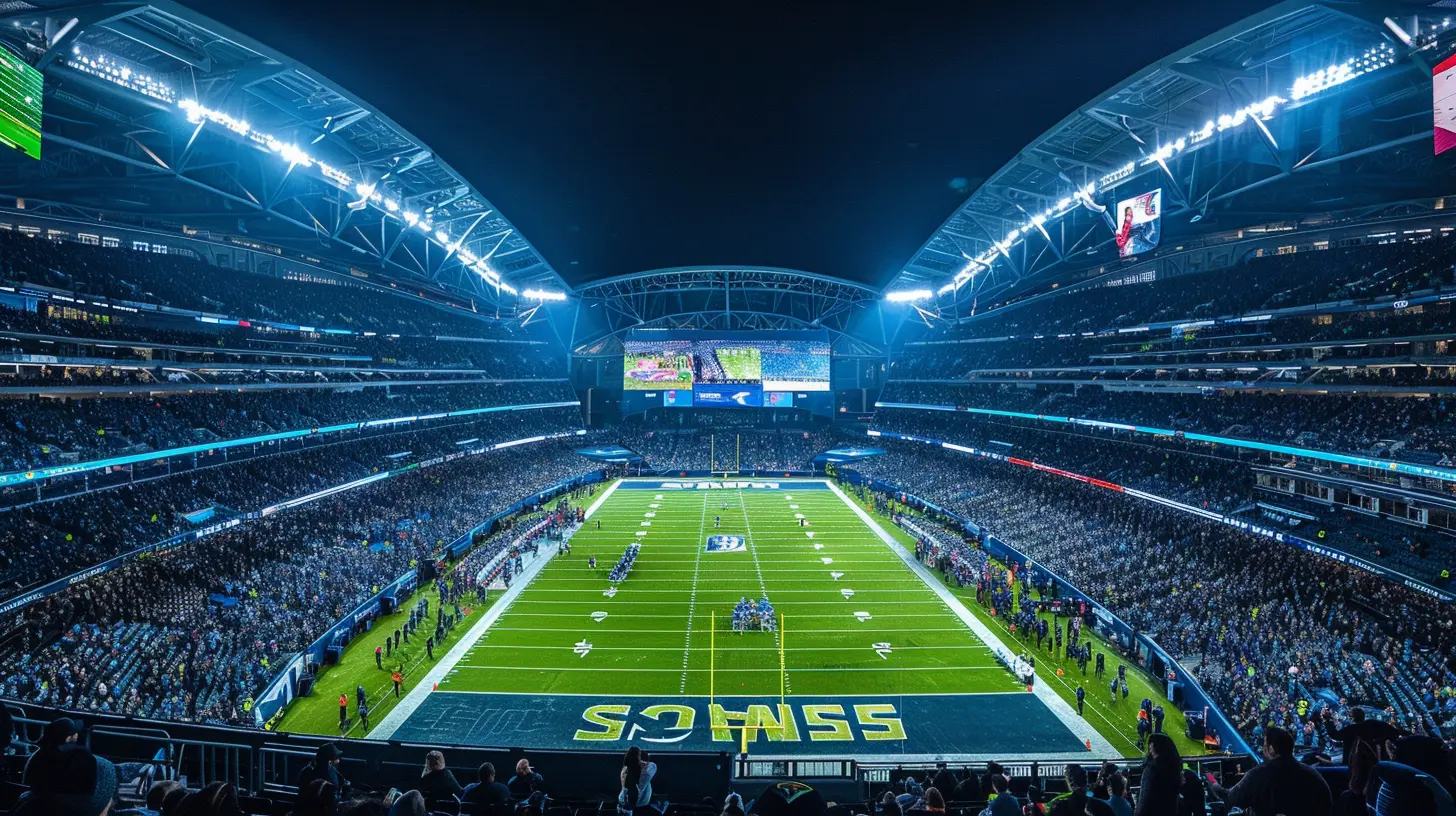
The Psychology of “Home Field Advantage”
Alright, let’s kick things off with one of the oldest perks in sports—home field advantage. It’s not just a myth or fan-made hype. Teams statistically perform better when they play at home. But why?It’s partly psychological. Players feel more confident playing in a familiar setting, surrounded by a sea of their own fans. But here's where it gets interesting—stadium design either cranks that advantage up or leaves it flat.
Some stadiums are built to trap sound, creating a deafening roar that can intimidate the opposition and fire up the home squad. Others have quirky dimensions or field quirks that favor the home team’s play style. Design matters.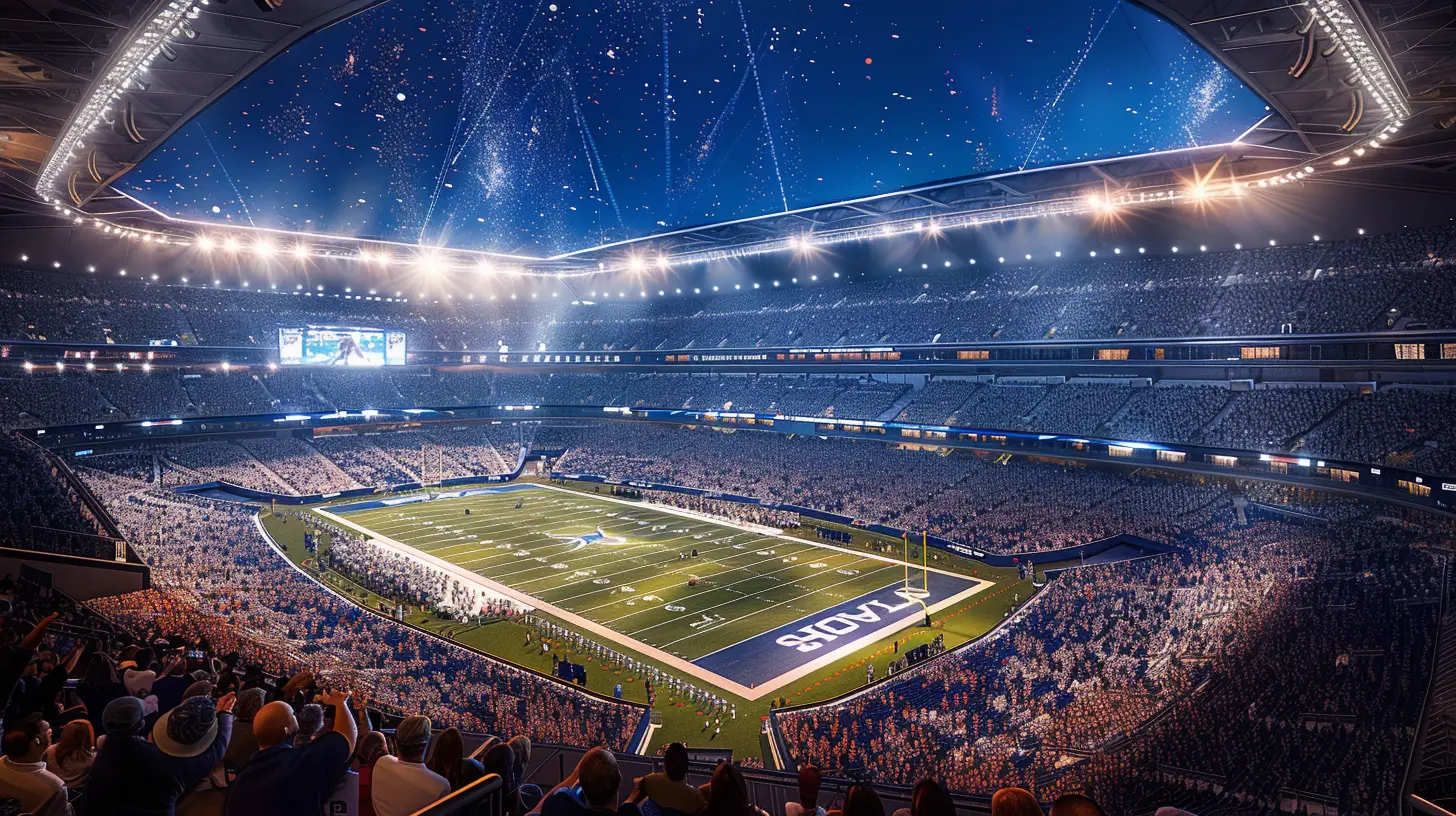
Acoustics: The Power of Sound
Ever heard of the “12th man”? That’s the fans. And when stadiums are designed to amplify sound, they become almost like weapons in the home team’s arsenal.Design Techniques That Boost Noise:
- Steep seating bowls: They push fans closer to the field, making cheers louder and more direct.- Closed roofs or partial covers: These bounce sound back into the field rather than letting it escape.
- Reflective materials: Some stadiums include surfaces that naturally bounce sound waves.
Take Seattle’s Lumen Field—it’s famous for being one of the loudest stadiums in the NFL. That’s not just the fans. The stadium's architecture traps noise like a giant megaphone, making it torture for visiting teams to communicate.
And let’s not underestimate the emotional impact. Loud cheers can pump adrenaline into players' veins. On the flip side, excessive noise can rattle the nerves of even the most seasoned opponents.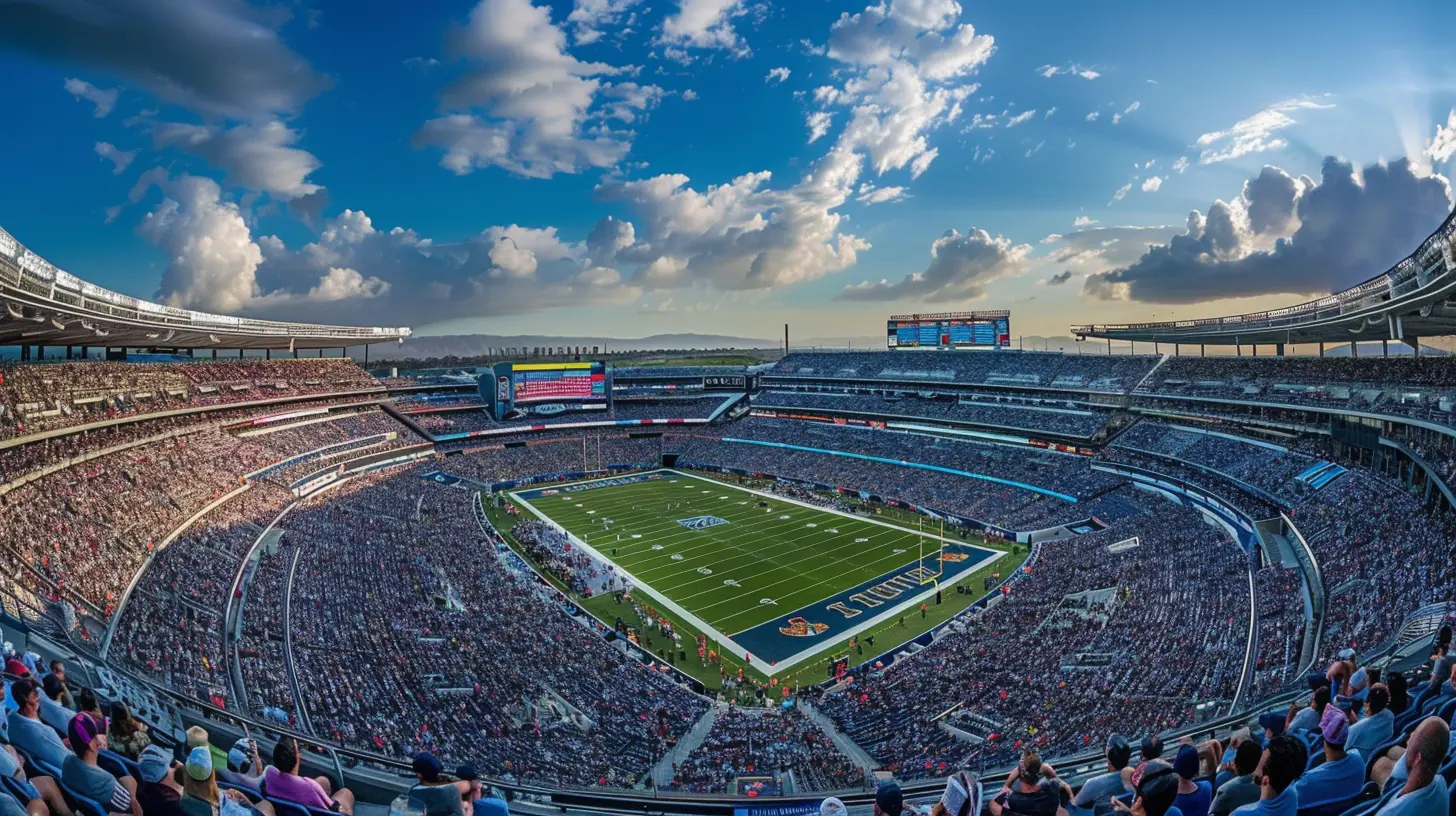
Lighting and Visibility
This might sound boring, but good lighting and sightlines are crucial. Athletes depend on sharp vision to react quickly, track the ball, and avoid injuries. Poor lighting or uneven shadows can throw off depth perception and response times.Stadiums with smart lighting layouts ensure that players get consistent visibility, regardless of the time of day or weather. Plus, glare from the sun or floodlights is less likely to impact home players who are used to it—it’s like having cheat codes.
Some teams even train at specific times to prepare for how the sun hits their field in the afternoon. Smart, right?
Altitude and Climate Control
Let’s zoom out a bit—location matters too. Stadiums built at high altitudes or in extreme weather conditions provide a major edge to the home team.Take Denver’s Empower Field at Mile High. It sits over 5,000 feet above sea level. Visiting teams often struggle due to the lower oxygen levels, while the Broncos—who train there constantly—are more acclimated.
Now, stadium design can amplify this edge:
- Indoor or hybrid roofs: These help control airflow and temperature.
- Heating systems under the turf: This ensures optimal playing conditions during cold months.
- Cooling stations in hot climates: Some teams install misters or shade structures to reduce heat stress.
When you walk into a stadium and immediately feel like nature’s trying to mess with your head, guess what? That was probably part of the plan.
Turf Wars: Natural Grass vs. Synthetic Fields
Now let’s talk surface. It’s not just about preference—it’s about precision.Pros & Cons:
- Natural Grass: Softer, cooler, and generally preferred by players for its cushioning. Over time, it wears out and needs maintenance.- Synthetic Turf: Durable and consistent, but can be harder on joints and increases the risk of certain injuries.
Some teams build their stadiums specifically to favor one type of surface based on their play style. Fast teams with quick cuts love turf because it gives them that extra bounce. Run-heavy teams might lean towards grass for more traction.
Teams that practice daily on their specific surface become absolute masters of it, while visiting teams may need a game or two to adjust—which they don’t get.
Field Dimensions and Layouts
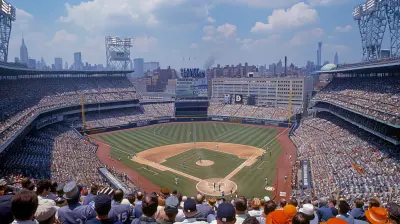
Here’s a sneaky one: not all playing fields are exactly the same.Sure, in sports like football and basketball, the dimensions are standardized. But baseball? That’s a whole different ballpark—literally.
Baseball Has the Most Variation:
- Outfield walls are different heights and distances.- Foul territories vary.
- Some stadiums have weird angles and corners.
Think about Fenway Park and its famous “Green Monster.” The Red Sox know exactly how to play around that giant wall while visiting teams are left guessing.
Even in soccer or rugby, slight tweaks in field width or pitch quality can affect how the game is played. Home teams train to perfection; opponents have to figure it out on the fly.
Locker Rooms and Player Facilities
Let’s step away from the field and peek behind the curtain. The player experience off the field matters too.Newer stadiums have state-of-the-art locker rooms, sensory recovery rooms, hydrotherapy pools, and even nap pods. These aren’t luxuries—they’re performance enhancers. An athlete that sleeps better, recovers faster, and gets mentally ready in a relaxing environment is going to outplay the competition.
Now picture the visiting team in a cold, cramped locker room with busted plumbing and metal folding chairs. The contrast is ridiculous, but it’s real.
Giving the home team everything they need to optimize performance while providing a less-than-cozy experience for visitors? That’s home-field psychology in action.
Fan Proximity and Engagement
You might think only the players matter, but the design of where fans sit and how involved they are is massive.Stadiums that put fans closer to the field create an intense, intimate atmosphere. Players can feed off the energy—whether it’s thunderous applause after a goal or a chant that echoes through their bones.
Some stadiums even strategically place supporter sections (those die-hard fans with drums and flags) behind the opponent’s bench or near the goal line, just to throw them off.
If you’ve ever watched a penalty kick in a soccer stadium where 30,000 fans are waving and screaming behind the goalkeeper—you know exactly what I mean.
The Role of Technology in Modern Stadiums
Tech is leveling up the stadium game in a big way. From smart lighting systems to AI-driven crowd monitoring, today’s stadiums are becoming smarter and more player-centric.High-Tech Features That Help Teams:
- Real-time analytics for coaches during games.- Wi-Fi-enabled helmets or comms (in select sports).
- HVAC systems that keep indoor temperatures precisely controlled.
- LED lighting that mimics natural sunlight to reduce fatigue.
Teams using these features during both training and games ensure players feel more comfortable and can focus purely on performance.
Travel and Time Zone Logistics
Yup, stadium location factors in again—especially in leagues where teams travel long distances. Flying into a different time zone, sleeping in unfamiliar hotels, and adjusting to a new routine can dull a visiting team's edge.Meanwhile, the home team wakes up in their own bed, eats their usual breakfast, and arrives at the stadium chill and focused.
Stadiums close to training facilities, airports, and even players' neighborhoods make game day less stressful. That’s a luxury the away team doesn’t get.
Historical Significance and Emotional Impact
Here’s a wild card—emotion. Legendary stadiums like Old Trafford or Lambeau Field carry history. Players grow up dreaming of playing there. Some teams feel invincible there. Others feel overwhelmed.The mystique of a stadium—its history, its rituals, its aura—can genuinely get inside a team’s head. And while that might not be "design" in the architectural sense, the layout, statues, murals, and ambiance all play a part in building that vibe.
So, Does Stadium Design Really Matter?
Heck yeah, it does. From sound and lighting to turf and locker room setups, the design of a stadium touches every element of the game. It’s like home court advantage on steroids.For pro teams, investing in stadium design isn’t about flashy lights and big screens—it’s about gaining every edge possible. And as fans? We get to enjoy the electric atmosphere while our teams get an invisible boost.
Next time you’re watching your team dominate at home, just remember—it’s not just skill and strategy. Sometimes, it’s the stadium whispering, "We’ve got your back.
all images in this post were generated using AI tools
Category:
StadiumsAuthor:

Umberto Flores
Discussion
rate this article
1 comments
Atlas Lane
Stadium design shapes more than just aesthetics. It creates an environment where teams thrive and fans ignite passion. A well-designed space can elevate performance and unite a community. Let's change the game!
June 3, 2026 at 10:33 AM