How Stadiums Are Adjusting to the Challenges of Climate Change
8 April 2026
Let’s face it—sports stadiums are more than just giant concrete bowls where fans cheer on their favorite teams. They're cultural landmarks, community gathering spots, and, yes, massive energy consumers. But here’s the kicker: as the planet heats up and extreme weather events become the norm rather than the exception, stadiums are facing some serious pressure to adapt.
So, how exactly are these massive venues stepping up to tackle one of the biggest issues of our time—climate change?
Whether you’re a die-hard sports fan, an eco-warrior, or just someone curious about where your favorite stadium is heading, buckle up. We’re diving into the very real ways sports stadiums around the world are adjusting to the challenges of climate change—and why it matters, big time.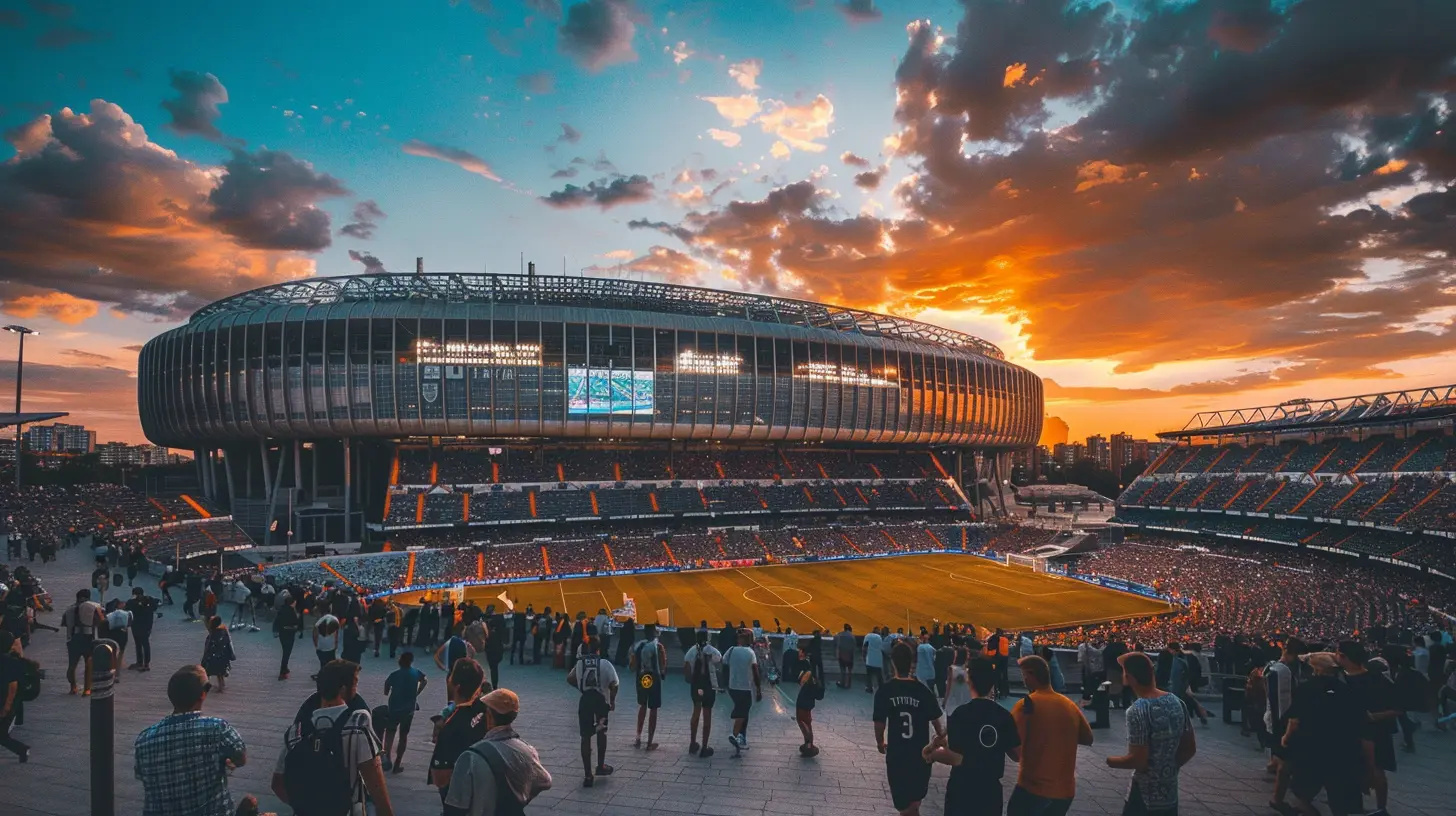
Climate Change & Stadiums: What’s the Connection?
You might be thinking, “Aren’t stadiums just buildings?” Sure, but they’re not just any buildings. These massive structures chew up energy, gobble water, and pump out carbon emissions like nobody's business. They host thousands—sometimes tens of thousands—of people in a single day, with all the lighting, cooling, heating, and waste that comes with it.Now throw in rising temperatures, flash floods, wildfires, and air pollution, and it’s clear stadiums are both part of the problem and crucial to the solution.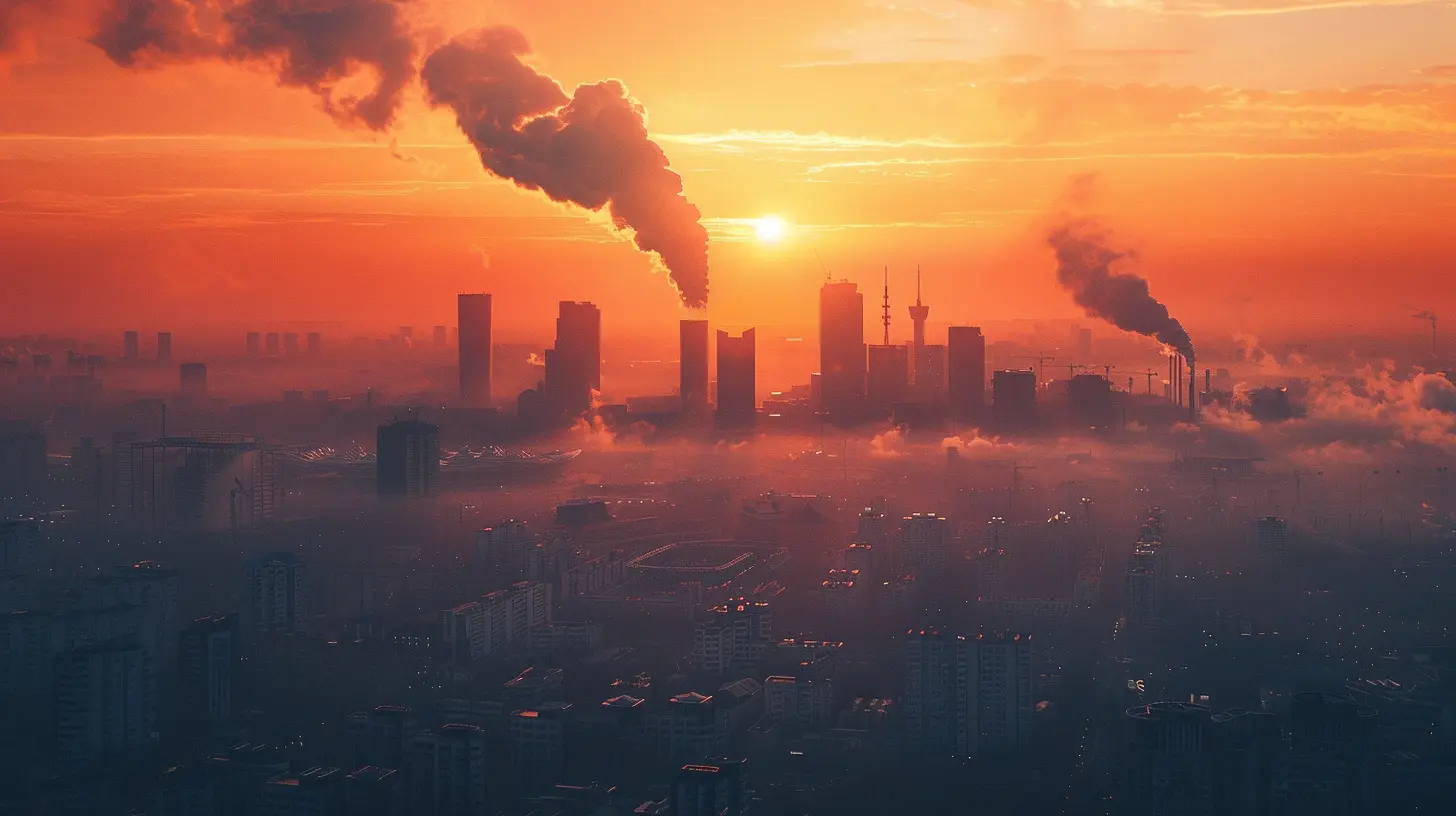
The Rising Heat: Keeping It Cool Without Burning the Planet
Here’s the thing: climate change means hotter summers, and sports—especially baseball, soccer, and football—often thrive during summer seasons. The dilemma? Fans and players sweating buckets in roasting-hot stadiums.So, what are venues doing about it?
Installing Cooling Innovations
Some newer stadiums have installed advanced, energy-efficient cooling systems. Take Qatar’s stadiums for example. Designed for sweltering desert heat, they use solar-powered air conditioning that keeps fans and players from melting without wrecking the environment.In the U.S., stadiums like the Mercedes-Benz Stadium in Atlanta have focused on better air flow and shaded seating to beat the heat without over-relying on AC units.
Building with Smarter Materials
Stadium architects are getting crafty. Reflective roofing, better insulation, and smart glass windows help keep interiors cooler without having to crank the AC. Some places have even gone as far as growing real greenery on rooftops. Not only does it look cool—it keeps things cool.
Water Woes: Wasted No More
Water is a precious resource, and stadiums use tons of it—for fields, restrooms, concessions, and cleaning. But as many cities face water shortages and droughts, stadiums are rethinking how they use every drop.Catching Rain & Recycling Greywater
Rainwater harvesting systems are coming in clutch. These systems store rainwater during big storms and reuse it for things like watering the field or flushing toilets. Some stadiums have even set up systems to recycle greywater (used water from sinks and showers) to keep the grass green and drinks flowing.Wimbledon, for example, has an impressive water management system that includes underground reservoirs and smart irrigation. The turf stays lush—without making Mother Nature cry.
Letting the Grass Grow Greener
Sprinklers that know when it rained last night? Yup, we’ve got those now. Smart irrigation controlled by weather data reduces unnecessary watering. Combine that with drought-tolerant grass species, and stadiums are keeping their fields healthy without acting like water hogs.
Going Solar: A Bright Idea That’s Catching On
Most stadiums sit under wide-open skies—so why not use that roof space to soak up the sun?Solar Panels: Not Just for Hippies
Eco-conscious stadiums around the globe are turning their roofs into solar farms. The Levi's Stadium, home of the San Francisco 49ers, has over 1,000 solar panels that actually generate enough power to support an entire game sustainably. That’s pure gold for their carbon footprint.Let’s not forget the Amsterdam ArenA, which powers its stadium with solar panels and even stores excess energy in used car batteries. Talk about innovation.
Recycling and Waste Management: From Trash Talk to Talking Trash (Responsibly)
You’ve probably seen it: overflowing bins after a game, half-eaten hot dogs, and plastic cups for days. But now, stadiums are stepping up to deal with waste more intelligently.Zero-Waste Goals
More and more stadiums are aiming to become zero-waste facilities. This means that almost nothing goes to landfills. How? Through a combination of composting, recycling, and working with vendors to reduce packaging.The Climate Pledge Arena in Seattle has committed to being the first zero-carbon arena in the world. That means everything—from hot dog wrappers to beer cups—is either compostable or recyclable. Nothing wasted. Literally.
Fan Education Matters
It's not just about setting up bins. Stadiums are working hard to educate fans on how to sort their trash. Clear signage, helpful ushers, and even mobile apps are helping people make more sustainable choices.Because hey, if you're going to scream for your team, you might as well cheer for the planet too, right?
Transportation: Getting to the Game Without Gassing Up
One of the less obvious, but MAJOR contributors to a game’s carbon footprint isn’t the stadium itself—it’s how fans get there. Think thousands of cars idling in traffic, burning fuel, and spewing emissions.Promoting Public Transit & Biking
Progressive stadiums are teaming up with cities to beef up public transportation options on game days. Some even offer discounts if you ride the train or bus to the venue.Others, like the Portland Timbers’ Providence Park, are nestled right in the city core, making it super walkable and bike-friendly. You can literally roll up to the game on your bike, park it safely, and still have time to grab a pretzel before kickoff.
Electric Vehicle Charging Stations
Some stadiums are even putting in EV charging stations to encourage fans to go electric. It’s a small but meaningful step that shows they're thinking about sustainability on and off the field.Building Green from the Ground Up
Sometimes it’s better to start fresh. New stadiums are being built with sustainability as a core value, not an afterthought.LEED Certification: The Gold Standard
LEED (Leadership in Energy and Environmental Design) certification has become a badge of honor for environmentally responsible buildings—including stadiums. To earn it, a venue has to meet strict standards in everything from energy use and water savings to air quality and materials.Mercedes-Benz Stadium, for example, was the first sports stadium to receive LEED Platinum certification—the highest level. It’s basically the MVP of green buildings.
Repurposing Old Materials
Some stadiums are taking the green route even further by recycling building materials or using local, eco-friendly resources. It's like giving the old stadium a second life while saving on emissions from long-haul transport.Weather-Ready Stadiums: Because the Game Must Go On
Climate change isn’t just about long-term shifts—it’s also about extreme weather. Think sudden downpours, high winds, and even wildfires. Stadiums need to be ready for anything.Flood-Proofing and Drainage Systems
Modern stadiums have intricate drainage systems that evacuate water quickly. That means no swampy fields and no games getting rained out. Some also sit on elevated platforms to keep them safe from rising sea levels.Emergency Protocols and Air Quality Monitoring
With more wildfires (especially in the western U.S.), air quality during outdoor games is a real concern. Some stadiums have put in air quality sensors and evacuation procedures to keep fans and players safe.The Role of Fans & Teams: It's a Team Effort
Look, the stadium can do a lot—but fans and teams have to play their part too.Teams Speaking Out
Athletes and franchises are using their platform for good. From raising awareness about climate change to donating to eco-charities, sports teams are becoming climate advocates.Fan Engagement Programs
Many stadiums offer incentives for fans who bring reusable bottles or carpool. Some run "green games" where the entire event is centered on sustainability—complete with giveaways and info booths.Because at the end of the day, real change happens when everyone plays together.
What’s Next: The Future of Sustainable Stadiums
The changes we’re seeing now? They’re just the beginning.In the next decade, expect even bigger leaps—like 100% off-grid stadiums powered by renewables, AI-driven energy management systems, and carbon-negative construction practices.
And who knows? Maybe the next time you’re at a game, you’ll be sitting under a solar canopy, sipping water from a recycled bottle, and cheering for a team that just won a sustainability award.
Not a bad way to spend a day.
Final Thoughts
Stadiums are more than just buildings. In many ways, they reflect who we are and what we value. Right now, they’re telling a new story—a story of responsibility, innovation, and hope.Adjusting to climate change isn’t easy. It takes money, planning, and lots of teamwork. But the transformation is already happening, and it’s changing the game—for the better.
So, the next time you're screaming your lungs out at a game, take a moment to look around. From the solar panels above your head to the compost bin beneath your nacho tray, know that you’re part of something much, much bigger.
all images in this post were generated using AI tools
Category:
StadiumsAuthor:

Umberto Flores
Discussion
rate this article
2 comments
Charlie McFarlin
This article sheds light on an important topic. It's encouraging to see stadiums taking proactive steps to address climate change. By implementing sustainable practices, they not only enhance fan experience but also contribute to a healthier planet. Let's hope more venues follow this path toward a greener future.
May 5, 2026 at 3:43 AM
Umberto Flores
Thank you for your thoughtful comment. It's great to see more venues prioritizing sustainability and making a real impact. Let's keep pushing for positive change!
Kiera Frank
Forget luxury boxes—can we get climate-controlled popcorn stands? If we're saving the planet, at least let me enjoy my nachos without melting!
April 14, 2026 at 4:57 AM
Umberto Flores
That's a solid idea! Keeping snacks at the right temp while going green is a win-win. Let's hope stadiums start considering this.