How Stadiums Are Becoming Multi-Use Entertainment Hubs
5 August 2026
Let’s face it—stadiums aren’t just for sports anymore. Gone are the days when these giant concrete arenas hosted games a few times a month and sat empty the rest of the time. Instead, stadiums around the world are transforming into full-blown entertainment hubs that cater to all kinds of experiences—not just touchdowns and home runs.
This evolution isn’t just exciting for sports fans—it’s a game-changer for everyone.
So, what’s really going on behind those gates? How are stadiums being reimagined into something far more versatile and immersive than ever before? Stick around, because this ride is full of surprises.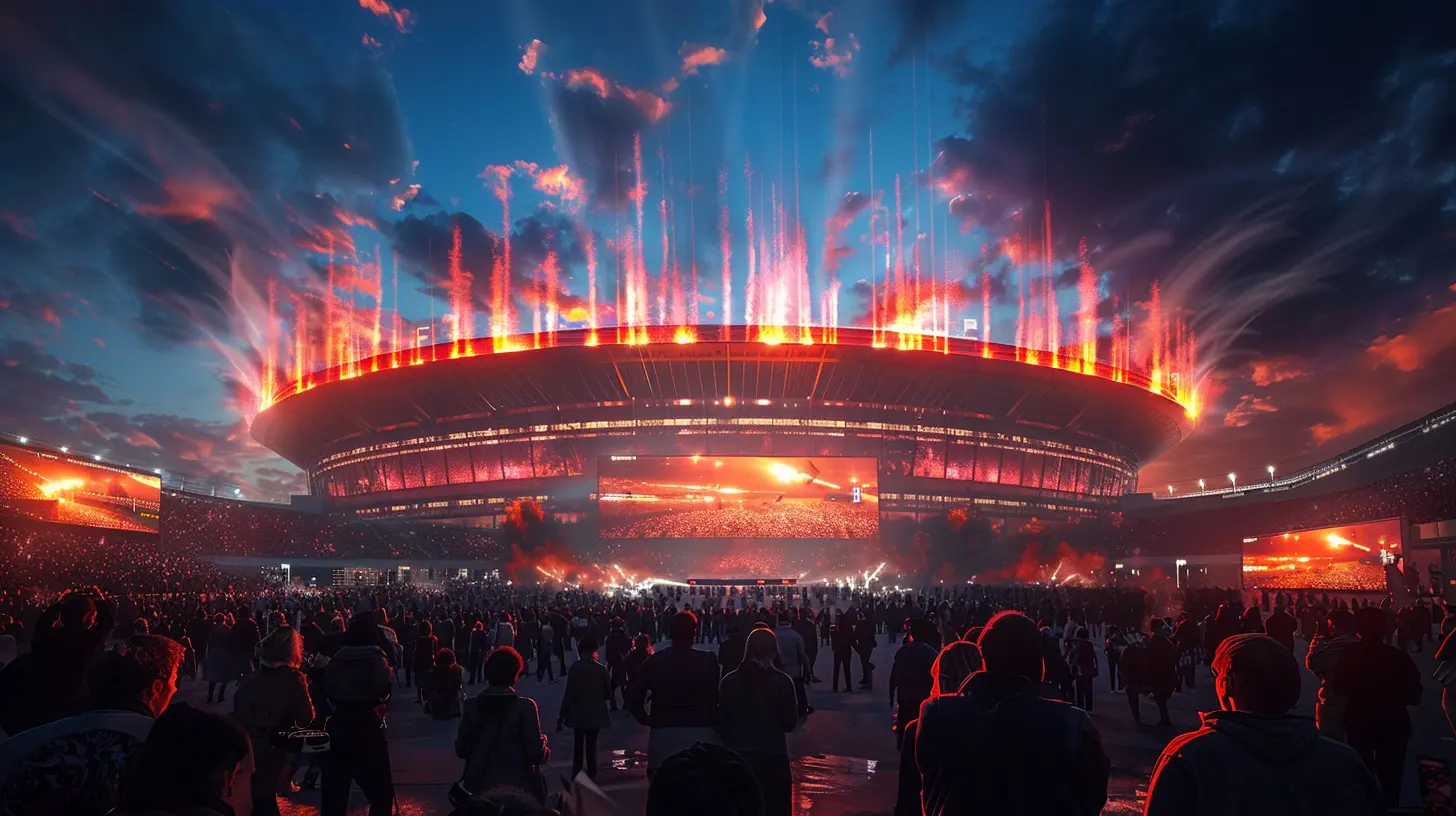
The Shift: From Game Days to Everyday Attractions
Traditionally, stadiums were built with one purpose—to host sports. That was it. Football on Sundays, baseball in the summer, maybe a concert or two if you were lucky. But times have changed. Owners, investors, and cities realized something important: these massive spaces could do a whole lot more.Let me ask you—why let a facility that holds 60,000 people sit empty 80% of the time?
That just doesn’t make sense economically or socially. Today, stadiums are being designed and renovated not just with fans in mind, but with communities, tourists, and everyday visitors as well.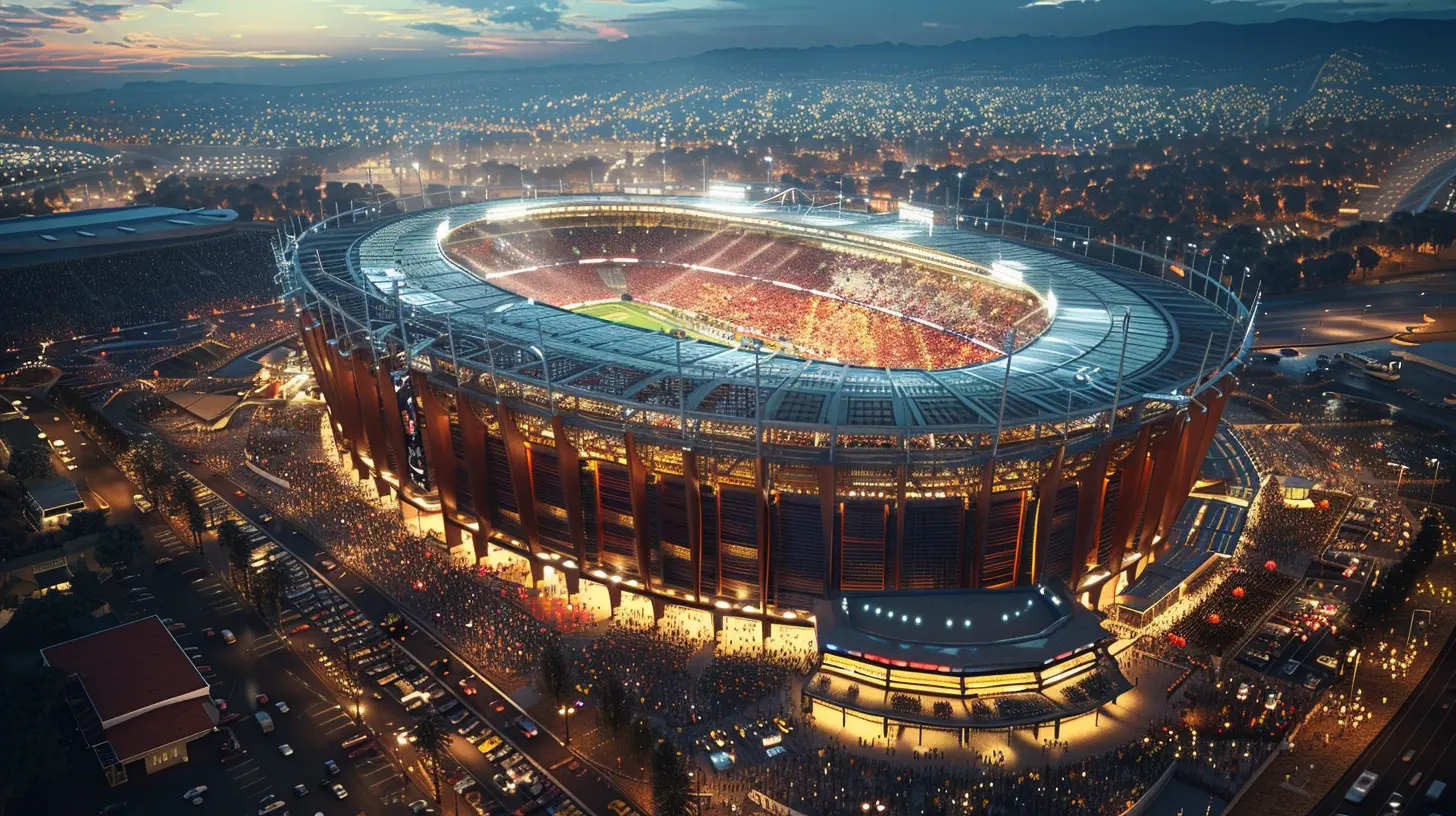
Entertainment Beyond Sports: What’s Inside the Modern Stadium?
You’d be surprised by what you can now find inside (and around) a stadium. It’s no longer just beer, bleachers, and hot dogs. Think upscale restaurants, rooftop bars, retail shops, museums, coworking spaces, and even hotels. Yup—hotels.1. Restaurants and Nightlife
Modern stadiums are now home to full-fledged dining experiences. We’re not talking about greasy concession stand burgers either. Think celebrity chef-run kitchens, wine bars, and rooftop lounges with city views. These venues stay open year-round, game day or not.➤ Example: The Los Angeles Rams’ SoFi Stadium has a whole entertainment district that includes high-end dining and nightlife. You can literally have a night out without even entering the stadium gates.
2. Live Concerts and Festivals
Why build a separate venue for music events when the stadium already has world-class acoustics and seating? Many stadiums are doubling as concert venues, with artists like Taylor Swift, U2, and Bad Bunny headlining massive events that sell out in minutes.Plus, music festivals are taking advantage of the open space and infrastructure. It’s a win-win—for organizers and attendees.
3. Retail and Shopping Experiences
Some stadium complexes now resemble lifestyle shopping malls. Not even joking.➤ Example: Mercedes-Benz Stadium in Atlanta offers access to retail shops where fans and visitors can buy everything from team jerseys to local artisan goods.
It’s like Amazon meets Game Day IRL.
4. Office Spaces and Work Hubs
Believe it or not, some stadiums even offer coworking spaces and business suites. Just imagine working with a killer view of the field, then grabbing a drink at the stadium bar when you're done. Yeah, that’s happening.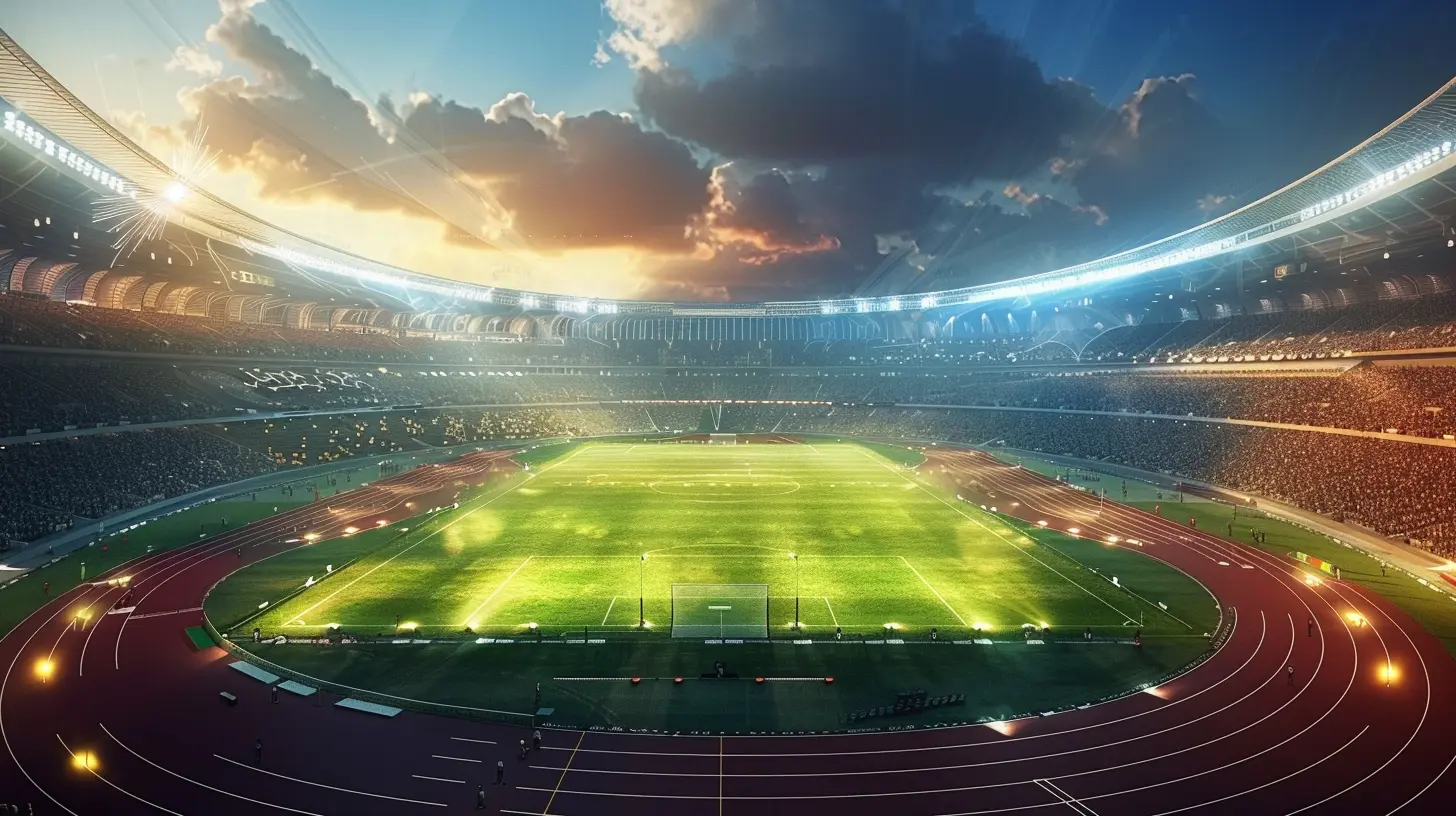
The Rise of Stadium-Integrated Districts
The real magic happens when stadiums go beyond their walls.Cities are starting to develop entire districts that center around stadiums. Picture hotels, apartments, parks, restaurants, and even schools clustered around one entertainment hub. These aren't just sports-focused zones—they're live-work-play spaces.
➤ Example: The Dallas Cowboys’ AT&T Stadium is at the heart of The Star in Frisco, a 91-acre development that includes everything from retail to medical offices.
It’s like someone took a stadium and built a whole lifestyle ecosystem around it.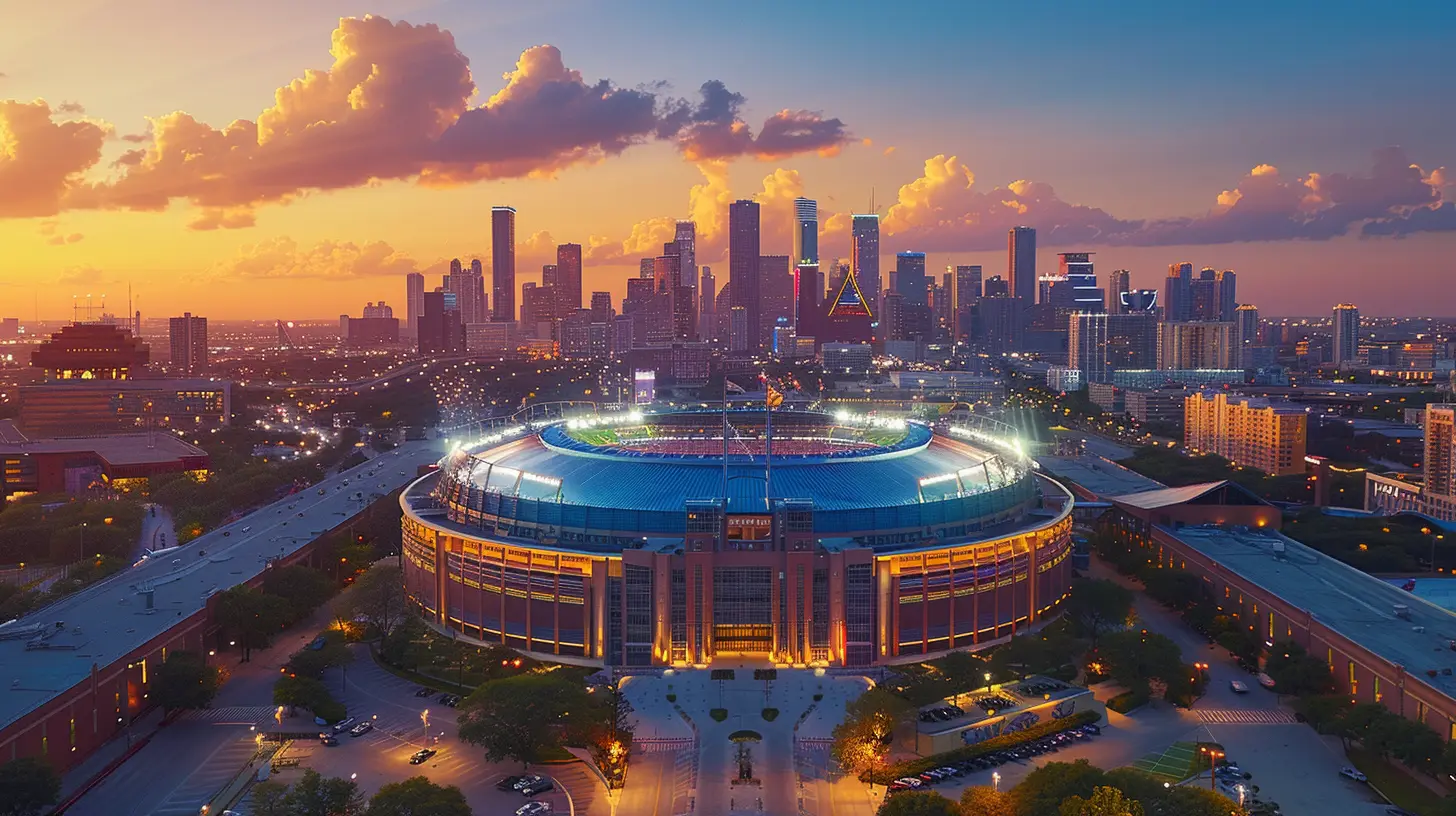
Sustainable and Smart Stadiums: The Next Chapter
It’s not all about glitz and glamor—there’s a conscious effort being made toward sustainability and smart tech integration too. As stadiums evolve into multi-use spaces, they also need to be efficient and environmentally friendly.1. Going Green
New stadiums are being built with green materials and energy-efficient systems. Solar panels, water recycling systems, and composting programs are becoming commonplace.➤ Example: Climate Pledge Arena in Seattle is aiming to be the first net-zero carbon certified arena in the world.
2. Smart Technology
IoT (Internet of Things) is playing a huge role. Think smart parking systems, app-connected seats, facial recognition entries, and augmented reality features that enhance the fan experience whether you’re there for a game or a concert.You don’t just go to an event—you interact with it.
The Financial Angle: Making Every Square Foot Count
From an economic standpoint, turning a stadium into a multi-use facility just makes sense. Why rely on ticket sales for 20 games a year when you can bring in steady revenue 365 days a year?Multi-use stadiums are profitable. They create jobs. They attract tourists and local spending. And for cities, that means more tax revenue.
It’s like turning an old, dusty trophy into a gold mine.
The Community Connection
Let’s not forget the human side of this transformation. These entertainment hubs are becoming gathering places for communities. They host charity events, farmers markets, movie nights, cultural festivals, and even weddings.Yes, someone you know probably got married on the 50-yard line.
When you build experiences instead of just venues, people show up for more than just the highlights—they come for the memories.
Challenges in the Evolution
Of course, it’s not all easy touchdowns. With this shift comes challenges:- Cost: Multi-use development isn’t cheap.
- Traffic & Noise: More events can mean more congestion.
- Security: You’re now dealing with a much wider demographic base.
- Identity: Some purists feel like the soul of the stadium is being lost.
Still, most agree that the benefits outweigh the downsides. Cities, sports franchises, and fans are generally onboard because the payoff—financially and culturally—is hard to ignore.
What This Means for the Future of Sports and Entertainment
So, what’s the big picture?We’re heading toward a world where stadiums are no longer just destinations for die-hard fans. They’re becoming vibrant, dynamic centers of entertainment, culture, economy, and community.
If you think of the stadium of the future, you’re not imagining bleachers and beer anymore. You’re imagining a place where you can spend an entire day eating, shopping, working, playing, and yes—still catching a game.
Kind of wild, right?
Final Thoughts: A Stadium for Everyone
The metamorphosis of stadiums into multi-use entertainment hubs is one of the most exciting shifts happening in urban life right now. It's about breaking down barriers—between sports and music, between game days and weekdays, between die-hard fans and casual visitors.At the end of the day, it’s all about bringing people together. And what better way to do that than through shared experiences in places designed for exactly that?
So, next time you pass by a stadium, don’t just think of cheering crowds and end zones—think of what else it could be. Because odds are, it’s already so much more.
all images in this post were generated using AI tools
Category:
StadiumsAuthor:

Umberto Flores
Discussion
rate this article
1 comments
Everett Mendoza
As stadiums evolve into entertainment hubs, a hidden world unfolds. What happens when sports collide with concerts, festivals, and pop-up experiences? Are these venues transforming into something beyond mere games, or is there something deeper lurking beneath the surface of this new era?
August 10, 2026 at 11:47 AM