How to Choose the Right Weightlifting Belt for Your Strength Goals
12 January 2026
When it comes to strength training, a weightlifting belt can be a game-changer. Whether you're a powerlifter pulling insane amounts of weight or just someone looking to improve their squat form, the right belt can make all the difference. But with so many options out there, how do you pick the one that suits your needs?
Let’s break it down and help you find the perfect weightlifting belt for your strength goals.
Why Use a Weightlifting Belt?
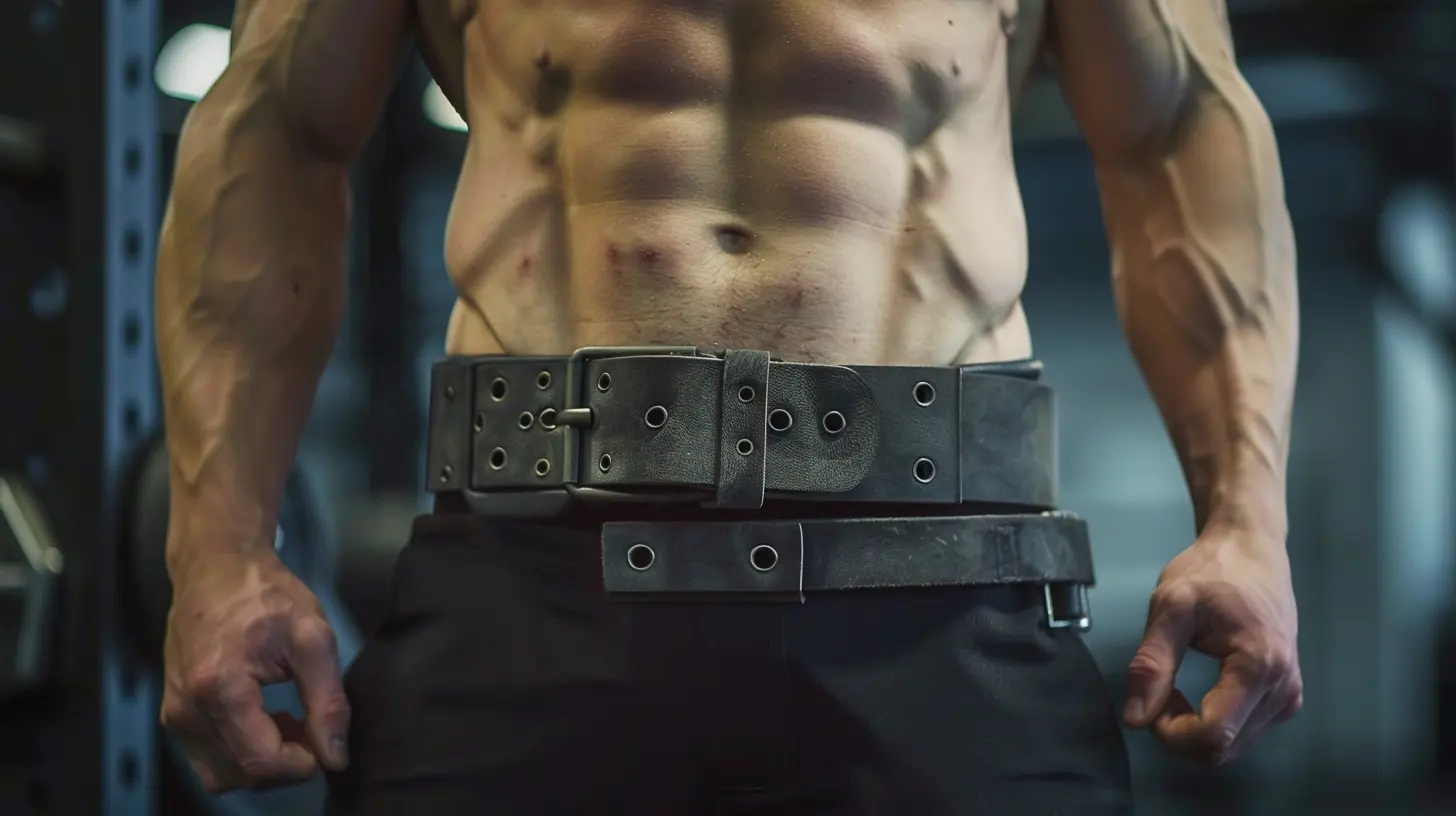
Before we dive into how to choose one, let’s address the big question: Do you even need a weightlifting belt?A belt isn’t just about looking like a pro in the gym. It serves a functional purpose—helping to increase intra-abdominal pressure, stabilize your core, and ultimately reduce injury risk. If you're lifting heavy loads, having that extra support around your midsection can be the difference between hitting a new PR and walking out with a tweaked back.
But here's the catch: A belt won’t magically make you stronger or fix poor form. It’s a tool, not a crutch. 
Factors to Consider When Choosing a Weightlifting Belt
Not all weightlifting belts are created equal. From material to width, every aspect plays a role in how well it supports you. Let’s go through the key factors one by one.1. Belt Thickness
Weightlifting belts typically range from 6mm to 13mm in thickness. But what does that mean for you?- 6mm-10mm belts – A great option for beginners or casual lifters. A 10mm belt offers good support while still being flexible.
- 13mm belts – Best for serious powerlifters. These belts provide maximum support but can feel stiff and require a break-in period.
If you’re just getting started or doing general strength training, a 10mm belt is usually the way to go. For competitive lifters going for heavy squats and deadlifts, a 13mm belt might be worth considering.
2. Width of the Belt
Weightlifting belts come in various widths, but the two most common options are 4 inches and 6 inches.- 4-inch belts – Standard width, offering solid support for most lifters. Best for powerlifting and heavy compound lifts.
- 6-inch belts – Provides extra back support, often preferred by bodybuilders and lifters with longer torsos.
For most people, a 4-inch belt is the most balanced choice. It provides enough support without digging into your ribs or hips.
3. Material: Leather vs. Nylon
There are two primary types of weightlifting belts: leather belts and nylon belts. Each has its pros and cons.Leather Belts
✅ Best for powerlifting and heavy lifting✅ Stiff and durable, providing maximum support
✅ Long-lasting investment
❌ Takes time to break in
❌ Can feel rigid and uncomfortable at first
Nylon Belts
✅ More flexible and comfortable✅ Good for Olympic lifts and CrossFit
✅ Usually has Velcro, making it easy to adjust
❌ Offers less support than leather
❌ Velcro may wear out over time
If you’re into powerlifting, heavy squatting, or deadlifting, go with a leather belt. If you prefer Olympic lifts, CrossFit, or lighter weight training, a nylon belt might be the better option.
4. Buckle vs. Lever vs. Velcro Closure
How your belt fastens is another important factor. There are three main options:Buckle Belts
- Feature a single-prong or double-prong closure.- Offers secure fastening but takes longer to adjust.
- Best for traditional powerlifting and general strength training.
Lever Belts
- Uses a lever mechanism to tighten.- Quick to put on and take off.
- Great for powerlifters lifting max weights.
Velcro Straps
- Found on nylon belts.- Easy to adjust but can wear out over time.
- Best for dynamic movements like Olympic lifting or CrossFit.
For powerlifting, a lever or prong buckle belt is your best bet. If you need something more flexible, Velcro works well for training that involves frequent belt removal. 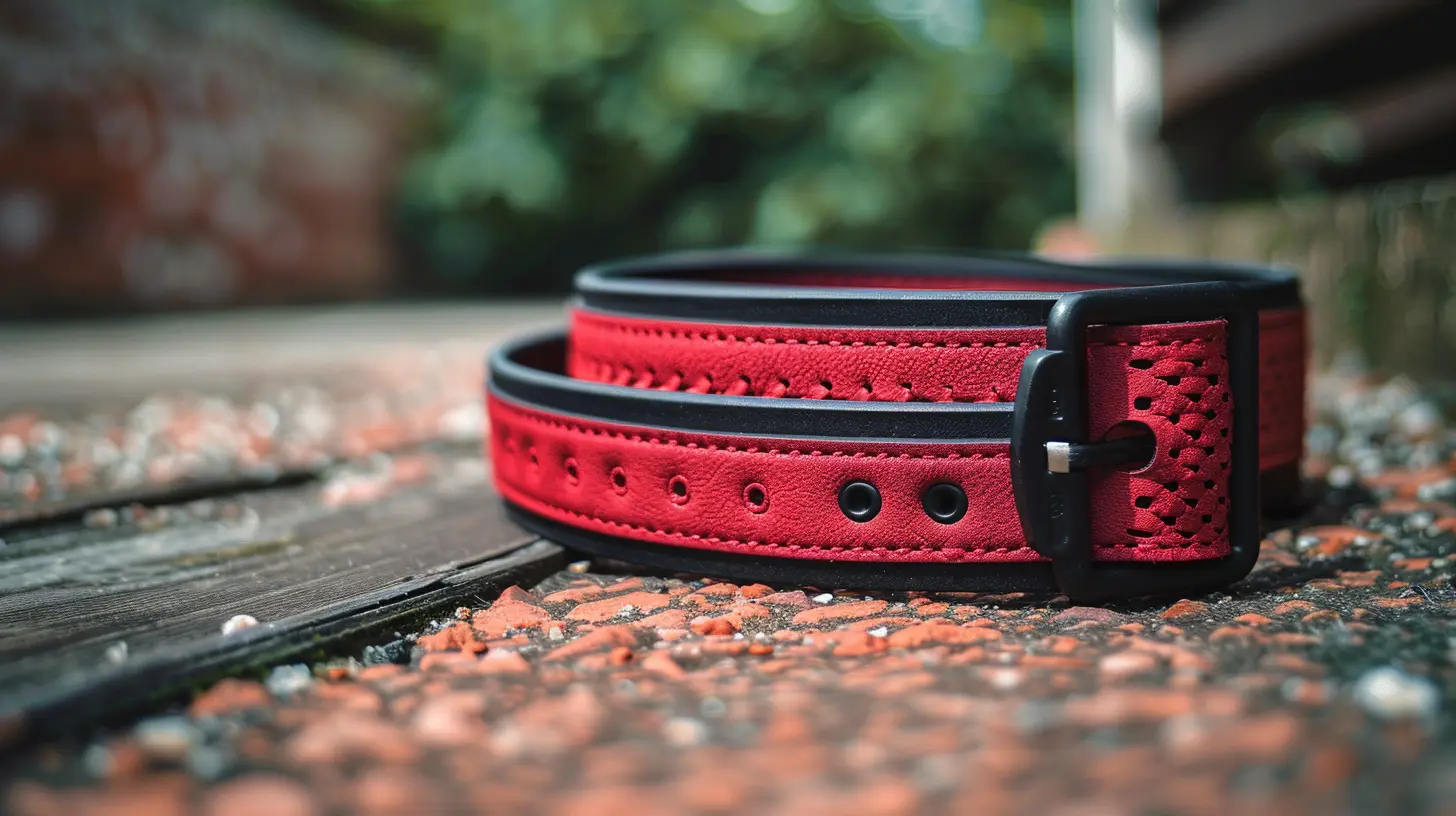
Choosing the Right Belt Based on Your Strength Goals
Ultimately, the best belt for you depends on your specific training goals. Let’s match the right belt to your needs.1. Powerlifting & Strongman Training
- Recommended Belt: 10mm or 13mm leather belt- Closure Type: Lever or prong buckle
- Why? You need a belt that maximizes intra-abdominal pressure for squats, deadlifts, and heavy presses.
2. Olympic Weightlifting & CrossFit
- Recommended Belt: Nylon belt with Velcro- Closure Type: Velcro for quick adjustments
- Why? Flexibility is key here, as lifts like the clean & jerk and snatch require more mobility.
3. Bodybuilding & General Strength Training
- Recommended Belt: 6mm–10mm leather or nylon belt- Closure Type: Prong buckle or Velcro
- Why? Support is needed, but mobility matters for hypertrophy-style training.
4. Beginners & Casual Lifters
- Recommended Belt: 6mm–10mm leather or nylon belt- Closure Type: Single-prong buckle or Velcro
- Why? You want something supportive yet comfortable as you build strength and technique.
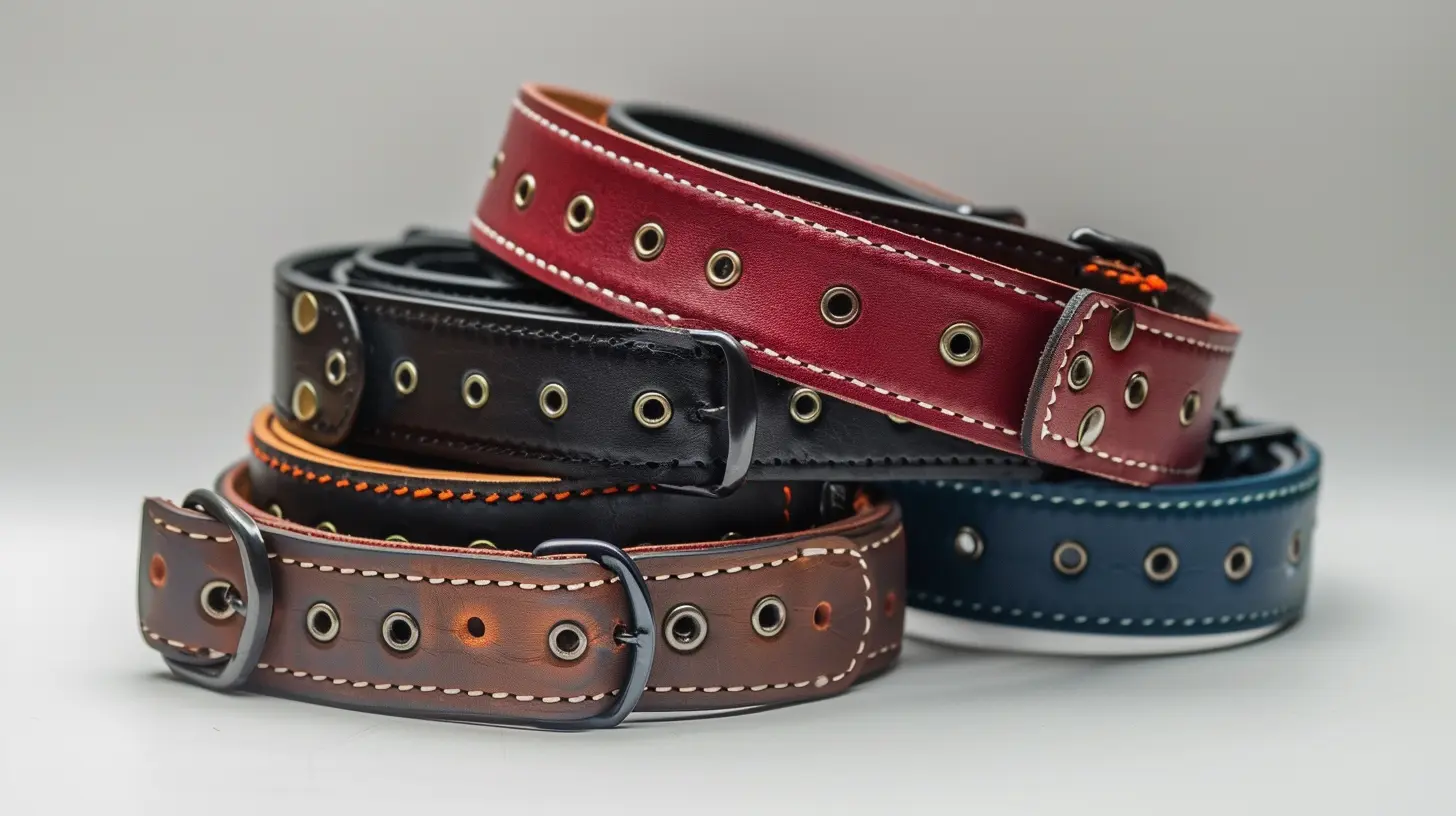
Common Mistakes When Choosing a Weightlifting Belt
Even if you pick the "right" belt, mistakes can still happen. Here are a few pitfalls to avoid:1. Wearing the belt too high or too low – It should sit around your midsection, allowing you to brace against it.
2. Getting a belt that’s too loose – If it’s not tight enough, it won’t provide the support you need.
3. Only using a belt for every lift – A belt should enhance your training, not replace proper bracing techniques.
4. Ignoring comfort – If your belt is too stiff or digs into your ribs, it might not be the best fit for you.
Final Thoughts
Choosing the right weightlifting belt isn’t a one-size-fits-all situation. It all comes down to your specific lifting style, goals, and personal comfort. A well-chosen belt can provide the extra support you need to lift heavier and stay injury-free, but it shouldn't be a crutch. Focus on technique first, and let your belt enhance—not replace—your core strength.So, whether you’re chasing a 500-lb deadlift or just looking to stay safe under the bar, pick a belt that suits your needs and get lifting!
all images in this post were generated using AI tools
Category:
Sports GearAuthor:

Umberto Flores
Discussion
rate this article
2 comments
Betsy Wilcox
Great insights! Choosing the right weightlifting belt can truly elevate your strength training results. Keep pushing!
February 24, 2026 at 4:09 AM
Umberto Flores
Thank you! I'm glad you found the insights helpful. Choosing the right weightlifting belt is key to optimizing your training! Keep lifting strong!
Kristina Mason
Selecting the right weightlifting belt involves considering factors like thickness, material, and width to ensure optimal support, comfort, and alignment with your specific strength training goals.
January 14, 2026 at 11:17 AM
Umberto Flores
Thank you for highlighting these important factors! Choosing the right weightlifting belt is crucial for maximizing support and comfort during training.