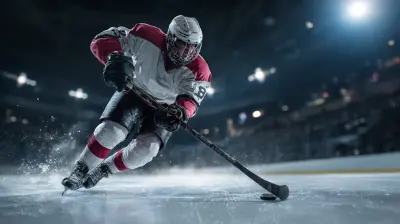
How to Handle Breakaways: A Goalies Perspective
16 February 2026
Breakaways. They're the moment when time slows down, the crowd holds its breath, and every goalie’s heart skips a beat. It’s just you and the shooter—no help, no time to think, just pure reaction and instinct. From a goalie’s perspective, it can either be the most electrifying rush or a total nightmare.
But here’s the thing: breakaways don’t have to be scary. In fact, with the right mindset, positioning, and preparation, they can be your time to shine.
So, whether you're a fresh-faced netminder or a seasoned vet looking to tighten up your technique, let’s dive deep into how to handle breakaways like a boss—goalie style.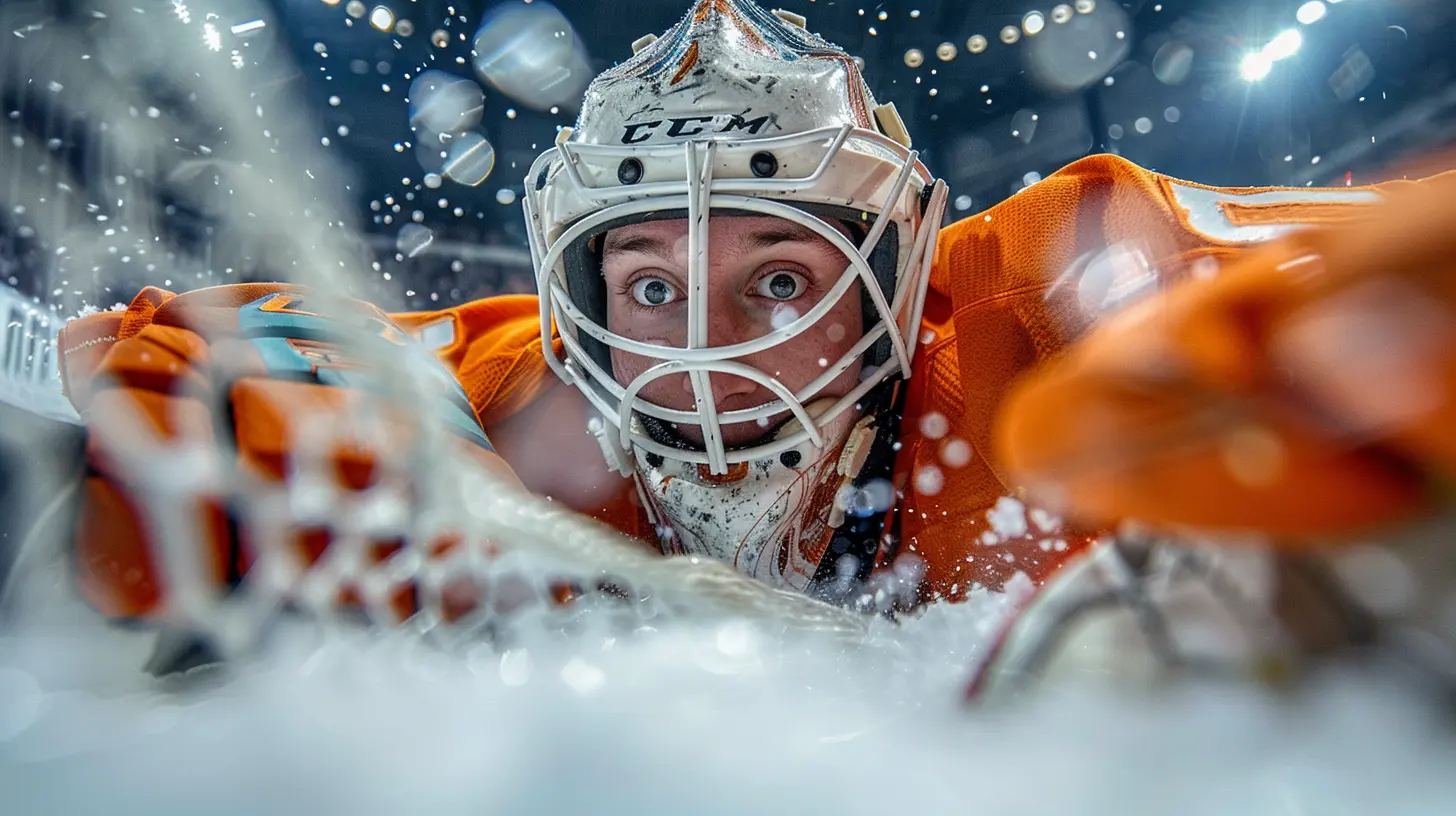
🧠 The Mental Game: Confidence is Everything
Before breaking down mechanics or positioning, let’s talk about your headspace. Because during a breakaway, your mental toughness matters just as much—if not more—than your physical skills.Don’t Panic, Prepare
Goalies who panic during breakaways often commit early or overreact. Guess what? Shooters notice that. They feed on panic. Instead, teach yourself to stay calm under pressure. The more breakaways you face in practice, the more you’ll desensitize yourself to the chaos.Think Like a Shooter
Ask yourself: What is the shooter trying to do here? Are they winding up for a deke? Are their eyes locked on the five-hole? Once you start reading body language and stick positioning, you’ll gain the upper hand.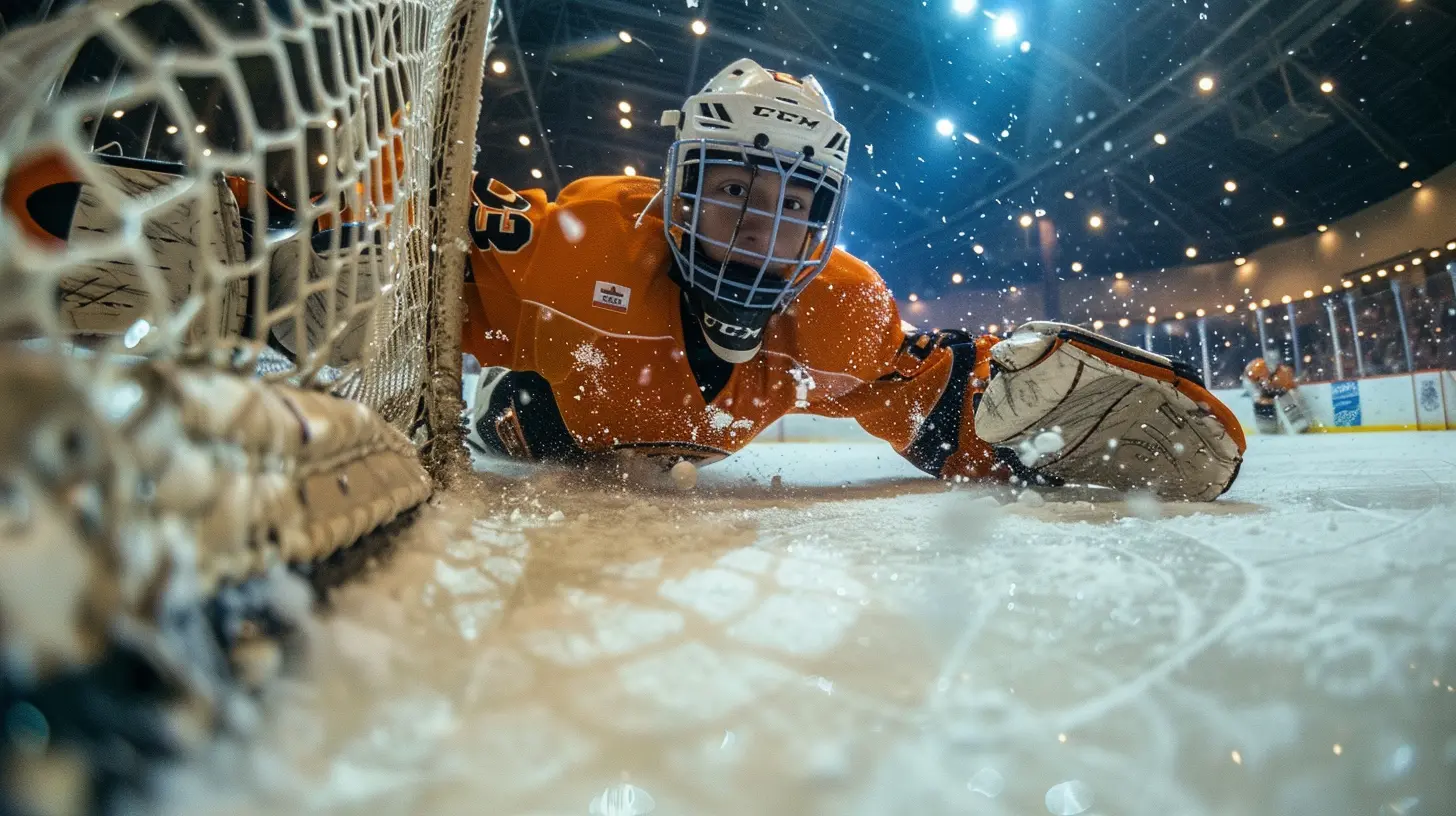
🏒 Reading the Play: Anticipate, Don’t Guess
Anticipation is about reacting quickly. Guessing? That’s gambling, and in the net, that rarely ends well.Watch the Hands, Not the Puck
This is one of the golden rules. The puck can be deceptive—players will throw head fakes, shoulder dips, and puck movements to fool you. But their hands? Those don’t lie. The position of a shooter’s hands tells you everything about what comes next.Gauge Their Speed
A skater coming in fast is more likely to shoot. Slower approach? Possible deke. This simple observation changes your whole game plan for the next few seconds. Recognizing this early can be the difference between a clean save and getting undressed.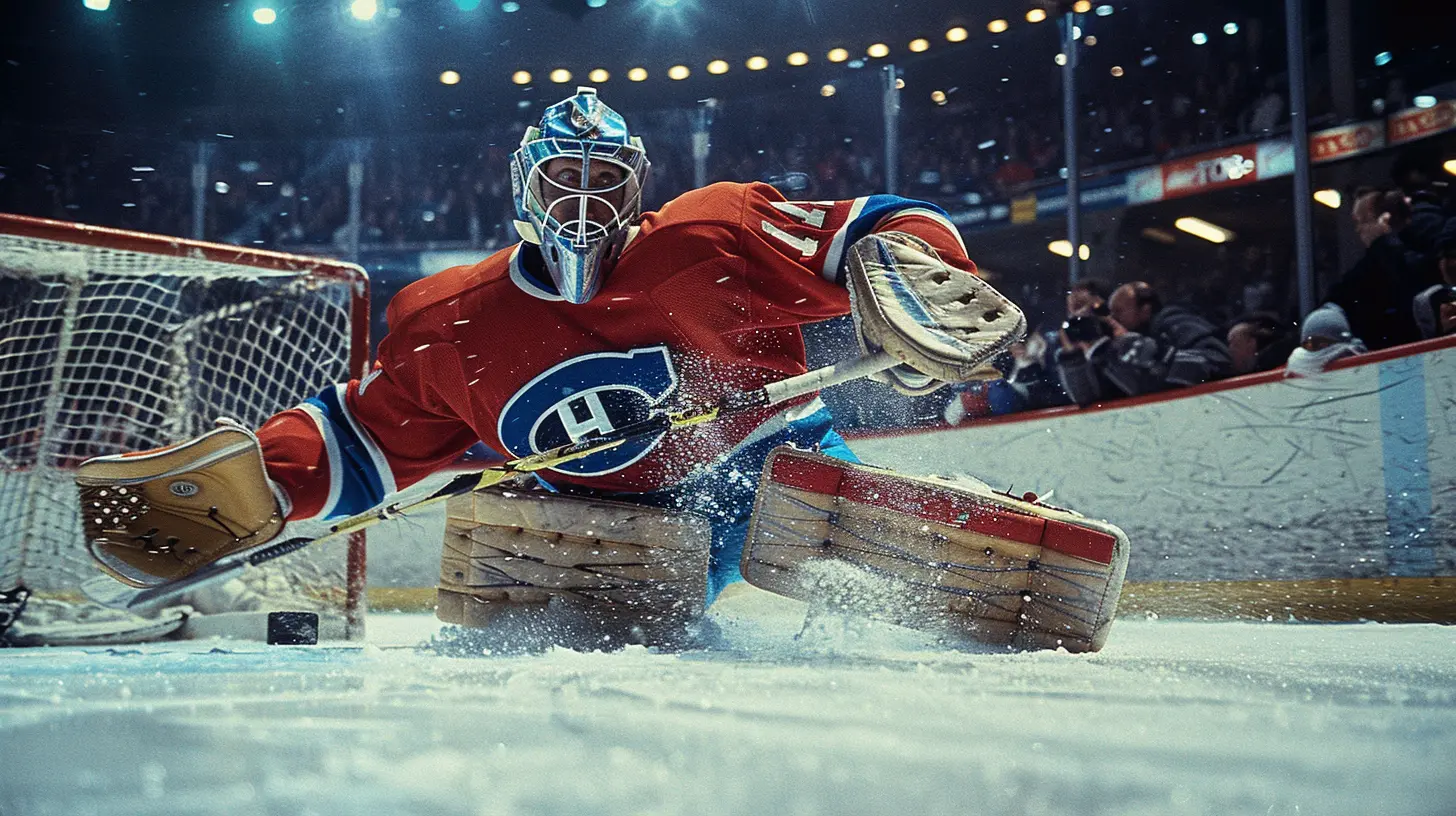
🧍♂️ Positioning: Own Your Crease
Positioning is your foundation. Nail it, and you’ll drastically improve your odds every time a breakaway heads your way.Challenge the Shooter
Want to cut down the angles? Step out of your crease. The closer you get to the shooter (without overcommitting), the less net they see. It’s all about managing depth. Think of it like playing chicken—move out, then retreat smoothly as the attacker comes in.Stay Centered
Always stay square to the puck, not the player. The shooter might shift their body or glide wide, but that puck is what matters. Whether they’re lining up for a snapshot or a fancy toe drag, your angle should always keep you facing the center of the puck.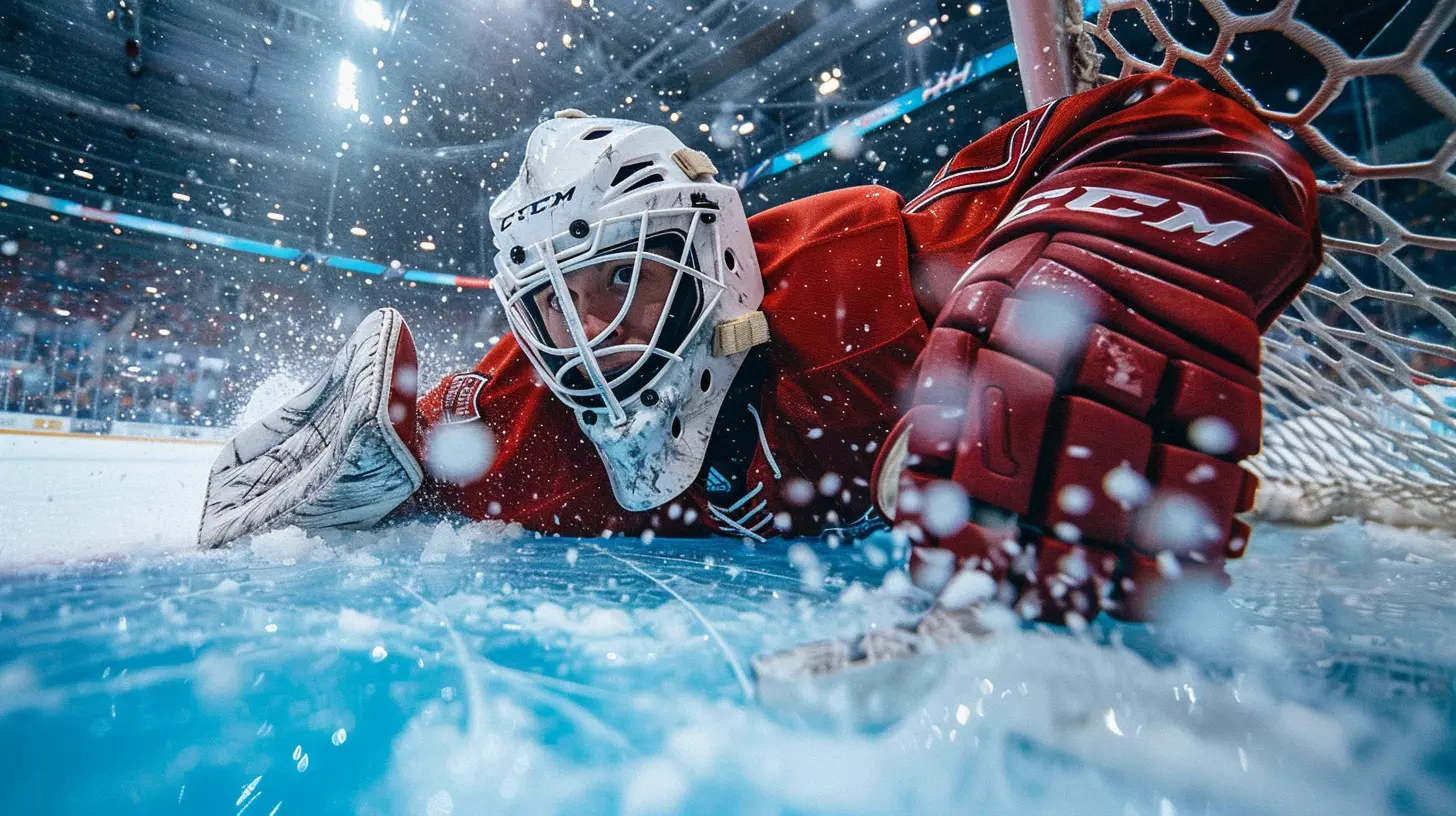
🕺 Patience and Poise: Don’t Bite Early
You’ve seen it: a goalie drops too early or lunges side to side while the shooter calmly tucks it around them. Avoid being that guy.Stay Upright as Long as Possible
Dropping into the butterfly too early gives away the net. Smart shooters will wait you out, then chip it over your shoulder or slide it under your pad. Work on your timing. Hold your stance—stay tall—and drop only when the puck is released.Let the Shooter Make the First Move
The moment you move first, you’re handing control to the shooter. Force them to commit before you do. It’s a mental duel—who blinks first?🧤 Technical Breakdown: Save Execution
Alright, let’s talk mechanics. You’ve read the play, stayed calm, held your position—now it’s go time.The Butterfly Save
Most breakaways will end up in a butterfly situation. It’s your bread and butter. Make sure your technique is dialed in: legs sealed tight (no leaky five-hole!), gloves ready, and body centered. Timing your drop is key.The Paddle Down
Not used as often, but against fast, low-dekeing players, going paddle-down might help. It’s a specialty move, so only use it when you’re confident and in control.Stack the Pads? When in Doubt, Be Bold
Old school alert! Not as common today, but in desperation mode—when you’re off balance or the puck’s already past you—it might save the day. If nothing else, it’ll get the crowd going.🚨 Desperation vs. Discipline: Know the Difference
Goalies aren’t robots. Sometimes you HAVE to be athletic. But there’s a fine line between controlled desperation and flailing like a fish out of water.Controlled Chaos
Yes, sometimes you’ll need to stretch, dive, or kick out a skate. But that should be your last resort, not your go-to. Proper form and reading the play should be your first line of defense.Reset Quickly
After you make that initial save—even if you’re sprawling—get back on your feet. Breakaways can lead to rebounds. Be ready for Round Two.🧊 Build a Breakaway Routine in Practice
You can’t expect to magically stop breakaways during games if you never face them in practice.Set Up Breakaway Drills
Talk to your coach. Design drills that simulate real breakaway conditions. Vary speeds, angles, and shooting styles. The more reps you get, the more natural your response becomes.Study Video
Yes, watching your own footage is awkward. But it’s a gold mine. Study your saves and goals against. Were you off angle? Did you drop too early? Video doesn’t lie.🧠 Pro Tips from the Pros
Let’s sprinkle in some wisdom from elite goaltenders.Carey Price: Patience Pays Off
Price is famous for his calm demeanor. His secret? Unshakeable patience. He tracks the puck, waits, and doesn’t flinch till the last second.Jonathan Quick: Athleticism + Instinct
Quick embraces chaos. He trusts his reflexes and isn’t afraid to go full split or dive across the net. But even his wildest saves happen because of strong fundamentals.Take bits from every pro and build your own style. Your technique should match your body type, reflex speed, and comfort zone.
🔄 Mindset Reset: Don’t Let One Breakaway Goal Rattle You
Breakaways are high percentage scoring chances. Even elite goalies get beat. The key? Reset your brain. The next one is a new opportunity to shut the door.Short-Term Memory Is Your Best Friend
Whether you made the save or got scored on, the moment’s gone. Move on. The best goalies aren’t perfect—they’re resilient.🧪 Bonus Tips & Tricks
Let’s wrap it up with rapid-fire bonus nuggets that can take your breakaway game to the next level.- Quiet Feet on Approach
Don’t shuffle too much as the shooter approaches. Stay smooth, balanced, and ready to push off in any direction.
- Glove High, Blocker Ready
Keep your hands in front of you, not by your sides. Be ready to react instead of reaching backward.
- Track the Release Point
The puck leaves a shooter’s stick in milliseconds. By focusing on the release point, you’ll increase your reaction time.
- Fake Aggression
Step out aggressively to shrink the net, then calmly retreat as they approach. It subtly pressures the shooter.
- Own It
Breakaways are moments you can steal the spotlight. You stop one, the crowd erupts. Let that fuel you.
🏁 Final Thoughts
Handling breakaways isn't just about lightning reflexes. It’s about mindset, positioning, patience, and smart reads. When you start seeing breakaways as opportunities rather than threats, everything changes.So next time you’re one-on-one with a shooter, breathe deep, square up, and remind yourself—you’ve got this.
all images in this post were generated using AI tools
Category:
HockeyAuthor:

Umberto Flores
Discussion
rate this article
2 comments
Tracie Alvarez
Great insights! Truly valuable for goalies. Thanks!
March 22, 2026 at 3:39 AM
Umberto Flores
Thank you! I'm glad you found it valuable. Goalies definitely have a unique perspective on breakaways.
Elwynn Morris
Great insights! As a former player, I can truly appreciate the pressure goalies face during breakaways. Your tips are invaluable for improving those crucial moments on the ice. Thank you!
February 17, 2026 at 6:01 AM
Umberto Flores
Thank you for your kind words! I'm glad you found the tips helpful—goalie pressure is real, and sharing insights can make a difference. Keep up the great work!