How to Optimize Your Diet for Strength Training
3 December 2025
Strength training isn't just about lifting weights; it's about fueling your body with the right nutrients to perform at its best. If you’re serious about making gains, breaking plateaus, and recovering efficiently, your diet is just as crucial as your workout routine.
So, what should you eat to maximize your strength training results? Let’s break it down. 
Why Nutrition Matters for Strength Training
Think of your body like a high-performance vehicle. You wouldn’t put low-grade fuel in a Ferrari, right? The food you eat provides the fuel your muscles need to grow, repair, and function optimally.Key Benefits of Proper Nutrition for Strength Training:
- Boosts energy and workout performance
- Enhances muscle growth and recovery
- Prevents fatigue and injury
- Regulates hormones for better strength gains
Now, let’s dive into the specifics. 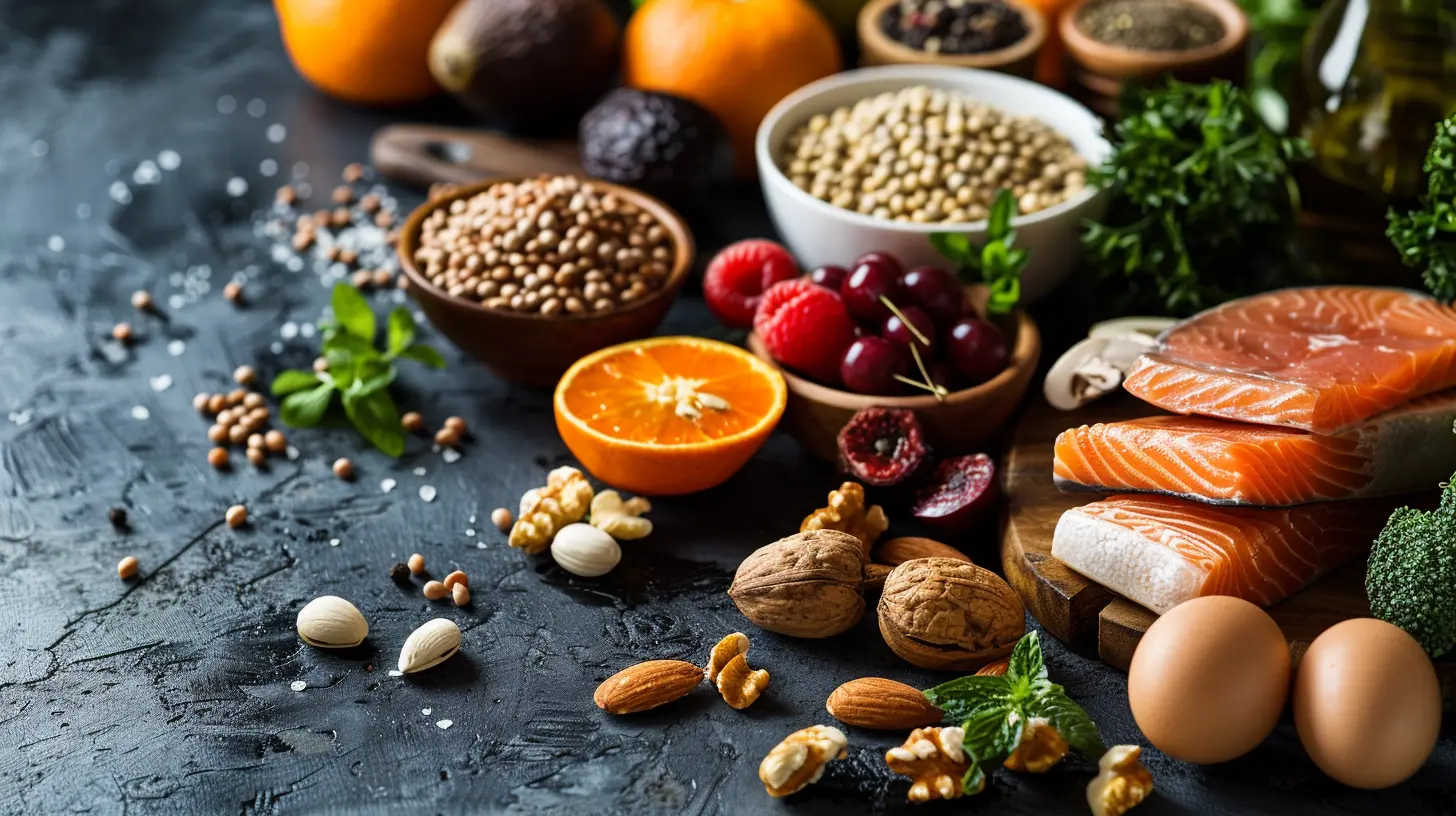
Essential Macronutrients for Strength Training
1. Protein: The Building Block of Muscles
Protein is your best friend when it comes to muscle growth. It helps repair muscle fibers that break down during strength training, making them bigger and stronger over time.How much protein do you need?
A general rule of thumb:
- For casual lifters: 0.6–0.8 grams per pound of body weight
- For serious strength trainers: 0.8–1.2 grams per pound
Best protein sources:
- Lean meats (chicken, turkey, beef)
- Fish (salmon, tuna, cod)
- Eggs
- Dairy (Greek yogurt, cottage cheese)
- Plant-based proteins (lentils, quinoa, tofu)
Don’t forget: Spread your protein intake throughout the day to maximize muscle synthesis.
2. Carbohydrates: Your Body’s Primary Fuel
Carbs often get a bad rap, but they’re vital for strength training. They replenish glycogen stores, which provide the energy needed to power through intense workouts.How many carbs do you need?
- Light training: 2–3 grams per pound of body weight
- Moderate to heavy training: 3–5 grams per pound
Best carb sources:
- Whole grains (brown rice, quinoa, oats)
- Fruits (bananas, berries, apples)
- Starchy vegetables (sweet potatoes, squash)
- Legumes (beans, lentils, chickpeas)
Pro tip: Have a good serving of carbs before and after workouts to maximize energy and recovery.
3. Healthy Fats: For Hormonal Balance and Recovery
Fats are essential for testosterone production, which plays a key role in muscle growth and strength.Best fat sources:
- Nuts and seeds (almonds, walnuts, chia seeds)
- Avocados
- Olive oil and coconut oil
- Fatty fish (salmon, mackerel)
Aim for 20-30% of your daily calories from fats to keep your body running smoothly. 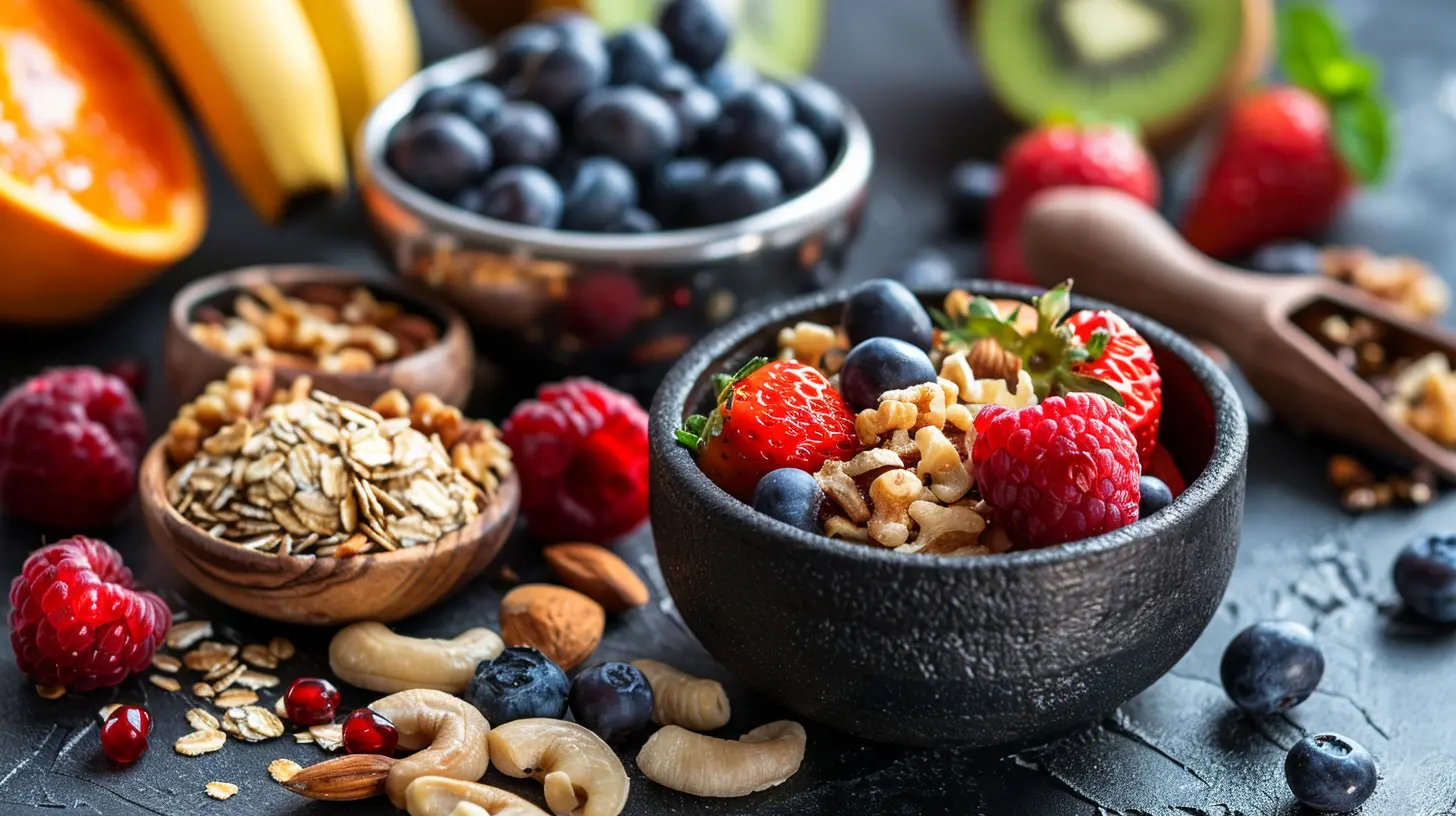
Timing Your Meals for Maximum Gains
Pre-Workout Nutrition
Fueling up before your workout ensures you have enough energy to lift heavy and push harder.Ideal pre-workout meal (60–90 minutes before training):
- Lean protein (chicken, eggs, protein shake)
- Complex carbs (oats, whole wheat toast, fruit)
- Healthy fats (nuts, peanut butter)
Post-Workout Nutrition
Your body is primed for recovery after training, so you need to get the right nutrients within 30-45 minutes post-workout.Ideal post-workout meal:
- Fast-digesting protein (whey protein shake, egg whites)
- Simple carbs to replenish glycogen (banana, white rice, honey)
Don’t skip this! Proper post-workout nutrition helps reduce muscle soreness and speed up recovery. 
Hydration: The Overlooked Strength Booster
Many lifters focus on food but forget that hydration is just as important for strength training. Dehydration can lead to muscle cramps, fatigue, and poor performance.How much water do you need?
- Minimum: Divide your body weight (lbs) in half—that’s how many ounces of water you should drink daily.
- During workouts: Aim for at least 16-24 ounces of water.
Also, consider electrolytes (sodium, potassium, magnesium) if you sweat a lot during workouts.
Supplements to Support Strength Training
Supplements can enhance your diet, but they should never replace real food. Here are some of the most effective ones:1. Protein Powder
- Why? Helps hit daily protein targets easily- Best types: Whey, casein, plant-based (pea, hemp)
2. Creatine Monohydrate
- Why? Improves strength, power, and endurance- How much? 3-5 grams daily
3. Beta-Alanine
- Why? Reduces muscle fatigue during intense lifts- How much? 3-6 grams daily
4. Omega-3 Fatty Acids
- Why? Reduces inflammation and promotes muscle recovery- Best sources: Fish oil or algae-based supplements
5. Multivitamins
- Why? Ensures you get essential vitamins and minerals for recovery and energy productionCommon Nutrition Mistakes to Avoid
Even with the best intentions, many lifters make critical diet mistakes that slow progress. Let’s go over what not to do:1. Not Eating Enough Calories
Strength training requires fuel. If you’re not eating enough, your body won’t have the resources to build muscle.Fix: Track your calories to ensure you're in a small surplus (200-500 calories/day) for muscle growth.
2. Relying Too Much on Supplements
Supplements should only fill in gaps, not replace whole foods.Fix: Prioritize real food first, then use supplements as needed.
3. Skipping Pre- and Post-Workout Meals
Training without proper nutrition is like driving a car with an empty tank.Fix: Always eat a balanced meal before and after workouts to boost energy and recovery.
4. Not Drinking Enough Water
Dehydration leads to poor performance, slower recovery, and fatigue.Fix: Carry a water bottle and sip throughout the day.
5. Ignoring Micronutrients
Vitamins and minerals are crucial for muscle function and recovery.Fix: Eat a variety of fruits, vegetables, and whole grains to cover all your nutrient needs.
Final Thoughts
Optimizing your diet for strength training doesn’t have to be complicated. Focus on high-quality proteins, smart carb choices, healthy fats, and proper hydration to fuel your workouts and maximize gains.The key takeaway? Strength training isn't just about lifting weights—what you put on your plate matters just as much!
Now, go crush those workouts!
all images in this post were generated using AI tools
Category:
Sports NutritionAuthor:

Umberto Flores
Discussion
rate this article
2 comments
Jennifer McTier
Great tips! Proper nutrition is crucial for maximizing strength gains. Fueling your body right makes all the difference!
December 27, 2025 at 1:37 PM
Umberto Flores
Thank you! I'm glad you found the tips helpful. Nutrition truly is key to enhancing strength gains!
Lorelei Johnson
Fuel your body wisely to enhance strength training results effectively!
December 4, 2025 at 12:59 PM
Umberto Flores
Absolutely! Smart nutrition is key to maximizing strength training results. Focus on whole foods, adequate protein, and balanced macros to support your workouts and recovery.