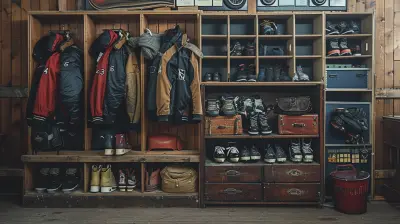
How to Properly Care for Your Sports Equipment
22 March 2026
Taking care of your sports gear isn’t just about keeping it looking good—it’s essential for performance, safety, and longevity. Whether you’re a weekend warrior or a competitive athlete, properly maintaining your equipment can save you money and prevent injuries.
In this guide, we’ll go over the best practices for maintaining different types of sports equipment—from cleaning and storage to routine inspections. Let’s dive in! 
Why Sports Equipment Maintenance Matters
Imagine stepping onto the field with your favorite gear, only to have it fail when you need it most. A frayed tennis racket string, a deflated basketball, or worn-out cleats can be game-changers—in the worst way.Proper care ensures:
✅ Longevity – Well-maintained gear lasts longer, saving you money.
✅ Performance – Clean and properly stored equipment performs at its best.
✅ Safety – Broken or worn-out gear can lead to accidents and injuries.
Let’s break down how to care for specific types of sports equipment. 
Caring for Different Types of Sports Equipment
Each sport comes with its own set of gear, and each piece requires unique maintenance. Here’s how to keep everything in top condition.1. Balls (Basketballs, Soccer Balls, Footballs, etc.)
Sports balls go through a lot—constant impact, dirt, moisture, and varying temperatures. Ignoring proper maintenance can lead to deflation, cracks, or changes in movement.Maintenance Tips:
- Store at the right pressure – Check the recommended PSI (pounds per square inch) and keep your ball inflated accordingly.- Keep it clean – Use a damp cloth to wipe off dirt after each use. Avoid excessive water, as it can seep inside and damage the material.
- Avoid extreme temperatures – Heat can cause expansion, while cold can make the material brittle. Store indoors when not in use.
2. Shoes and Cleats
Your footwear takes a beating, whether you’re running, jumping, or skidding. Dirty or worn-out shoes can lead to poor traction and even injuries.Maintenance Tips:
- Air them out after use – Moisture from sweat can lead to odor and bacteria buildup. Take them off and let them breathe.- Clean regularly – Wipe off mud and dirt after each game; for deeper cleans, use mild soap and water.
- Check for wear and tear – If you notice the soles wearing unevenly or the cushioning breaking down, it’s time for a replacement.
- Store properly – Avoid keeping them in a damp gym bag; use a shoe rack or breathable storage bag.
3. Protective Gear (Helmets, Pads, Gloves, etc.)
Protective equipment is crucial in contact sports, but sweat and dirt buildup can shorten its lifespan.Maintenance Tips:
- Wipe down after use – Use anti-bacterial wipes or a damp cloth to clean helmets, shin guards, and gloves.- Deep clean monthly – Some gear (like football pads) can be washed with mild detergent; just check the manufacturer’s instructions.
- Inspect for cracks or damage – Any visible damage can compromise protection. If a helmet is cracked, replace it immediately.
- Allow to dry properly – Never store wet pads or gloves in a closed space—bacteria and mold love that environment.
4. Rackets, Sticks, and Bats
Whether you play tennis, baseball, lacrosse, or hockey, keeping your equipment in shape is key to consistent performance.Maintenance Tips:
- Store in a dry place – Wood bats and sticks can warp if exposed to moisture. Keep them indoors in a controlled temperature.- Check for grip wear – If the grip on your tennis racket or hockey stick starts peeling or slipping, replace it for better handling.
- Avoid throwing or slamming – Frustration happens, but tossing your racket or bat can weaken its structure over time.
5. Clothing and Gear (Jerseys, Compression Wear, etc.)
Your sports apparel is just as important as your equipment. Proper cleaning and storage will keep it fresh and functional.Maintenance Tips:
- Follow washing instructions – High-performance fabrics often require cold water and air drying to maintain elasticity.- Use mild detergent – Avoid fabric softeners, as they can break down moisture-wicking properties.
- Store properly – Fold and keep jerseys in a cool, dry place when not in use to prevent odors.
6. Gym Equipment (Weights, Yoga Mats, Resistance Bands, etc.)
If you train at home or in the gym, you need to take care of your workout gear.Maintenance Tips:
- Wipe down after use – Sweat can corrode dumbbells and make yoga mats unhygienic. Use disinfectant wipes.- Store properly – Keep weights and resistance bands off the floor to prevent damage. Use a designated rack or organizer.
- Check for deterioration – Resistance bands can snap if they become brittle. Inspect for any cracks or thinning areas.
General Sports Equipment Maintenance Tips
Regardless of the sport, here are some universal tips to help you maintain your gear:1. Clean Regularly
Don’t wait until your equipment starts smelling or looking bad. A quick wipe-down after every use can prevent buildup and extend lifespan.2. Store in a Dry, Cool Place
Excess moisture causes rust, mold, and warping. Always dry out sweaty gear before putting it away.3. Inspect Before and After Use
A small issue today can become a big problem tomorrow. Check for cracks, loose parts, or abnormal wear before every game or training session.4. Follow the Manufacturer’s Guidelines
Each piece of equipment has specific care instructions. Whether it's washing instructions for a jersey or re-stringing guidelines for a racket, follow them carefully.5. Rotate Equipment When Possible
If you play regularly, using multiple pairs of shoes or switching balls can help reduce wear and tear.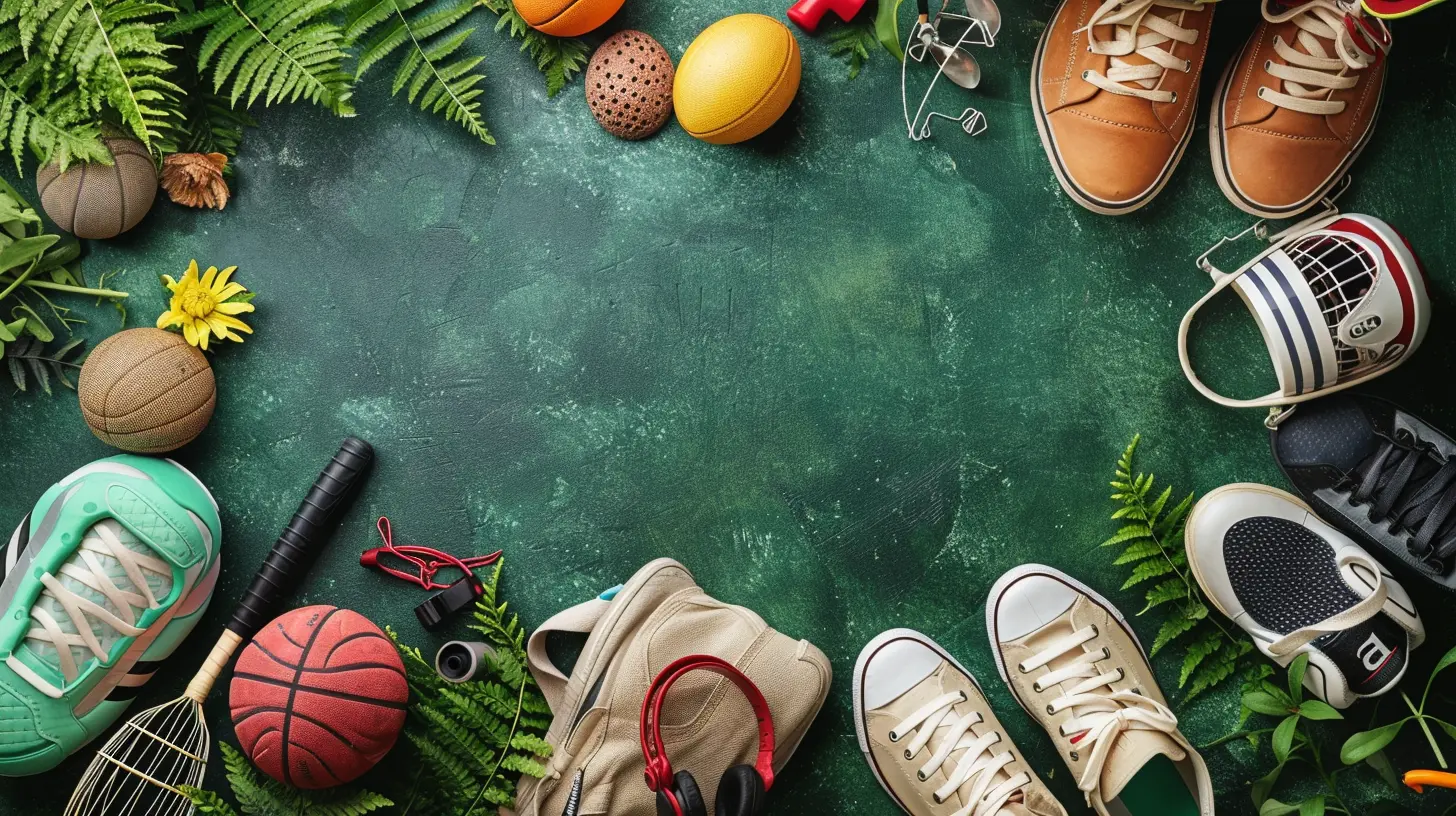
When to Replace Your Sports Equipment
No matter how well you maintain your gear, everything has an expiration date. Here are some signs that it’s time to replace your sports equipment:✔ Shoes – If traction is lost or cushioning is flattened.
✔ Balls – If they won’t hold air or have lost their shape.
✔ Protective Gear – If it no longer fits snugly or has visible cracks.
✔ Rackets/Sticks – If the grip is worn or the frame is cracked.
✔ Gym Equipment – If resistance bands are thinning or weights are rusting.
Knowing when to replace your gear ensures you stay safe and continue to perform at your best.
Final Thoughts
Properly caring for your sports equipment isn’t just about hygiene—it’s about playing smart. Regular maintenance keeps your gear in top shape, saves you money in the long run, and most importantly, helps prevent injuries.So the next time you finish a game or workout, take a few extra minutes to clean, inspect, and store your equipment properly. Your future self (and your wallet) will thank you!
all images in this post were generated using AI tools
Category:
Sports GearAuthor:

Umberto Flores
Discussion
rate this article
2 comments
Patricia McEachern
Ah, yes! Because nothing says 'professional athlete' like lovingly fluffing your tennis racket's felt and giving your sneakers a bedtime story. Can't wait for the next chapter: 'The Art of Dusting Your Gym Bag!'
April 17, 2026 at 11:42 AM
Umberto Flores
I appreciate the humor! Proper care can make a big difference in performance and longevity... even if it seems a bit excessive.
Xavier Larsen
Great article! Proper care for sports equipment is essential for maximizing performance and longevity. Regular cleaning, proper storage, and timely repairs can make a significant difference. It’s also important to know the specific maintenance needs for different gear. Thanks for sharing these valuable tips to keep our equipment in top shape!
March 25, 2026 at 5:00 AM
Umberto Flores
Thank you for your insightful comment! Proper care truly does make a big difference in performance and longevity. I'm glad you found the tips helpful!