How to Read an Opponent’s Movements: Boxing IQ Explained
27 April 2026
There’s something magical about the squared circle. The bell rings, gloves rise, and suddenly, it’s not just fists flying—it’s mind vs. mind. Boxing isn’t just about strength or speed. It’s a cerebral game, a mental chess match with sweat and leather. And at the heart of this game? Boxing IQ.
If you've ever watched a fighter slip a punch like he read it in a book the night before, you've witnessed Boxing IQ in motion. It’s about reading your opponent, seeing what’s coming next, and outsmarting them before knuckles connect. So, how do you develop that sixth sense? Let’s dig into how to read an opponent’s movements and sharpen your boxing IQ.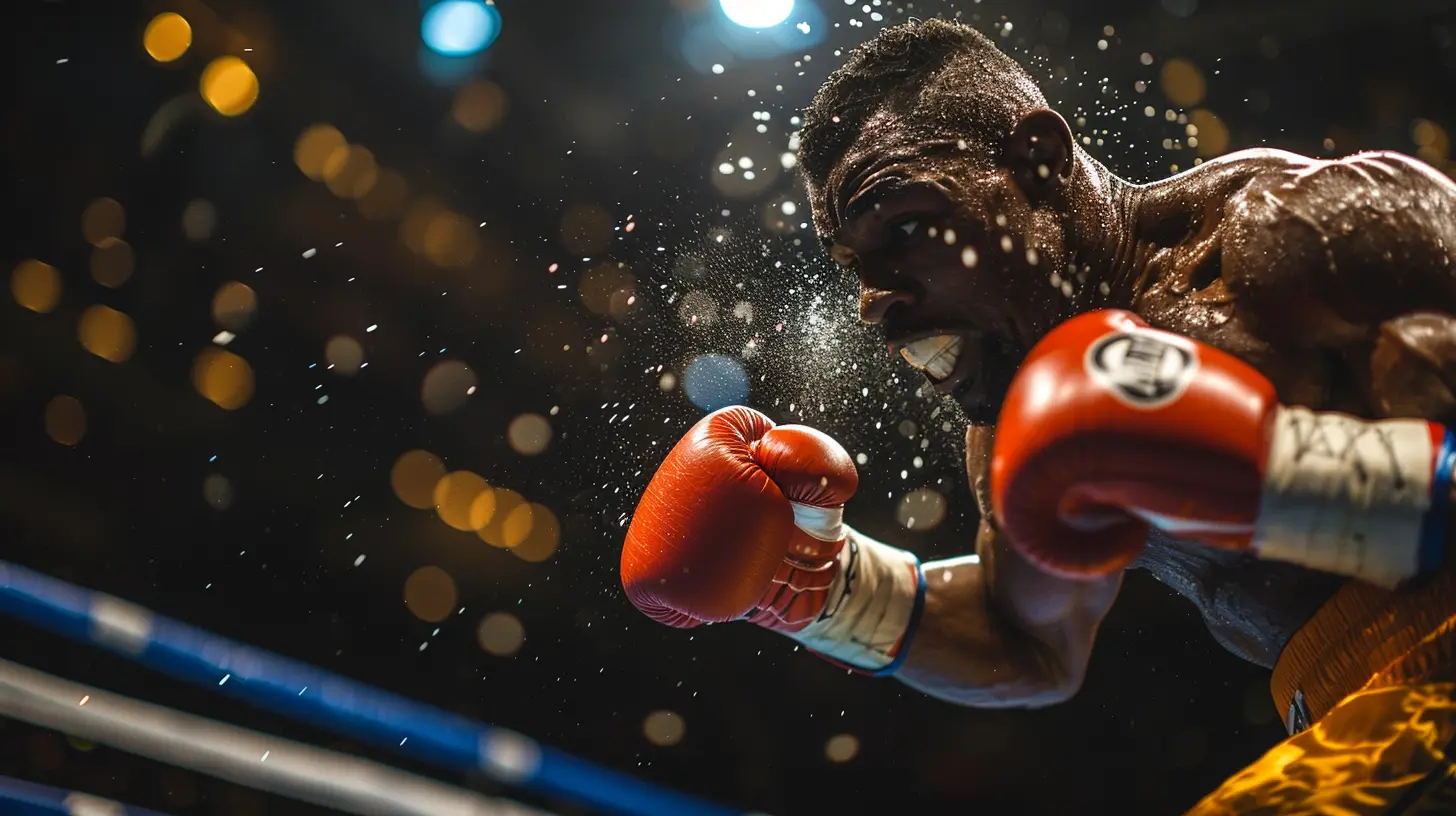
? What Exactly Is Boxing IQ?
Let’s kick things off with the basics. Boxing IQ is the mental side of the sweet science. It’s not about how hard you punch—it’s about when, why, and how you punch. It’s about slipping at the right moment, feinting just enough to make your opponent bite, and controlling the pace of the fight like you're conducting an orchestra.Boxing IQ involves:
- Pattern recognition
- Ring awareness
- Timing and rhythm
- Tactical adaptability
- Emotional control under pressure
It’s not just knowing what your opponent is trying to do—it’s knowing it before they do. That’s next-level stuff.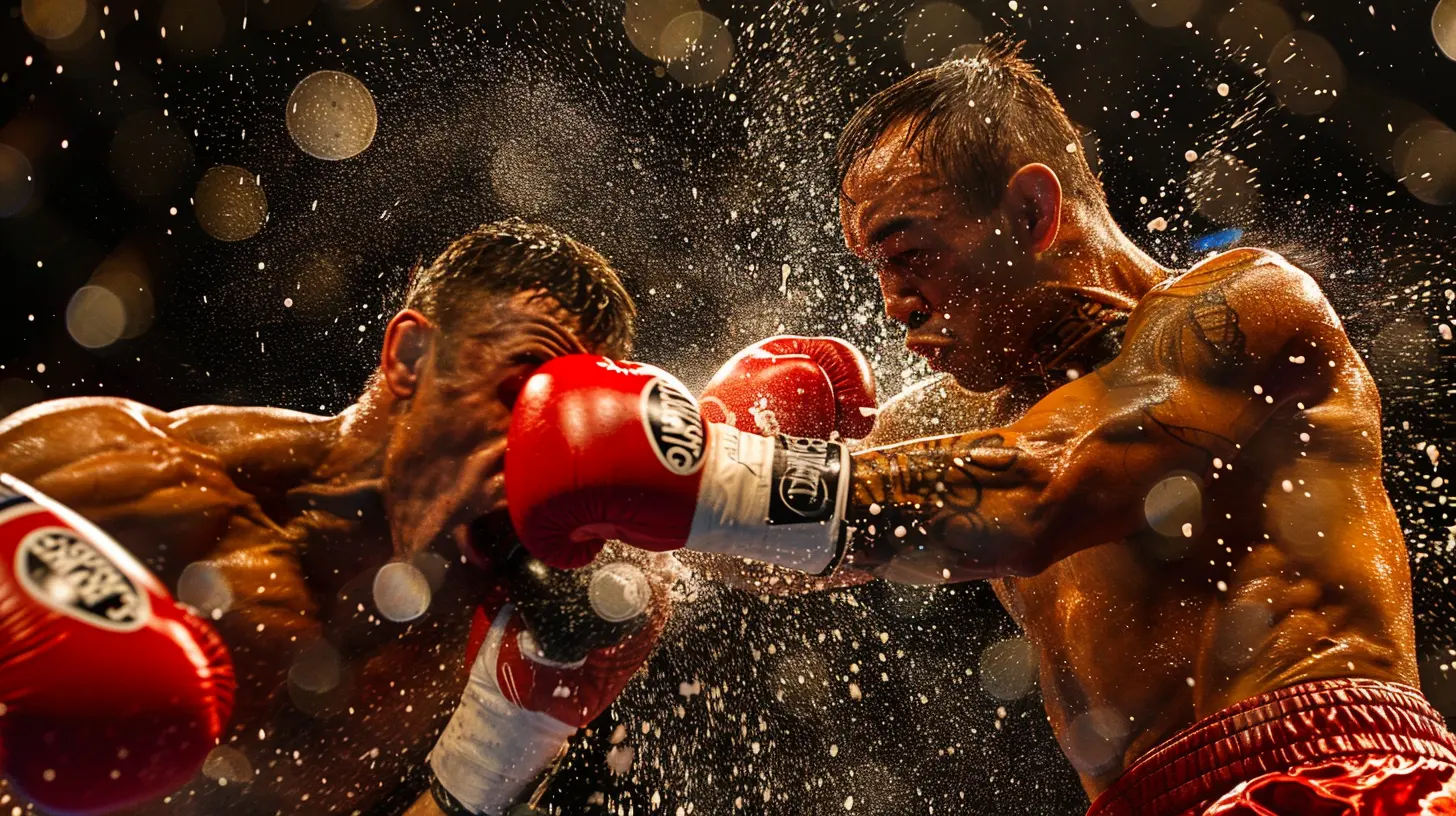
? The Art of Observation: Eyes Up, Mind In
Reading an opponent is like trying to solve a puzzle that punches back.From the opening bell, your eyes should be locked in—not just on their fists, but on their whole body. Observe their feet, shoulders, eyes, breathing, and even how they react after they throw. Every movement gives away a sliver of information.
So, what should you watch?
- Footwork: Are they heavy on their front foot? Then they might be loading up for a hook.- Weight shifts: Sudden leaning can mean a jab is coming.
- Eye movement: Are they staring at your body? They might be aiming low.
- Breathing: Are they winded? Then their movements may slow and be easier to read.
Reading a fighter is like reading a novel—some chapters are exciting, others give subtle clues, but it’s all part of the same story.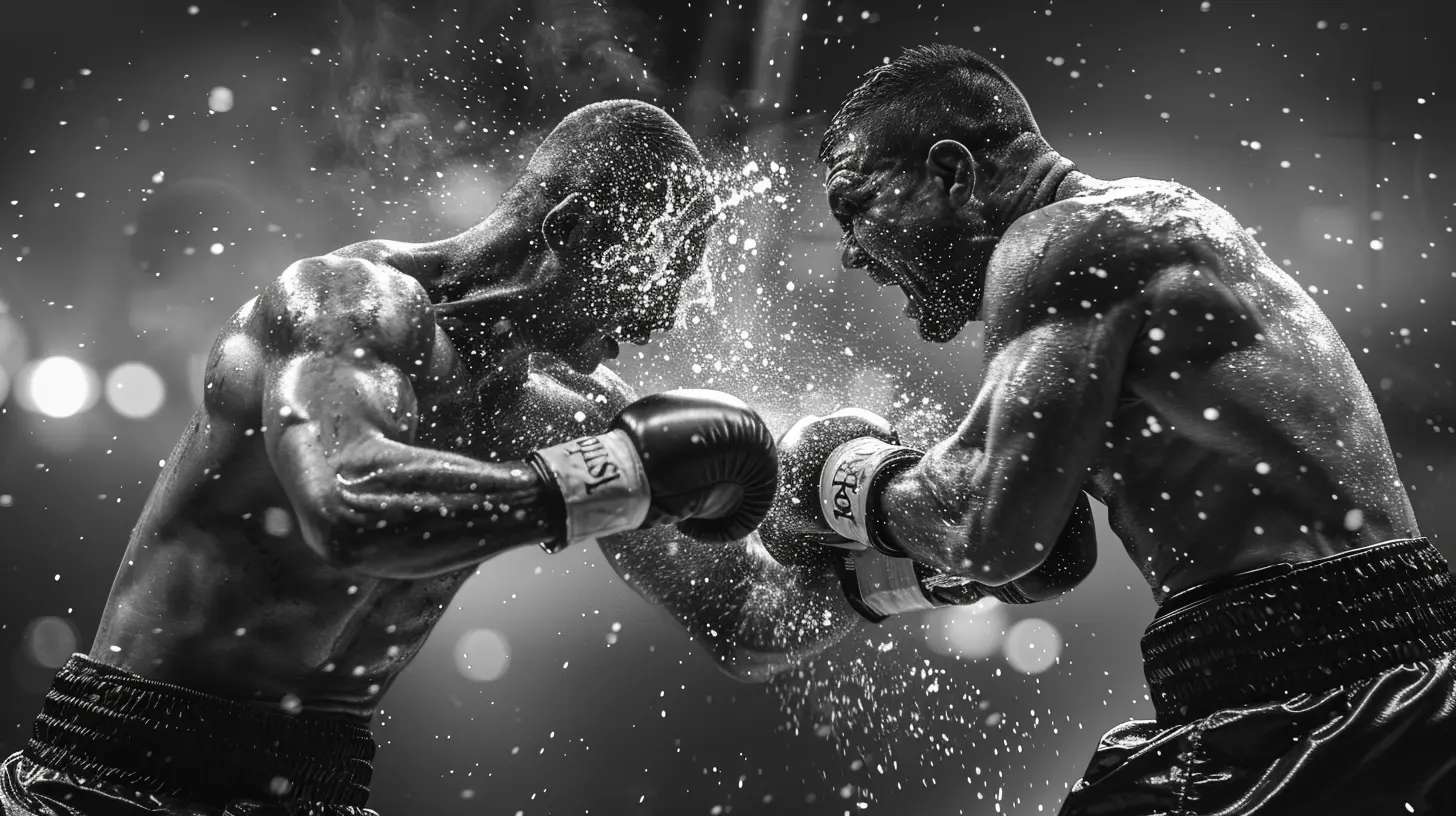
? Patterns & Predictability: The Blueprint of the Boxer
No one is truly unpredictable. Every fighter has habits, even the slickest ones. The trick? Spot the pattern before it catches you sleeping.Look for:
- Repetition: Do they always throw a jab before their cross?- Combinations: Are their combos predictable?
- Exit strategy: After they attack, how do they retreat?
Think of it like watching a magician. The first time, you’re amazed. But watch closely enough, and you’ll see the hidden thread, the sleight of hand. Once you notice their rhythm, you break the spell.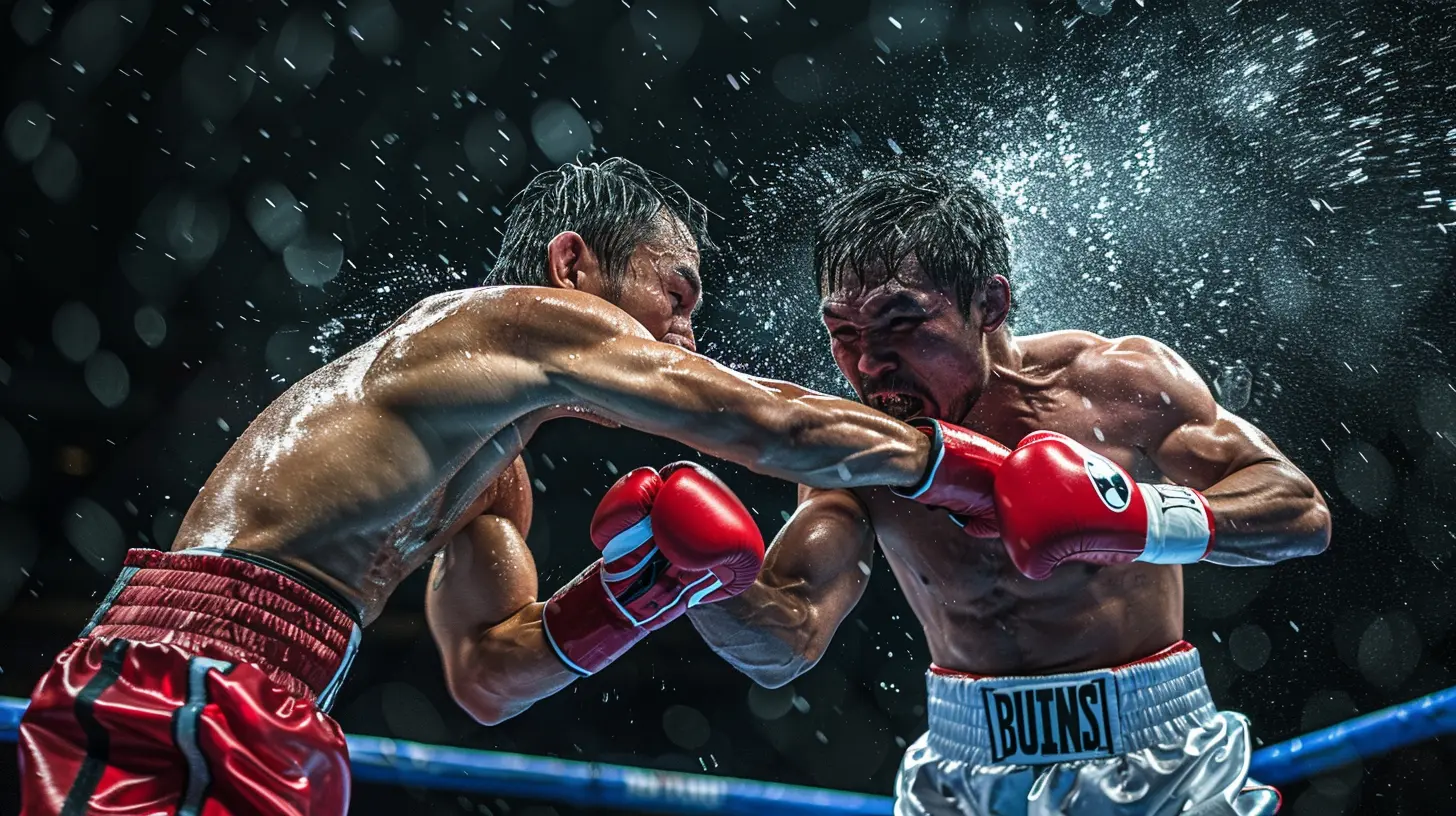
? Timing Over Speed: Strike When It Matters
Speed dazzles, but timing disrupts.Timing is the ability to strike when your opponent least expects it. When you read their movement just right, you can intercept—it’s like catching a curveball mid-air with a baseball bat.
You wait... watch their shoulder twitch... and boom, you land before their punch even leaves the chamber.
To master timing:
- Study the jab: Most fighters lead with it. Time their jab and throw over it.- Feint back: Make them react, then time the counter.
- Use angles: Don’t be where they expect you. Move left when they throw right.
It’s like dancing. When you feel their rhythm, you control the beat.
?️♂️ Feints & Reactions: Setting the Trap
Want to read someone? Make them talk first.Feints are your way of asking questions—non-verbal ones. You twitch your shoulder, step forward, maybe flash a jab. You're not committing—just fishing. And how they respond tells the entire story.
- Do they flinch? They're trigger-happy—use that against them.
- Do they shell up? You’ve found a passive style—time to swarm.
- Do they backstep? They prefer range—cut off the ring.
Feints are like fake phone calls—you’re not really talking, but the other person spills all the beans.
⚖️ Body Language: The Unspoken Language of the Ring
Boxers speak volumes with their bodies. Shoulders drop when they’re tired. Eyes glass over when they’re hurt. Their feet shuffle nervously as they try to reset after a mistake.If you're perceptive, you can spot hesitation, fear, fatigue, or confusion. That’s your window.
Watch how they:
- React to pressure
- Navigate the ropes
- Handle feints and fakes
- Protect certain areas (maybe hiding an injury?)
This is where fighting turns into psychology. You’re not just reading movement—you’re reading the soul.
? Countering: The Smart Man’s Punch
When your boxing IQ is sharp, you don’t just read attacks—you capitalize on them.Countering is the crown jewel of reading skills. It's seeing the punch, slipping it, and coming back with something sharper.
Common countering gems:
- Slip and rip: Slip the jab, fire the cross.- Pull counter: Lean back just enough to make them miss, then come forward with heat.
- Check hook: Perfect for aggressive opponents who lunge.
Countering isn’t just defense—it’s weaponized observation.
? In-Fight Adjustments: Rewrite the Gameplan
Here's a truth bomb: plans rarely survive the first round. The best fighters? They adjust. On the fly.Reading opponents mid-fight is like switching your playlist based on your mood. You might start aggressive, then realize they’re a counter-puncher. Boom—switch to baiting and waiting.
If you’re losing exchanges, back up. Change angles. Switch tempo. The fight is fluid. So should you be.
Think of Muhammad Ali’s rope-a-dope. He read George Foreman’s patterns, leaned into the storm, then struck when it mattered.
Adaptability is the highest form of Boxing IQ. It turns underdogs into legends.
⏱️ Practicing the Art: Drills To Sharpen Your Reading
So now you're thinking, "This all sounds great, but how do I train this?" Good question.Here are a few go-to drills:
- Film study: Watch pro fights. Focus on one fighter. What patterns do they fall into? Pause and predict.- Shadowboxing with intent: Visualize an opponent reacting. Throw feints, adjust your rhythm.
- Controlled sparring: Not every spar is war. Use light sparring to read, not bash.
- Reaction drills: Have a coach or partner throw random combinations. Your job? Defend or counter with observation, not speed.
Sharpening your boxing IQ isn’t about doing more—it’s about doing better.
? Learn From The Greats: Masters of Boxing IQ
Let’s take inspiration from a few masters of the mental game.- Floyd Mayweather Jr. – The Grandmaster of defense and countering. He practically lived in his opponent’s head.
- Vasiliy Lomachenko – He reads patterns like a computer, then breaks the algorithm with footwork.
- Bernard Hopkins – The Professor. Taught classes on subtle adjustments and baiting traps inside the ring.
- Sugar Ray Leonard – The chess player. He’d bide time, learn tendencies, then flip the switch.
These fighters didn’t just fight—they analyzed, adapted, and dismantled. Every move had meaning.
? Boxing IQ Isn’t Born—It’s Built
Let’s put a bow on it.Reading an opponent isn’t a magical skill—it’s a practiced habit. It’s born in the gym, honed in the ring, and mastered over thousands of rounds. You won’t figure it all out in a day. But fight by fight, round by round, you’ll see beyond the punches.
And once you do?
Boxing becomes poetry.
Not just punches and pain, but timing and thought. Like playing jazz with gloves on.
So next time you step through the ropes, keep your eyes open and mind sharper. The body moves fast—but the brain, oh, the brain moves faster.
all images in this post were generated using AI tools
Category:
BoxingAuthor:

Umberto Flores
Discussion
rate this article
2 comments
Adam Kirk
This article really dives into the art of reading an opponent. It's fascinating how much strategy is involved in boxing. I can't wait to see how this changes my training!
July 2, 2026 at 4:04 AM
Umberto Flores
I'm glad you found it helpful! Understanding your opponent is key in boxing. Best of luck with your training!
Candice McWain
Great insights on reading an opponent's movements. Watching footwork and body language can really elevate a fighter's strategy. It's all about anticipation and adapting in real time. Looking forward to more tips on improving boxing IQ. Keep it up!
May 3, 2026 at 11:56 AM
Umberto Flores
Thanks for the feedback! I'm glad you found the insights helpful. Stay tuned for more tips on improving your boxing IQ.