How to Read the Ice: Developing Hockey IQ for Better Decisions
18 February 2026
If you've ever watched a hockey game and thought, "How did that player know exactly where to pass or when to pinch," you're not alone. It’s not luck—it’s Hockey IQ. The best players in the game aren’t just fast and strong; they’re smart. They know how to read the ice like a book. Want to do the same? Stick with me, and we’ll break it down.
What Is Hockey IQ, Anyway?
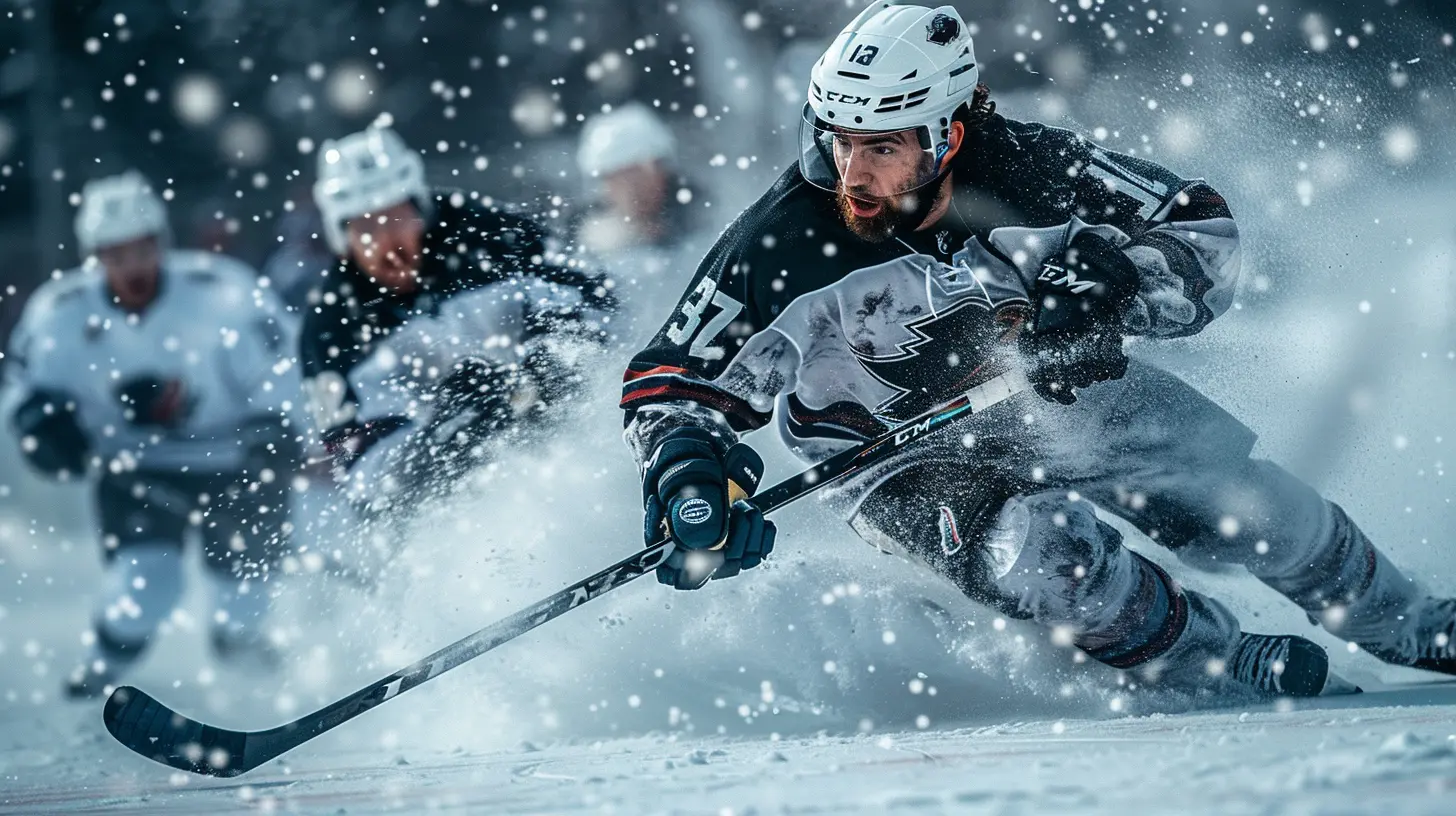
Let’s not overcomplicate it—Hockey IQ is your ability to understand what’s happening on the ice and make smart decisions in real-time. It’s about recognizing patterns, anticipating plays, positioning yourself properly, and making the right move before anyone else sees it coming.Hockey IQ separates the grinders from the game-changers. You could be the fastest skater or have the nastiest slapshot, but if you’re always a step behind mentally, you’re not performing at your full potential.
Why Reading the Ice Matters
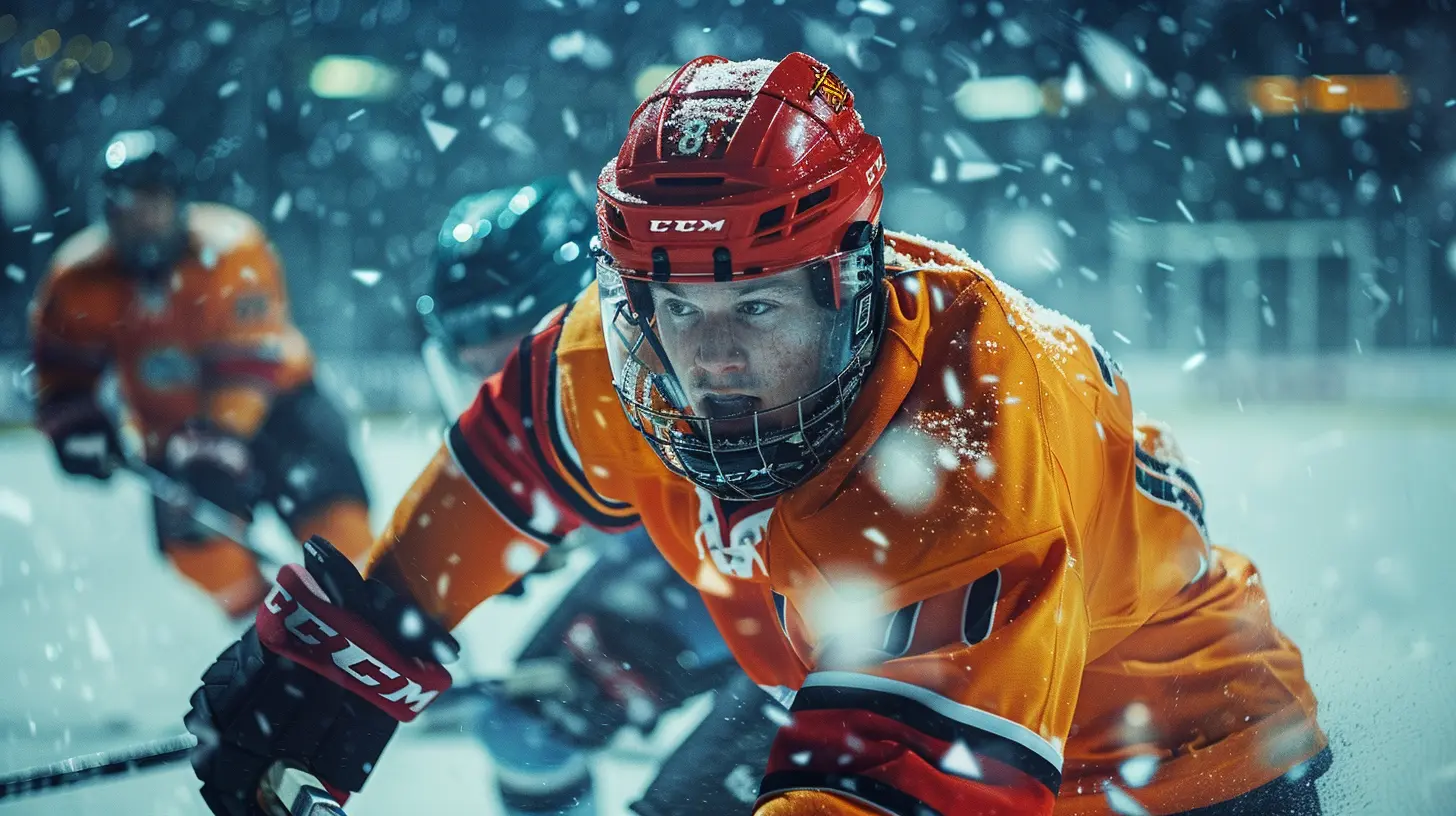
Ever seen a player thread an impossible pass through traffic, or be in the perfect spot for a rebound? That’s not luck. That’s reading the ice.Reading the ice is like having GPS for hockey. You’ll know where to go, who to cover, when to attack, and when to hold back. It’s the difference between chasing the play and controlling it.

Start with Situational Awareness
Before you can start making better decisions, you’ve gotta know what’s going on around you. Think of it like driving—you wouldn’t merge lanes without checking your mirrors first.Keep Your Head on a Swivel
Always be scanning. Get in the habit of taking quick looks around—where’s the puck, where are your teammates, where are the opponents? The more information you take in, the better decisions you’ll make.Anticipate, Don’t React
Good players react. Great players anticipate. Try to see where the play is going, not where it is right now. That split-second advantage can be the difference between creating a scoring chance or turning the puck over.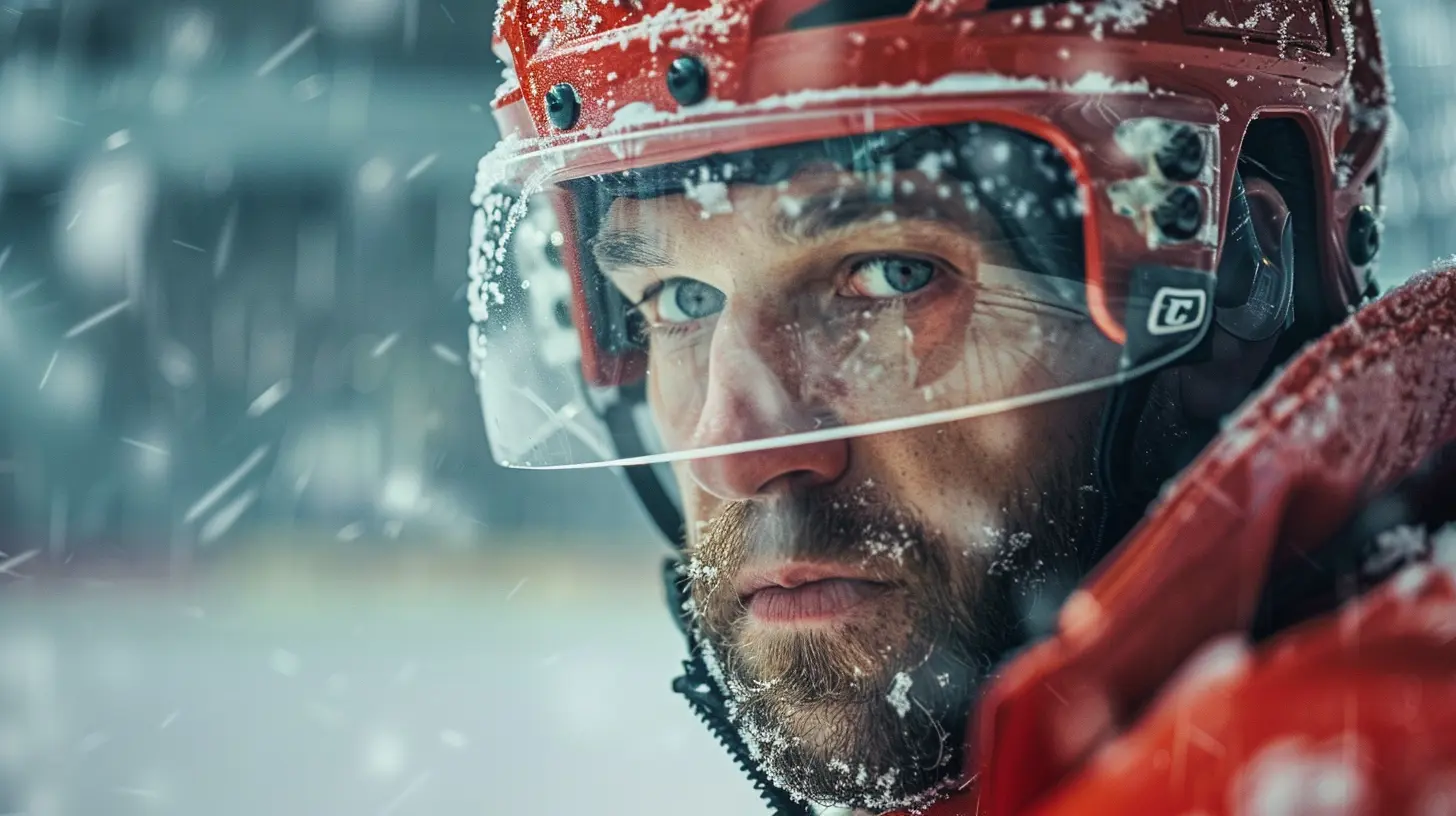
Positioning: The Foundation of Smart Play
You don’t need to be flashy. Sometimes, just being in the right spot makes all the difference. Great positioning is like playing chess—you’re always thinking three moves ahead.Offense: Find the Soft Spots
Look for open ice where you can be a passing option or a threat. Don’t just follow the puck—create space for yourself. Ever notice how guys like Crosby or McDavid always seem to find the puck? They’re constantly moving into the right areas.Defense: Stay Between
On defense, it’s all about body position. Keep yourself between the puck and your net. Stick in lanes, close gaps, and force low-quality shots. Make the opponent’s life miserable.Understanding Time and Space
This isn’t science class, but time and space are everything in hockey.When you have time, use it. When you don’t, make a quick decision. Great players manage pressure by not forcing plays and knowing when to hold or move the puck.
Use Your Teammates
Hockey’s a team sport for a reason. Use your linemates. Trust the system. One smart pass can do way more damage than trying to go end-to-end on your own.
Reading the Opponent
Want to be two steps ahead? Start reading your opponent’s body language. Just like poker, players give off "tells."Is a defenseman leaning one way? He’s likely committing. Did a winger glance at a teammate? A pass might be coming. Pick up on the little things, and you’ll predict what’s going down.
Watch Their Eyes and Feet
The eyes and feet don’t lie. Players tend to telegraph their next move without even realizing it. A quick glance or a shift in weight can give you everything you need to intercept a pass or block a shot.Communication: Your Secret Weapon
Talking on the ice might seem basic, but it’s massively underrated. Simple calls like “man on,” “wheel,” or “reverse” give your teammates the heads-up they need to move the puck quickly and safely.Silent Chemistry
Of course, not all communication needs to be verbal. Some of the best lines in the NHL have that sixth sense. Build chemistry with your teammates by understanding tendencies. Know when they like to shoot, where they like to go on breakouts, or what fakes they use.
Practice Smarter, Not Just Harder
You can’t "grind" your way to better Hockey IQ just by skating suicides. It takes intentional, smart practice.Video Breakdown
Watch game tape. Your own, NHL games, international tournaments—whatever. See what great players do off the puck. Pause the video and ask, “What would I do in this situation?” Then hit play and compare.Small-Area Games
These tight, high-pressure drills force you to think quicker and make faster reads. You’ll develop instincts that carry over on game day.Learn from the Pros
Studying the best can seriously level up your Hockey IQ.Ever notice how Patrice Bergeron was always in the right place? Or how Datsyuk could pickpocket anyone without even trying? Mimic their habits. Watch how they change speeds, scan the ice, or make subtle plays that don’t show up on the scoresheet.
Mental Reps Count, Too
Visualization is a game-changer. Before a game or practice, close your eyes and run through different game scenarios. Picture yourself making the right reads, connecting on passes, or breaking up plays.Your brain doesn’t know the difference between real reps and mental ones. Use that to your advantage.
Mistakes Are Part of the Process
Yep, you’re gonna mess up. Maybe you jump a play and leave your goalie out to dry. Or maybe you hold the puck too long and get crushed. It happens.But every mistake is a lesson. Instead of beating yourself up, ask: What could I have done differently? Hockey IQ is just as much about learning from your past as it is making plays in the moment.
Tips for Each Position
Let’s break it down even more. Hockey IQ isn’t one-size-fits-all. Forwards, defensemen, and goalies read the game differently—and they should.Forwards
- Always be scanning for passing lanes and shooting opportunities.- Don’t crowd the puck carrier. Give them options.
- Know when to cycle, when to drive, and when to sit back.
Defensemen
- Read forechecks and make quick outlet passes.- Pinch only when there’s support behind you.
- Keep your gaps tight but be smart about when to back off.
Goalies
- Read the play developing, not just the shooter.- Communicate with your D—help direct traffic.
- Track the puck through screens and adjust positioning proactively.
Building Hockey IQ Isn’t a One-Time Thing
It’s not like flicking a switch. Growing your Hockey IQ is a constant process. Every time you hit the ice—practice or game—you have a chance to sharpen that mental edge.It’s just like muscle memory. The more reps you get, the more your instincts take over. Soon, reading the ice will feel like second nature.
Wrapping It Up
If you want to level up your game, developing your Hockey IQ is the smartest move you can make. It’s what turns a good player into a great one. It’s not about being flashy—it’s about consistently making the right decisions at the right time.So, next time you lace up, don’t just focus on skating faster or shooting harder. Start watching the ice with purpose. Be a student of the game. Ask questions. Watch tape. Talk to smarter players. And most importantly—keep your brain as engaged as your body.
The puck doesn’t lie. When you start thinking better, you start playing better.
all images in this post were generated using AI tools
Category:
HockeyAuthor:

Umberto Flores
Discussion
rate this article
2 comments
Hugo Forbes
Great insights! Improving hockey IQ is essential for elevating gameplay. Keep up the great work!
March 21, 2026 at 5:32 AM
Umberto Flores
Thanks for the support! Glad you found the insights valuable.
Mika Lane
Intriguing insights! I wonder how players balance instinct with strategy while reading the ice. What specific drills enhance hockey IQ? Excited to learn more!
February 18, 2026 at 12:36 PM
Umberto Flores
Thank you! Drills like small-area games, decision-making scenarios, and video analysis can greatly enhance hockey IQ by simulating real-game situations and encouraging quick thinking. Excited to share more insights!