How to Scout Baseball Talent: What the Pros Look For
25 December 2025
Scouting baseball talent is kind of like treasure hunting — it takes a keen eye, loads of experience, a bit of instinct, and yeah, sometimes a little luck. But here’s the thing: professional scouts aren’t walking around with metal detectors on baseball fields. They’ve got a plan, a checklist, and a trained eye that zeroes in on raw talent and untapped potential.
So, if you've ever wondered how the pros evaluate players, whether you're a coach, a parent, or just a baseball junkie who wants to understand the game better, buckle up. We're diving deep into how scouts actually find those diamonds in the rough.
Table of Contents
1. The Basics of Baseball Scouting2. The Five Tools Every Scout Looks For
3. Position-Specific Scouting Guidelines
4. What Numbers Can’t Tell You: The Intangibles
5. High School vs. College Players: Who’s Easier to Scout?
6. How to Watch a Game Like a Scout
7. Common Mistakes in Amateur Scouting
8. Final Thoughts: Trust the Process

The Basics of Baseball Scouting
Let’s start here: scouting is both an art and a science.There are two primary types of scouting:
- Amateur Scouting – This focuses on high school and college players. Think MLB Draft.
- Professional Scouting – These scouts evaluate current minor and major league players, often for trades or talent acquisition.
Most scouts will tell you that their job isn’t just to find talent — it’s to project talent. That’s where it gets tricky. You’re trying to figure out what a 17-year-old kid might look like when he’s 25. No pressure, right?
The Five Tools Every Scout Looks For
Ah, the classic five-tool player — baseball’s version of a unicorn. A player who excels in all five of these areas is rare, but scouts evaluate every player across these essentials:1. Hitting for Average
This is all about making consistent contact and getting on base. Scouts watch a hitter’s mechanics, timing, balance, and his ability to adjust. Is he spraying the ball to all fields or just pulling everything?2. Hitting for Power
Now we’re talking pop. Is the bat explosive? Scouts will look at a player’s bat speed, strength, and whether he’s just a BP hero or can drive the ball in real-game situations.3. Speed
Speed kills, especially in baseball. Scouts will time players in the 60-yard dash, but they also want to see how that speed translates in-game — think going first-to-third or stealing bases.4. Arm Strength
Can he make that throw from deep short? How about from right field to third base on a dime? Arm strength varies depending on position, but scouts are always clocking throws and watching ball carry.5. Fielding Ability
This is where instincts come in. Smooth footwork, glove skills, range, and quickness all get evaluated. Scouts want players who can stay at difficult positions or project to handle tougher ones.A five-tool player might be the holy grail, but a solid four-tool guy with high character? That’s gold too.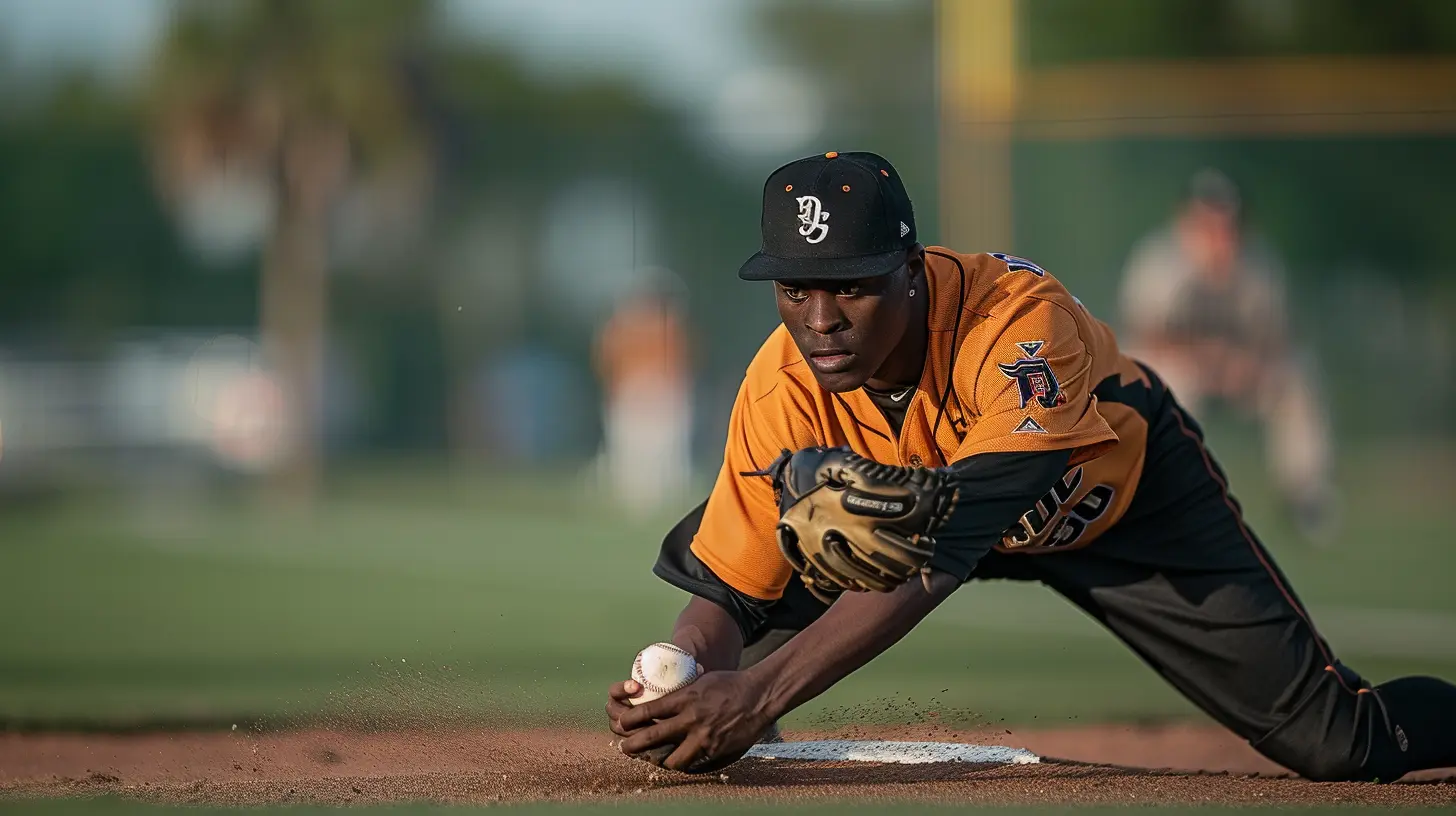
Position-Specific Scouting Guidelines
All positions aren’t created equal. Here’s a closer look at what scouts look for by position:Pitchers
For pitchers, it starts with velocity — but that’s just the tip of the iceberg. Scouts dig into mechanics, command, movement, pitch mix, and how a pitcher handles tough spots. Does he stay composed with runners on base? Can he throw strikes under pressure?The big question: “Can this guy get outs at the next level?”
Catchers
This is a leadership role. Scouts want catchers who can handle pitchers, call games, block, throw, and hit. That’s a steep list, right? Add in durability and mental toughness — you’ve got yourself a valuable prospect.Infielders
Middle infielders need range, soft hands, and a quick release. Corner infielders? Scouts want power bats with reliable gloves. Can this kid handle the hot corner or turn two smoothly?Outfielders
Range, route efficiency, and a cannon of an arm — outfielders need them all. Center fielders should be gazelles out there. Corners better drive the ball because they’re expected to hit.What Numbers Can’t Tell You: The Intangibles
Here’s where the "art" of scouting really kicks in.Baseball IQ
Does the player understand the game? Is he making smart decisions, backing up plays, hitting cutoff men, and running smartly on the bases?Work Ethic
Talent without work ethic? Forget it. Scouts talk to coaches, teammates, and even parents. If a kid grinds it out daily, that’s a major plus.Coachability
Will he listen, learn, and grow? Some players are raw but moldable. Others think they know it all and never improve.Makeup
This is the X-factor. Scouts often refer to a player’s “makeup,” meaning his character, competitiveness, and resilience. How does he bounce back after a bad game? Is he a leader in the dugout or just in it for himself?High School vs. College Players: Who’s Easier to Scout?
Let’s settle the debate — kind of.High School Players
They’re younger, which means more projection. Scouts have to predict physical growth and future skills. High ceiling, high risk.College Players
They’re older and closer to their "final form," so to speak. You get to see them against better competition. More data, less guesswork.Scouts love tools, but they also love certainty. That’s why college players, even with lower ceilings sometimes, can feel like safer bets.
How to Watch a Game Like a Scout
Wanna scout like the pros? Start by watching the little things.- Don’t just watch the ball — watch the players between pitches.
- Observe body language. Is he confident, lazy, or locked in?
- Between innings, does he hustle or stroll to his position?
- How’s his dugout presence? Leading? Sulking?
Don’t get caught up in stats alone. A 3-for-4 game doesn’t mean much if the hits were all bloopers against low velocity. Look at swing mechanics, pitch recognition, and how he adjusts in each at-bat.
Common Mistakes in Amateur Scouting
Even experienced scouts miss sometimes. Here are a few pitfalls to avoid:Falling for Just “Tools”
That kid who hits bombs in BP? Great. But can he do it in games? Is he coachable? Don’t be seduced by raw tools without substance.Ignoring the Mental Game
Stats can tell you what happened, but not why. Mental toughness, leadership, and decision-making matter — a lot.Overvaluing Speed
Yeah, speed is crucial. But if a kid can’t hit or field, his 6.6 60-yard dash means zilch.Assuming Size Equals Talent
Not every great player looks like a Greek god. Scouts love frames that project, sure — but don’t overlook the undersized guys who just ball out.Final Thoughts: Trust the Process
Scouting baseball talent is a grind. There's no secret formula, no perfect prospect, and definitely no guarantees. But when you do it right — really see a kid’s potential and help them carve a path forward — it’s pretty magical.For every scout who passed on a future MVP, there’s another who saw greatness early. And that’s the beauty of it. You’re not just watching a game; you’re forecasting the future.
So next time you’re in the stands, radar gun in hand, notebook open, remember: you’re not just watching baseball — you’re reading the story before it’s written.
all images in this post were generated using AI tools
Category:
BaseballAuthor:

Umberto Flores
Discussion
rate this article
2 comments
Darius Hubbard
Scouting baseball talent is an art that blends passion, intuition, and keen observation. Every pitch, every swing, and every play reveals potential. By understanding what the pros prioritize, we can unlock the next generation of stars. The future of baseball awaits—let's find it!
February 5, 2026 at 12:57 PM
Umberto Flores
Absolutely! Scouting is indeed a nuanced art that requires a deep understanding of players' skills and potential. By honing our observation techniques and insights, we can discover the future stars of baseball. Let's keep looking!
Kristina Hill
Great article! Scouting baseball talent is an art that combines intuition and analytical skills. Remember, while stats are important, the passion and determination of a player can often predict their success. Keep your eyes open for those hidden gems who have the heart to match their talent! ⚾️✨
December 26, 2025 at 3:29 AM
Umberto Flores
Thank you! I completely agree—combining stats with a player's passion and determination is key to finding those hidden gems. Appreciate your insight! ⚾️✨