How to Transition from Junior Hockey to the Professional Leagues
3 February 2026
Making the jump from junior hockey to the professional ranks is one of the most exciting yet challenging steps in a player’s career. It's the moment where dreams start turning into reality. But let’s be real—this transition isn’t just about lacing up your skates and hoping for the best. It requires skill, mental toughness, and a rock-solid game plan.
So, how do you go from playing junior hockey to competing with the best in the world? Let’s break it down step by step. 
1. Mastering the Mental Shift
It's a Whole New Ball Game
Junior hockey is tough, but professional leagues are a different beast. The speed, strategy, and physicality are on another level. If you’re only focusing on your on-ice skills, you're missing half the battle.Handling Pressure Like a Pro
In juniors, you play with peers. In the pros, you're up against seasoned veterans fighting for contracts and championships. The expectations are sky-high, and the pressure can be overwhelming. Learning to stay calm under pressure—whether it's a big game or a rough patch in your season—will set you apart.Developing a Growth Mindset
The pros don’t just look for talent; they look for players who are coachable. Mistakes will happen. What matters is how you bounce back. A growth mindset—embracing challenges, learning from failures, and constantly improving—can be the difference between making it and falling short.
2. Elevate Your Physical Game
Get Bigger, Faster, Stronger
The pace in the pros is relentless. You need to be faster, more agile, and physically stronger than ever before. This means hitting the gym consistently, focusing on explosive strength, and improving your endurance.Nutrition Is Non-Negotiable
You can’t fuel a high-performance engine with junk food. The right nutrition plan will help you recover faster, perform better, and prevent injuries. Professional players work with nutritionists to fine-tune their diets—starting this habit early gives you a serious edge.Injury Prevention & Recovery
The physical toll of pro hockey is intense. Learning how to properly recover—ice baths, stretching, massage therapy, and sleep—will keep your body in peak condition. The best ability is availability, and staying healthy keeps you in the game.
3. Sharpen Your On-Ice Skills
Speed and Decision-Making Go Hand in Hand
At the junior level, you might have a second or two to make decisions. In the pros, that window shrinks to milliseconds. Working on your hockey IQ and decision-making under pressure will help you keep up with the fast-paced pro game.Play Without the Puck
Many players dominate in juniors because they control the puck. But in the pros, you won’t always have it. Learning how to position yourself, anticipate plays, and make an impact even without the puck will make you a valuable asset to any team.Improve Your Defensive Play
Even if you're a goal scorer, coaches at the pro level expect every player to contribute defensively. Backchecking, blocking shots, and winning battles in the corners show that you're ready to compete at a professional level.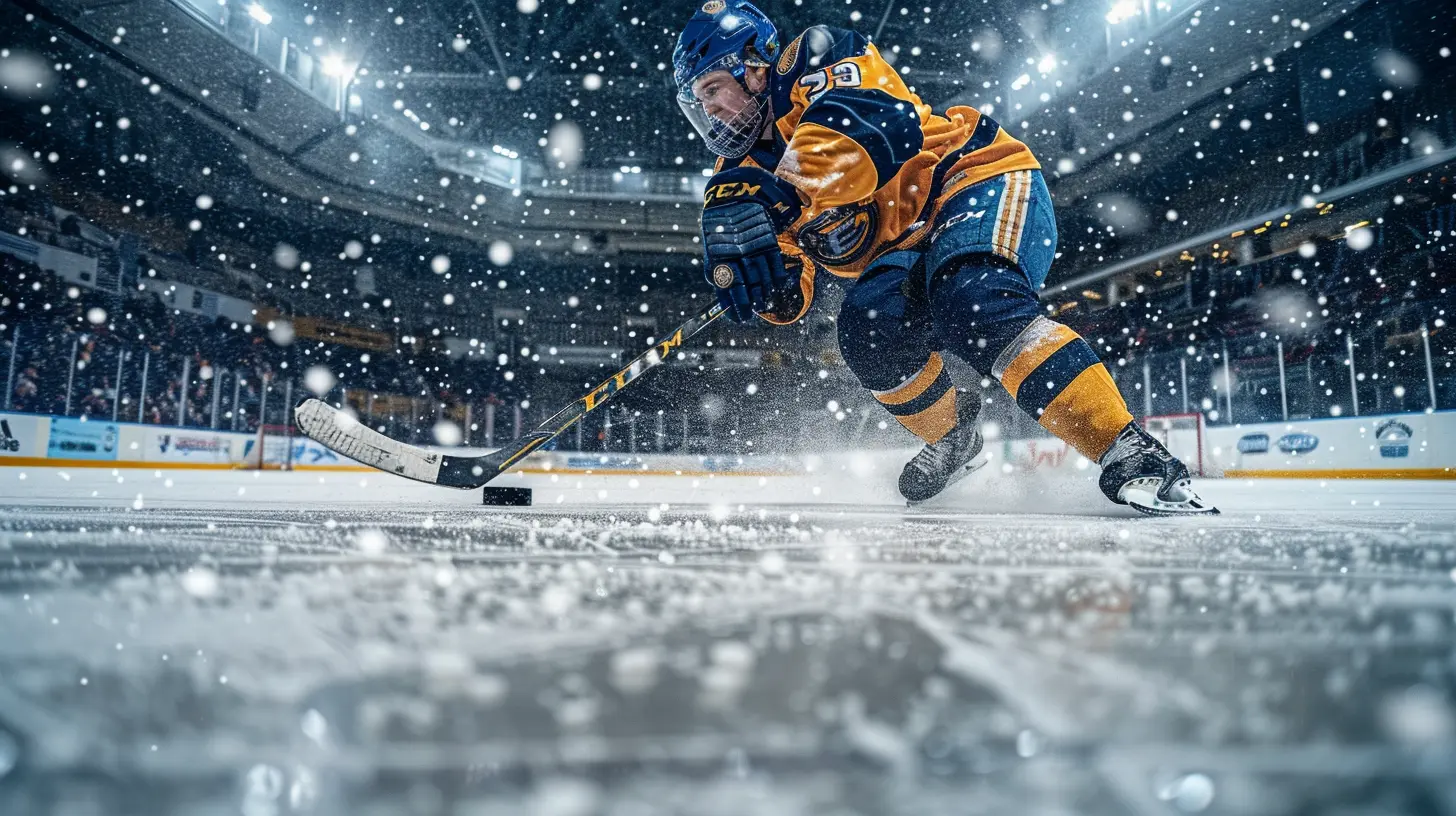
4. Develop a Pro-Level Work Ethic
Consistency Over Flashiness
You might have had highlight-reel goals in juniors, but in the pros, consistency is key. Teams don’t just look for players who can make jaw-dropping plays—they want reliable athletes who bring their best every game.Be the First One In, Last One Out
The pros are stacked with talent, so what separates the good from the great? Work ethic. Being the first player on the ice and the last one off shows dedication. Coaches and scouts notice players who go the extra mile.Never Stop Learning
The best players in the world—Crosby, McDavid, Ovechkin—never stop improving. Watching NHL games, analyzing plays, and working on weaknesses will keep you evolving into the best version of yourself.5. Learn the Business Side of Hockey
Understanding Contracts and Agents
The pro level isn’t just about playing hockey; it's a business. Knowing how contracts work, what to expect from an agent, and how to negotiate your first deal is crucial.Handling Media & Public Relations
Once you go pro, you’ll have to deal with media interviews, sponsorships, and possibly social media scrutiny. Learning how to carry yourself professionally—both on and off the ice—can impact your career as much as your performance.Financial Planning for Longevity
A hockey career can be unpredictable. Some players have 15-year careers, while others only last a few seasons. Smart financial decisions—investments, savings, and avoiding unnecessary spending—will set you up for life after hockey.6. Surround Yourself with the Right People
Lean on Coaches and Mentors
Coaches, trainers, and former players can provide invaluable advice. Listening to those who have been in your shoes can help you navigate challenges more easily.Choose Your Inner Circle Wisely
Not everyone around you will have your best interests at heart. Surround yourself with people who support your goals—those who push you to be better rather than distract you from your dreams.Stay Humble and Coachable
Ego can end careers before they even start. No matter how skilled you are, staying humble and eager to learn will keep you on the right path.7. The Mental Side of Longevity
Handling Setbacks and Rejections
Not every path to the pros is smooth. You might be cut from a team, go undrafted, or spend time in the minors. These setbacks aren’t the end of the road—many NHL stars faced similar struggles. How you respond to adversity defines your future.Balancing Hockey and Life
Yes, hockey is your career, but having a life outside of the sport helps maintain mental well-being. Spending time with family, pursuing hobbies, and taking breaks can keep you grounded and prevent burnout.Keeping the Passion Alive
Remember why you started playing in the first place. The love for the game is what got you this far—never let the pressures of professional hockey take that joy away.Final Thoughts
The transition from junior hockey to the pros is a journey filled with hard work, dedication, and perseverance. It’s not just about talent; it’s about mindset, preparation, and taking every opportunity to improve. If you stay focused, work harder than ever, and embrace every challenge, your dream of playing professional hockey can become a reality.So, are you ready to take the next step? Lace up those skates and go for it!
all images in this post were generated using AI tools
Category:
HockeyAuthor:

Umberto Flores
Discussion
rate this article
2 comments
Maxine Willis
Transitioning from junior to professional hockey requires skill development, mental toughness, and networking opportunities.
March 8, 2026 at 4:30 AM
Umberto Flores
Absolutely! Skill development, mental toughness, and networking are crucial components for a successful transition to professional hockey.
Isaiah Gilbert
Great article! Transitioning from junior hockey to the pros can be daunting, but your insights on mindset and preparation are invaluable. Wishing all aspiring players the best of luck in this exciting journey! Keep pushing forward!
February 5, 2026 at 12:57 PM
Umberto Flores
Thank you for your kind words! I’m glad you found the insights helpful, and I wish all aspiring players the best on their journey!