How to Use Angles to Your Advantage in Boxing
30 April 2026
Have you ever watched a great boxer and wondered how they slip punches, land clean shots, and seem to vanish from danger in the blink of an eye? It’s not magic—it’s angles. Learning how to use angles to your advantage in boxing can be the secret sauce that takes your skills from average to elite.
Whether you're just lacing up your gloves or looking to sharpen your ring IQ, understanding how to manipulate angles is one of the smartest moves you can make. Let's break it down and dive deep—because footwork and positioning aren't just for show.
What Do We Mean by “Angles” in Boxing?
Before we jump into the how, let’s get clear on the what.Angles in boxing refer to the positioning of your body in relation to your opponent. It’s all about creating the best position to land punches while making it harder for your opponent to hit you. Think of it like chess. If you're standing directly in front of your opponent, you're playing checkers. But if you’re constantly moving, changing levels, stepping to the side—you’re playing chess.
Using angles effectively means you're:
- Avoiding direct exchanges
- Creating open targets
- Controlling the flow of the fight
It’s kinda like being a ninja with gloves on—appearing where your opponent doesn’t expect you.
Why Angles Matter in Boxing
Let’s just lay it out—fighting straight-on gets you hit. A lot.If you stay in the center line (that imaginary line down the middle of your opponent's body), you become a stationary target. That’s where most punches are aimed. But when you use angles, you step off that line. Suddenly, your opponent's straight punches miss, and you’ve found an opening for a clear counterpunch.
Angles give you the upper hand in multiple ways:
- Defense: You can avoid punches without even moving your upper body—just step to the side.
- Offense: Better positioning means cleaner shots.
- Psychological edge: Making your opponent miss and pay kills their confidence.
See how powerful this can be?
The Fundamentals of Using Angles
Before you go launching into fancy footwork, you need a solid foundation. Let’s talk about the basics that make angle-fighting effective.1. Footwork is King
If angles are the strategy, footwork is the engine. You can’t create angles without moving your feet. Pivoting, side-stepping, and shifting your weight are all part of the game.Here’s a simple drill to start with:
- Throw a jab
- Immediately take a step to your left (if orthodox) or right (if southpaw)
- Fire a right cross from that angle
You just created a new angle. Simple, slick, and deadly.
2. Head Movement + Foot Positioning
Angles alone won't save you—unless your head's moving too. Combine slips with lateral movement and you’re much harder to hit. Think of it as dancing: your feet and upper body should move in rhythm.Try slipping a jab while pivoting out to your lead side. You’re not only avoiding the punch, but also setting yourself up for a better counter.
3. The Pivot is Your Best Friend
One of the most underutilized tools in amateur boxing is the pivot. Instead of backing up or circling wide, a quick pivot around your lead foot can take you from defense to offense in under a second.Picture this:
- Your opponent loads up a right hand
- You slip and pivot to your left
- Boom—you’re now on their side, and they’re wide open
It’s like teleporting in the ring.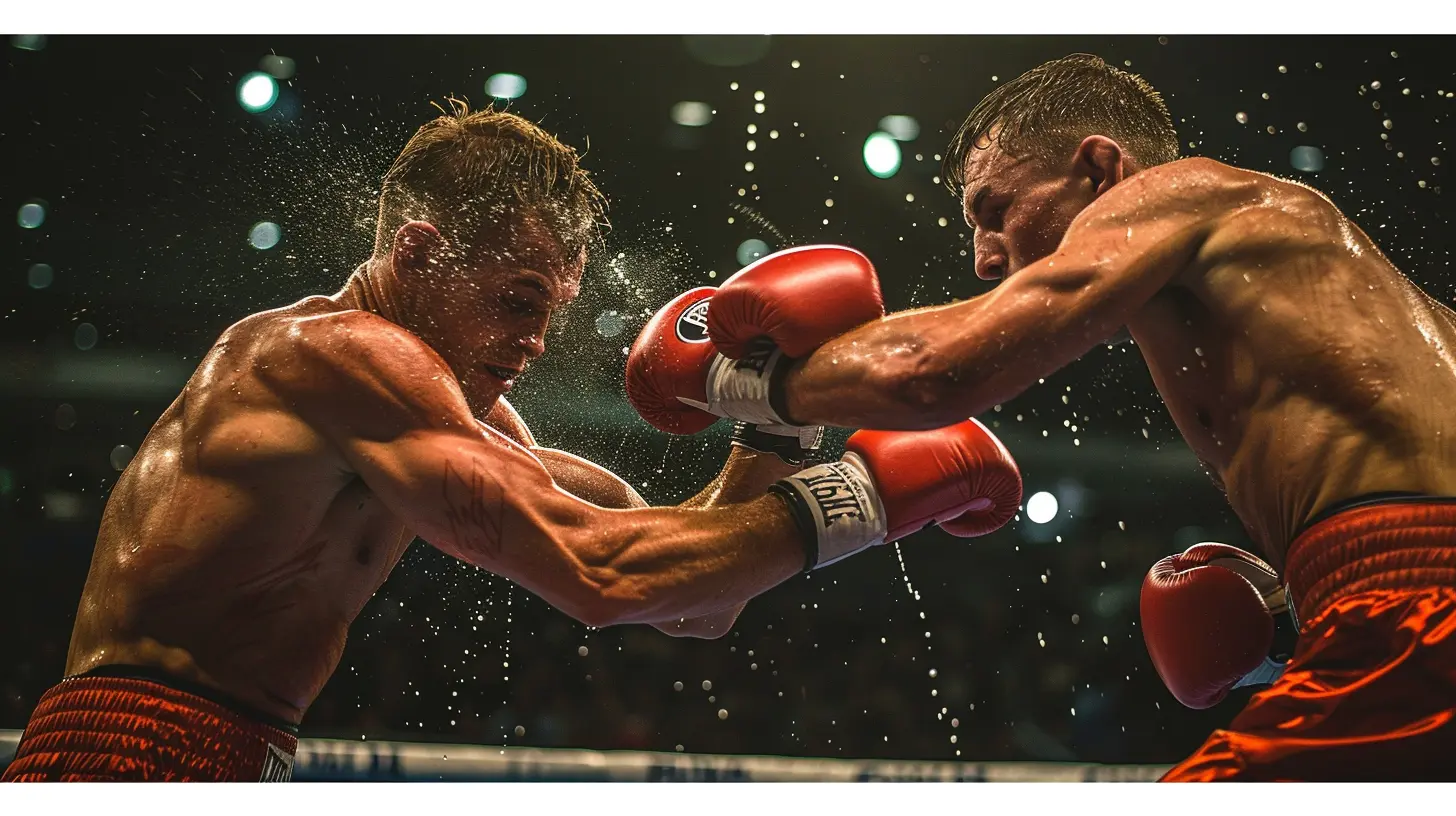
Offensive Angles: How to Set Up the Perfect Shot
Angles don't just keep you safe—they help you land cleaner shots. Let’s cover a few tactics to turn angles into offense.1. Step Around After the Jab
Throw a stiff jab and immediately step offline. This forces your opponent to reset while you line up your power hand. From that new angle, your opponent’s guard may no longer be in the right position to block your shot. Sneaky, right?2. The L-Step Move
This is a beautiful maneuver often used by guys like Vasyl Lomachenko. After throwing a combo, instead of stepping straight back, you take a step back and to the side—forming an “L” with your rear foot.This gets you out of range AND gives you a new angle to fire from.
3. The Shift
Ever heard of shifting your stance mid-combo? It’s bold, but deadly.Example:
- Throw a right cross (orthodox)
- Step forward with your right foot as you swing your left hand
- Now you’re in southpaw for a moment
You catch your opponent completely off guard—and that’s when the magic happens.
Defensive Angles: Be Hard to Hit
Getting hit less is a pretty solid goal in boxing, right? Let’s talk defense.1. The Pivot Exit
We talked about the pivot offensively, but it’s just as helpful defensively. After your exchange, don’t stay in front of your opponent. Pivot out and make them chase you—on your terms.Floyd Mayweather made a career out of this. He’d shoulder roll, step off line, and force his opponent into missing like clockwork.
2. Step Out at an Angle
After a flurry, don’t just back up. Step out diagonally. This creates space AND opens up counters. Straight back = predictable. Diagonal = tricky.3. Don’t Stay Centered
If you’re always in front of your opponent, you’ve basically handed them a roadmap. Move your head, angle your shoulders, take half steps. Keep changing the picture.Southpaw vs Orthodox: Angles Matter Even More
When an orthodox fighter faces a southpaw, angles get even spicier.The lead feet of both fighters are dangerously close to each other. Whoever controls that outside foot typically controls the angle. Why? Because from the outside, you're lined up for your straight cross—and your opponent isn’t.
If you’re facing a southpaw:
- Step your lead foot outside theirs
- Throw your straight right
- Swing your head offline
If you're the southpaw—same rule. Own that outside lane.
It’s like a game of Twister with gloves, and whoever gets the better angle wins.
How Pros Use Angles to Dominate
Need some inspiration? Let’s look at a few legends who use angles like a paintbrush:Vasyl Lomachenko
This guy’s footwork is like ballet meets brutality. He’s known for stepping around opponents mid-combo and ending up behind them. Literally. His exits are pivots. His entries are timed angles. It’s a masterclass.Manny Pacquiao
Pacman was a whirlwind. He'd dart in at insane angles and throw bombs from places no one saw coming. Left from the side, right hook from under—it was chaos, and it worked.Canelo Álvarez
Canelo’s subtle shifts and pivots allow him to counter like a sniper. Watch how he angles out of danger, then steps back in to land a body shot. Clean. Precise. Ruthless.Drills to Train Angles Like a Pro
You’re not going to become a master overnight, but with these drills, you’ll start feeling more comfortable creating and taking advantage of angles.1. Shadowbox with Angles
As you move around the ring, imagine an opponent in front of you. Don’t stay still. Throw a combo, angle out, then attack again. Work both left and right angles.2. Cone or Chair Drill
Place three cones in a triangle. Start at one, then step to the right cone and throw, then pivot to the third cone and throw again.This teaches you movement and positioning at once.
3. Partner Drills
Have a partner throw single shots at you. Each time, slip and step to a new angle before throwing a counter. Build speed slowly.Mistakes to Avoid
Let’s face it—not every angle is a good angle. Here are a few common blunders:- Over-committing: Don’t leap into your angle. Step with balance.
- Poor timing: If you step too early or too late, you’re wide open.
- Flat feet: You can’t move if you’re heavy on your heels.
Think of it like driving a car. If your timing’s off or your wheels aren’t aligned, you’re headed for a crash.
Final Thoughts: Angles Are the Name of the Game
Boxing isn’t just about strength or speed. It’s about being smart and invisible. Using angles turns you into a ghost—there one second, gone the next. The greats have mastered it, and so can you.So next time you’re training, ask yourself:
- Am I staying on the center line too much?
- Am I creating new openings with movement?
- Am I making my punches harder to read?
The answers will tell you how well you're using angles. Keep practicing. Keep pivoting. Keep getting sharp.
Because in boxing, the best punch is often the one your opponent never sees coming.
all images in this post were generated using AI tools
Category:
BoxingAuthor:

Umberto Flores
Discussion
rate this article
2 comments
Carina McLaury
Mastering angles in boxing is like playing chess in the ring. It opens paths for attack and evasion, allowing a fighter to control the pace and dictate the fight.
July 1, 2026 at 8:30 PM
Umberto Flores
That's a great comparison. Just like in chess, understanding angles can truly change the direction of the fight.
Georgina Parker
Great read! Now I just need my opponent to kindly stand still while I calculate the optimal geometric trajectory of my jab. Spoiler: they never do. Guess I'll stick to the "swing wildly and hope" angle for now.
April 30, 2026 at 4:53 AM
Umberto Flores
Thanks for reading! Finding that balance between precision and instinct is key. Keep swinging-you never know when that wild angle will land!