How Video Games Are Influencing Real-World Sports Strategies
24 February 2026
Let me guess. You’re thinking, “Wait, video games? Affecting real-world sports? How does that even make sense?” Well, buckle up, because we’re diving deep into the wild and fascinating world where pixels meet playbooks—and it’s not as far-fetched as it sounds.
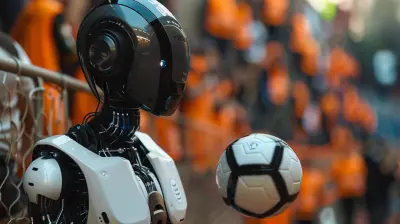
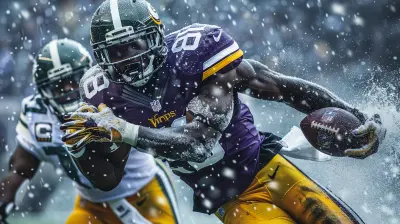
Gone are the days when video games were just a way to kill time or blow off steam. Today, they’re shaping some of the biggest decisions in professional sports. Coaches, analysts, and even athletes themselves are picking up strategies from digital arenas and using them in real-world stadiums. Yep, the crossover is real, and it’s changing the game—literally.
The Blurring Line Between Virtual and Physical Play
Let’s kick things off by getting this out of the way: video games aren’t just entertainment anymore. They’ve become learning tools, strategy simulators, and even psychological training grounds.Games like FIFA, Madden NFL, NBA 2K, and even Football Manager have evolved into hyper-realistic simulators backed by real-world data. These games don’t just let you “play” as your favorite team—they make you think like a coach, adjust lineups, form tactics, manage egos, and react to in-game scenarios in real time.
That’s the bridge. That’s where the magic happens.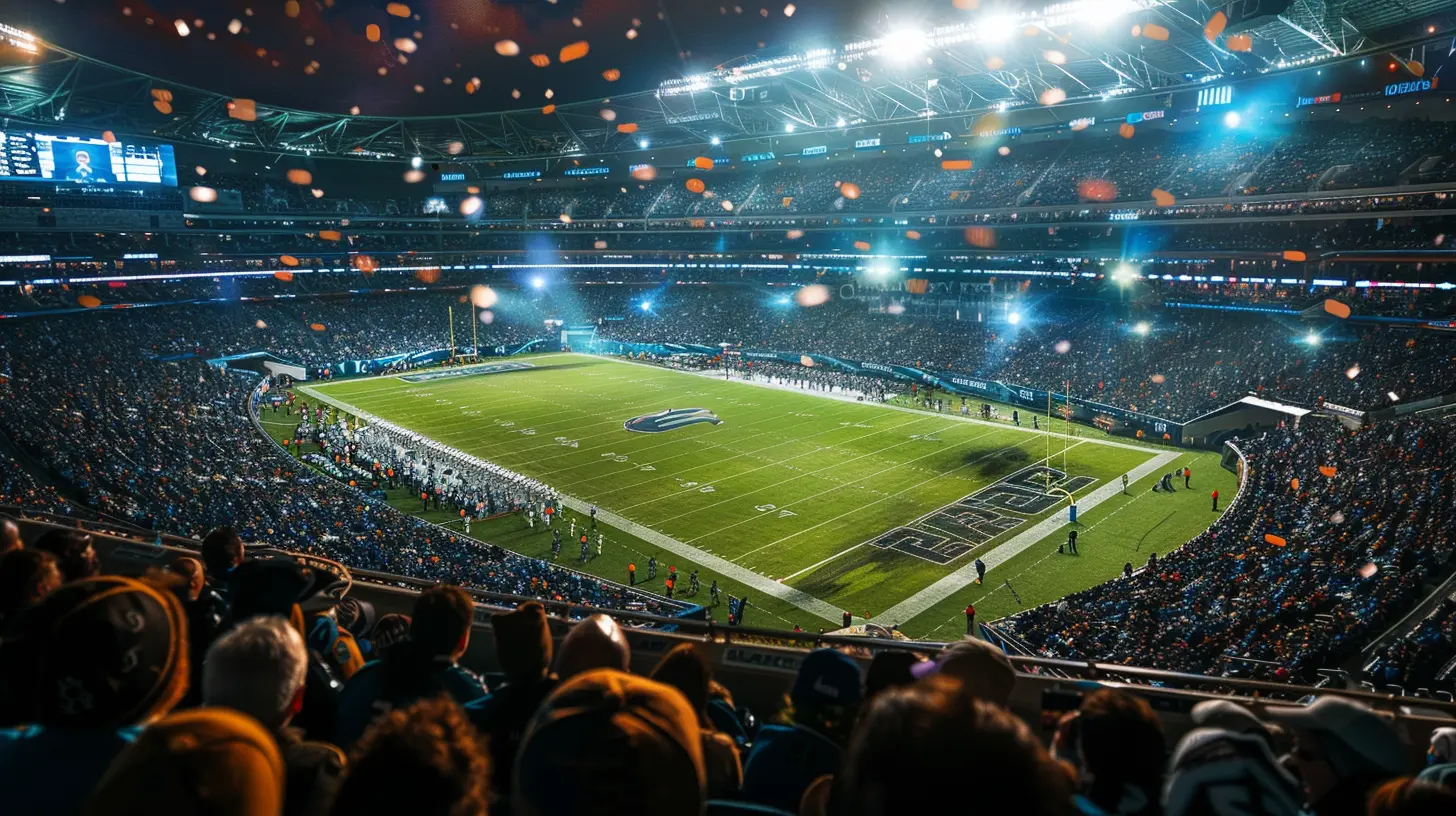
Coaches Are Watching, Too
Hold up—did you think this was just gamers influencing gamers? Think again.Professional coaches in the NFL, NBA, and Premier League are actually taking notes from how certain plays unfold in video games. Some have even admitted to watching YouTube channels where virtual coaches analyze football tactics or basketball pick-and-roll strategies.
These games give them a bird’s-eye view of play execution from every angle. It’s like having access to a virtual practice field on demand—and it's changing the way preparation works. Some franchises are even hiring gamers and analysts who grew up playing these simulators as consultants.
Talk about full circle, huh?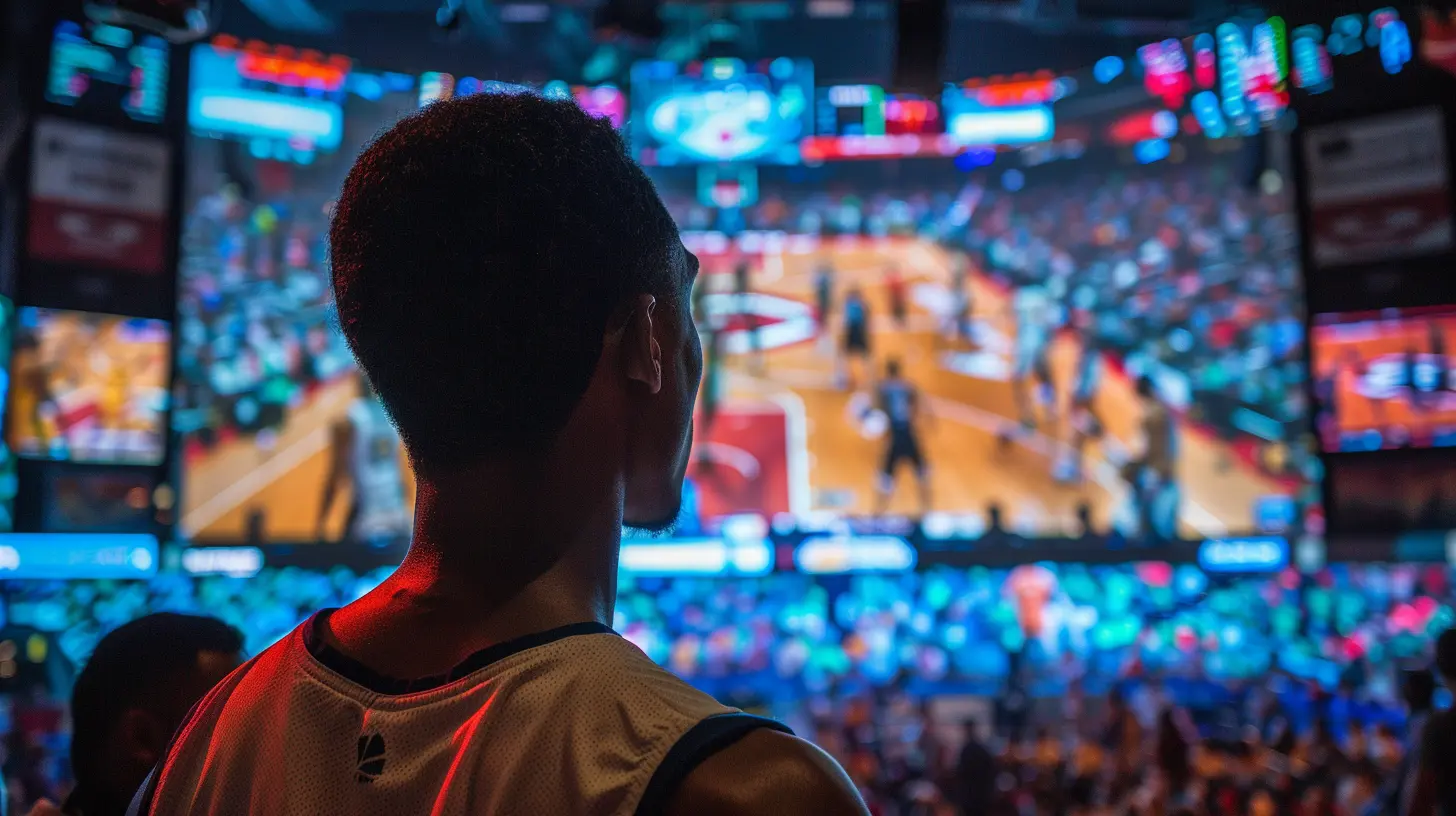
Tactical Innovation: Video Games as a Think Tank
Here’s where things get REALLY interesting.Video games have become a kind of tactical laboratory. In games like Football Manager, users test out bizarre formations, player roles, and pressing systems. And guess what? Some of those crazy tactics actually work.
Take the famous “gegenpress” strategy popularized by Premier League manager Jürgen Klopp. Sure, he didn’t invent it while playing FIFA, but the concept was simulated and tested by thousands of gamers long before it was mainstream.
Now, clubs are scouting not just for athleticism, but for tactical IQ. If someone can build a championship-winning squad in Football Manager, they've got a certain kind of mind that modern sports respects. Some clubs—no joke—have recruited staff based on their performance in these games.
Mind. Blown.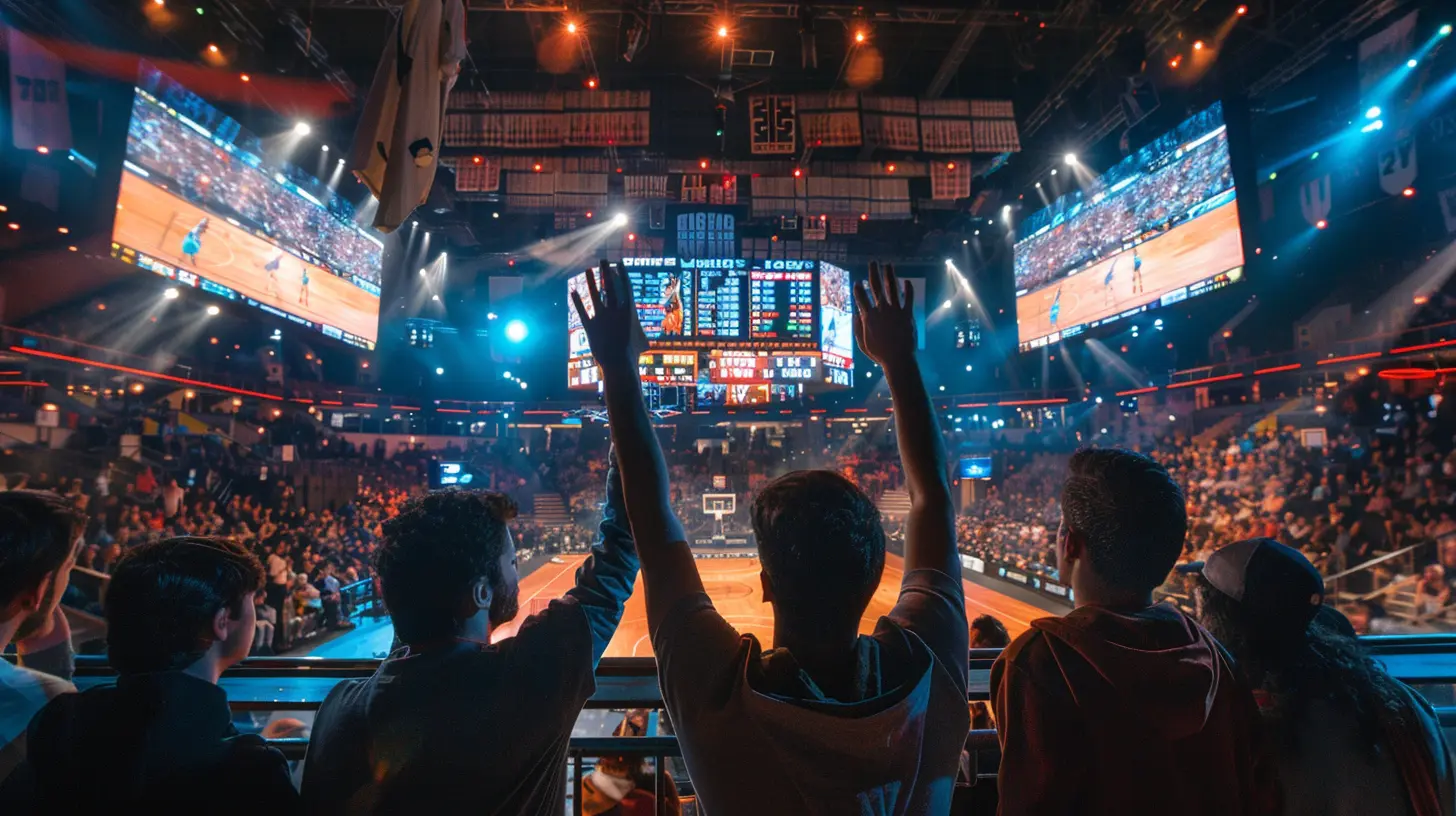
Esports and Traditional Sports: The Cross-Pollination Is Real
Let’s not forget the rise of esports.Pro sports teams are investing in their own gaming divisions, and this relationship isn't just about cashing in on esports' popularity. It’s deeper than that. Esports athletes train like real athletes—focusing on reaction time, decision-making under pressure, and even nutrition.
Oh yeah, and let’s not ignore the fact that watching an esports tournament feels just like watching a real NFL or NBA playoff game now. The production quality, the analysis, the fan engagement—it’s all there.
By observing how gamers adapt tactics on the fly, traditional sports teams are learning to be more flexible and creative under pressure. Suddenly, rotating your defensive shape mid-game doesn’t seem so crazy.
Data, Data, Data – The Shared DNA
If sports strategies are the muscle, then data is the backbone. Both sports video games and real-world sports rely heavily on data analytics.When you're grinding through a season in FIFA Manager or tweaking lineups in Madden, you’re swimming in a sea of stats: stamina, passing rates, defensive recoveries, and more. That’s not just make-believe. It mirrors the data points real coaches obsess over.
By getting familiar with these in games, players and fans alike begin to think like analysts. You're learning to identify patterns, read momentum shifts, and even predict injuries based on a player’s work rate.
In a way, video games are training the next generation of data-savvy coaches, analysts, and athletes.
“Gamification” of Real-World Training
Now let’s flip the script.Not only are games shaping sports, but real sports are also being “gamified” for training purposes. Think about it—VR drills, simulation tools, and even augmented reality training gear. These tools help athletes see plays before they happen, visualize movement patterns, and develop spatial awareness.
NFL quarterbacks are now using VR headsets for pre-snap visualizations. Basketball players are using screen simulations to practice defensive rotations. It’s like combining the Matrix with the NBA Playoffs.
And where does all this technology come from? That’s right. The gaming world.
Athletes Are Gamers, Too
Let’s not act like athletes are just sitting in ivory towers, either. They’re knee-deep in this gaming culture.NBA stars like Devin Booker, NFL quarterbacks like Kyler Murray, or soccer pros like Antoine Griezmann all spend serious time gaming. And it’s more than just fun—it’s community, stress relief, and even tactical thinking.
Some athletes have even said that playing video games helps them visualize plays or reduce anxiety before big games. That mental angle—getting in the zone, reacting quickly, reading situations—is a subtle but real benefit.
This dual role as both athlete and gamer leads to a unique cross-pollination of skills and mindset.
The Mental Side: Strategy, Decision-Making, and Pressure Handling
There’s one huge element we haven’t touched on yet: mental toughness.Video games put players under pressure to make split-second decisions. When you’ve got 30 seconds to execute a game-winning play with a crowd of virtual fans screaming in your ears, it’s not so different from those nerve-wracking last seconds of a playoff game.
Gamers learn:
- How to manage time wisely
- How to adapt to new strategies in real-time
- How to handle setbacks and bounce back
These are transferable skills, people. No matter the setting, that ability to thrive under pressure is pure gold for athletes and coaches alike.
Recruiting, Scouting, and the “Hidden Gems” Era
Here’s one that might surprise you: video games are even shifting how teams scout talent.Clubs are now looking beyond traditional scouting reports. They’re watching how players perform in Esports leagues or simulation tournaments. Why? Because the next tactical mastermind might not be on the field—they might be behind a controller.
It’s not far-fetched. Some software tracks gameplay tendencies, decision-making, and even “soft skills” like communication and leadership. These are things every coach values—and gamers are showing up big time.
We’re entering an era where your Twitch highlights might be worth as much as your highlight reel.
The Future: AI, Virtual Reality, and Enhanced Simulation
Hold on to your controllers—because this is just the beginning.With AI and machine learning, video games are about to get even more lifelike. Imagine practicing against an AI-driven defense that mimics the best in the league. Or using VR to walk through hundreds of in-game scenarios before your next match.
Heck, we're probably not too far from AI coaches helping players develop their own signature moves, analyzed and simulated through gaming engines.
And all of this? It's going to keep bleeding into the real world, blending even further until it’s hard to say where the game ends and reality begins.
Final Whistle: It’s a Two-Way Street
So, what’s the final play here?The relationship between video games and real-world sports is no longer a one-way street. It’s this back-and-forth cycle of ideas, strategy, and innovation that’s shaping the landscape of modern sports.
Video games aren’t just unplugged fun anymore. They’re tools, training grounds, and tactical sandboxes. Athletes use them to prepare. Coaches use them to strategize. And fans? Well, we get to enjoy being closer to the game than ever before.
So next time someone tells you playing Madden or FIFA is a waste of time, just smile and say, “Maybe I’m just prepping for my coaching career.
all images in this post were generated using AI tools
Category:
Sports InnovationsAuthor:

Umberto Flores
Discussion
rate this article
2 comments
Trixie Marks
Great insights! It's fascinating how video games are shaping real-world sports strategies. This blend of technology and athletics truly highlights the evolving nature of competition and strategy in sports today.
March 21, 2026 at 5:32 AM
Umberto Flores
Thank you! It's exciting to see how the intersection of technology and athletics is transforming strategies and enhancing performance in sports.
Ashira Barker
Who knew that leveling up in Mario Kart could translate to a game-winning play in the Super Bowl? Next, we’ll see coaches yelling ‘Press Start’ during timeouts! Forget playbooks, let’s just consult the latest gaming strategy guide for halftime adjustments!
February 26, 2026 at 3:20 AM
Umberto Flores
Absolutely! The crossover between gaming and sports strategies highlights the evolving nature of competition. As coaches embrace innovative tactics, we'll likely see more of these playful integrations in real-world sports!