How Weather Affected Competition in the 2026 Outdoor Sports Season
22 September 2026
The 2026 outdoor sports season will be remembered less for a single champion than for the conditions that shaped every result. From spring track meets to late summer marathons, athletes and organizers faced a weather pattern that refused to settle. Heat arrived early in some regions, rain lingered where it normally would not, and wind became a recurring character in stadiums and on open courses. The consequence was not simply slower times or cancelled events. It was a season that forced a rethink of how competition is scheduled, how athletes prepare, and how performance is judged.
This article examines what happened, why it happened, and what it means for anyone involved in outdoor sport. It is not a recap of headlines. It is an analysis of how weather became a competitive variable in 2026 and how that reality should change decision-making going forward.
The Big Picture: Weather as a Performance Variable
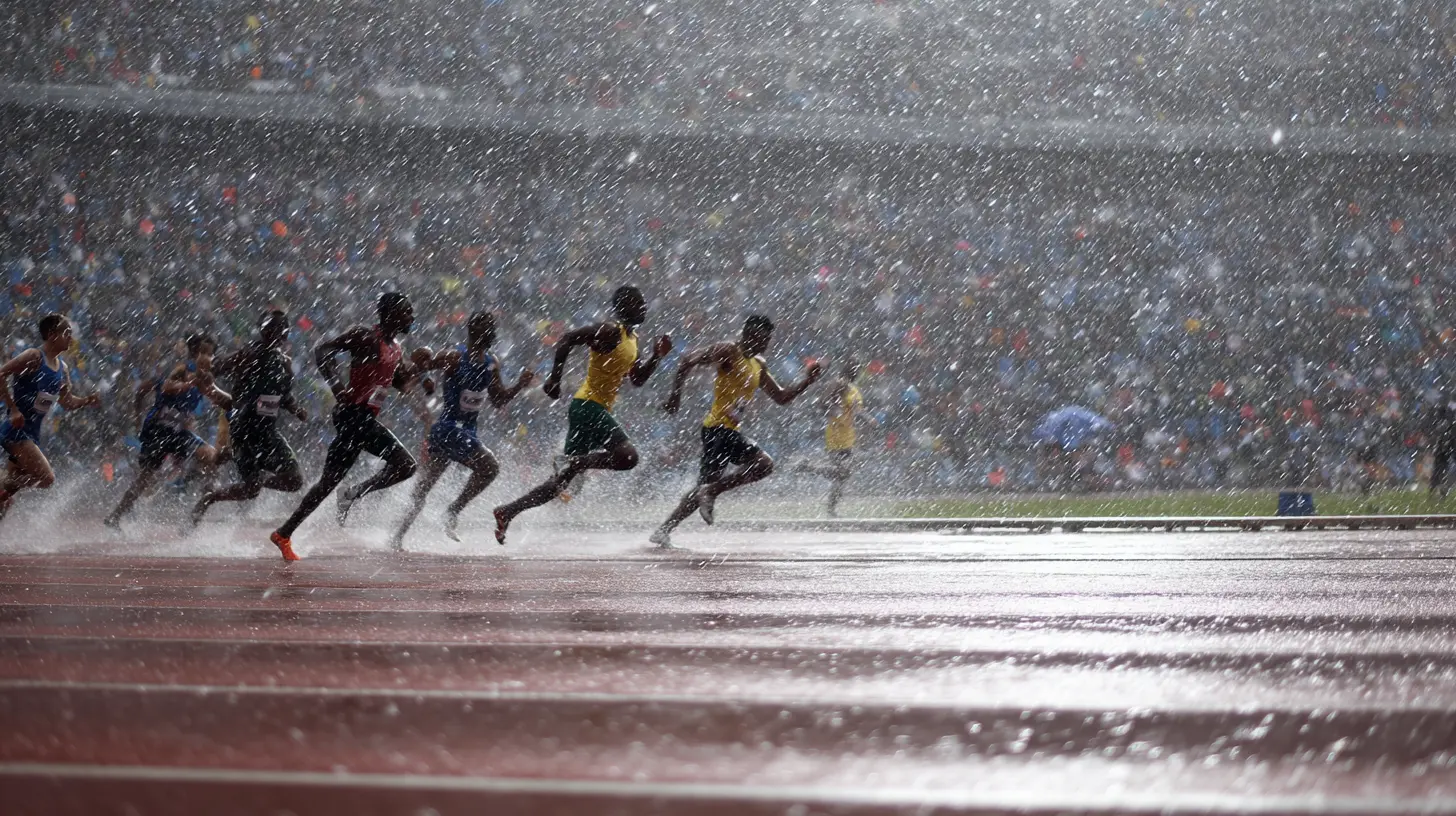
Every outdoor sport has an implicit contract with the environment. Sprinters accept wind readings. Golfers accept rain. Marathoners accept heat. What changed in 2026 was the frequency and intensity of these variables stacking on top of each other. A single hot day is manageable. A week of hot days with poor air quality, followed by a storm front that drops temperatures by fifteen degrees overnight, is a different problem entirely.The physiological and psychological effects compound. Heat raises core temperature and heart rate. Humidity reduces evaporative cooling. Wind alters aerodynamics and ball flight. Rain changes surface friction and grip. When these factors arrive together or in rapid succession, athletes cannot simply "adapt." Their bodies are already managing one stressor when the next one lands.
What made 2026 distinct was not that any single weather event was unprecedented. It was the clustering. Competitions that normally had one weather story had three. Organizers who planned for a heat contingency also needed a lightning plan, a wind plan, and a schedule flexibility plan. The season exposed how thin most weather protocols actually are.
Spring: A Season of Extremes
Cold Snaps and the Myth of "Good Racing Weather"
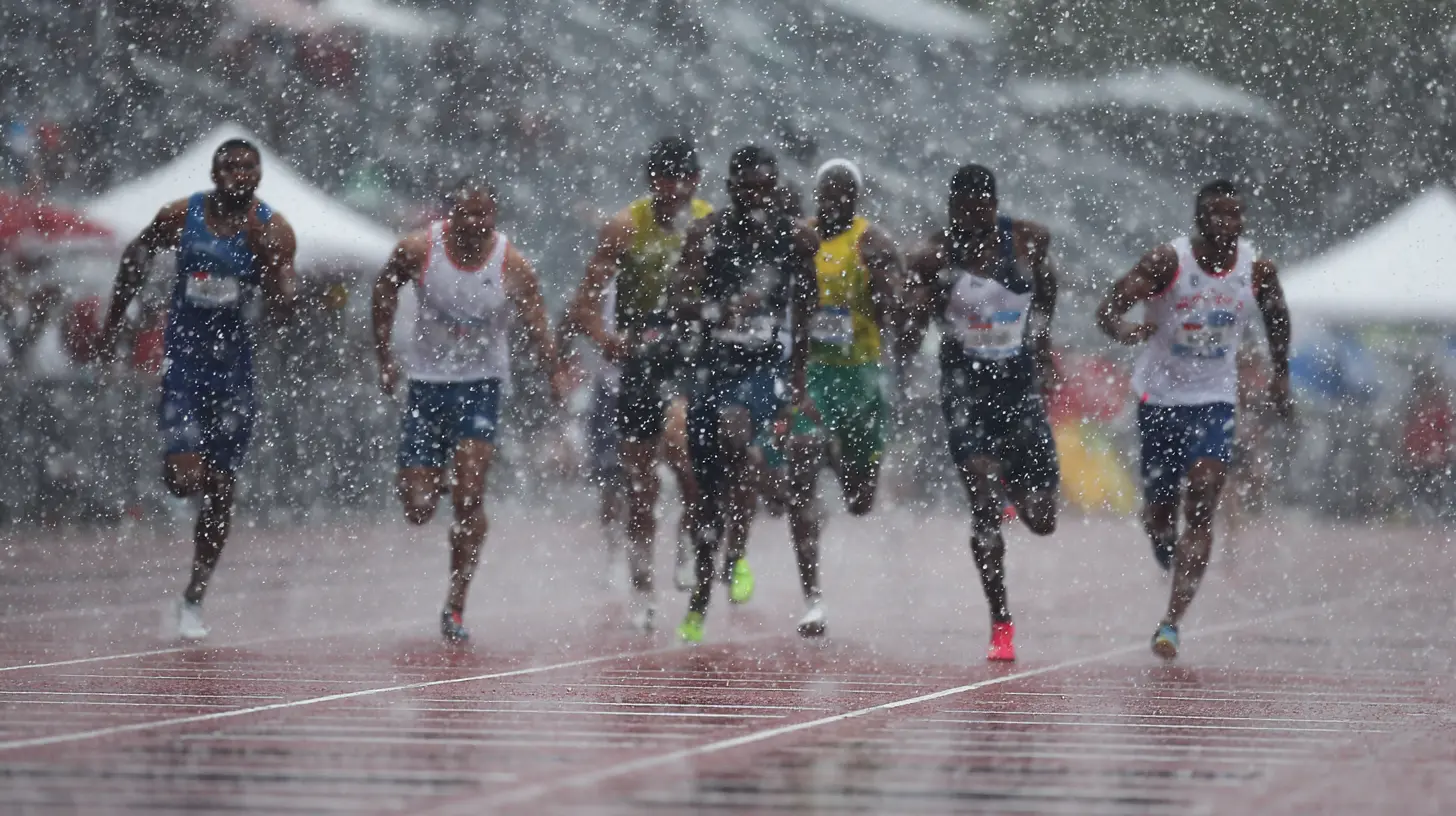
Spring 2026 delivered a lesson in the difference between cool and cold. Distance runners often welcome temperatures in the 50s Fahrenheit. But when those temperatures come with sustained winds and rain, the effective conditions are far worse than the number suggests. Wind chill is not a comfort issue. It is a performance and safety issue.In several regional track and field meets, athletes who had prepared for mild spring conditions faced wind readings that made fast times impossible. Sprinters ran into headwinds that erased personal bests. Jumpers and throwers dealt with crosswinds that turned technique into guesswork. The frustration was not just about the numbers. It was about fairness. When the wind varies between lanes and between attempts, the competition stops measuring ability and starts measuring luck.
The common mistake here is treating wind as a minor nuisance. In reality, wind is one of the most inequitable weather factors in outdoor sport because it is rarely uniform. A sprinter in lane four may face a different wind than a sprinter in lane eight. A javelin thrower may get a gust that lifts a throw, while the next competitor gets a gust that stalls it. Officials can measure wind, but they cannot equalize it. The best practice is to record conditions carefully and, where rules allow, adjust qualifying standards or re-run events when conditions are clearly outside acceptable ranges.
Rain and the Problem of Surface Consistency
Rain in spring is expected. What mattered in 2026 was how different surfaces responded. Synthetic tracks drain well but become slick at the edges. Natural grass fields become soft, then muddy, then unpredictable. Tennis courts vary from porous to sealed, and the difference changes how the ball bounces and how players move.The trade-off is between playing through and postponing. Playing through preserves the schedule but risks injury and unfair conditions. Postponing protects the integrity of the competition but creates logistical chaos, especially for multi-day events with travel commitments. There is no universal answer. The right decision depends on the surface, the stakes, and the safety margin.
What 2026 showed is that organizers who had pre-defined thresholds made better decisions than those who improvised. A written rule like "if standing water is visible on the playing surface, play stops" removes emotion from the call. It also protects officials from pressure to continue when conditions are marginal.
Summer: Heat, Humidity, and the Limits of Adaptation
Why Heat Is Not Just a Comfort Issue
Heat is the most studied weather factor in sport, and for good reason. When core temperature rises, blood flow shifts from muscles to skin. Heart rate climbs. Perceived effort increases. At a certain point, performance declines regardless of fitness or willpower. This is not weakness. It is physiology.The 2026 summer season pushed this reality into the open. Events that normally started in the morning were moved earlier. Some were moved later. Some added cooling stations, ice towels, and misting tents. These measures help, but they do not eliminate the problem. They buy time and reduce risk. They do not make extreme heat safe for maximal effort.
The misconception is that heat adaptation training solves everything. Heat acclimation does improve tolerance. It increases plasma volume, improves sweat rate, and lowers the cardiovascular strain for a given workload. But adaptation has limits. It takes days to weeks to develop. It fades quickly without exposure. And it does not protect against heat stroke, which is a medical emergency, not a fitness issue.
For athletes, the practical takeaway is to treat heat as a separate training variable. Do not assume that fitness on a cool day transfers to a hot day. Test hydration strategies in training. Learn personal sweat rate. Practice cooling techniques. And accept that on some days, the goal is not a personal best but a safe finish.
Air Quality: The Invisible Competitor
Heat often comes with stagnant air, and stagnant air traps pollutants. In 2026, several outdoor events faced air quality that made intense exertion risky, particularly for athletes with asthma or other respiratory conditions. The challenge is that air quality is invisible. Athletes cannot see it the way they see rain or feel it the way they feel wind.The best practice is to monitor air quality index (AQI) alongside temperature and humidity. When AQI reaches unhealthy levels, the decision to cancel or postpone should be made early, not after athletes have warmed up. Delaying the call wastes resources and exposes people unnecessarily.
There is a trade-off between protecting health and preserving competition. Some sports can move indoors. Some cannot. For those that cannot, the only responsible options are postponement, relocation, or cancellation. This is unpopular. It is also correct.
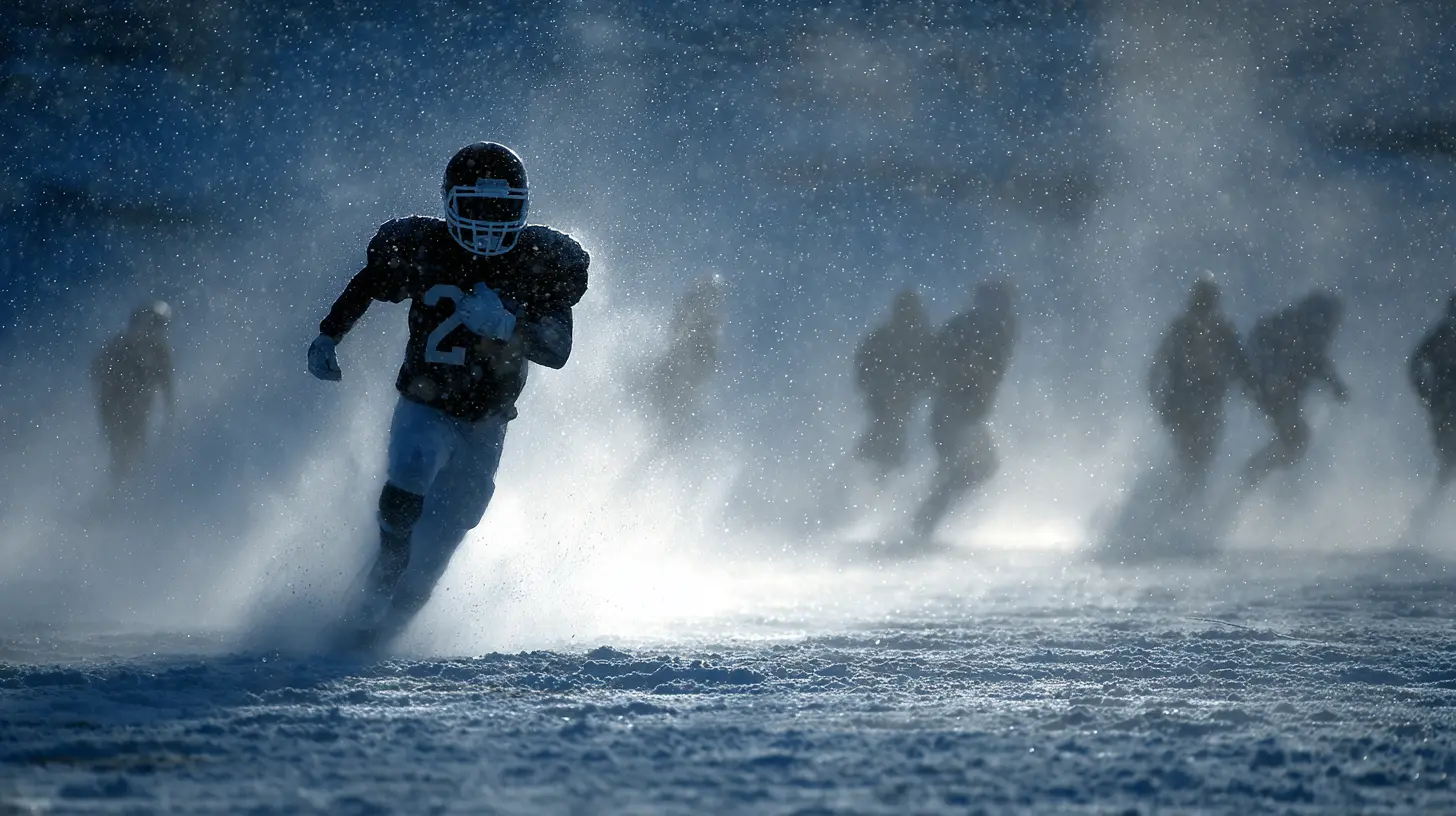
Wind: The Great Unequalizer
Wind deserves its own section because it affects sports differently and because it is so often underestimated.In track and field, wind is measured and rules exist to handle it. A tailwind above the legal limit invalidates a record. A headwind slows everyone but not equally. The taller, lighter athlete may be more affected. The athlete with a lower profile may be less affected. This is not a flaw in the sport. It is a reality of outdoor competition.
In golf, wind changes club selection, ball flight, and strategy. A course that plays easy in calm conditions becomes brutal in a crosswind. The 2026 season saw rounds where scores ballooned not because players were playing badly but because the wind made certain shots nearly impossible. The best players adjusted. They aimed away from flags, accepted bogeys, and waited for calmer holes. The lesson is that wind rewards patience and penalizes ego.
In cycling, wind is a tactical weapon. Crosswinds split the peloton. Headwinds neutralize breakaways. Tailwinds make races fast and dangerous. The 2026 season saw stages where wind did more to shape the outcome than any climb. Teams that understood this positioned riders early. Teams that did not lost time they could not recover.
The common thread is that wind is not random. It has patterns. It interacts with terrain. It changes throughout the day. Athletes and coaches who study wind forecasts and local conditions gain a real advantage. Those who ignore it leave results to chance.
Rain and Lightning: Safety First, Always
Rain is inconvenient. Lightning is lethal. The distinction matters because the response should be different.Rain can be managed with the right equipment, surface preparation, and attitude. Lightning cannot. When thunder is heard or lightning is seen, play must stop. There is no negotiation. The 2026 season reinforced this in several high-profile events where delays were called correctly and, in a few cases, called too late.
The best practice is to use a lightning detection system and a clear 30-30 rule: if the time between lightning and thunder is 30 seconds or less, seek shelter. Wait 30 minutes after the last thunder before resuming. This is not overly cautious. It is the standard used by most sports governing bodies, and it exists because lightning strikes can occur miles from the storm.
For organizers, the trade-off is between finishing the event and protecting lives. There is no trade-off. Lives come first. The practical challenge is communicating this to athletes, coaches, and spectators who want to play. A pre-event briefing that explains the policy and the reasoning reduces conflict when the decision is made.
Scheduling and Adaptation: What Worked
The 2026 season produced clear lessons about what works when weather turns hostile.Early Decisions Beat Late Ones
Events that made weather calls early, sometimes the night before, had smoother operations. Athletes could adjust travel. Officials could adjust staffing. Spectators could adjust plans. Late decisions created chaos and resentment.Flexible Formats Help
Events that built in buffer days or alternative time slots handled disruptions better. A single-day event with no backup is fragile. A multi-day event with a flexible schedule is resilient. This is a trade-off because flexibility costs money and time. But the cost of a cancelled event is often higher.Communication Is a Safety Tool
Clear, frequent communication about weather conditions and decisions reduces risk. Athletes who know the plan are less likely to make impulsive choices. Coaches who understand the thresholds can prepare their teams. Spectators who receive updates are less likely to crowd officials with questions.Data Matters
Events that recorded temperature, humidity, wind speed, and wind direction at regular intervals had better post-event analysis. This data helps athletes understand their performance in context. It also helps organizers improve future planning. The cost of a basic weather station is trivial compared to the value of the data.Common Mistakes and Misconceptions
Several patterns repeated across the 2026 season, and they are worth naming directly."It's the Same for Everyone"
This is the most common misconception. Weather is never the same for everyone. Wind varies across a field. Heat varies with shade and surface. Rain varies with drainage. Two athletes in the same event can face materially different conditions. Acknowledging this is not making excuses. It is understanding the sport."Toughness Solves Everything"
Toughness matters. It helps athletes push through discomfort. But toughness does not lower core temperature. It does not stop lightning. It does not improve air quality. Confusing mental resilience with physical safety is dangerous."We Can Just Move It Indoors"
Indoor facilities are not always available. They may not meet the requirements of the sport. They may not have the capacity. Moving indoors is a valid option when it exists, but it is not a universal solution."The Forecast Was Wrong"
Forecasts are probabilistic. A 70 percent chance of rain means it will rain in some places and not others. Blaming the forecast misses the point. The right approach is to plan for a range of outcomes, not a single prediction.
Practical Recommendations for Athletes, Coaches, and Organizers
The 2026 season offers actionable guidance for anyone who competes or organizes outdoor events.For Athletes
Train in the conditions you expect to face. Do not avoid heat or wind in training. Acclimate gradually. Test hydration and nutrition in training, not on race day. Have a backup goal for bad-weather days. A personal best may not be possible, but a strong tactical performance may be.For Coaches
Monitor weather forecasts daily. Adjust training loads based on conditions. Teach athletes to read wind and manage heat. Have a clear communication plan for weather delays. Prioritize long-term health over short-term results.For Organizers
Write weather policies before the season starts. Define thresholds for heat, wind, rain, lightning, and air quality. Communicate these policies to participants in advance. Build flexibility into schedules. Train staff on emergency procedures. Record conditions for post-event analysis.The Bigger Picture: A New Normal or a Warning?
It is tempting to call 2026 an anomaly. It may be. It may also be a preview. The safest assumption is that weather variability will continue to challenge outdoor sport. The response should not be panic. It should be preparation.Sports have always adapted to their environments. Alpine skiing uses snowmaking. Cricket uses covered pitches. Track and field uses wind gauges. The next step is to treat weather as a core part of event design, not an afterthought. This means better data, clearer policies, and more respect for the limits of the human body.
The 2026 outdoor sports season did not break sport. It reminded everyone that sport happens in the world, not in a laboratory. The athletes who understood this performed better. The organizers who planned for it ran better events. The season was difficult, but it was also instructive. The lessons are there for anyone willing to learn them.
all images in this post were generated using AI tools
Category:
Season RecapsAuthor:

Umberto Flores
Discussion
rate this article
1 comments
Levi McAllister
Great read! It's fascinating how weather conditions shaped the outdoor sports season in 2026. Athletes showed incredible resilience and adaptability, making the competitions even more thrilling. Looking forward to what the next season brings!
September 22, 2026 at 4:12 AM