Mastering the Art of the One-Handed Backhand in Tennis
14 December 2025
The one-handed backhand. Just saying it feels... classic, right? Think Roger Federer, Stan Wawrinka, or even the late great Justine Henin who redefined elegance with that graceful swing. If you’ve ever watched a tennis pro whip out a one-handed backhand winner down the line, you know it's more than just a shot—it’s a statement.
But here’s the real talk: mastering the one-handed backhand isn’t just for the pros. Whether you're a weekend warrior or someone chasing league titles, this shot can become one of your favorite weapons on the court.
In this deep dive, we're going to break it all down—how to hit it, why it's awesome (and sometimes tricky), and how to make it part of your tennis identity. Ready to transform your backhand from “meh” to “magnificent”? Let’s serve this up!
🎾 What Makes the One-Handed Backhand So Special?
If tennis strokes were superheroes, the one-handed backhand would be the stylish vigilante. It’s not the most powerful or the easiest to learn, but boy, when it's on point—it’s poetry in motion.Unlike the two-hander, the one-handed backhand gives you:
- More reach: You're able to stretch further, especially useful for wide balls.
- Extra flair: It just looks cooler. Let’s admit it: there's a certain charisma to a clean one-handed stroke.
- Better slice variety: Slices with a one-hander are smoother and sneakier.
- Improved net transition: Because of the follow-through and positioning, the one-hander can naturally flow into a volley or approach shot.
Now, it’s not without its drawbacks (we’ll get to those too), but when executed well, it’s a total game-changer.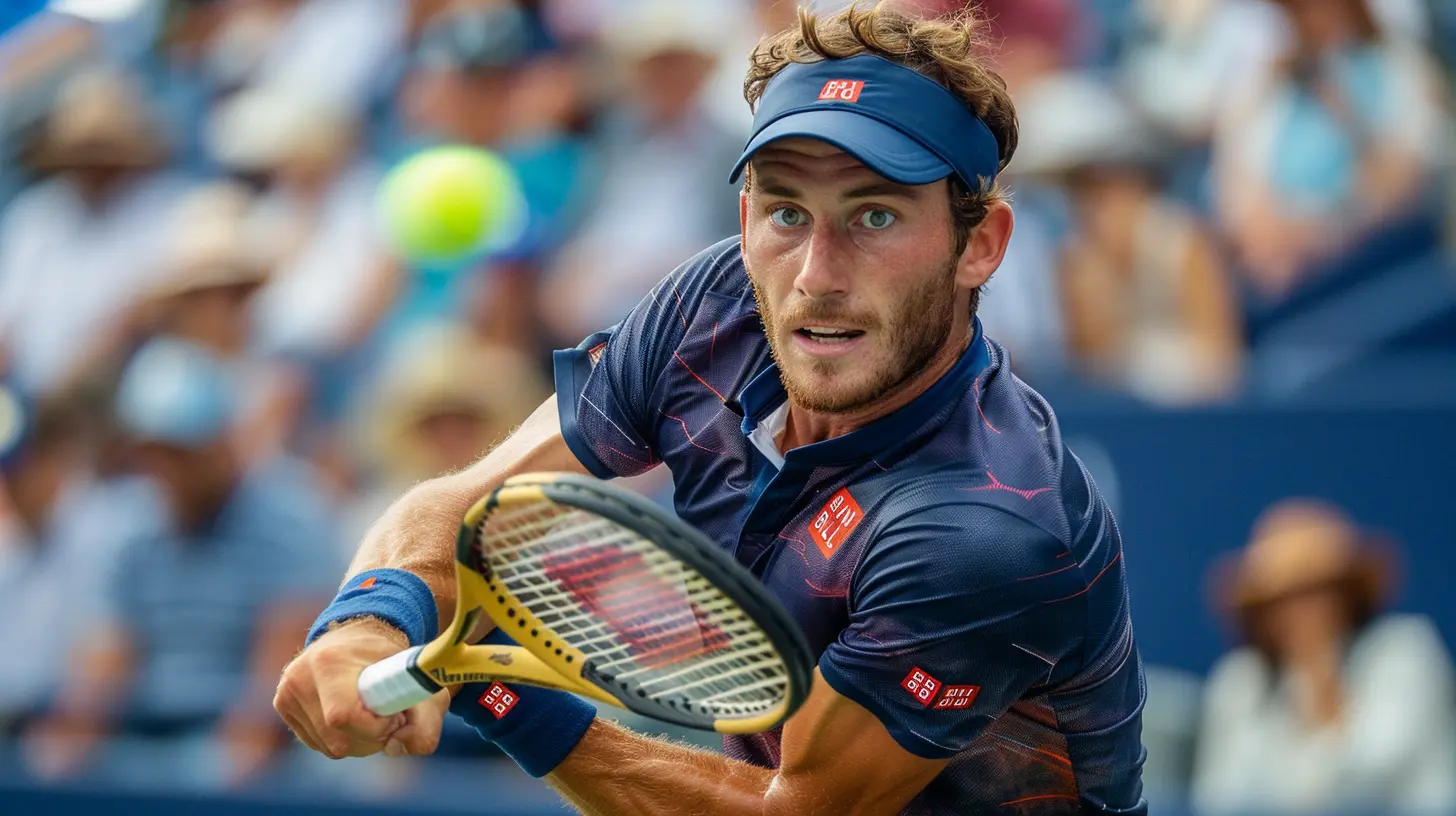
🎯 Who Should Use a One-Handed Backhand?
Before we dive into the mechanics, here’s a question worth asking: is the one-hander right for you?This shot often suits:
- Players who like to attack and move forward.
- Players who enjoy variety—slices, topspin, drop shots.
- Players with good timing and footwork. The one-hander demands excellent preparation and positioning.
Don’t let hand size or strength deter you—junior players and even a few pros under 6 feet tall have great one-handers. It’s not reserved for the tall, brawny types. It’s about finesse, not just force.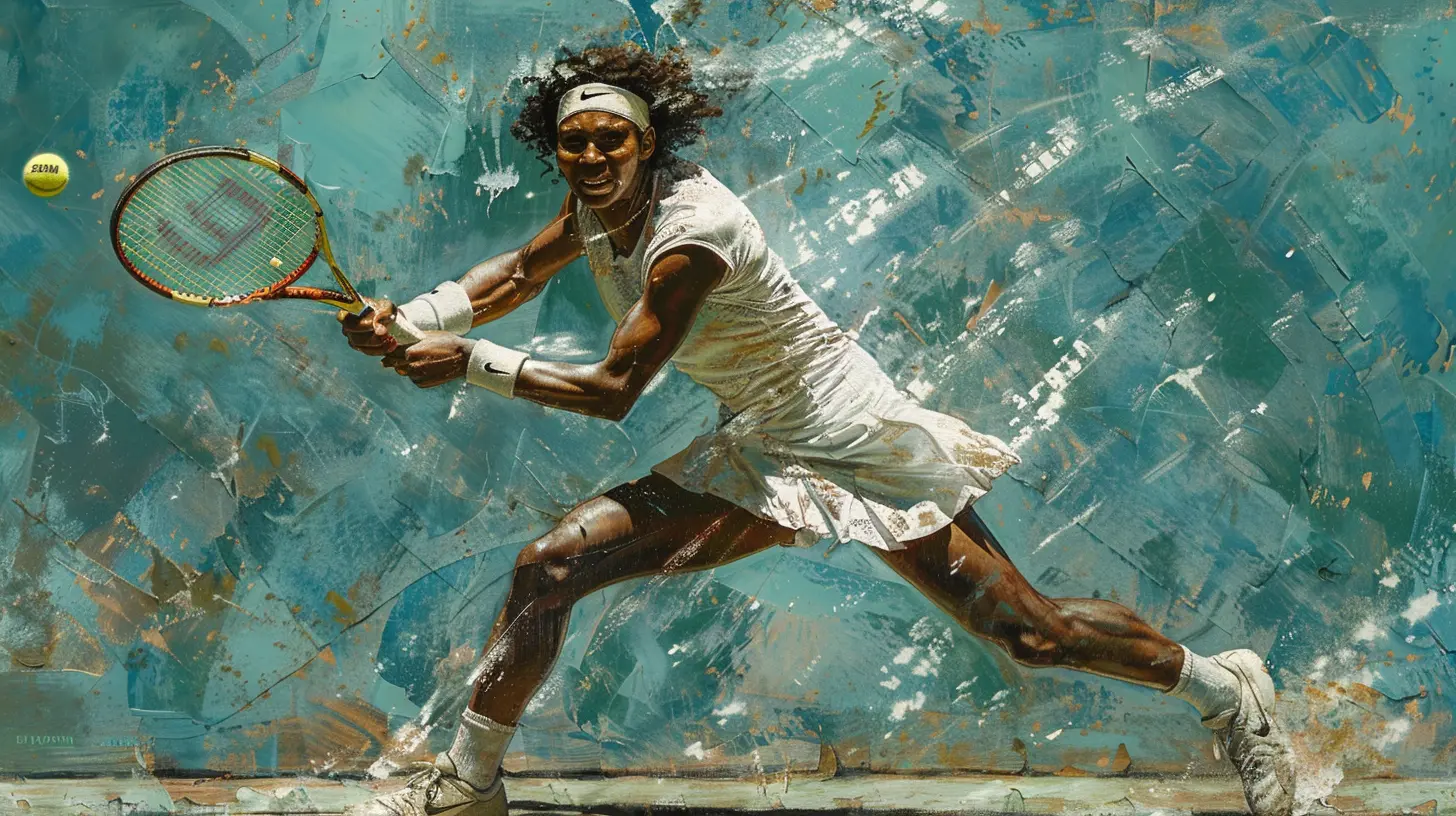
🧠 The Mental Game: Confidence is Key
Let’s be real for a second: the one-handed backhand can be intimidating. You might shank a few, swing late, or get jammed up by heavy topspin. Totally normal.But here’s the truth: confidence feeds execution. If you walk onto the court thinking, “This shot stinks,” then yeah, it probably will. Trust and commit to your swing. The one-hander needs belief—half measures won’t cut it.
So, how do you build that belief? Reps. Lots of them. And some good coaching never hurts either.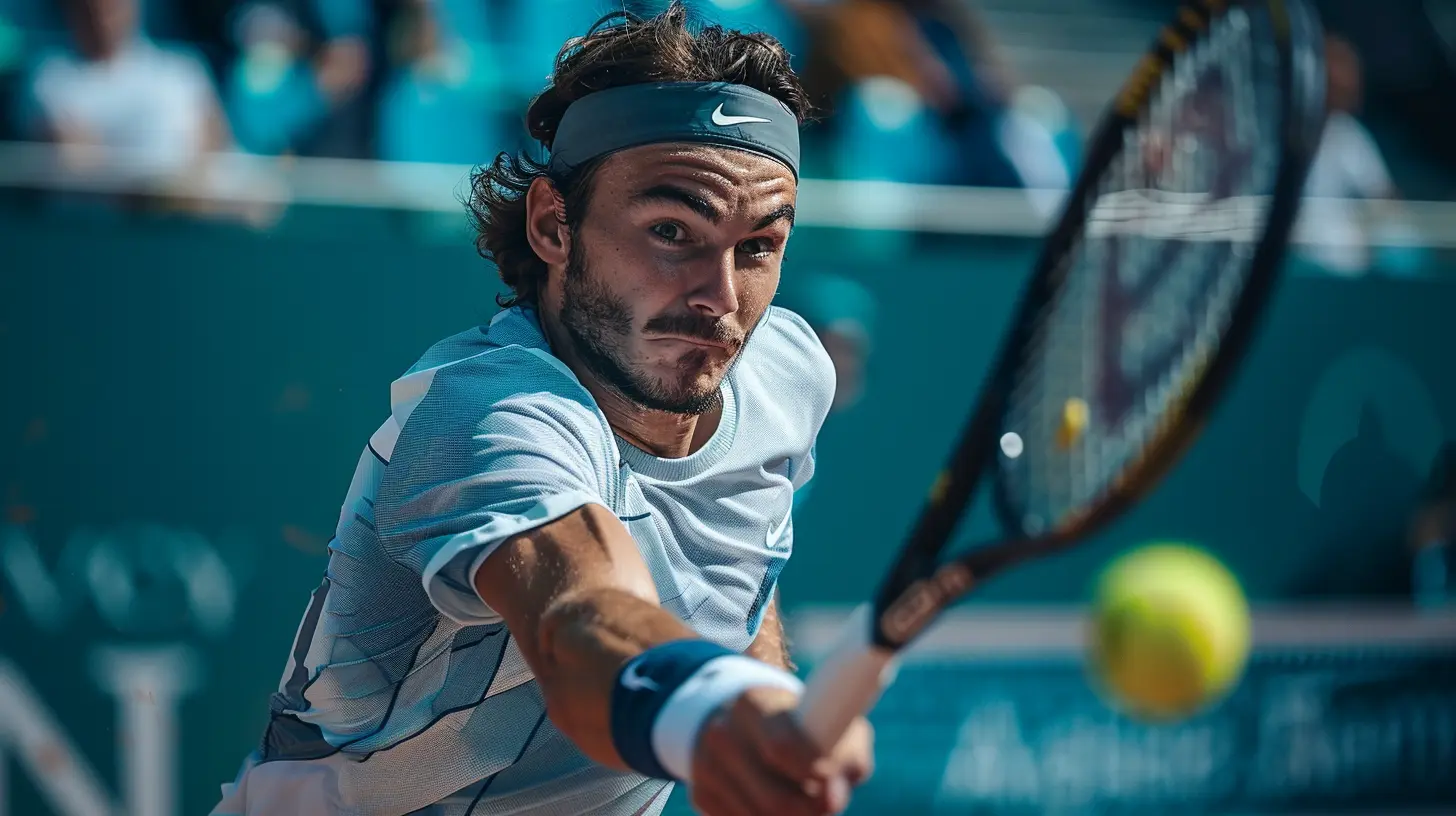
🚶♂️ Footwork: The Secret Sauce
If there’s one thing that separates “meh” one-handers from magic ones, it’s footwork. Your feet need to be in sync with your prep—slow feet = late swing = trouble.Here are a few keys:
- Split Step Early: This gets you ready to move as soon as your opponent hits.
- Side-Step Into Position: Don’t just run toward the ball—use quick, small steps to adjust.
- Open vs. Closed Stance: The one-hander is best set up with a closed or neutral stance. That means turning your shoulder and stepping in with your front foot.
Think ballerina meets ninja—light on the toes, but quick and deliberate.
🏸 The Mechanics: Step-by-Step Breakdown
Let’s dig into the swing itself. Here’s how you want to build this beauty, step by step:1. Grip It Right
Most players use the eastern backhand grip—it’s like shaking hands with the racket. This grip gives you a nice balance of topspin and control.2. Unit Turn
As soon as the ball comes to your backhand side, turn your shoulders early. Your racket should be back and ready before the ball crosses the net. Think of it as loading a spring—you’re building torque.3. Step and Swing
As you plant your front foot (typically left foot for right-handers), start your swing from low to high. Your torso and hips rotate as your arm guides the racket through the ball.4. Contact Point
Make contact out in front, around waist height. If you’re too close to the ball, you’ll get jammed, so give yourself space.5. The Follow-Through
Let your arm fully extend and follow through naturally. You’ll finish with your racket up by your opposite shoulder, almost like you’re saluting the crowd. (Hey, why not?)🔁 Common Mistakes (And How to Fix Them)
We’ve all been there. Nothing’s more frustrating than sending your backhand into the fence or the bottom of the net. Let’s troubleshoot the classic errors:❌ Late Swing
The fix: Start your unit turn early. Watch the ball closely and prep as soon as you see it’s heading to your backhand side.❌ Poor Footwork
The fix: Practice shadow swings with emphasis on movement. Do drills that force you to adjust to varying shot heights and widths.❌ Stiff Arm
The fix: Loosen up! The arm should flow, not lock. Relax your grip a bit and focus on rhythm.❌ Hitting Too Close to the Body
The fix: Back up or sidestep to give yourself room. Imagine keeping an arm’s-length distance from the ball.🧺 Drills to Build a Killer One-Hander
Want to get reps in that actually work? Here are a few drills you can do with a partner or even on your own:🎾 Wall Rally
Stand 10-15 feet from a wall and hit backhands only. Focus on clean contact and rhythm. The wall doesn’t lie—it’ll tell you if you're consistent or not, fast.🎾 Drop & Hit
Drop the ball with your non-dominant hand and practice clean swings. This is great for working on timing and technique.🎾 Crosscourt Rally
With a partner, rally crosscourt only with one-handed backhands. This helps with directional control and footwork.🎾 Slice & Topspin Mix
Alternate between slice backhands and topspin backhands. This builds feel and variety in your game.🧠 Strategy: When To Use The One-Hander
A solid one-handed backhand is more than just pretty—it’s tactical. Here’s when to whip it out:- Passing Shots: That extra reach and wrist flick can make for lethal passes.
- Serve Returns: Stay compact, keep it simple, and redirect pace.
- On-the-Run: Stretch out wide and flick it cross-court to stay in the point.
- Approach Shots: Drive it deep to set up the volley.
And don’t forget the slice—it’s your defensive best friend when you’re on the ropes.
🧠 Mental Triggers: Mantras for the One-Hander
Sometimes a little mantra can keep your mind—and your mechanics—on track. Try these next time out:- “Turn, load, release”
- “Out in front”
- “Low to high”
- “Relax and rip”
Simple reminders can help you stay focused when things get messy.
📸 Watching the Pros: Learn from the Best
If you’re a visual learner (and let’s face it, most of us are), watch slow-motion videos of the greats. Federer, Wawrinka, Tsitsipas—they each do it a bit differently, but they all follow the fundamentals.Pay close attention to:
- Their posture during the setup.
- The length of their follow-through.
- Their footwork pattern before and after the shot.
Emulate, don’t imitate. Find what works for your body and playing style.
⚖️ One-Handed vs. Two-Handed Backhand
Let’s squash the debate. There’s no “best” backhand—only the one that fits you. That said, here’s a quick comparison:| Feature | One-Handed | Two-Handed |
|--------|-------------|-------------|
| Reach | ✔️ Better | ❌ Limited |
| Power | ✔️ When timed | ✔️ Easier to generate |
| Timing Requirement | ❌ Tricky | ✔️ More forgiving |
| Slice Variety | ✔️ Superior | ❌ Less effective |
| Looks | ✔️ Stylish! | ✔️ Solid |
Choose based on your strengths, not trends.
💪 Strength & Conditioning Tips
The one-handed backhand puts more strain on your shoulder, wrist, and core. So if you're serious about adding it to your arsenal, hit the gym (or your living room mat) with these:- Forearm strengthening – wrist curls, reverse curls
- Core rotators – Russian twists, medicine ball throws
- Shoulder stability – resistance band workouts, scapular pushups
- Flexibility – yoga or dynamic warm-ups before you play
A strong, flexible body = fewer injuries and more beautiful backhands.
🧨 One-Handed Backhand + Confidence = Winning Combo
Here’s the biggest takeaway: the one-handed backhand is as much about mindset as mechanics. Yes, it takes more time to master. Yes, it can be frustrating. But when you get it? Oh, man—it’s pure magic.So lace up those shoes, grab your racket, and hit the court. With practice, patience, and a little style, you’ll be firing one-handers that would make Federer proud.
Your backhand isn’t just a shot. It’s your signature.
all images in this post were generated using AI tools
Category:
TennisAuthor:
Umberto Flores
Discussion
rate this article
2 comments
Carmel Bell
One-handed backhands require precision and consistent practice.
January 16, 2026 at 5:36 AM
Umberto Flores
Absolutely! Precision and consistent practice are key to mastering the one-handed backhand. Keep at it!
Winter Forbes
Because who needs two hands when you can just wing it?
December 14, 2025 at 4:40 AM
Umberto Flores
Sometimes, a little creativity goes a long way!