Performance Enhancing Fabrics: The Science Behind Modern Sportswear
15 December 2025
Sportswear has come a long way from the old cotton T-shirts and baggy shorts. Today, athletes—whether professional or casual—are competing in high-tech gear designed to improve performance, enhance comfort, and even reduce the risk of injury. But what makes modern sportswear so special? The secret lies in performance-enhancing fabrics.
These materials aren’t just about making athletes look good; they are engineered using cutting-edge science to optimize movement, regulate body temperature, and wick away sweat like magic. So, let’s dive into the fascinating world of performance-enhancing fabrics and how they’re revolutionizing sportswear. 
🏃 The Evolution of Sportswear Fabric
Think back to the early days of sports—athletes wore whatever was available, often heavy cotton, wool, or even leather. These materials absorbed sweat, became heavy, and restricted movement.Fast forward to today, and sportswear is now all about speed, agility, and endurance. The shift began in the mid-20th century when synthetic materials like nylon and polyester entered the scene. These fabrics were lighter, more durable, and dried faster than traditional textiles.
Now, with advancements in textile technology, sports clothing is designed to work _with_ the body, not against it. From moisture-wicking shirts to compression pants, modern activewear is packed with innovation. 
💦 Moisture-Wicking Fabrics: Staying Dry Under Pressure
Ever wondered why your favorite workout shirt never seems to stay drenched in sweat? That’s because of moisture-wicking technology.🔬 The Science Behind It
Moisture-wicking fabrics work by pulling sweat away from the skin to the surface of the fabric, where it can evaporate quickly. This helps keep the body cool, dry, and comfortable during intense physical activity.Materials like polyester, polypropylene, and merino wool are commonly used in moisture-wicking sportswear. These fabrics have hydrophobic properties, meaning they repel water rather than absorbing it.
🏆 Why It Matters
- Keeps the body dry, reducing discomfort.- Prevents chafing and skin irritation.
- Helps regulate body temperature, preventing overheating.
If you’re serious about performance, look for activewear that specifically mentions "moisture-wicking" or "quick-dry" technology. 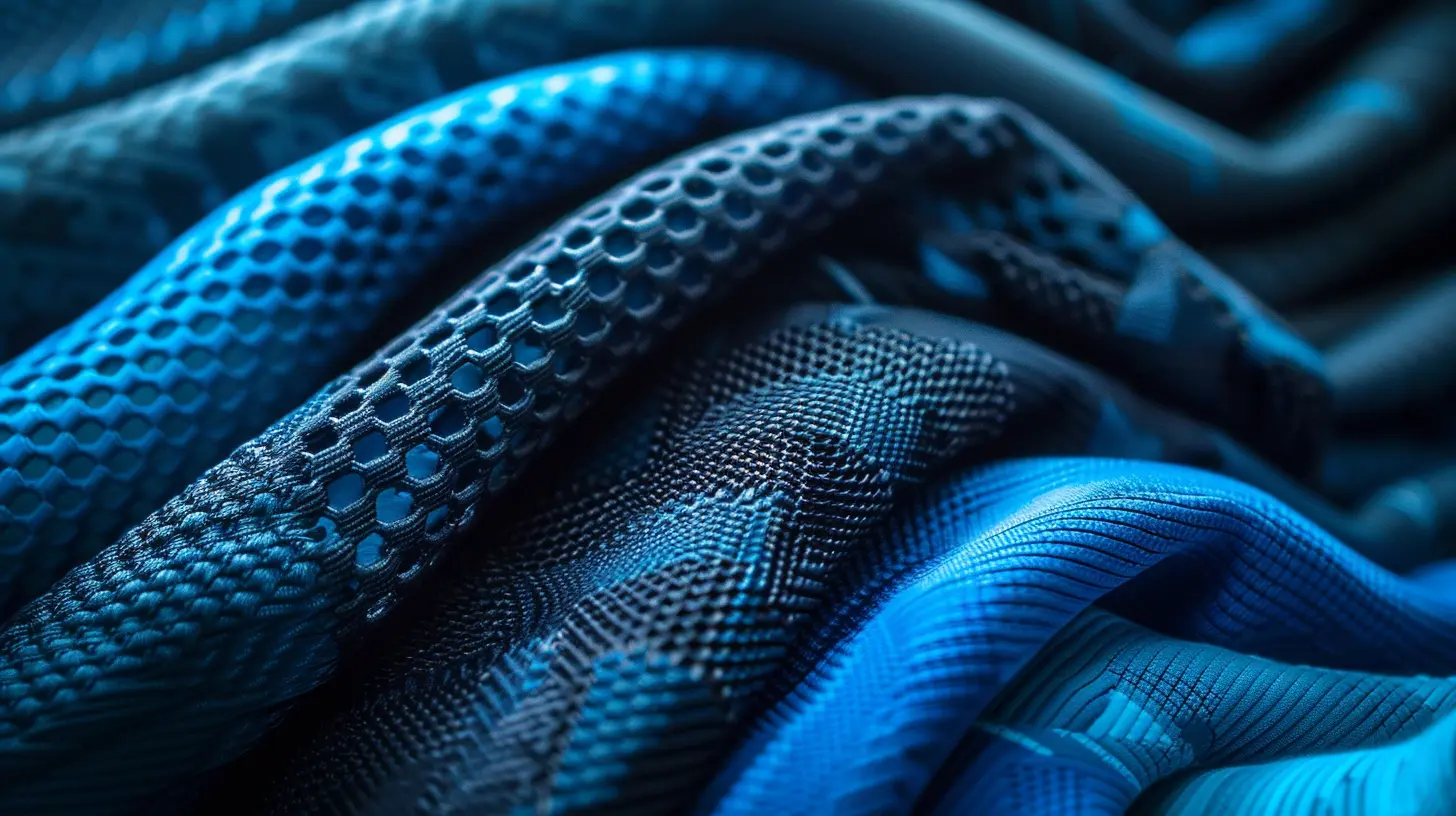
❄️ Temperature-Regulating Fabrics: Beating the Heat (And the Cold)
Athletes don’t just have to deal with sweat—they also need to stay warm in the cold and cool in the heat. That’s where temperature-regulating fabrics come into play.🌡️ How It Works
Advanced sportswear fabrics use phase change materials (PCMs), which absorb, store, and release heat as needed. When your body temperature rises, these fabrics pull heat away. When it drops, they release stored heat back to you.Some high-tech sportswear even incorporates ceramic-coated fibers to reflect heat away from the body or infrared fabrics that boost circulation and muscle recovery.
🥶🔥 Performance Benefits
- Keeps muscles at an optimal temperature.- Reduces the risk of overheating or hypothermia.
- Enhances endurance by maintaining comfort.
Brands now use materials like Outlast®, Coolmax®, and Thermoregulating Wool to balance body temperature in extreme conditions. 
🏋️ Compression Fabrics: The Power of a Perfect Fit
Have you ever seen athletes wearing tight sleeves, leggings, or socks during sports? That’s not just for style—those are compression garments, and they play a huge role in athletic performance.⚙️ How Compression Works
Compression fabrics apply gradual pressure to specific muscle groups, promoting blood circulation and reducing muscle oscillation (shaky movement). This results in better oxygen flow and faster recovery.These garments are usually made from a blend of spandex, nylon, and elastane, which provide a snug yet comfortable fit.
🥇 The Benefits for Athletes
- Reduces muscle fatigue and soreness.- Improves circulation, reducing the buildup of lactic acid.
- Enhances muscle support and stability.
This explains why runners, weightlifters, and even basketball players swear by compression gear!
🛡️ Anti-Odor Sportswear: Staying Fresh No Matter What
Let’s be honest—sports and sweat go hand in hand, and so does the odor that follows. But with new anti-odor fabrics, you don’t have to worry about smelling like a locker room after every workout.🦠 How Does Anti-Odor Technology Work?
Sweat itself doesn’t stink—it’s the bacteria on your skin breaking down the proteins in sweat that cause foul odors. Anti-odor sportswear tackles this with two main technologies:1. Silver Ion Technology – Silver particles prevent bacteria from multiplying, keeping your clothes fresher for longer.
2. Activated Carbon Fabric – Absorbs odor molecules, reducing bad smells.
🌟 The Benefits
- Keeps workout clothes smelling fresh.- Reduces the need for frequent washing (great for durability).
- Helps athletes feel more confident.
Popular brands now integrate anti-microbial fabrics into gym wear, making smelly post-workout shirts a thing of the past!
🌱 Eco-Friendly and Sustainable Sportswear: The Future of Performance Fabric
With sustainability in focus, many brands are now developing eco-friendly performance fabrics that reduce waste, conserve resources, and minimize pollution.♻️ Innovations in Green Sportswear
- Recycled Polyester – Made from repurposed plastic bottles, preventing waste.- Organic Cotton – Grown without harmful pesticides.
- Bamboo Fabric – Naturally antibacterial, breathable, and biodegradable.
Brands like Adidas, Patagonia, and Nike have started embracing these sustainable materials to help athletes perform while protecting the planet.
🚀 Smart Fabrics: The Future of Athletic Wear
Sportswear is entering the digital age with smart fabrics—materials embedded with sensors, nanotechnology, and even AI-driven features.🤖 High-Tech Features
- Self-Cooling Fabrics: React to body heat and sweat.- Bio-Sensing Textiles: Monitor heart rate, hydration, and muscle activity.
- Shape-Shifting Garments: Adjust fit and compression based on movement.
Imagine wearing a shirt that measures your heart rate, tracks muscle fatigue, and even adapts to the weather! The future of performance-enhancing fabrics is truly cutting-edge.
🏁 Final Thoughts
From moisture-wicking tech to smart fabrics that interact with the body, performance-enhancing fabrics have revolutionized sportswear. These modern materials do more than just look good—they help regulate body temperature, reduce muscle fatigue, and even fight off odors.So the next time you slip on your running gear or hit the gym, remember—you’re not just wearing clothes; you’re wearing science in motion!
all images in this post were generated using AI tools
Category:
Sports InnovationsAuthor:

Umberto Flores
Discussion
rate this article
2 comments
Seraphis Murphy
In threads of triumph, science weaves; performance soars as athletes dance with dreams.
January 26, 2026 at 1:53 PM
Umberto Flores
Thank you! It's fascinating how innovative fabrics can truly elevate athletic performance and turn dreams into reality.
Talis Chavez
Exploring the intersection of technology and athleticism, performance-enhancing fabrics not only boost physical capabilities but also raise ethical questions about fairness and the true spirit of competition in sports.
December 18, 2025 at 3:17 AM
Umberto Flores
Thank you for highlighting this important issue! While performance-enhancing fabrics can improve athletic performance, they indeed challenge our notions of fairness and competition in sports. Balancing innovation with ethics is crucial as we advance in this field.