Post-Workout Routines That Help Prevent Injuries
20 December 2025
Let’s be real: crushing a workout feels amazing—like you could punch through a wall or run a marathon backwards. But if you're not taking care of your body post-workout, you're setting yourself up for pain, plateaus, or worse… sitting on the sidelines with an injury.*
Whether you’re a gym rat, weekend warrior, or just getting started, your post-workout routine is just as important as the workout itself. This isn’t some optional spa day—it’s the gritty, science-backed key to staying healthy, getting stronger, and avoiding the kind of injuries that ruin progress.
So let’s dive in, no fluff, no BS—just hard-hitting post-workout strategies that really work.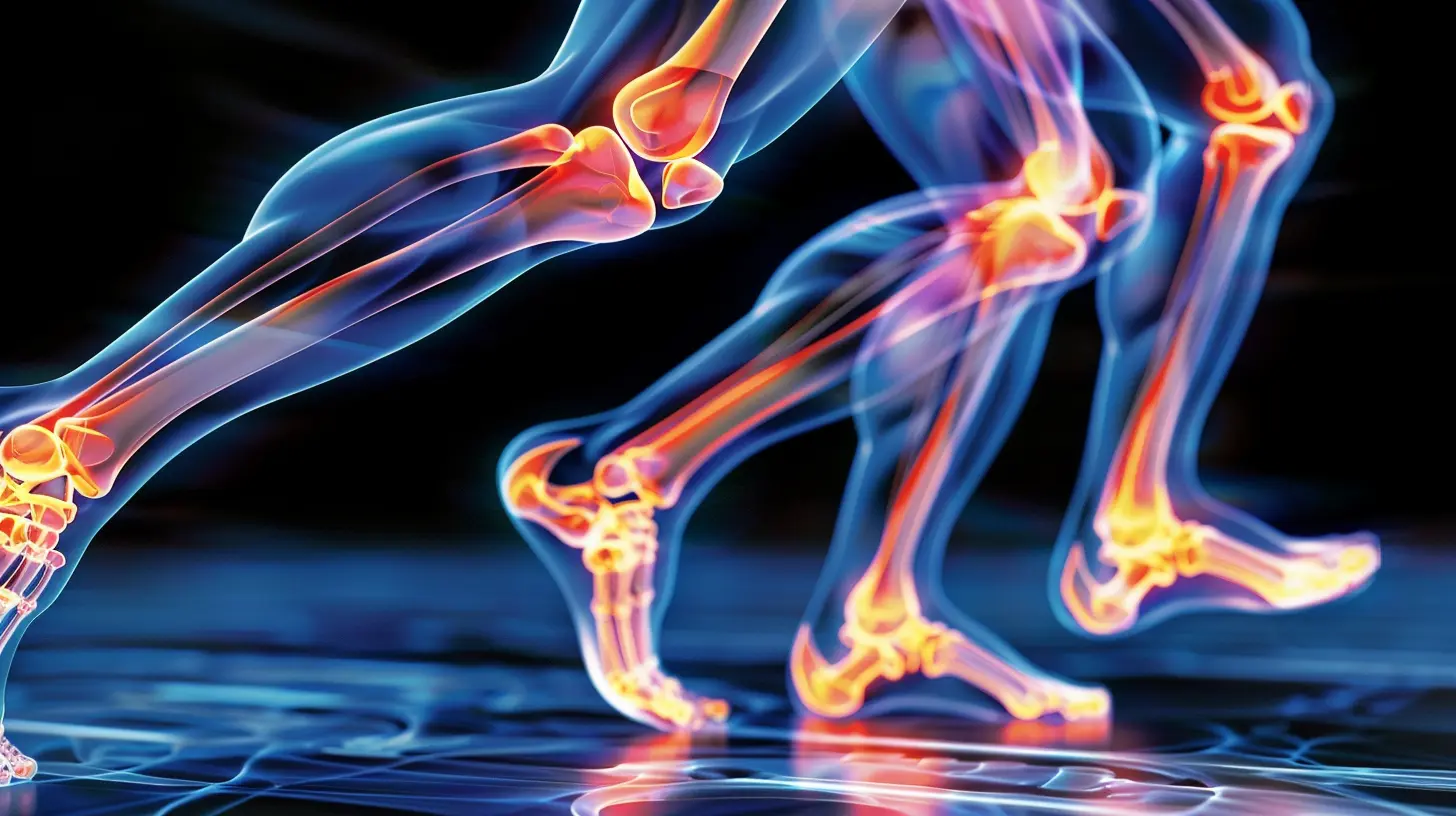
Why Post-Workout Routines Matter More Than You Think
You’re dripping sweat, muscles burning, endorphins flowing—you nailed your session. So now what? Head home and binge Netflix?Hold up. That’s where most people screw it up. Your body is in a vulnerable state post-exercise: muscles are inflamed, joints are stressed, and your nervous system is coming down from high alert. If you just drop everything and crash, you’re basically leaving your body hanging.
A proper post-workout routine helps:
- Prevent injuries (duh)
- Speed up recovery
- Reduce soreness
- Improve flexibility and mobility
- Prepare your body for your next workout
So yeah, it’s kind of a big deal.
1. Cool Down—Don’t Just Drop the Mic
Cooling down isn’t just stretching lazily while chugging your protein shake. It’s gradually easing your body out of beast mode.Start With Light Movement
Instead of collapsing on the floor (tempting, I know), spend 5–10 minutes doing low-intensity cardio like:- Walking
- Easy cycling
- Slow-paced jump rope
- Rowing at minimum resistance
This allows your heart rate to slow down gently while flushing out lactic acid buildup, which is the evil culprit behind next-day soreness.
Why It Matters
When you skip the cool down, it’s like slamming the brakes in a sports car going 100 mph. Your body needs time to shift gears without wrecking itself.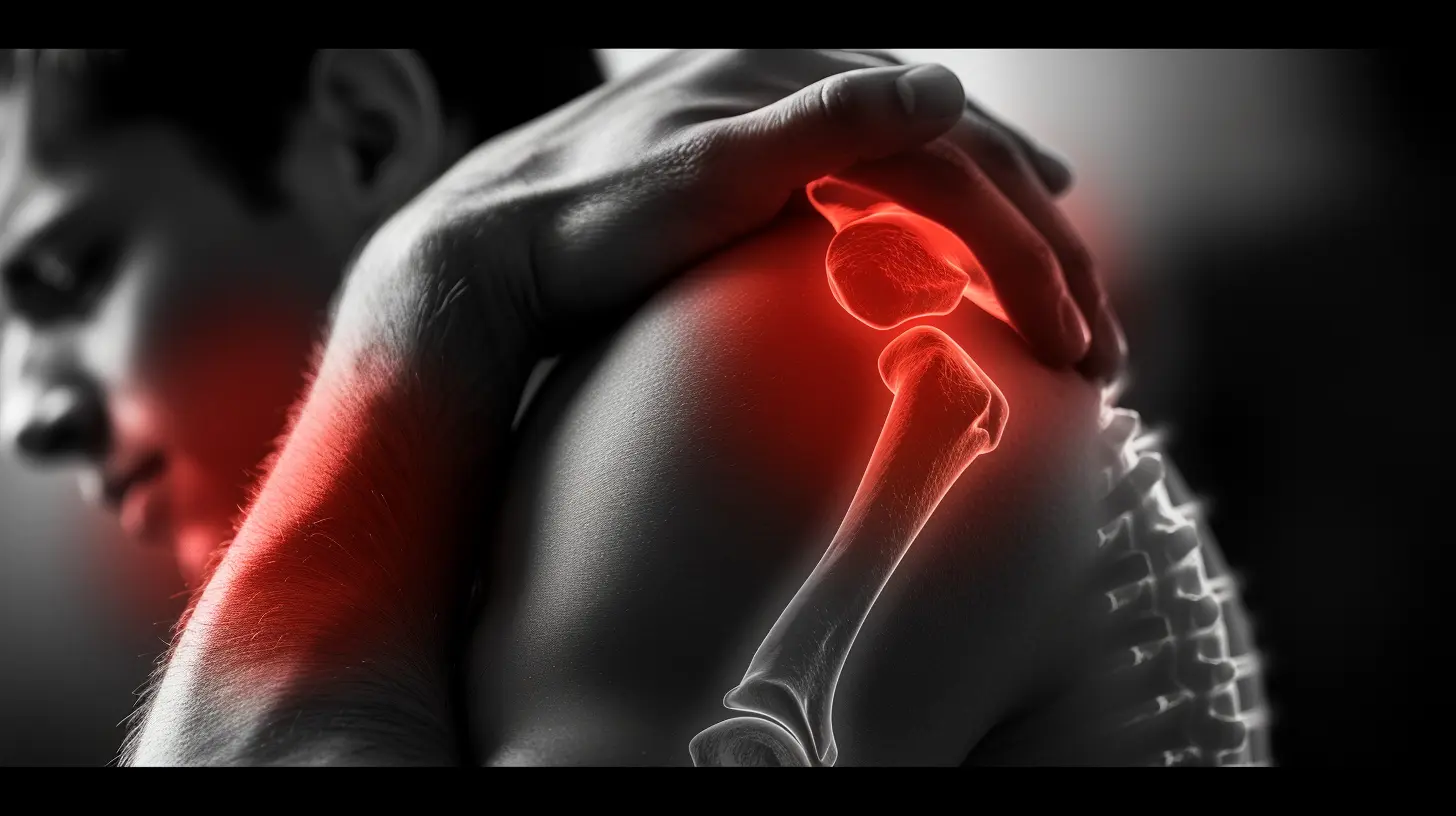
2. Stretch Like You Mean It
Forget the half-hearted toe touches. After a workout, your muscles are warm and pliable—prime time for stretching.Focus on Static Stretching
Post-workout is not the time for ballistic or bouncing movements. Static stretches (holding a position for 30–60 seconds) are your BFF here.Hit These Key Areas:
- Hamstrings- Quads
- Calves
- Glutes
- Shoulders
- Hip flexors
- Lower back
What It Does
Stretching increases blood flow, enhances flexibility, and helps realign muscle fibers. Without it, you’re asking for tight muscles, reduced range of motion, and the kind of injury that sneaks up on you mid-lunge.Want to squat deeper? Stretch.
Want to deadlift more? Stretch.
Want to avoid tearing something? You know the drill.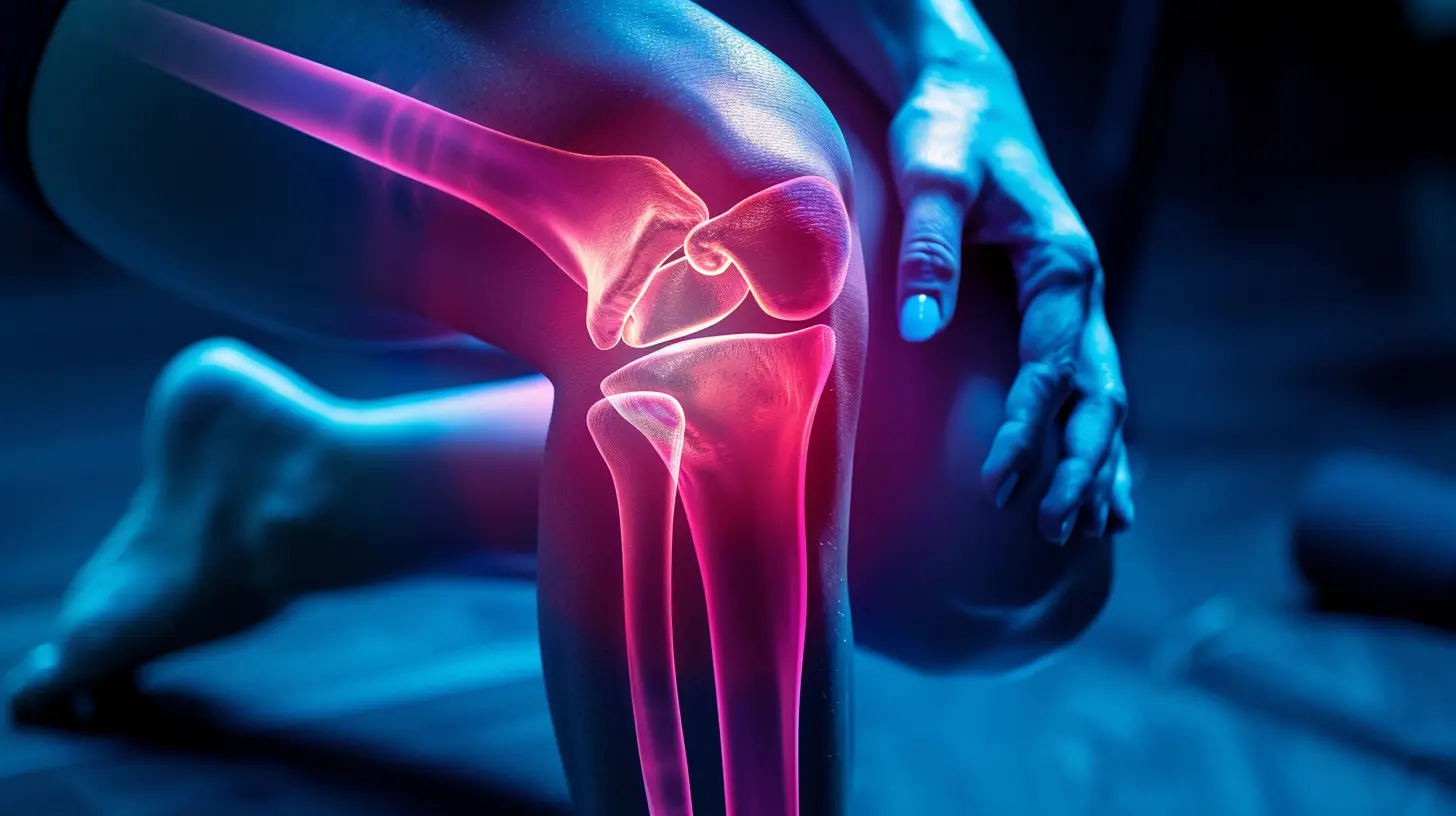
3. Foam Rolling (aka Self-Inflicted Torture That Works)
Ah yes, the foam roller. Looks harmless. Feels like a medieval punishment device. But it’s a game-changer for recovery and injury prevention.How to Roll Right
Spend 1–2 minutes per muscle group. Roll slowly through:- Quads
- IT bands
- Calves
- Glutes
- Upper back
- Lats
When you hit a painful spot (you’ll know it), pause and breathe through it. That’s where the magic's happening.
Why It Works
Foam rolling breaks up fascia (the sticky stuff around muscles), increases mobility, and helps clear out metabolic waste. It’s like giving your muscles a deep-tissue massage—only cheaper and you do the dirty work.Pro tip: It hurts less if you do it consistently. Consider it a love-hate relationship.
4. Hydration and Nutrition—Fuel the Repair Process
You wouldn’t build a house with no tools, right? Same goes for building muscle. After you finish training, your body’s screaming for nutrients to kick off recovery.Hydrate First
You’re not just sweating water—you’re losing electrolytes. Replenish with:- Water (obviously)
- Coconut water
- Electrolyte tablets or sports drinks (low sugar preferred)
Bonus points for hydrating during your workout too.
Eat Like You Mean It
Aim to eat within 30–60 minutes post-training. Focus on:- Protein (to repair and build muscle)
- Carbs (to refill glycogen stores)
- Healthy fats (for overall recovery)
Sample Post-Workout Meal:
- Grilled chicken breast- Quinoa or brown rice
- Avocado slices
- Steamed broccoli
- Water with lemon or electrolytes
You don’t need a gourmet chef—just real food, real fuel.
5. Mind Your Mind—Mental Recovery Matters Too
Injuries don’t only come from physical burnout—mental fatigue messes with your form, motivation, and decision-making, all of which can lead to careless mistakes and unnecessary injuries.Try These Mental Wind-Downs:
- Deep breathing exercises- Meditation (5–10 minutes works wonders)
- Journaling how your workout went
- Visualization for your next session
Think of this as defragging your brain so you don’t carry stress or tension into tomorrow’s grind.
And hey, you earned this chill time.
6. Sleep Like a Beast
This might be the most underrated recovery tool of all. While you're passed out, your body is doing all the behind-the-scenes work:- Repairing tissues
- Releasing growth hormones
- Resetting your nervous system
Sleep Tips for Recovery:
- Aim for at least 7-9 hours- Avoid screens 30 minutes before bed
- Try magnesium supplements or teas like chamomile
- Keep your room cool and dark
If you're skimping on sleep, you're sabotaging your own progress. Period.
7. Active Recovery—Yes, Rest Days Should Involve Movement
Rest doesn’t mean becoming one with your couch. Too much sedentary downtime can make muscles stiff and sluggish. Cue more injuries.What’s Active Recovery?
Low-impact, low-intensity movement that keeps blood flowing without stressing your body.Try:
- Walking
- Swimming
- Yoga
- Light cycling or elliptical
- Bodyweight mobility routines
Your muscles stay loose, your joints stay happy, and you're still moving the needle forward.
8. Mobility Drills—Make Joints Bulletproof
Mobility is the secret sauce of injury-free performance. It’s what lets you move through exercises properly—without strain or sketchy compensation patterns.Work on These Areas:
- Ankles (for squats and jumps)- Hips (hip thrusts, lunges)
- Shoulders (presses and swings)
- Spine (rotation and extension)
Doing 5–10 minutes of mobility drills daily can save your body from a world of hurt.
Hint: Combine it with your stretching or foam rolling routine for max efficiency.
9. Compression and Recovery Tools—Boost Blood Flow, Speed Healing
You’ve probably seen athletes wearing tight compression sleeves or using those sci-fi looking recovery boots. These aren’t gimmicks—they work, if used right.Worth Trying:
- Compression socks or sleeves (especially for legs)- Massage guns (go easy, not jackhammer-style)
- Infrared saunas (for circulation and inflammation)
- Ice baths or contrast baths (cold + hot)
They’re not magic pills, but they’re solid tools in your recovery arsenal.
10. Listen to Your Body—Not Just Your Workout Plan
This might be the most important tip of all: if something feels off, don’t push through it.Soreness is one thing. Stabbing, sharp pain is your body waving red flags like it’s signaling a shipwreck.
Signs to Slow Down:
- Pain in joints, not muscles- Persistent fatigue lasting multiple days
- Swelling or reduced range of motion
- Sleep disturbances related to muscle pain
There’s no shame in tweaking your routine or taking extra recovery time. A few smart rest days now beat months of rehab later. Guaranteed.
Final Thoughts: Respect the Recovery
So here’s the takeaway: Hard training without smart recovery is like driving a Lambo with bald tires—you’re headed straight for a blowout.Every single post-workout habit we talked about is a brick in the foundation of a long, strong, injury-free fitness life. You don’t need to spend hours doing yoga on a mountaintop. You just need to consistently show your body some love after every worthy sweat session.
Go hard, recover harder.
You’re not weak for resting—you’re strong because you’re smart.
all images in this post were generated using AI tools
Category:
Injury PreventionAuthor:

Umberto Flores
Discussion
rate this article
2 comments
Noora McClain
Great tips for injury prevention and recovery!
January 27, 2026 at 4:42 AM
Umberto Flores
Thank you! I'm glad you found the tips helpful!
Otis McClellan
Great article! I appreciate the insights on post-workout routines to prevent injuries. It's crucial for athletes of all levels to prioritize recovery and incorporate these practices into their regimes. This information will surely help many stay healthy and perform at their best. Thank you for sharing!
December 20, 2025 at 4:02 AM
Umberto Flores
Thank you for your kind words! I'm glad you found the insights helpful—prioritizing recovery is essential for all athletes.