Preseason Power Rankings Explained for the 2026 Campaign
20 April 2026
Ah, preseason power rankings. The buzz, the hype, the debates that can turn friends into frenemies faster than a last-minute game-winning touchdown. As we gear up for the exhilarating 2026 sports campaign, it’s time to dive into the nitty-gritty of preseason power rankings. Buckle up, folks, because we’re about to break down everything you need to know about how these rankings work, why they matter, and what they mean for your favorite teams.

What Are Preseason Power Rankings?
Let’s kick things off with the basics. Preseason power rankings are basically a crystal ball for the upcoming season. They’re a ranking of teams based on various factors like last season’s performance, player acquisitions, injuries, and even a sprinkle of good old-fashioned speculation. Think of it as a way to gauge who’s hot and who’s not before the games even start.Why Do They Matter?
You might be wondering, “Why should I care about some rankings before the season kicks off?” Great question! These rankings set the stage for the entire season. They can influence betting odds, media coverage, and even fan expectations. If your team is sitting pretty in the top five, you can bet that fans will be strutting around like peacocks. Conversely, a low ranking can have fans feeling like they’ve just bitten into a sour lemon.
The Criteria Behind the Rankings
So, how do experts come up with these rankings? Spoiler alert: it’s not just a game of darts. There’s a method to the madness, and it usually involves a combination of the following factors:1. Last Season’s Performance
This one’s a no-brainer. Teams that performed well last season tend to carry that momentum into the next year. It’s like riding a wave—if you’re on top, you want to keep surfing that tide. But beware! Just because a team was dominant last year doesn’t mean they’ll automatically crush it this year. Injuries, trades, and other factors can throw a wrench in the works.2. Offseason Changes
The offseason is like a high-stakes poker game. Teams are shuffling their rosters, signing free agents, and making trades. A star player coming in can elevate a team’s ranking faster than you can say “Super Bowl.” On the flip side, losing a key player can send a team spiraling down the list. It’s all about how these changes mesh together.3. Coaching Changes
New coaches can bring fresh strategies and energy. A coaching change can be like getting a new pair of shoes—sometimes they fit perfectly and give you that extra bounce, and other times, they pinch and leave you limping. A great coach can elevate a mediocre team to new heights, while a poor fit can lead to a disaster.4. Player Health
Injuries can be the ultimate game-changer. A team with a healthy roster is like a well-oiled machine, but toss in some injuries, and you’re looking at a rusty old jalopy. Experts often scrutinize injury reports and player recovery times to gauge how a team might perform.5. Strength of Schedule
Let’s face it: some teams have it easier than others. A team that faces a cupcake schedule is likely to rack up wins, while one that battles a gauntlet of tough opponents might struggle. The strength of a team’s schedule can significantly impact its ranking.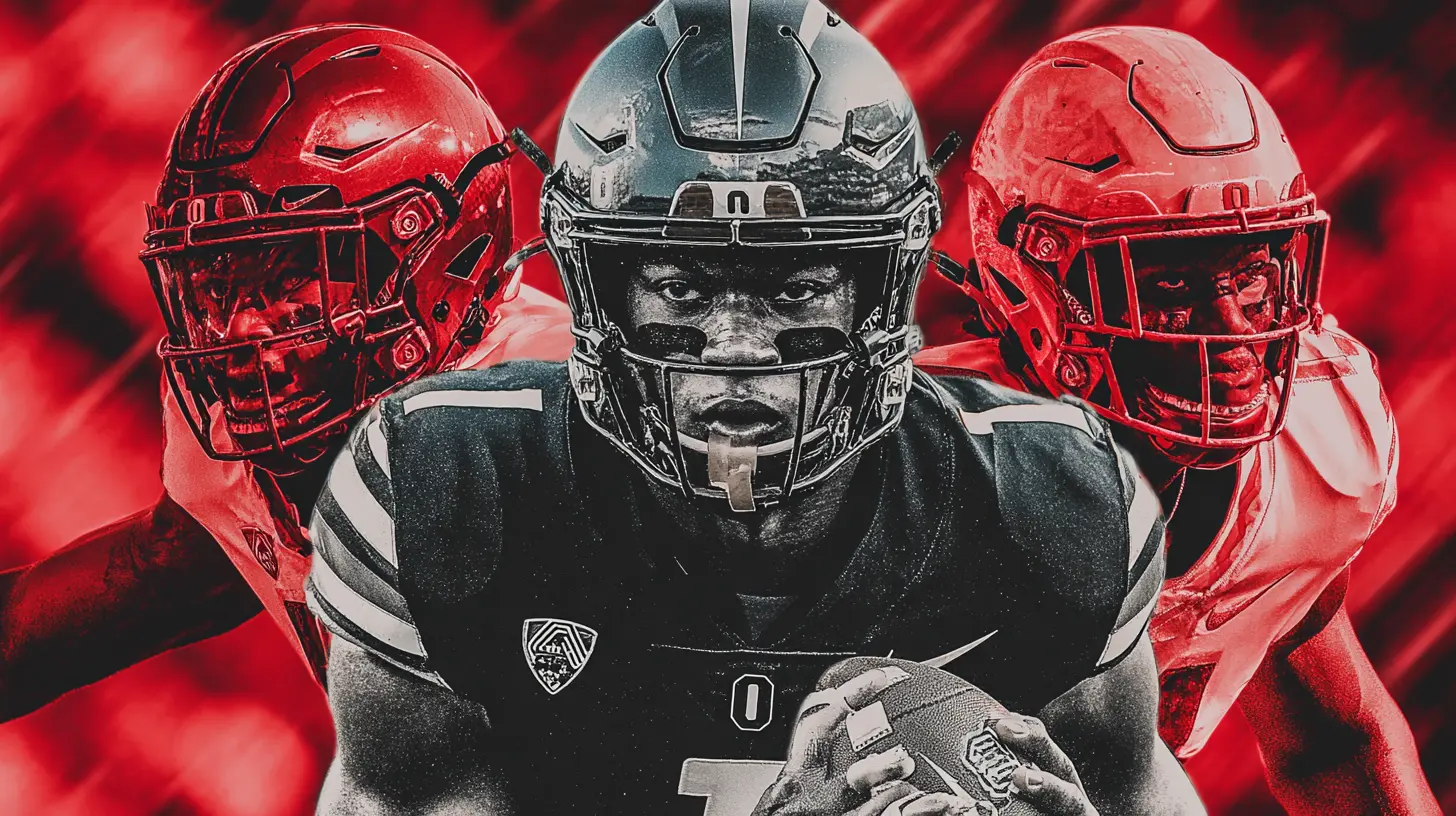
The Debate: Subjectivity vs. Objectivity
Here’s where things get spicy. Preseason power rankings are notoriously subjective. Every analyst has their own formula, biases, and gut feelings. What one expert sees as a powerhouse, another might view as a paper tiger. This subjectivity leads to endless debates among fans and pundits alike. You might find yourself shouting at your TV, “How could they possibly rank them above my team?!”The Role of Fan Engagement
Let’s not forget the fans. Preseason power rankings can stir up excitement and discussion within fanbases. Whether you’re a die-hard supporter or a casual observer, these rankings can ignite conversations on social media, in sports bars, and around the water cooler at work. They can even create rivalries before the season has even started. Talk about drama!
The Impact of Power Rankings on Teams
So, how do these rankings affect the teams themselves? You might think that players are too focused on the game to care about what some analyst thinks. But you’d be surprised. Here’s how power rankings can influence teams:1. Motivation
A high ranking can be a double-edged sword. On one hand, it can boost a team’s confidence and motivate them to prove the rankings right. On the other hand, it can create pressure to live up to those expectations. Just ask any athlete—they’ll tell you that pressure is a real thing.2. Media Attention
Teams that land in the top spots are like magnets for media attention. More coverage means more scrutiny, and that can be a lot to handle. Players might find themselves in the spotlight more than they’d like, and that can either be a great motivator or a source of stress.3. Fan Expectations
Fans have a tendency to get carried away with preseason rankings. If your team is sitting in the top five, you can bet that fans are expecting a championship run. But what happens when reality doesn’t match those lofty expectations? Disappointment, frustration, and sometimes even anger can bubble to the surface.The Evolution of Power Rankings Over the Years
Power rankings have come a long way since their inception. Back in the day, they were mostly a tool for sports journalists to generate conversation. Fast forward to today, and they’ve become a staple in sports media, with countless websites and analysts offering their takes. Some teams even embrace the rankings as part of their marketing strategy!The Rise of Data Analytics
In recent years, data analytics has transformed the way power rankings are calculated. Gone are the days when it was just about gut feelings and opinions. Now, advanced metrics play a significant role in shaping these rankings. Stats like player efficiency ratings, win shares, and even social media engagement can influence how teams are perceived.
The 2026 Campaign: What to Expect
Alright, let’s get down to the nitty-gritty of the upcoming 2026 campaign. We’ve dissected the factors that influence power rankings, but what does this year have in store? Here are some hot takes and predictions to chew on:1. Rookie Impact
The 2026 draft class is loaded with talent. Keep an eye on those rookies, as they can shake up the rankings faster than a last-minute trade. A standout rookie can elevate a team’s ranking significantly, while a bust can lead to some serious headaches.2. Veteran Leadership
Don’t underestimate the power of experience. Teams with seasoned veterans are often more resilient, especially when the going gets tough. Look for these teams to maintain their rankings even in the face of adversity.3. Injury Watch
Injuries are an ever-present threat in sports. As we head into the 2026 campaign, keeping tabs on player health is crucial. Teams that can stay healthy will likely see their rankings soar.4. Upset Alerts
Every season has its surprises, and the 2026 campaign will be no different. Keep your eyes peeled for potential upsets that could shake up the rankings. A lower-ranked team pulling off a shocking victory can flip the script faster than you can say “March Madness.”Conclusion: The Thrill of the Rankings
As we gear up for the 2026 sports campaign, one thing is for sure: preseason power rankings are here to stay. They’re a blend of art and science, a way for fans to engage, and a source of endless debate. Whether you’re on board with the rankings or ready to throw your remote at the TV, they add a layer of excitement to the season.So, as we await the kickoff, let’s embrace the chaos, the debates, and the thrill of the rankings. Who knows? Your favorite team might just surprise everyone and defy the odds. After all, that’s what makes sports so exhilarating!
all images in this post were generated using AI tools
Category:
Preseason AnalysisAuthor:

Umberto Flores
Discussion
rate this article
2 comments
Selah Reilly
The 2026 season is just around the corner, and these preseason rankings set the stage for thrilling showdowns. Get ready for intense competition and unforgettable moments ahead!
June 13, 2026 at 4:07 AM
Umberto Flores
Absolutely! The anticipation is building, and these rankings definitely make it exciting to think about the upcoming matchups. Can't wait to see how it all unfolds!
Chloe Davis
Power rankings? More like power fantasies—bring on the games!
April 20, 2026 at 10:16 AM
Umberto Flores
Thanks for your enthusiasm! The rankings are just a starting point—let's see how the season unfolds!