Refereeing in the Age of Instant Replay: Challenges and Opportunities
16 June 2026
Let’s be honest—officiating a sports match was never easy. From the ferocity of soccer matches to the laser-focused precision required in tennis, referees have always carried the weight of a thousand expectations. But now, here we are, smack in the middle of the digital age, and things just got a whole lot more complicated (and interesting).
Welcome to the era of instant replay. Where every decision is under the microscope, every whistle is scrutinized in slow motion, and fans are ready to armchair-referee from their couches. Sounds intense, doesn't it?
Oh, it is.
But it’s also fascinating. Because along with the headaches, instant replay brings a boatload of opportunities to make sports fairer, more transparent, and more engaging. So grab your metaphorical whistle—we're diving into the world of refereeing in the age of instant replay.
The Evolution of Officiating: From Gut Instincts to Frame-By-Frame Precision
Let me walk you through a little history.Back in the day, referees had only their eyes, ears, and experience to rely on. No fancy camera angles, no slow-motion replays, and certainly no hawk-eye systems. It was instinct, training, and a prayer that they got the call right.
Fast forward to today—referees have an arsenal of tech tools. From VAR (Video Assistant Referee) in soccer to instant replay reviews in basketball and the NFL's challenge system, we’ve come a long way from the guess-and-blow days.
But with great power comes... yep, you guessed it... great responsibility.
So What is Instant Replay in Sports Anyway?
Put simply, instant replay is the use of video footage to review and potentially change a call made during a game. Seems straightforward, right?Well, not quite.
There’s more nuance here than meets the eye. Different leagues use it differently. Some allow coaches to challenge plays, others leave it strictly in the refs’ hands. Some sports only review certain kinds of plays—like scoring decisions or boundary calls. And let’s not forget the time constraints that often apply.
Instant replay seems like the magic wand to fix everything. But it isn't flawless. And that's where things get interesting.
The Challenges: More Cameras, More Problems?
1. Slowing Down the Flow of the Game
Here’s a real kicker—instant replay breaks the rhythm of the match.Imagine watching a tense basketball game. The momentum is building, players are hustling, fans are on the edge of their seats... and then, everything stops for five minutes because refs are staring at a screen.
It’s not just annoying—it can genuinely affect the energy of the game. Momentum matters in sports. A break can cool down a hot streak, mess with player focus, and deflate the crowd.
2. Pressure Cooker: The Mental Toll on Referees
Let’s spare a thought for refs for a moment.With every decision now being replayed in HD from 16 angles—fans, broadcasters, and even players expect perfection. That’s a scary level of scrutiny. One mistake and you're trending on Twitter for all the wrong reasons.
The psychological weight? Massive. Constant evaluation can lead to second-guessing, fear of making calls, and in some cases—even burnout.
3. Still Subjective, Even in Slow-Mo
Here’s the wild part—replays don’t always provide clarity.You’d think watching something in slow-motion makes every decision obvious, but nope. Some situations boil down to interpretation: Was that a charge or a block? Did he intentionally handball? Was there enough contact for a foul?
Even with video evidence, opinions differ. So while instant replay is a tool, it doesn’t magically remove all subjectivity.
4. Inconsistency Across Sports and Leagues
Another issue? There's no standard rulebook for using replay.In NFL, coaches get two challenges. In NBA, there’s one per team. In soccer, VAR actively monitors and intervenes. The lack of uniformity means fans (and even refs) can find it confusing.
It’s like driving in a new country—you know how to drive, but suddenly the signs are in a different language.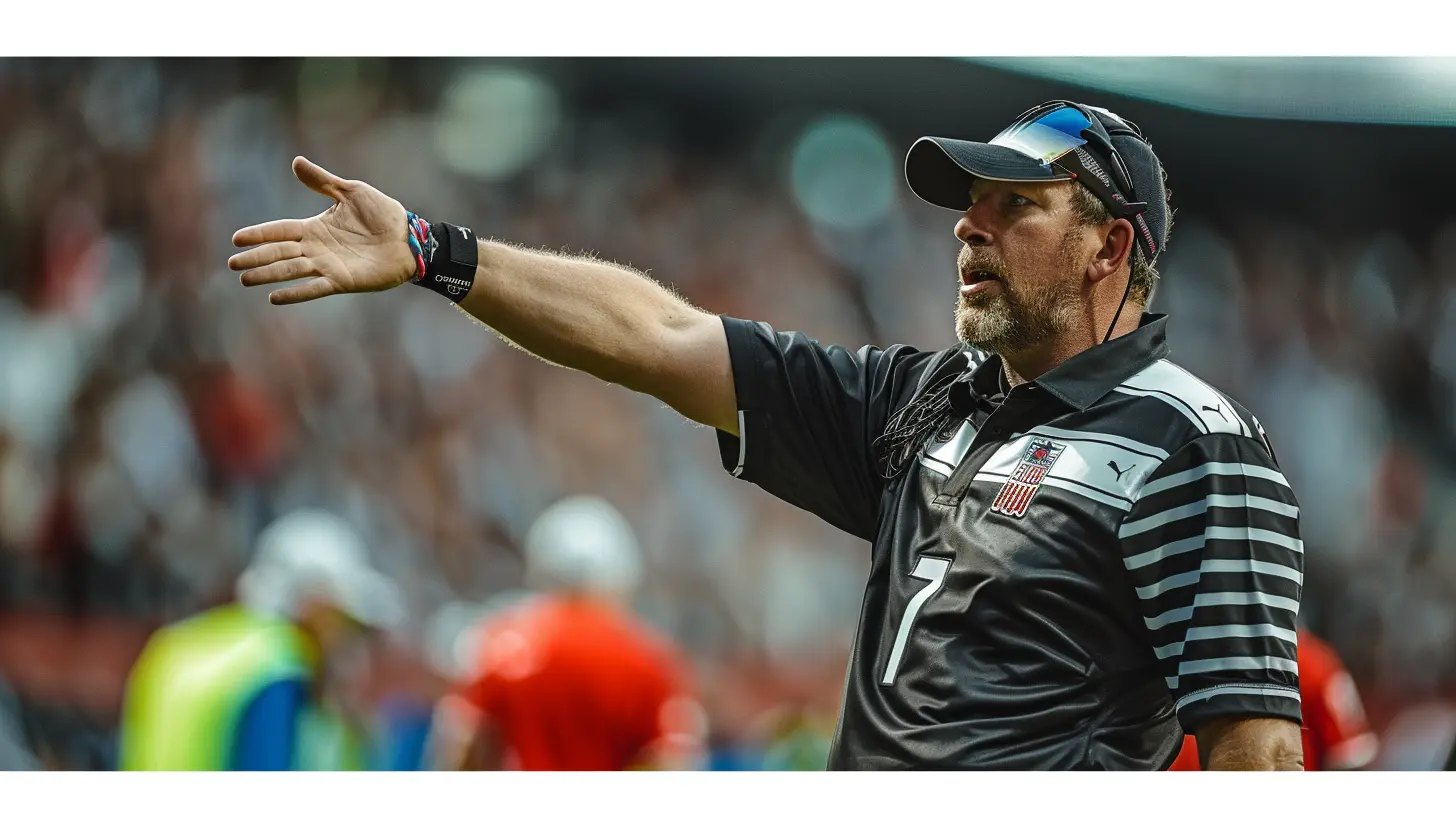
The Silver Lining: Opportunities to Make the Game Better
Okay, enough doom and gloom. Let’s talk about the good stuff—because instant replay isn’t just a burden; it’s a game-changer in the best way possible.1. Fairness Above All
This is the heart of it, right? Fairness.Instant replay can correct a missed call that could’ve changed the outcome of a championship. It helps ensure that the right team wins, that the deserving player gets their points, and that the game stays true to its spirit.
There’s something powerful about knowing that justice, even if delayed by a few minutes, will likely be served.
2. Empowering Referees, Not Undermining Them
Contrary to what some believe, instant replay isn’t about taking power away from referees. It's about giving them more tools.Imagine being a surgeon without an X-ray or a pilot without radar. That’s what it was like for refs before. Now, they get a second look. They get backup. It’s not weakness—it’s wisdom.
3. Better Transparency Equals Happier Fans
Fans crave transparency. Nobody wants to leave a match wondering, “What the heck just happened?”With instant replay, we get clear explanations. Some sports, like the NFL and cricket, even let you hear the communication between refs. It’s like pulling the curtain back and letting us see the wizard at work.
Transparency builds trust. And when fans trust officials, everyone wins.
4. Training and Development
Here’s a hidden gem—instant replay is a phenomenal teaching tool.Leagues now use footage to train referees, helping them understand patterns, avoid past mistakes, and grow in confidence. It’s like watching game film for players—it sharpens decision-making and awareness.
Technology isn’t replacing referees. It’s making them better.
The Human Side of Officiating: Why Empathy Still Matters
Let’s not forget, referees are human.They’re doing their best, often in high-stress conditions, with the world watching. Instant replay helps, but it also adds pressure. That’s why as sports fans, we need a little empathy.
Bad calls will happen. Even with replay, 100% accuracy isn’t always guaranteed. But let’s remember that the goal isn’t perfection—it’s progress.
What matters most is the integrity of the game, and instant replay, when used right, plays a big part in upholding that.
The Future of Officiating: What’s Next?
So where are we headed?Well, we’re already seeing AI assistance in tennis and baseball. Think of smart cameras that track foot placements or balls and give real-time decisions. Some sports are testing automated systems that eliminate the need for certain referee calls altogether.
But here’s the twist—fans still want the human touch. We love the emotion, the drama, and yes, even the occasional controversy. Full automation? Probably not. Enhanced human refereeing? Absolutely.
The future is likely a hybrid—referees assisted by tech, making faster, fairer, and more consistent calls, all while keeping the soul of the game intact.
Final Whistle: Embracing the Balance
Let’s face it—instant replay isn’t perfect. But neither are refs. Neither are fans. Heck, even players mess up.But when used responsibly and thoughtfully, instant replay brings us one step closer to fairness and accuracy, without ripping the heart out of the game.
As fans, we need to stop seeing referees as villains or scapegoats. They’re part of a complex, ever-evolving system that’s trying to keep up with the speed of modern sports. And just like athletes, they’re adapting, learning, and striving to be better.
So next time a match pauses for a replay, take a deep breath. You’re witnessing the growing pains of progress. And in the long run? That’s a good thing.
all images in this post were generated using AI tools
Category:
RefereeingAuthor:

Umberto Flores
Discussion
rate this article
1 comments
Kalani Richardson
This article highlights the evolving role of referees in sports. Instant replay can enhance accuracy but also adds pressure and complexity. It's a delicate balance between technology and the human element. I'm curious to see how it shapes the future of officiating.
June 19, 2026 at 12:31 PM
Umberto Flores
Thanks for your insights! It's true that finding that balance is crucial as we move forward. The future of officiating will definitely be interesting to watch.