Referees as Educators: Teaching Players the Rules While Keeping the Game Moving
27 June 2026
Ah, referees. Those whistle-blowing legends we love to boo when our team gets a foul. The people in stripes we blame for everything from a missed goal to global warming. But let’s be real for a second — do we ever stop and think about what those referees are actually doing out there on the field, court, or pitch? Spoiler alert: it’s way more than just tossing yellow cards like confetti.
Believe it or not, referees are not just rule enforcers — they’re educators. Yep, teachers in sporty disguises, with whistle lanyards instead of chalk. They don’t walk into classrooms, but their domain is the chaos of live competition, and they’re tasked with the impossible: teach the rules, correct the missteps, and keep the game flowing like a Spotify playlist on shuffle.
So, buckle up, because we’re about to give referees the credit they never asked for... and probably still won’t get.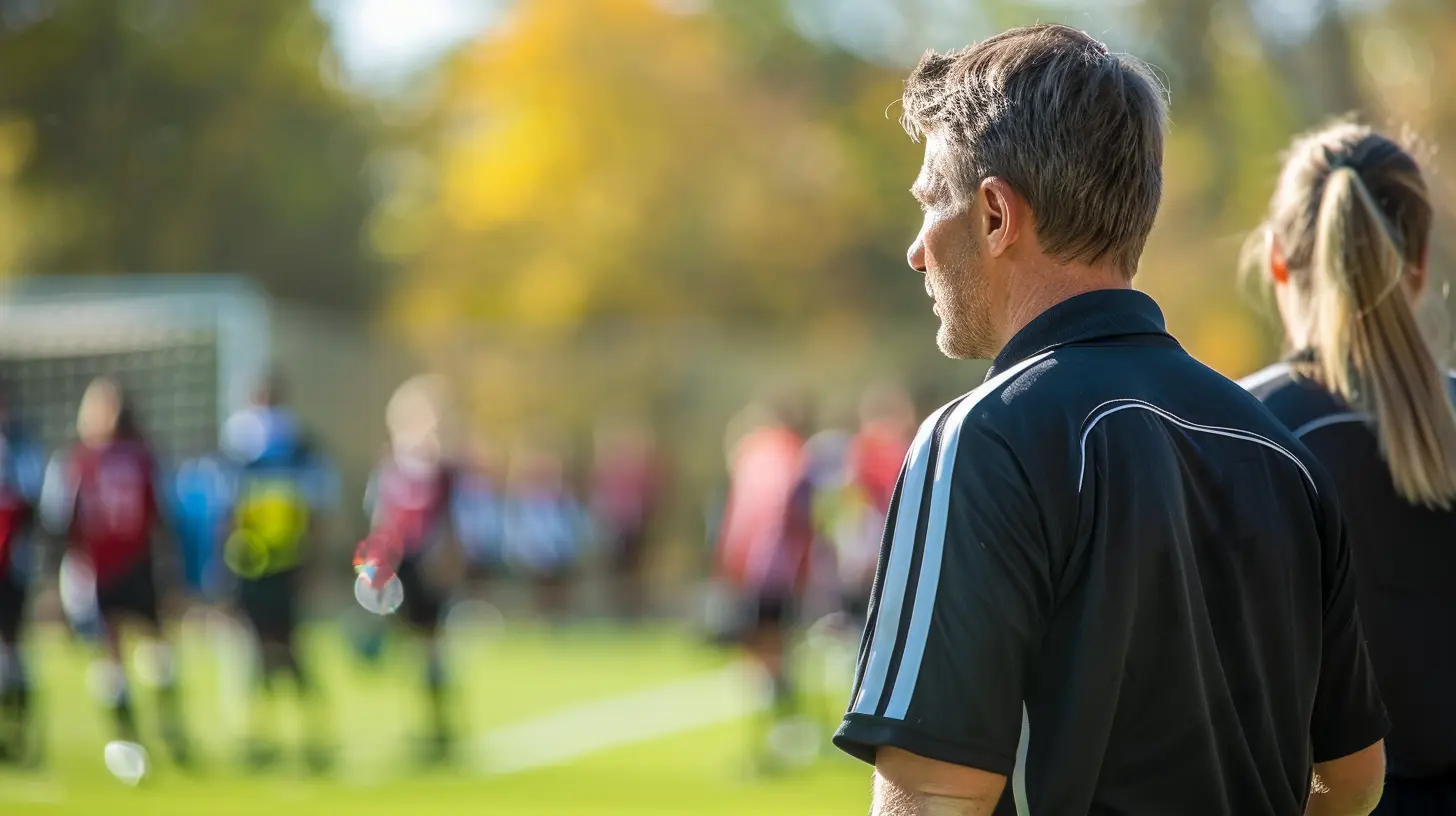
Wait, Refs Are Teachers Now?
Yes. And no, they didn’t go to Hogwarts to learn magical conflict resolution. But if you’ve ever watched a youth league game or even professional sports, you’ll notice something interesting: referees are constantly communicating. Whether it’s with gestures, eye contact, quick conversations, or the occasional dramatic whistle blow, they’re educating players on the fly.Think about it. No one hits pause for a quick rules lecture during a playoff game. Instead, referees have to teach in real-time — like a PE teacher who’s hopped up on caffeine and adrenaline. They explain, correct, and guide, all while dodging flying balls and dodgier tempers.
The Human Rulebook: Real-Time Learning in Sports
Imagine you're a player. You're fueled by adrenaline, maybe a bit of rage, and the pure desire to humiliate the other team. You mess up — maybe you bump someone, grab a jersey, or step out of bounds. And just like that, the ref’s whistle sings like a guilty conscience.But what comes next is the magic.
Referees don’t just penalize for the sake of drama. They often use that moment to explain what just went wrong. A quick word, a hand gesture, even a raised eyebrow — these cues educate the player and reinforce the rule, like a popup tutorial in a video game. The beauty of this is that it’s subtle, fast, and effective. No need for a time-out and a TED Talk.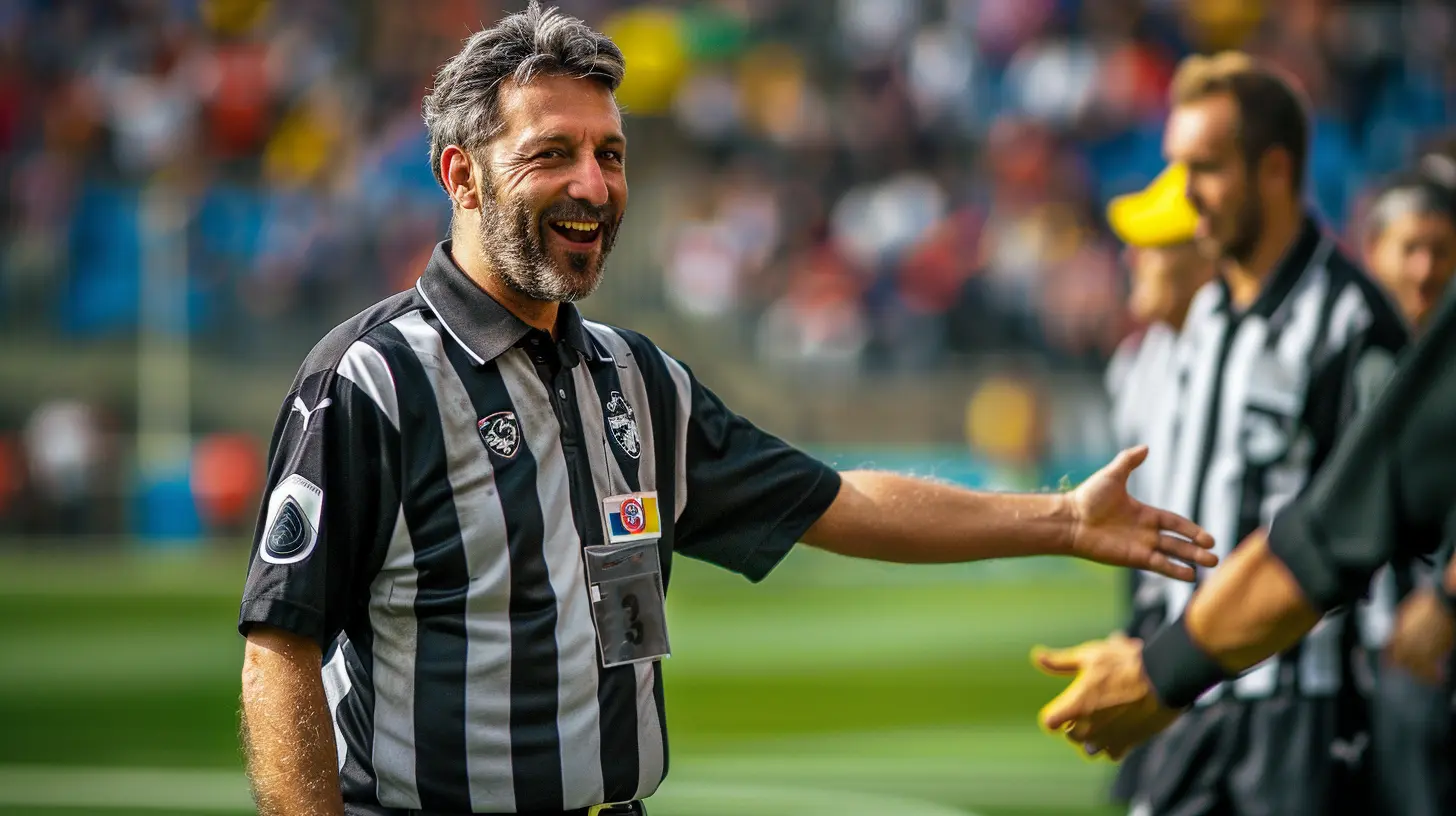
Teaching Moments: Not Just for Kiddie Leagues
Sure, it’s easy to imagine referees giving little Johnny a pep talk in a Saturday morning U10 soccer game. “Hey buddy, you can’t slide-tackle your teammate. Nice effort though!” But even at the highest levels — from NBA courts to Premier League stadiums — refs are still teaching.How? Through non-verbal cues, brief explanations, and managing the tone of the game. A seasoned ref uses experience and game sense to know when to be a stickler and when to let them play on. It’s a balancing act with the grace of a tightrope walker and the patience of a kindergarten teacher.
The Art of Not Killing the Vibe
Let’s be honest — nothing kills the vibe faster than constant whistleblowing. Fans don’t buy tickets to watch referees. (Unless you’re part of a very niche fan group, which, no judgment.)Referees who master the educator role know how to deliver just enough feedback to steer the game in the right direction, without turning it into a stop-start disaster. They understand flow. They get rhythm. They’ve basically got the DJ skills of Calvin Harris — they know when to drop the beat and when to let it ride.
By gently shaping behavior with concise feedback, they minimize disruptions. Players learn the rules through consequence and clarification, not just lecture. The result? A smoother, faster, more watchable game. And maybe fewer foam fingers thrown in their direction.
But What If Players Just Don’t Listen?
Ah, the age-old problem of every teacher ever. The “selective hearing” syndrome.But referees have a few tricks up their sleeves. (Well, if they had sleeves. They usually don’t. But go with it.)
Instead of escalating every incident to DEFCON 1, good refs start with a casual reminder. A look. A word. Maybe a “Next one, you’re out.” It’s classroom management 101 — set expectations, follow through, and don’t let the inmates run the asylum.
By developing rapport with players and showing consistency, referees earn respect. And in return, most athletes respond with improved behavior. Or at the very least, some grumbling compliance. Which is as close to victory as referees ever get.
The Language of the Whistle
Let’s talk whistles.You’d think there’s only one way to blow a whistle, right? Wrong. Oh so wrong. The whistle is the referee’s megaphone, fire alarm, and magic wand all rolled into one.
A short tweet = “Hey, minor issue, carry on.”
A long, furious shrill = “You just broke three rules and possibly someone’s ankle.”
Refs use different whistle tones like a drama teacher uses voice projection — to signal importance, urgency, and even judgment. Players learn the meaning behind the whistle variations, adjusting their behavior accordingly. It’s a musical language of its own, and its lessons are loud and clear.
Yes, Refs Make Mistakes — Let’s Not Gasp All At Once
Now before you throw tomatoes, let’s all agree on one thing: referees are human. Shocking, right?They make mistakes. They miss fouls. They call penalties that make us scream at our TVs like we’re auditioning for a reality show. But remember — teachers make mistakes too. The real issue isn’t being wrong but failing to learn or adapt.
The best referees own their gaffes, adjust their judgment, and keep the game moving. And guess what? Players see that. They learn from it. It builds integrity into the game — and gives refs a bit more credibility than we normally allow.
Refs As Role Models? Hold the Eye Rolls
Okay, I get it. “Role model” isn’t the word you’d slap on someone who just red-carded your favorite striker. But hear me out.Referees set the tone of a game. Their calm under pressure, fairness, and ability to de-escalate can teach players more off the ball than any highlight reel ever could. Think of them as the Gandalf of the game — guiding, not commanding.
When refs demonstrate professionalism, respect, and knowledge, they set an example for players — especially young and impressionable ones. Every time a ref calmly diffuses a confrontation or offers a quick clarification with confidence and grace? That’s classroom-level impact happening in real time.
The Coaching-Referee Tango: A Love-Hate Relationship
Coaches coach. Refs ref. And sometimes, they argue like an old married couple locked in a never-ending game of “who’s right?”But when both sides treat each other as partners instead of rivals, magic happens. Refs can support coaches by reinforcing team teachings on the field, and in return, coaches can encourage players to respect officials.
Shocking concept, right? Collaboration instead of confrontation?
Refs don’t want control; they want the game to be played right. When the sideline and the whistle work together, players get a consistent message. That’s Jedi-level teaching synergy.
Instant Replay: The Referee's Report Card
These days, referees have their performances scrutinized frame by frame through instant replay. Technology has added pressure, sure, but it’s also helped players (and fans) understand the rules with more clarity.When a decision gets overturned or confirmed on review, it becomes a learning moment not just for players but for everyone watching at home. It's like watching a “MythBusters” episode — but with more sweat and fewer explosions.
Replay has turned mistakes into opportunities for education. And while it doesn’t stop Twitter from exploding, it does give refs another way to teach the rules — one frame at a time.
Can We Stop Booing Them Now?
Okay, maybe not entirely. Some habits die hard.But next time you’re about to scream “ARE YOU BLIND?!” at a referee, take a breath. Think about the multitasking, rule-correcting, vibe-managing, whistle-wielding educator out there trying to keep the game beautiful and balanced.
They’re not just the fun police. They’re part coach, part judge, part librarian, and part psychological wizard. It’s time we gave them a little respect — or at the very least, a slightly less aggressive death stare.
Final Whistle
Referees as educators? Absolutely. They don’t hand out diplomas, but they hand out knowledge — play by play, foul by foul, and call by call.From teaching rookies the ropes to guiding professionals with subtle direction, referees are shaping the way games are played and understood. They’re the unsung teachers of the sports world, balancing chaos with control and rules with rhythm.
So next time you see that striped angel blow the whistle, remember — they’re not just stopping the game. They’re teaching it.
all images in this post were generated using AI tools
Category:
RefereeingAuthor:

Umberto Flores
Discussion
rate this article
1 comments
Thaddeus McCall
Great perspective! Referees can truly shape players' understanding of the game.
July 18, 2026 at 12:56 PM