Secrets to Club Team Chemistry: Building Cohesion and Trust
8 February 2026
When it comes to sports, talent can only take a team so far. The true magic happens when players trust each other, communicate seamlessly, and fight for a common goal. That’s what we call team chemistry—the invisible glue that holds a winning squad together.
But how do you build this elusive chemistry? Is it just about spending time together, or is there a deeper formula for success? In this article, we’ll break down the key elements of team cohesion and trust, giving you practical tips to strengthen bonds within your club. 
Why Team Chemistry Matters in Sports
Ever watched a team that just clicks on the field? It’s like they can read each other’s minds—passing with precision, covering for teammates, celebrating victories together. That’s no accident; it’s team chemistry in action.Chemistry impacts performance in ways that individual skills alone never could. A well-connected team communicates better, reacts faster, and stays motivated—even in tough situations. In contrast, a team lacking chemistry often struggles with misunderstandings, inconsistent plays, and low morale.
So, what separates a tight-knit team from one that falls apart under pressure? Let’s dive into the secrets. 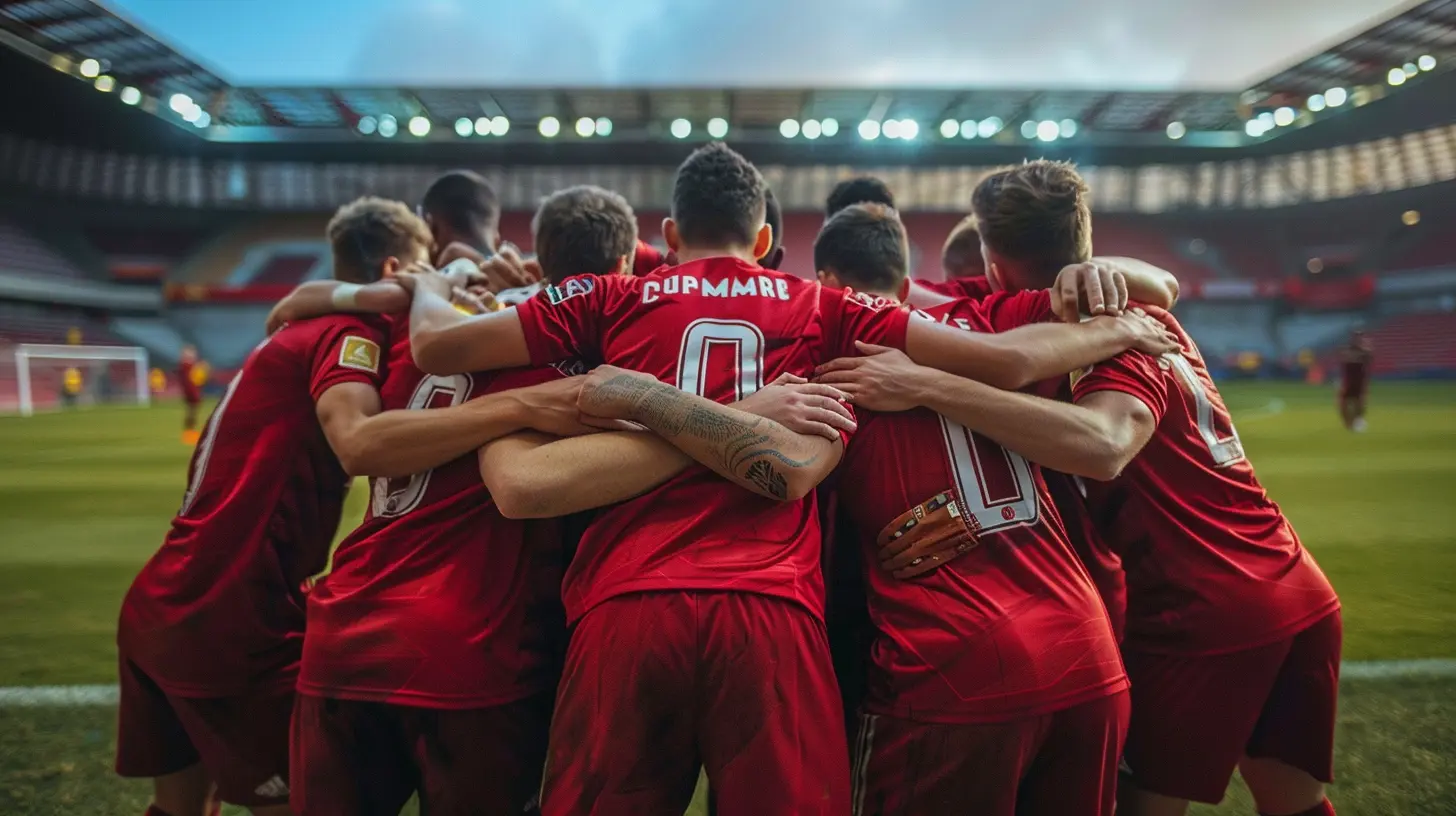
1. Building Trust: The Foundation of Strong Teams
Trust is the bedrock of team chemistry. Without it, even the most talented groups crumble. But trust isn’t built overnight—it’s earned through actions, consistency, and mutual respect.a) Open and Honest Communication
A team that doesn’t communicate is like a car without a steering wheel—destined for disaster. Players need to feel comfortable expressing concerns, giving feedback, and celebrating successes together.Encourage open discussions, whether it’s about strategy, personal struggles, or team goals. When everyone’s voice is heard, trust flourishes.
b) Accountability: Owning Mistakes and Successes
Trust isn’t just about believing in your teammates' abilities—it’s about knowing they’ll own up to their mistakes and work to improve. A culture of accountability fosters respect and reliability, ensuring that each player takes responsibility for their role.Instead of pointing fingers when things go wrong, great teams focus on solutions. Acknowledge errors, learn from them, and move forward together.
c) Playing for Each Other, Not Just Yourself
The best teams aren’t just a group of individuals—they’re a family on a mission. When players genuinely care about their teammates’ success, they’re willing to make sacrifices for the greater good.This mindset transforms a team from self-focused athletes into a cohesive unit that plays with heart and determination. 
2. Team Bonding Activities: Strengthening Relationships
Developing chemistry doesn’t just happen during games or practice. Some of the strongest team connections are built off the field.a) Team Dinners and Social Events
Sharing a meal isn’t just about food—it’s about connection. Whether it’s a team BBQ, restaurant outing, or post-game pizza night, these moments create lifelong bonds and help teammates see each other beyond their roles on the field.b) Travel and Road Trips
If you’ve ever been on a long bus ride with a team, you know how powerful it can be. Road trips create lasting memories and force players to spend quality time together—whether it’s sharing stories, playing games, or joking around.c) Trust-Building Exercises
Simple activities like trust falls, escape rooms, or obstacle courses may seem unrelated to sports, but they work wonders for team chemistry. They help players rely on each other, break down barriers, and build confidence in their teammates.
3. Leadership: Setting the Tone for Chemistry
Every great team has strong leadership—whether it’s from coaches, captains, or veteran players. These leaders set the tone for the team’s culture and inspire others to follow their example.a) Leading by Example
Talk is cheap. The best leaders aren’t the loudest—they’re the ones who show up early, work hard, and put the team first. When younger players see veterans giving their all, they’re more likely to follow suit.b) Motivating Others
A team without motivation is a team that crumbles under pressure. Great leaders know how to lift spirits, encourage teammates, and rally the squad when things get tough.Sometimes, it’s as simple as a pat on the back, a motivating speech, or cracking a joke to lighten the mood. Keeping team morale high is crucial for chemistry and long-term success.
c) Resolving Conflicts Quickly
No team is perfect—disagreements will happen. But how conflicts are handled determines whether a team grows stronger or falls apart.Encourage mature conversations instead of heated arguments. Leaders should act as mediators, helping teammates resolve issues and move forward with mutual respect.
4. On-Field Chemistry: Developing Instinctive Play
Trust and friendship are great, but chemistry also has a technical side. Teams that understand each other’s playing styles react quicker, make smarter plays, and anticipate movements effortlessly.a) Knowing Each Other’s Strengths and Weaknesses
A great passer knows where a striker likes the ball. A defender understands exactly how much space their goalie needs. These small details separate average teams from champions.Coaches and captains should encourage team discussions about playing styles, ensuring that every player knows how to complement their teammates’ strengths.
b) Practicing ‘Unspoken Communication’
Some of the best teams barely need to talk—they just know where their teammates will be. How? Repetition and trust.Drills focusing on passing patterns, quick transitions, and off-ball movement help players instinctively understand each other’s tendencies.
c) Playing Together Consistently
Every time a team steps onto the field together, they’re building chemistry. The more they play, the better they understand each other’s rhythm, positioning, and decision-making.This is why lineup consistency matters. Frequent rotations and inconsistent squads can disrupt chemistry, making it harder for players to establish fluid connections.
5. The Role of Coaches in Building Team Chemistry
A coach isn’t just responsible for tactics—they’re the architects of team chemistry. The best coaches create a culture of trust, accountability, and unity.a) Encouraging a Team-First Mentality
Coaches must emphasize selflessness—reminding players that the team’s success comes before individual stats or personal egos.b) Creating an Inclusive and Positive Environment
Player dynamics matter. If a team environment feels exclusive or toxic, chemistry will suffer. Coaches should promote inclusivity, encourage friendships, and shut down cliques or negativity before they damage morale.c) Keeping the Energy and Motivation High
A coach’s energy sets the tone for the entire team. If a coach is passionate, enthusiastic, and fully committed, players will feed off that energy and bring the same attitude to games and practices.Final Thoughts: Chemistry Isn’t Built Overnight
Developing elite team chemistry is a process—it takes time, commitment, and genuine effort from every team member. It’s not about forcing friendships or demanding trust; it’s about creating an environment where these connections develop naturally.From trust and accountability to team activities and leadership, every factor plays a role in strengthening team bonds. When a squad truly gels, it’s an unstoppable force—one that can turn good teams into great ones and underdogs into champions.
So, if you’re a player, coach, or leader looking to build a unified, unstoppable club, start focusing on chemistry. Because at the end of the day, talent wins games, but team chemistry wins championships.
all images in this post were generated using AI tools
Category:
Club TeamsAuthor:

Umberto Flores
Discussion
rate this article
2 comments
Jennifer Griffin
Unity fuels unbreakable greatness.
March 12, 2026 at 12:18 PM
Umberto Flores
Absolutely! Unity is the cornerstone of strong team dynamics, fostering trust and collaboration essential for success.
Gisela Pope
United on and off the field, strong chemistry transforms potential into unstoppable victory! Keep building!
February 8, 2026 at 4:21 AM