Silent Authority: How Referees Use Non-Verbal Communication on the Field
10 May 2026
Let’s be honest—when most of us watch a game, our eyes are glued to the players, the ball, or praying our team actually scores. But there’s a silent conductor orchestrating everything on the field: the referee. They don’t need a megaphone or a mic to get their message across. Nope, referees are masters of non-verbal communication. And if you’ve ever wondered how they keep control without saying a word, you’re in for a treat.
So, let’s break it down. How do these unsung heroes of order and fairness manage to command respect, defuse tension, and make sure the beautiful game doesn’t turn into chaos—all without shouting? Welcome to the world of gestures, posture, and some well-timed eye contact.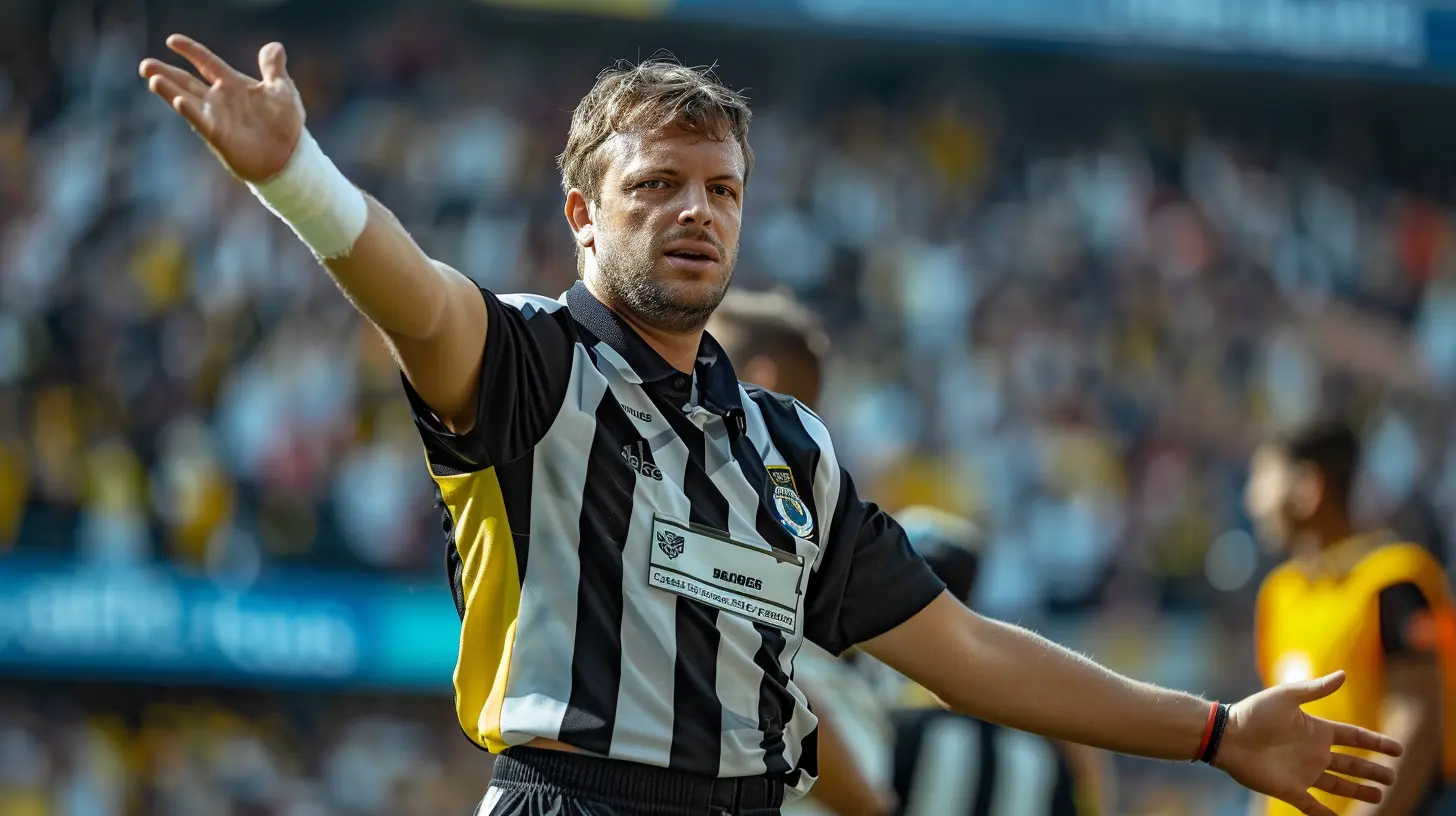
The Silent Language of Authority
Picture this: the crowd is roaring, players are shouting, and the game is hanging on a knife’s edge. The referee, cool as a cucumber, walks between two heated players, raises an eyebrow, and calmly extends an arm between them.Argument? Over.
Referees have an entire arsenal of subtle, silent techniques that speak volumes. Their body language isn’t just about style—it’s serious business. This non-verbal toolkit helps them manage the game, maintain authority, and sometimes even prevent all-out brawls on the pitch.
Why Non-Verbal Communication Matters
Let’s face it—there’s no time for lengthy explanations during a fast-paced match. Players are running, the ball’s in play, and the ref can’t exactly call a timeout to deliver a lecture. So, gestures and body signals become the universal language of the field.Think of it as the Morse code of sports officiating.
Non-verbal communication saves time, reduces misunderstandings, and works even when words are lost in the noisy chaos of the stadium. It’s fast, effective, and lets the referee stay in control without raising their voice.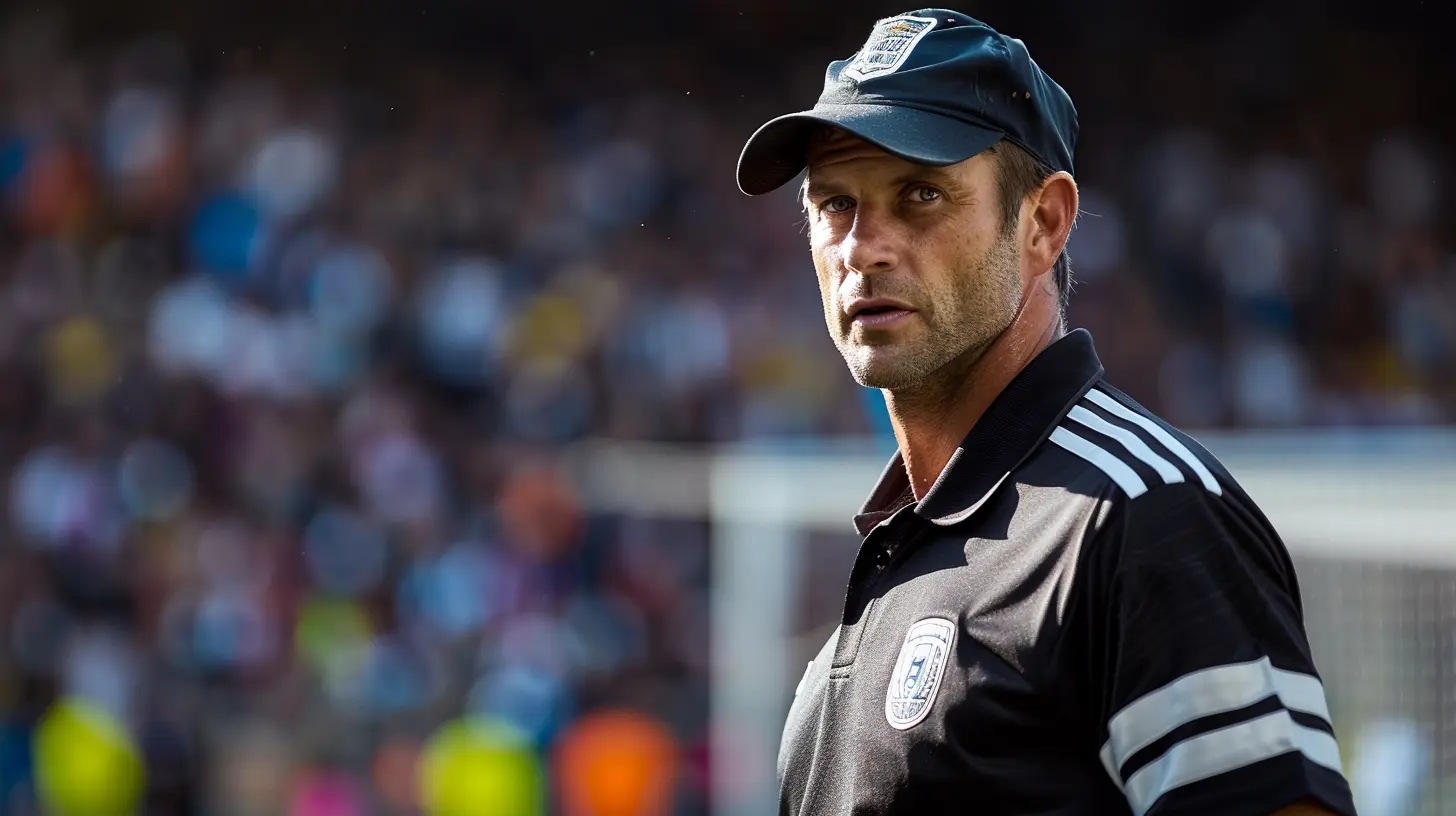
The Trademark Moves: Ref Signals You Know and Love
Whether it's soccer, basketball, football, or hockey, sports referees have their own set of official signals. You’ve probably seen them a thousand times—maybe even mimicked them in a game with friends. Let’s go through a few "classics" and what they’re really saying.The Arm Raised High
In soccer, when a ref raises an arm straight up, odds are they’re signaling an indirect free kick. But more than the rule, it signals authority. It’s like saying, “I saw that. Here’s what’s happening. Let’s move on.”The Yellow Card Flash
This one's iconic. No words needed. A stern face + a flash of yellow = “You're walking on thin ice, pal.” It’s the ref’s version of a stern glare from your mom when you’re misbehaving at the dinner table.The Whistle + the Point
Whistle blows and the arm swings out in a firm point—direction of play has been decided. No debates. No second chances. Move along.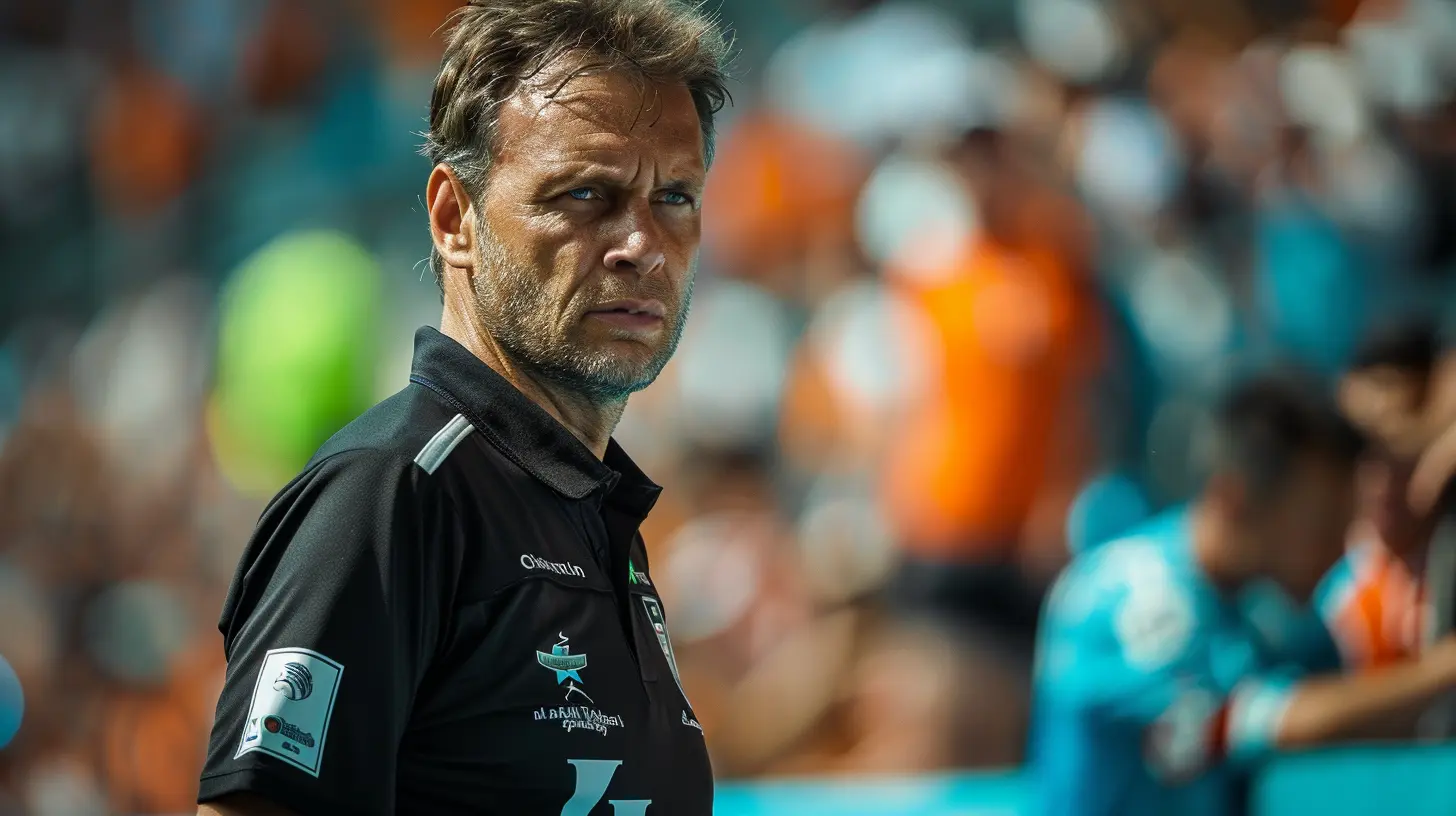
Beyond the Basics: The Referee’s Body Language Game Is Strong
Sure, there are official signals—those are in the rule book. But the real communication magic? It happens in the nuances. Let's zero in on those subtle cues that aren't taught in officiating school but are perfected with experience.Posture: Standing Tall Means Standing Firm
Referees who hunch or look unsure? Players pick up on that instantly. Confidence is key. A strong, upright stance says, “I'm in charge here,” without uttering a word.Referees who carry themselves with intention—shoulders back, chin up, eyes steady—project authority. They don’t need to convince anyone with words because their body already screams leadership.
Facial Expressions: The Silent Mood Control
Believe it or not, referees use their faces like poker players use bluffs. A calm, neutral expression keeps emotions in check. An empathetic nod after a hard tackle can calm a frustrated player. A brief, intense stare can shut down complaints instantly.They don’t need to yell “cut it out.” One look says it all.
Eye Contact: The Old-School Power Move
Direct eye contact is one of the most powerful non-verbal tools in a referee's kit. Used right, it sends a clear message: “I see you. I’m watching. Don’t push your luck.”Too much eye contact, though? That can escalate things. The best referees use it sparingly—just enough to control the vibe without fanning the flames.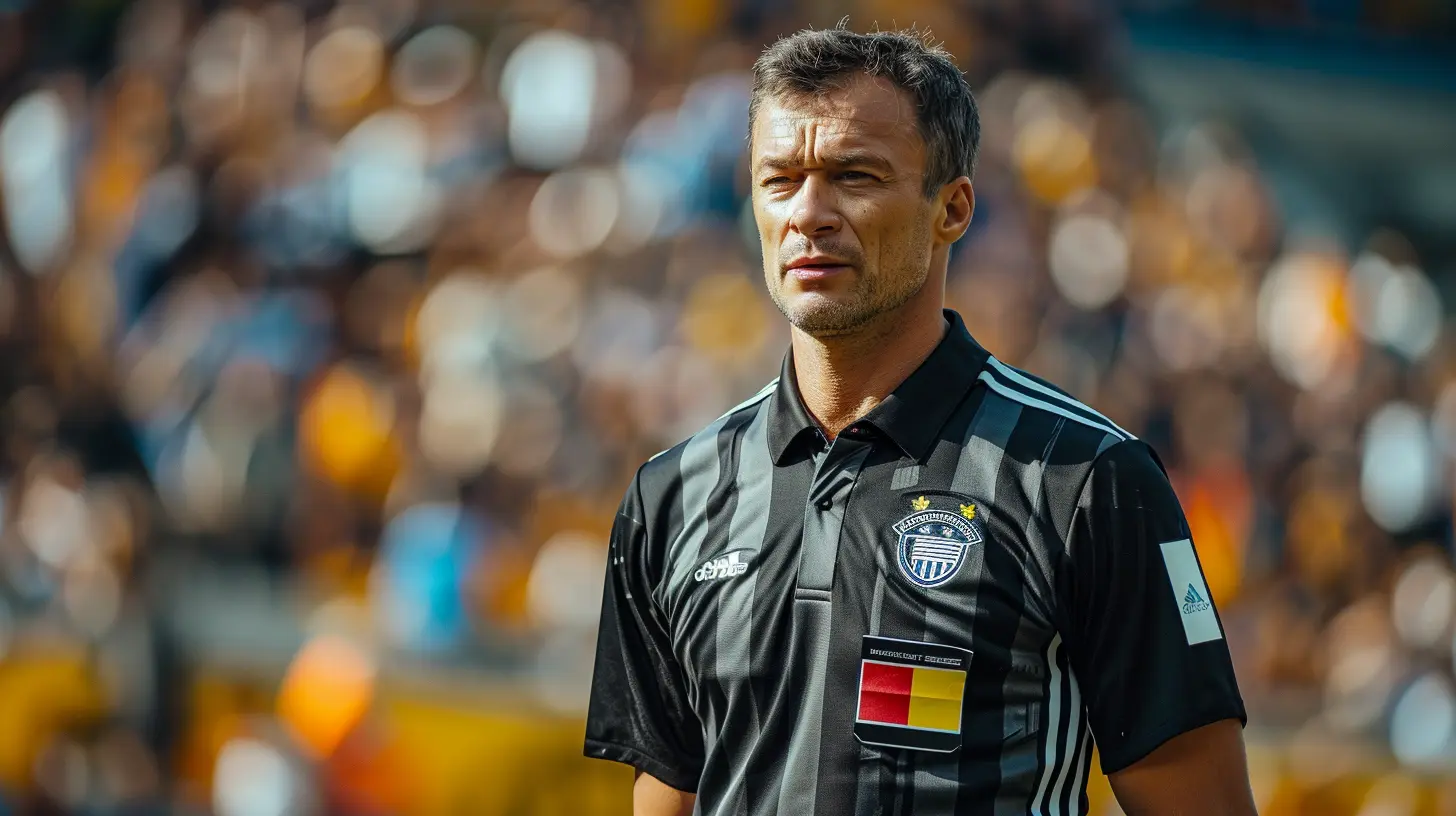
Reading the Players Like a Book
Referees are part mind-reader, part conflict negotiator. They’re constantly scanning the field—not just for fouls, but for emotional cues. Are tensions rising? Is a player getting frustrated? Is retaliation brewing?Great refs pick up on body language not just to give orders, but to anticipate problems before they boil over.
The Tension Triangle
Here’s something seasoned referees know: when you see three players crowding toward each other, shoulders tense, voices rising, it’s go-time. A ref steps in fast—maybe with a firm hand gesture, or a “chill” motion with the palms down.Defusing it early with non-verbal cues keeps the peace and keeps the game flowing. It’s like snipping the wire on a bomb before it explodes.
Managing the Crowd Without Saying a Word
It’s not just the players. Refs are lowkey crowd managers too. When fans start getting rowdy, a well-timed whistle and a slow, steady walk to the sideline can cool the temperature like flipping on the AC.Some refs even use slow arm gestures or prolonged stillness to shift the crowd’s energy. It’s subtle, but it works. Think of it as referee feng shui—calming the environment by mastering movement and presence.
Humor and Warmth: The Unexpected Side of Silent Authority
Not everything a ref does is stern and serious. The best ones know when to keep things light. A shrug, a playful smirk, a raised eyebrow—these tiny human moments build trust with players.It’s like saying, “Hey, I get it. We’re all just doing our jobs here.”
This warmth makes players more receptive to decisions—even the tough ones. It’s the referee’s secret weapon: creating connection without needing a conversation.
Referees in Different Sports: Same Game, Different Signals
Every sport has unique rules, but the idea of non-verbal authority is universal. Here's how it plays out across the board:In Football (Gridiron)
Think dramatic hand signals and lots of pointing. NFL referees use strong, deliberate gestures to announce penalties and touchdowns. Ever seen that “touchdown” posture? It’s basically the Statue of Liberty of sports officiating.In Basketball
Quick movements, hand chops, and the iconic traveling spin of the wrist. NBA refs are masters of fast, expressive signals. They have zero time to waste—decisions are made in seconds, and the hand gestures have to be crystal clear.In Tennis
Umpires don’t move much, but when they do, it matters. A raised hand to signal a let, a firm finger for “OUT”—each gesture is quiet, yet loaded with meaning.In Hockey
Ever seen a ref skate over, blow a whistle, and do that dramatic cross-arm move for “penalty”? It's theatrical, but purposeful. These gestures keep control in a bruising, fast-paced sport where fights are a real possibility.Silent but Respected: Why It Works
In the end, non-verbal communication builds trust. Players know what to expect, the audience stays informed, and the game keeps moving. Referees who master the silent language of authority are like Jedi—calm, composed, and in control.They don’t rule with fear; they rule with presence.
It’s hard to yell at someone who’s being fair, clear, and cool-headed. That’s the magic of silent authority—it commands respect without ever demanding it.
What Can We Learn from Refs?
Hey, you don’t need a whistle to use these tricks. Whether you're managing a team, breaking up a heated debate, or trying to get your kid to clean up their Legos—non-verbal communication is powerful.- Want to show confidence? Stand tall.
- Need to calm someone down? Lower your tone and your gestures.
- Trying to assert authority? Make eye contact and be deliberate in your movements.
Referees are more than rule enforcers—they're masters of controlled energy. It’s a skill we could all use, both on and off the field.
Final Whistle: Respect the Silent Bosses
Referees may not score goals or hit buzzer-beaters, but they keep the game fair, focused, and flowing. Their ability to communicate silently is nothing short of an art form. Next time you're watching a game, keep an eye on the ref. Look closer—you’ll see a story being told in every gesture, every step, every pause.And maybe, just maybe, you’ll appreciate how powerful silence can really be.
all images in this post were generated using AI tools
Category:
RefereeingAuthor:

Umberto Flores
Discussion
rate this article
1 comments
Kara Summers
Referees have a unique skill set that transcends the whistle. Their ability to command respect without uttering a word is an art form. Body language speaks volumes, and in a game where tensions run high, a knowing glance can be more powerful than any call.
May 11, 2026 at 4:57 AM
Umberto Flores
Absolutely, non-verbal cues are crucial. A referee's presence and subtle gestures can shape the game's atmosphere significantly, often more than their decisions.