Smart Recovery: How Data Is Helping Athletes Heal Faster
6 November 2026
In the fast-paced world of sports, injuries can feel like a death knell for an athlete's career. The physical toll of pushing limits can lead to various injuries that require careful management and rehabilitation. Fortunately, the rise of data analytics and technology in sports has ushered in an era of smart recovery. Athletes no longer solely rely on traditional methods of healing; they now have the advantage of data-driven insights to help them heal faster and more effectively.
The Importance of Recovery in Sports
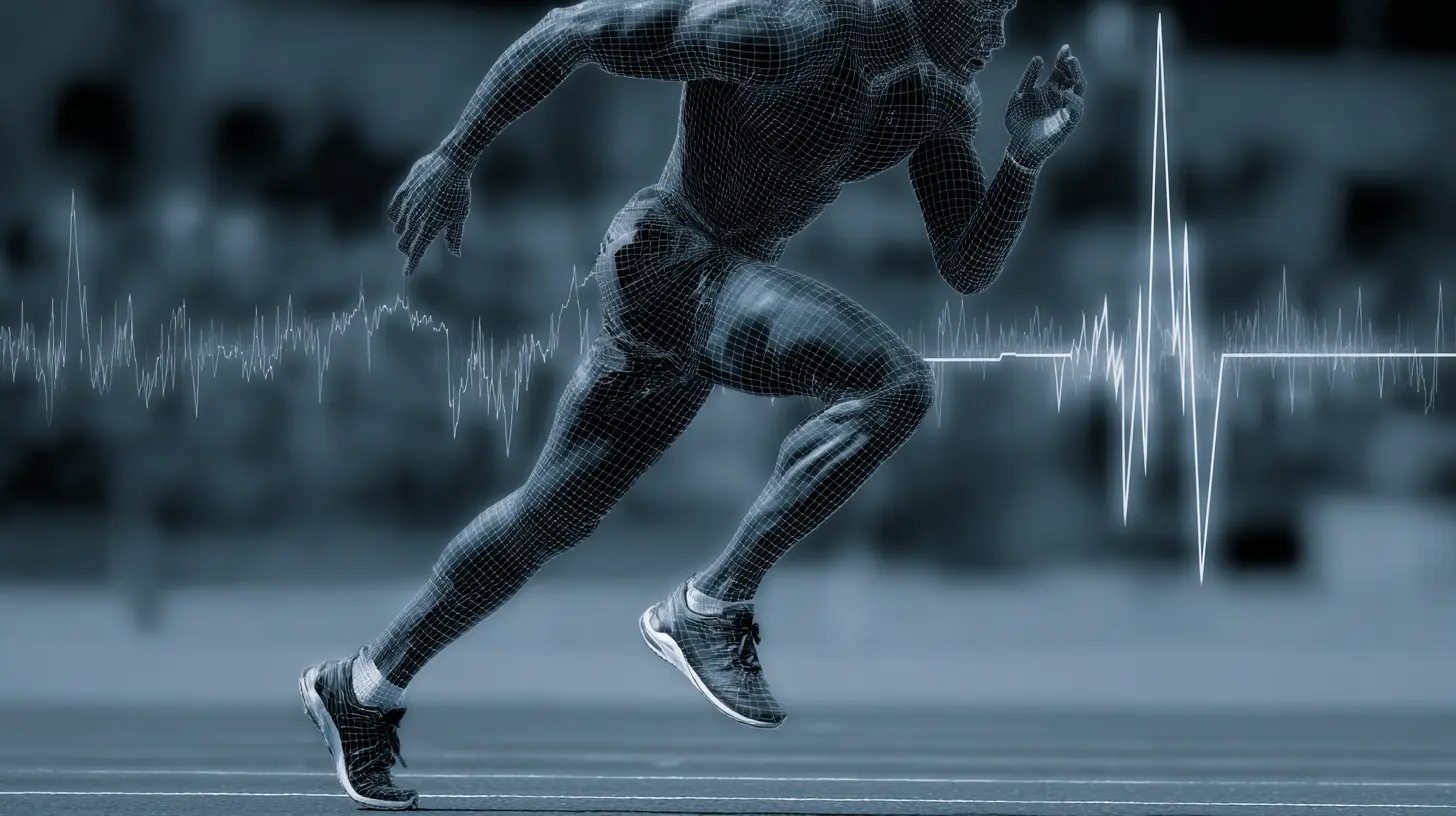
Recovery is a critical component of an athlete's regimen, influencing performance, longevity, and overall well-being. While training enhances physical capabilities, recovery ensures that the body can rebuild and strengthen itself. The balance between the two is delicate. Overtraining without adequate recovery can lead to injuries and burnout.Traditionally, recovery involved rest, physical therapy, and maybe some ice packs. However, with advancements in technology, there are now innovative approaches to recovery that can optimize the healing process. Athletes are increasingly turning to data-driven methods to tailor their recovery strategies, making them more effective and efficient.
Understanding the Role of Data in Recovery
Data analytics has permeated every facet of sports, and recovery is no exception. The collection and analysis of data can provide valuable insights into an athlete's physical state, helping to identify the most effective recovery methods. Here are some ways data is being utilized in athlete recovery:Wearable Technology
Wearable devices have transformed how athletes monitor their health. These devices can track heart rate, sleep patterns, movement, and even muscle strain. Data collected from wearables allows trainers and coaches to assess an athlete's physical condition in real time.Benefits
- Real-time feedback: Athletes receive immediate insights into their performance and recovery state, allowing for timely adjustments.- Personalized programs: Data helps create individualized recovery programs based on specific needs, ensuring that athletes get the attention they require.
Trade-offs
While wearables provide valuable insights, they can also lead to over-analysis. Athletes and coaches must find a balance between utilizing data and relying on instinct and experience. Over-reliance on numbers can sometimes detract from the subjective feelings that athletes experience.Biometric Data Analysis
Biometric analysis involves examining physiological data such as blood markers, muscle oxygen levels, and hydration status. Advanced techniques like blood tests can reveal vital information about an athlete's recovery state.Why It Works
Biometric data can uncover underlying issues that may not be visible during regular training. For example, a drop in certain biomarkers could indicate that an athlete is on the verge of overtraining or dehydration, prompting immediate intervention.Considerations
This method requires access to sophisticated technology and may involve costs that not all teams can afford. It also necessitates expertise in data interpretation to ensure actionable insights rather than confusion over numbers.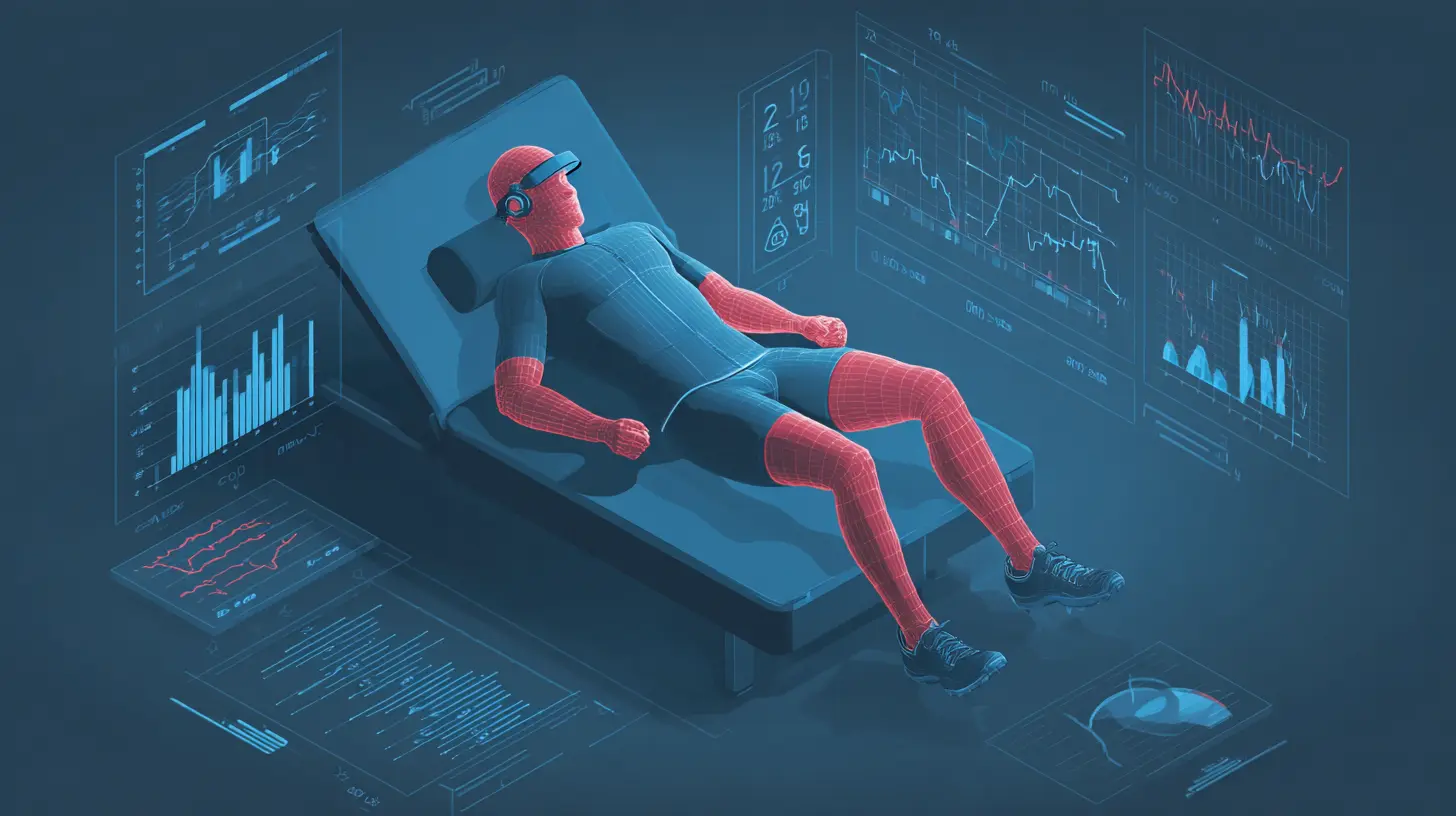
Recovery Techniques Enhanced by Data
Data analytics has also breathed new life into traditional recovery techniques. Here are some of the methods that have evolved through the lens of data:Active Recovery
Active recovery involves low-intensity exercises that promote blood flow and help in muscle recovery. Data can help determine the optimal activities and durations for effective active recovery.Implementation
Athletes can monitor their heart rates during active recovery sessions to ensure they remain within an ideal range. This way, they can maximize the benefits without risking further fatigue or injury.Cryotherapy
Cryotherapy, which involves exposing the body to cold temperatures, is a popular recovery method. Data has shown that specific temperatures and exposure times can yield the best results.Best Practices
Athletes should track their response to cryotherapy sessions, noting improvements in soreness or recovery speed. Adjustments can be made based on individual data to optimize the process.Sleep Optimization
Quality sleep is essential for recovery, and data analytics can significantly enhance sleep quality. Athletes can use wearables to monitor sleep patterns and gain insights into how to improve their rest.Common Mistakes
One common misconception is that more sleep equates to better recovery. However, the quality of sleep is just as important. Data can help identify factors affecting sleep quality, such as stress levels or training intensity, allowing athletes to make necessary adjustments.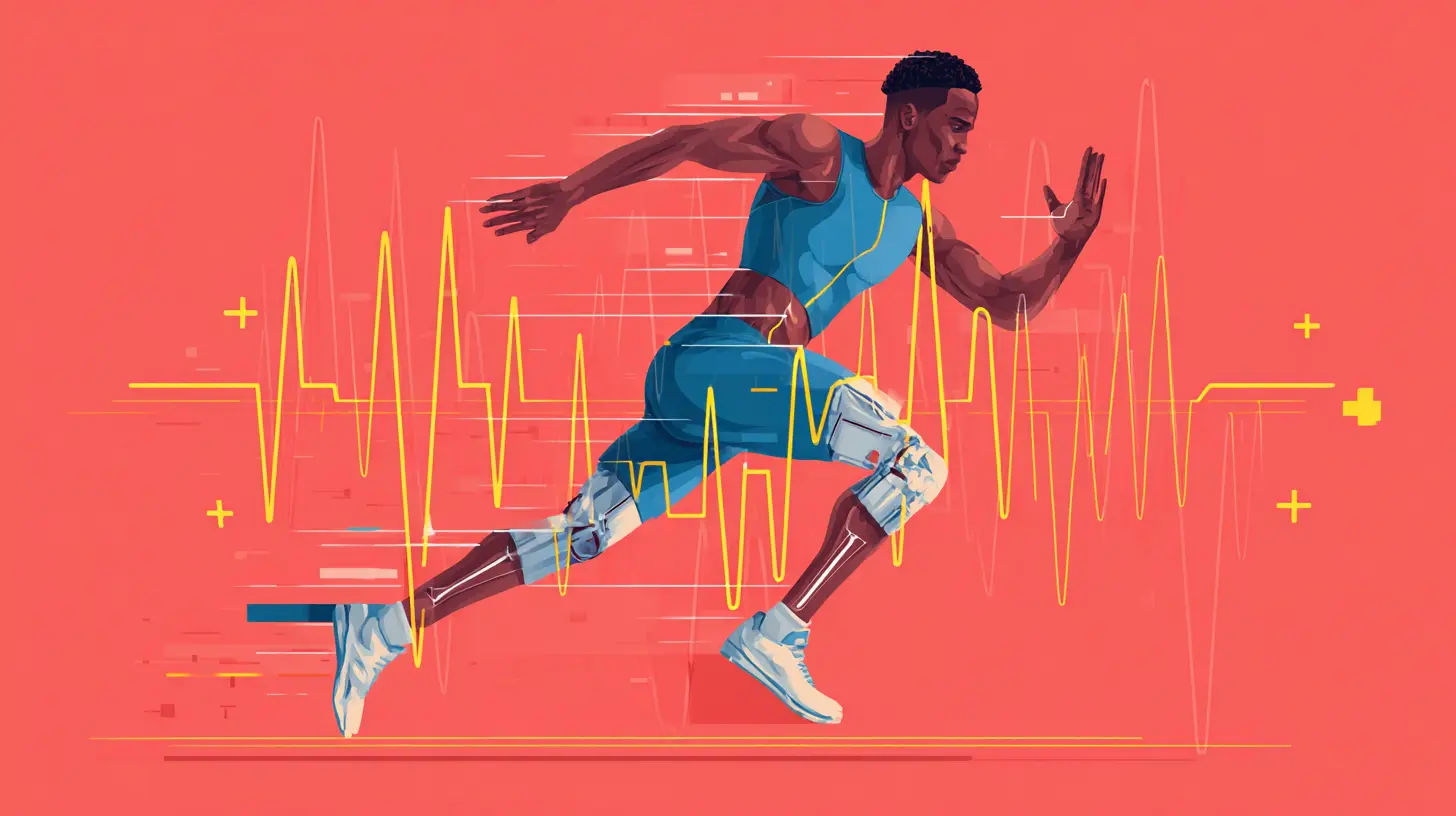
Real-World Examples of Data-Driven Recovery
To understand the impact of data on recovery, let's look at a few real-world examples:The NBA and Load Management
In the NBA, teams have begun implementing sophisticated load management systems that rely heavily on data. By analyzing player performance metrics and recovery data, coaches can make informed decisions about playing time and rest days.Case Study: The Golden State Warriors
The Golden State Warriors famously used load management strategies with their star player, Stephen Curry, to prevent injuries and ensure he was performing at his best during high-stakes games. They utilized data analytics to monitor not just his performance but also his recovery metrics, leading to a more sustainable approach to his training and performance.Professional Soccer and Injury Prevention
In soccer, clubs are increasingly using data to prevent injuries before they occur. Through analysis of player movements and stress levels, teams can identify when an athlete may be at risk of injury.Example: FC Barcelona
FC Barcelona employs a data-driven approach in their training regimens. They monitor player data closely to adjust training loads and recovery strategies, ensuring that players are always at their peak and minimizing the risk of injury.Misconceptions About Data in Recovery
Despite the advantages of data-driven recovery, misconceptions abound. Addressing these can help athletes and coaches make better decisions.Data Overload
One common misconception is that more data equals better outcomes. While data can offer insights, too much information can lead to confusion and hinder decision-making.One-Size-Fits-All Approach
Another misconception is that recovery strategies can be universally applied. Recovery is highly individualistic; what works for one athlete may not work for another. Data should be used to inform personalized approaches rather than as a blanket solution.
The Future of Recovery in Sports
As technology continues to advance, the future of recovery will likely become even more data-driven. Here are some trends to watch:Artificial Intelligence and Machine Learning
AI and machine learning are set to revolutionize how recovery data is analyzed. These technologies will allow for more precise predictions and tailor recovery programs to individual needs.Virtual Reality and Recovery
Virtual reality (VR) may soon play a role in recovery strategies, offering immersive environments for relaxation and mental recovery. Data from these sessions could be used to gauge effectiveness and optimize recovery protocols.Integration of Holistic Approaches
The future may also see an integration of data-driven insights with holistic recovery techniques, such as mindfulness and nutrition. Athletes may benefit from a more comprehensive approach that considers both mental and physical aspects of recovery.Practical Advice for Athletes and Coaches
1. Embrace Data but Trust Your Instincts: Use data to inform decisions, but don't disregard your own feelings and experiences. They can provide valuable insights that data may not capture.2. Invest in Quality Wearables: Choose reliable wearable technology that provides accurate data. Ensure that it fits well into your training routine and can help track your recovery effectively.
3. Focus on Recovery Quality: Prioritize quality over quantity in recovery. Data can provide insights into what practices yield the best results for you personally.
4. Experiment with Different Techniques: Recovery is not one-size-fits-all. Use data to experiment with various techniques and find what works best for your body and lifestyle.
5. Educate Yourself: Stay informed about new technologies and methods in recovery. The landscape is always changing, and being knowledgeable can help you stay ahead.
Conclusion
The integration of data into athlete recovery represents a significant leap forward in sports science. By harnessing the power of analytics, athletes can tailor their recovery strategies to their unique needs, ultimately allowing them to heal faster and perform better. As technology continues evolving, embracing data as a crucial part of recovery will likely become the norm rather than the exception.As we look to the future, it is clear that the intersection of sports and data analytics will pave the way for smarter, more effective recovery techniques, ensuring that athletes can return to their peak form while minimizing the risk of re-injury.
all images in this post were generated using AI tools
Category:
Recovery And RehabAuthor:

Umberto Flores