Sports Nutrition for Teen Athletes: Building Healthy Habits Early
31 March 2026
Teen athletes are in a league of their own. Between early morning practices, weekend games, and juggling schoolwork, they’re growing fast and pushing their bodies to the limit. And just like a car needs premium fuel to run at top speed, teen athletes need the right nutrition to perform, recover, and stay healthy.
But here's the thing—sports nutrition isn’t just about gulping down protein shakes or loading up on carbs before a game. It's about building long-term habits that support both physical performance and overall well-being. Let’s break it all down in a way that actually makes sense and fits into a teen’s busy lifestyle.
Why Nutrition Matters More for Teen Athletes
Think about it. Teens are growing at super speed—bones getting longer, muscles developing, hormones surging. Then, add sports training on top. That combo creates a nutritional demand that’s off the charts compared to non-athletic teens.Skipping meals or eating junk regularly doesn’t just hurt performance—it affects growth, recovery, mood, and even future health. Imagine trying to build a house with weak bricks… that’s what poor nutrition does to a developing teen athlete’s body.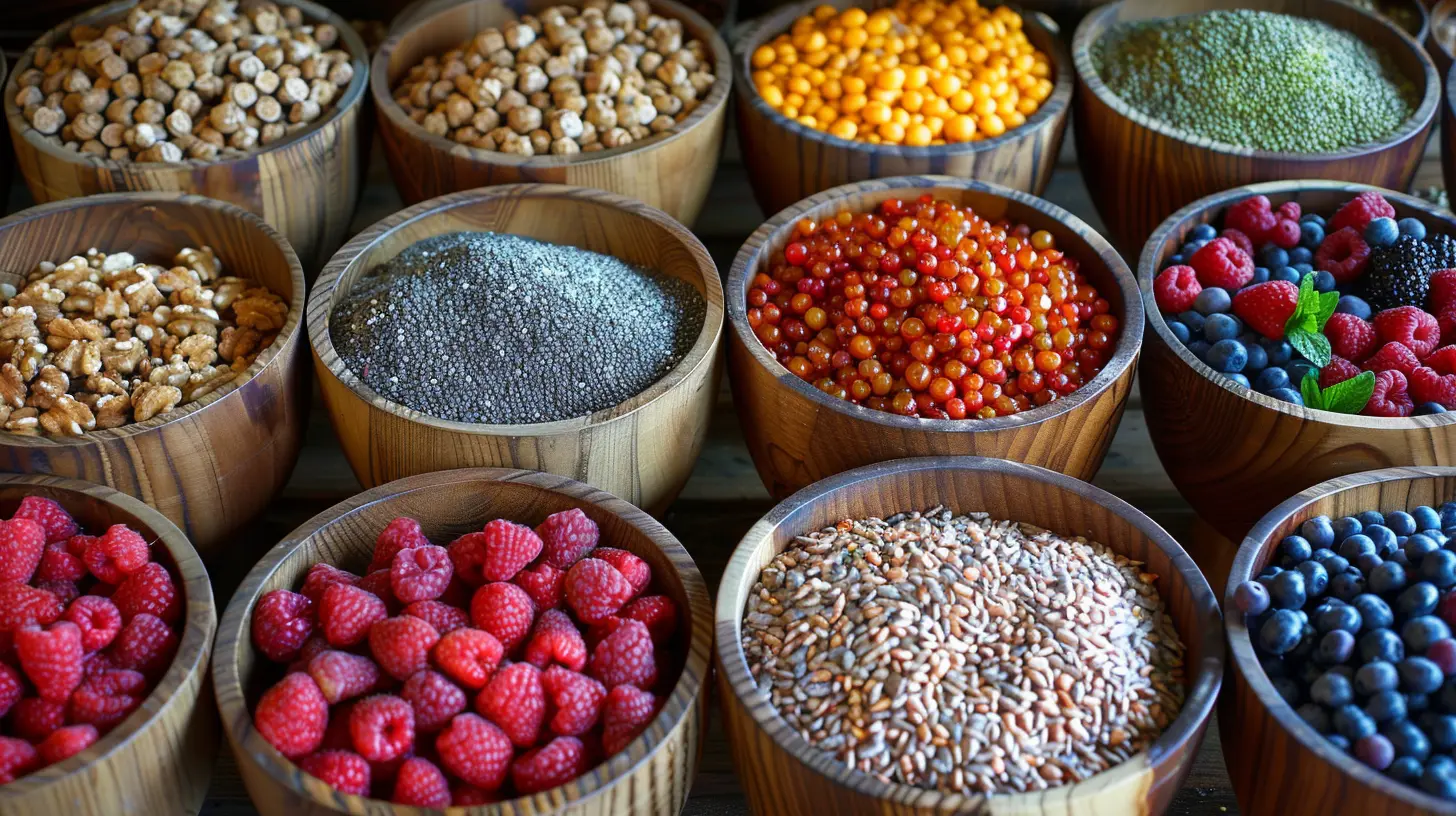
Macronutrients: The Big Three for Peak Performance
Understanding the three macronutrients—carbs, protein, and fats—is essential. They’re not just buzzwords. They’re the fuel, the building blocks, and the long-burning log on the fire.1. Carbohydrates: The Energy Powerhouse ⚡
Carbs are the body’s go-to source for energy—especially during high-intensity sports like soccer, basketball, or track. Think of them as the gasoline in the tank.Best carbs for teen athletes:
- Whole grains (oats, brown rice, whole wheat bread)
- Fruits (bananas, berries, oranges)
- Vegetables (sweet potatoes, corn, peas)
- Legumes (lentils, beans)
Pro tip: Don’t skip carbs before practice or a game. A banana and whole grain toast 1–2 hours before can make a huge difference.
2. Protein: The Muscle Fixer 🏋️
Protein doesn’t just grow muscles, it’s key for recovery and preventing injuries too. Teen athletes need more than the average teen because of both growth and activity.Great protein options:
- Lean meat (chicken, turkey)
- Fish (salmon, tuna)
- Eggs
- Dairy (milk, cheese, Greek yogurt)
- Plant-based (tofu, beans, lentils, quinoa)
Spread it out! Your body can only use so much at once, so include some protein in every meal and snack.
3. Fats: The Long-Lasting Fuel 🔥
Fats often get a bad rap, but they’re vital—especially for endurance sports or long training sessions.Healthy fat sources:
- Avocados
- Nuts and seeds
- Nut butters (almond, peanut)
- Olive oil
- Fatty fish (salmon, sardines)
Avoid trans fats and limit saturated fats. Think fewer chips, more almonds.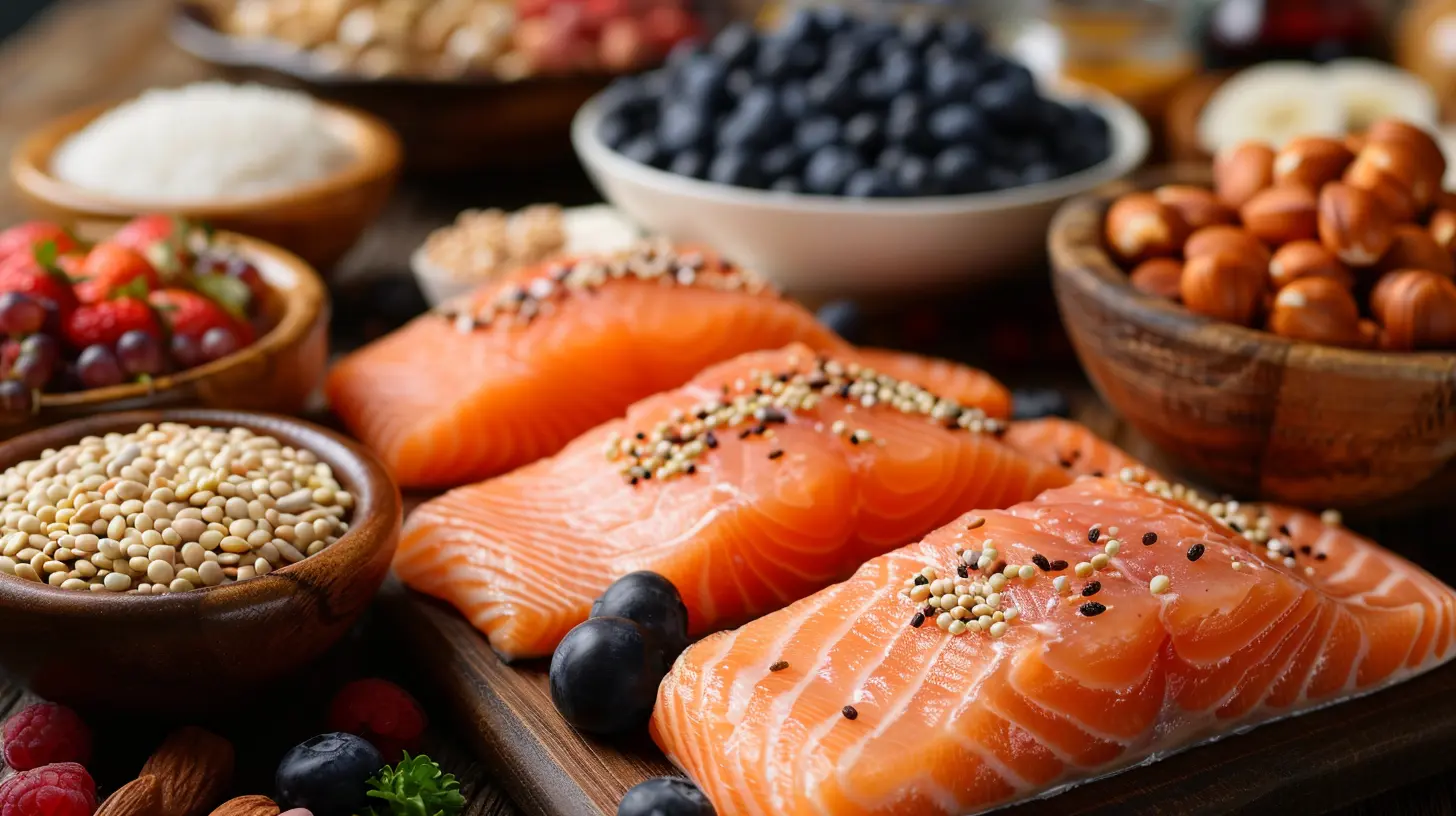
Micronutrients: The Unsung Heroes
They might be tiny, but vitamins and minerals are mighty. They help with energy production, bone strength, immunity, and hydration.Iron: The Oxygen Carrier
Athletes need iron to deliver oxygen to muscles. Low iron = fatigue, poor performance, shortness of breath.Sources: Red meat, leafy greens, beans, fortified cereals.
Tip: Pair iron-rich foods with vitamin C (like oranges) to boost absorption.
Calcium & Vitamin D: Bone Builders
Broken bones sideline athletes fast. Calcium and Vitamin D make bones strong, especially during those key growth years.Sources: Milk, cheese, yogurt, leafy greens, fortified plant milks, eggs.
Magnesium, Zinc, and B Vitamins
These support muscle function, energy metabolism, and immune health. You’ll find them in whole grains, nuts, seeds, and lean meats.
Hydration: Don’t Sleep on Water 💧
You can eat perfectly, but if you’re dehydrated, performance tanks. Teens sweat a lot—sometimes more than they realize—and even mild dehydration can cause cramps, dizziness, and mental fog.Tips to stay hydrated:
- Carry a water bottle always.
- Sip regularly, not just when you’re thirsty.
- Add electrolyte drinks during long or hot workouts—just watch the sugar.
A good rule of thumb? Pee should be light yellow. If it’s dark, you’re behind.
Timing Matters: What to Eat and When
It’s not just what you eat, it’s when. The timing of meals and snacks supports energy, focus, performance, and recovery.Pre-Workout Fuel
1–3 hours before: A mix of carbs and protein.Example: Turkey sandwich, yogurt with granola, banana with peanut butter.
30 minutes before: A light carb snack.
Example: A granola bar or a piece of fruit.
During Exercise
For workouts under an hour, water is enough. For longer sessions, incorporate quick carbs (sports drinks, bananas, raisins) to prevent fatigue.Post-Workout Recovery
Within 30–60 minutes: Refuel with protein and carbs to repair muscles and replenish energy.Example: Chocolate milk, smoothie with fruit and protein, peanut butter sandwich with a glass of milk.
Supplements: Are They Necessary?
Here’s the truth—if you’re eating a well-rounded diet, you probably don’t need supplements. Most teens can get what they need from food… unless there’s a deficiency or a medical reason.But beware: Supplements are barely regulated. Some are full of fillers or banned substances. Always talk to a doctor or sports dietitian before trying anything.
Common Teen Athlete Nutrition Mistakes (And How to Fix Them)
1. Skipping Breakfast
Big mistake. Going to school and then straight to practice on an empty stomach is like running a race with no fuel.Fix it: Even if you’re short on time, grab a smoothie, toast with peanut butter, or a yogurt and fruit.
2. Not Eating Enough
Sports burn serious calories, and teens are still growing. Often, they simply don’t eat enough.Fix it: Add snacks between meals. Think trail mix, hard-boiled eggs, or whole grain crackers with cheese.
3. Overdoing Processed Foods
Fast food and vending machine snacks are convenient but offer little in return.Fix it: Meal prep and pack snacks. Choose whole foods as often as possible.
4. Ignoring Recovery
Many teens skip their post-game or post-practice meal. Bad move. Muscles need nutrients fast after exercise.Fix it: Have a go-to recovery snack ready. Chocolate milk or a protein smoothie does the job well.
Involving Parents: A Team Effort
Younger athletes rely heavily on parents for food choices. So, parents, listen up—your support is critical. Keep the pantry filled with healthy options, encourage regular meals, and help them plan snacks for game days.Remember, it’s not about pushing your teen to become “ripped” or win every game. It’s about raising a strong, healthy human who feels energized, confident, and capable.
Creating Long-Term Habits: The Real Win
Let’s be honest—teen athletes have enough on their plate. Between school, sports, social life, and screen time, nutrition can feel like just another thing to worry about. But building these habits now? It’s a game-changer.When teens learn how to fuel their bodies, they carry that knowledge for life. They become adults who understand how food impacts performance, mood, and long-term health. And that’s way more valuable than a trophy.
So start small. Swap soda for water. Add an extra veggie at dinner. Prep a snack for after practice. These baby steps lead to big wins—on and off the field.
Final Thoughts
Sports nutrition for teen athletes isn't about restrictive diets, weight obsession, or complicated regimens. It's about creating a foundation of healthy habits that support energy, performance, growth, and mental well-being.Start by understanding the basics: carbs fuel, protein builds, fats sustain, and hydration keeps everything running. Then, layer in smart timing, thoughtful choices, and balance. Don’t forget, perfection isn’t the goal—consistency is.
So whether your teen is chasing a state title, a college scholarship, or just playing for the love of the game, one thing's for sure: fueling right is part of the playbook.
all images in this post were generated using AI tools
Category:
Sports NutritionAuthor:

Umberto Flores
Discussion
rate this article
2 comments
Isaiah Rhodes
Absolutely crucial! Establishing solid nutrition habits in teen athletes not only enhances performance but fosters lifelong health. Let’s prioritize their diet for a winning future!
April 25, 2026 at 3:42 AM
Umberto Flores
Thank you! I completely agree—early nutrition habits are the foundation for both athletic success and long-term wellness.
Sierra Kim
This article provides valuable insights on the importance of nutrition for teen athletes. Building healthy habits early can significantly enhance performance and overall well-being. Well done!
April 5, 2026 at 4:06 AM
Umberto Flores
Thank you for your kind words! I'm glad you found the insights valuable for helping teen athletes develop healthy habits.