Stadiums That Shaped Sports History
24 June 2026
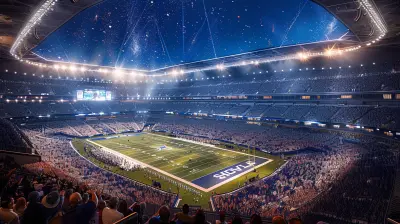
Throughout the history of sports, certain stadiums have transcended their physical presence, becoming iconic landmarks that represent moments of triumph, heartbreak, and human perseverance. These stadiums are not just places where games are played — they are theaters of dreams and emotions, where athletes become legends and fans witness history in the making.
Today, we'll take a journey through some of the most legendary stadiums that have not only hosted incredible sporting events but have also played a significant role in shaping sports history. Whether you're a die-hard sports fan or someone who enjoys the occasional game, these venues have stories that resonate with everyone.
1. Wembley Stadium (London, England)
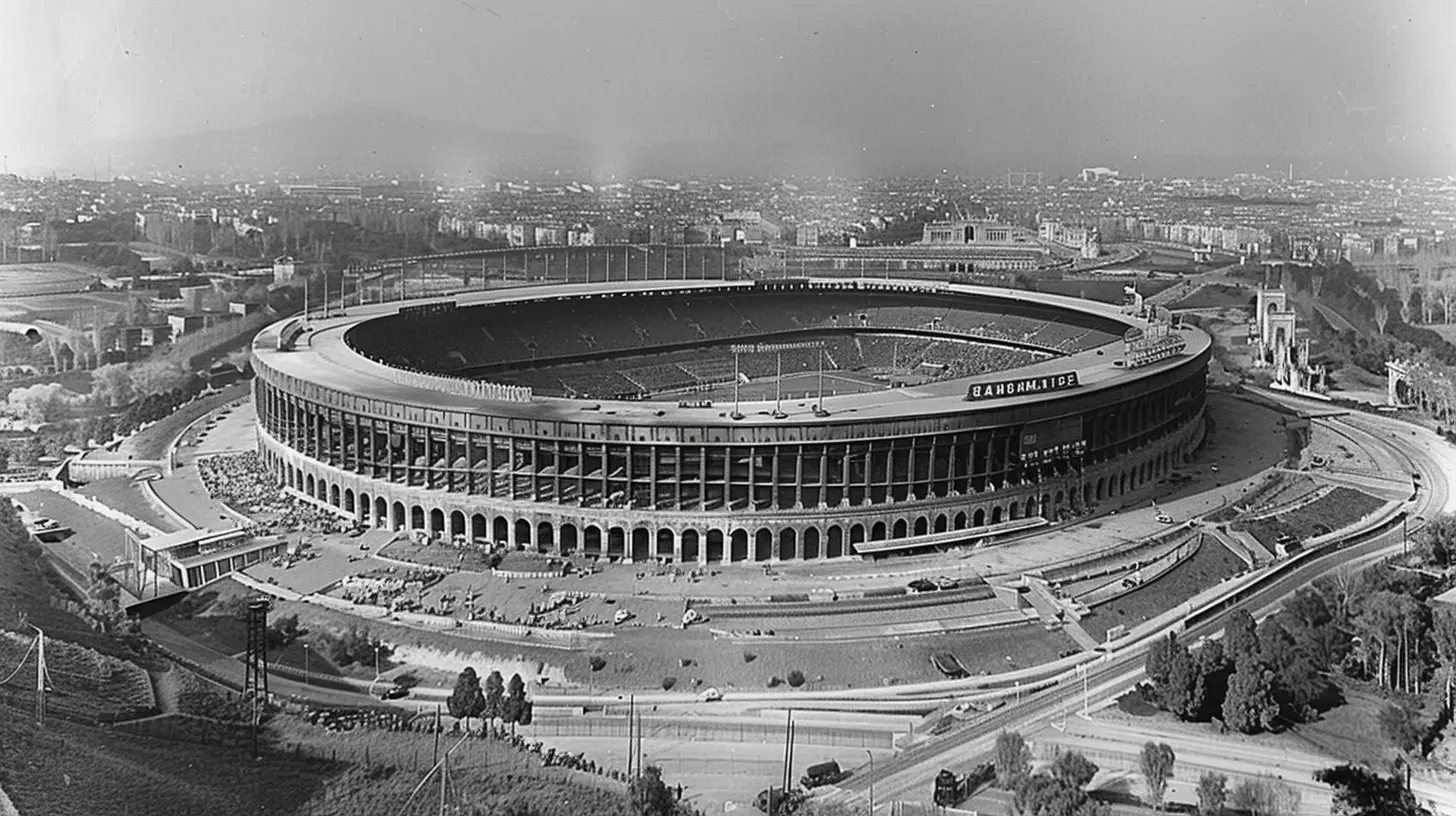
When it comes to iconic stadiums, Wembley tops the list. Dubbed as the "Home of Football," this colossus in London is steeped in history. The original Wembley, built in 1923, witnessed some of the greatest football matches ever played, including the 1966 World Cup Final, where England triumphed over West Germany. The sight of Geoff Hurst's controversial "did it cross the line?" goal is etched into the memories of football fans everywhere.But it’s not just about football. Wembley has seen legendary concerts, boxing matches, and even Olympic events. The stadium was rebuilt in 2007, keeping the famous twin towers intact and adding a stunning 133-meter-high arch, which has since become a symbol of modern sporting excellence.
Wembley is not just a stadium; it’s a cathedral for sport enthusiasts. The roar of the crowd, the tension in the air, and the raw emotions that pour out during contests make every event here special.
Why Wembley Matters
Wembley has a unique aura. It's where legends are made, and where fans experience the highest of highs and the lowest of lows. From the FA Cup finals to Champions League showdowns, Wembley remains a monument to what sport is all about: passion, drama, and unforgettable moments.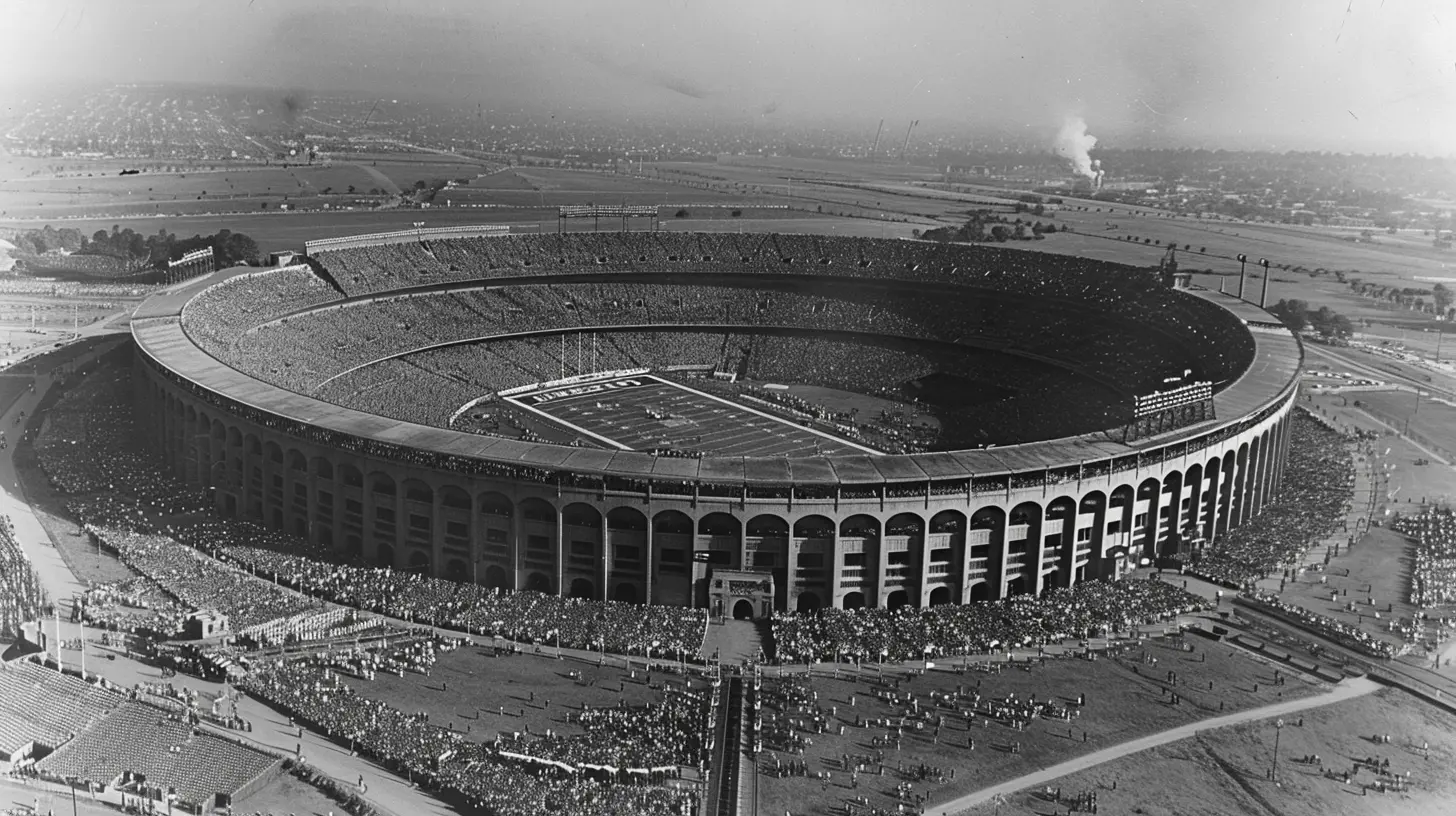
2. Madison Square Garden (New York City, USA)
You’ve probably heard it called “The World's Most Famous Arena," and rightly so. Madison Square Garden, or MSG for short, is much more than just a building in the heart of Manhattan. It’s a living, breathing part of sports and entertainment lore.MSG has been the backdrop for countless historic events, from Muhammad Ali's boxing bouts to epic NBA and NHL games. It’s where the New York Knicks and Rangers call home, and it has hosted concerts from legendary artists like Michael Jackson and Billy Joel.
But when it comes to sports, MSG is a place where moments become mythology. Just imagine: the arena has seen Willis Reed limp onto the court to lead the Knicks to a championship and Patrick Ewing's rise to stardom. Not to mention, it was the venue for some of the greatest boxing matches of all time, including the famous "Fight of the Century" between Ali and Frazier in 1971.
Why MSG Still Shines
Madison Square Garden isn’t just a place to watch a game or a concert; it’s an experience. The energy is electric, and the history is palpable. The Garden may have undergone several renovations over the years, but its aura remains untouched. It's the place where dreams come true — or get crushed, depending on which side you're rooting for.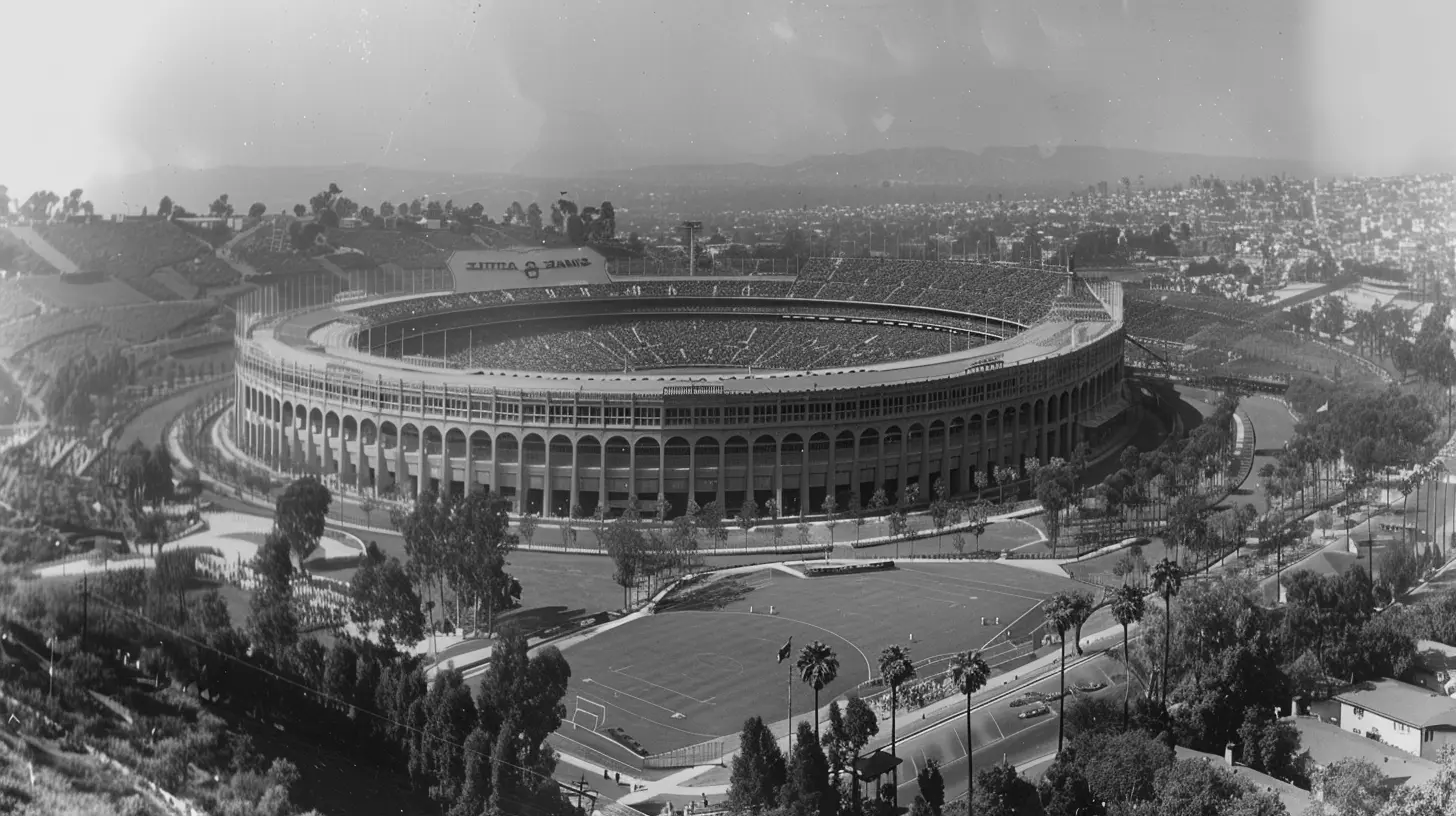
3. Maracanã Stadium (Rio de Janeiro, Brazil)
If there's one stadium that screams "football fever," it's the Maracanã in Rio. Built for the 1950 FIFA World Cup, this stadium holds a special place in the hearts of football fans worldwide. At its peak, the Maracanã could hold nearly 200,000 spectators, making it the largest stadium in the world at the time.But it’s not just about size. The Maracanã has hosted some of the most dramatic moments in football history. Perhaps none more heartbreaking than the "Maracanazo" of 1950, where Brazil lost to Uruguay in the World Cup final, shattering the hopes of an entire nation.
Fast forward to 2014, and the Maracanã was once again at the center of the football universe, hosting the World Cup final between Germany and Argentina. This time, it was a happier ending for the host nation as Brazil wasn’t playing, and Germany lifted the trophy.
Why the Maracanã is Legendary
This stadium is a true symbol of Brazil's love for football. The passion of the fans, the sheer size of the venue, and the historic matches played here make the Maracanã a must-visit for any football fan. It's a place where the beautiful game is celebrated like nowhere else.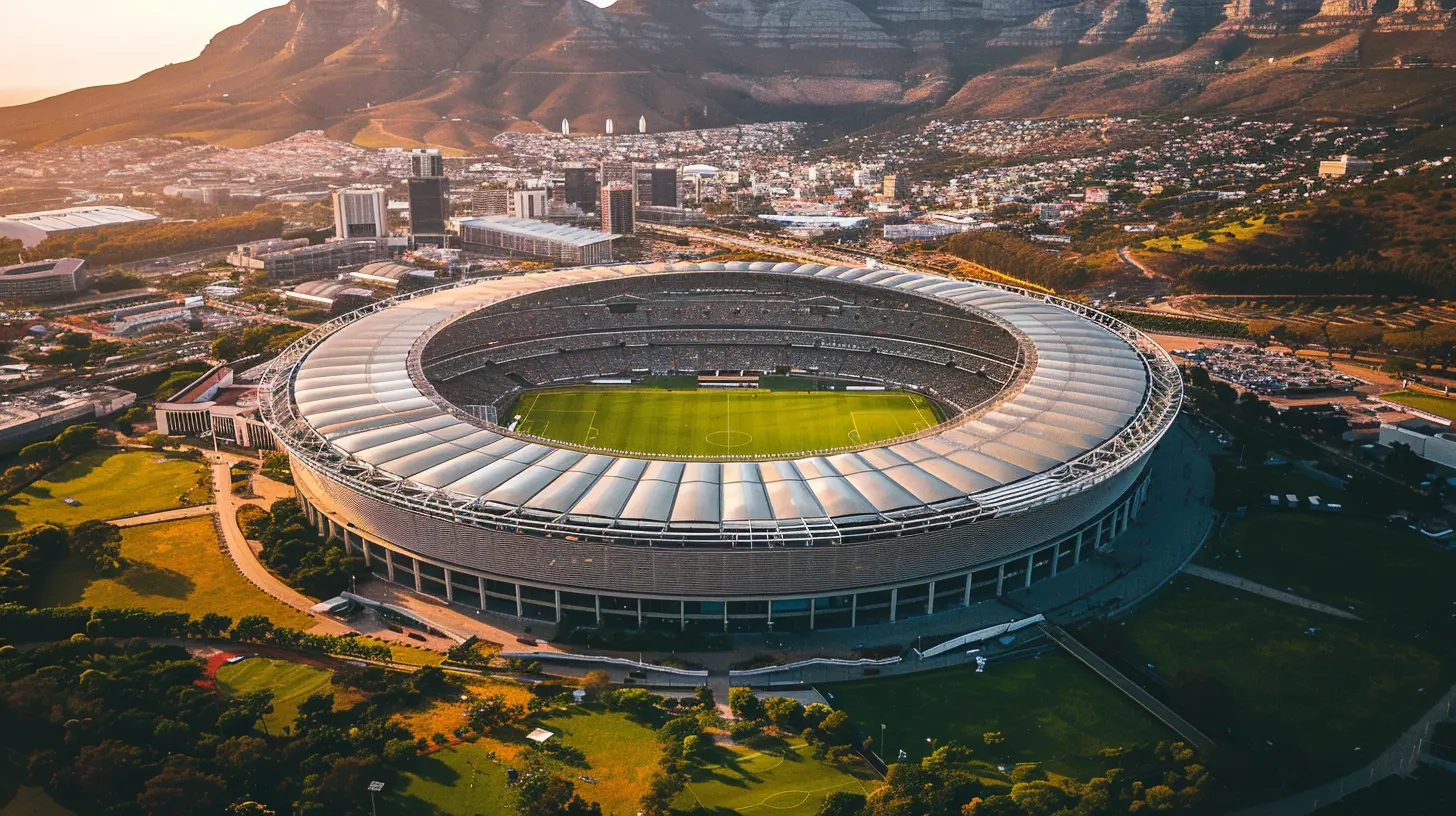
4. Camp Nou (Barcelona, Spain)
When you talk about football cathedrals, Camp Nou has to be part of the conversation. Home to FC Barcelona, this massive structure in the heart of Catalonia is a place where football is more than just a sport — it’s a way of life.Camp Nou opened its doors in 1957 and has since become one of the most revered stadiums in the world. With a seating capacity of nearly 100,000, it’s the largest stadium in Europe. Every week, passionate Barça fans fill the stands, chanting and singing to support their beloved team.
But what really makes Camp Nou special is the football played on its pitch. Legends like Johan Cruyff, Ronaldinho, and Lionel Messi have graced the field, creating moments that have shaped the course of football history. From stunning goals to remarkable victories, Camp Nou is a place where fans come to witness magic.
Why Camp Nou Stands Tall
The passion of the fans combined with the artistry of the football make Camp Nou one of the most iconic stadiums in the world. It’s where football is a spectacle, and every match feels like a celebration. Whether Barça wins or loses, the atmosphere at Camp Nou is always electric.5. Fenway Park (Boston, USA)
Baseball may be America’s pastime, but Fenway Park is its heart. Located in Boston, Massachusetts, Fenway is the oldest ballpark in Major League Baseball, having opened in 1912. It’s one of those places where time seems to stand still, with its quirky dimensions and famous Green Monster towering over left field.Fenway has been the site of many iconic moments in baseball history. From Ted Williams' legendary career to the Red Sox ending their 86-year World Series drought in 2004, this ballpark has witnessed it all. There’s just something special about watching a game at Fenway. The sound of the crack of the bat, the smell of hot dogs, and the cheers of the crowd create an atmosphere unlike any other.
Why Fenway is Timeless
Fenway Park isn’t just a ballpark — it’s a living museum. The history, the tradition, and the charm of the place make it a must-visit for any sports fan. It’s where past and present collide, and where every game feels like it’s part of something bigger.
6. Melbourne Cricket Ground (Melbourne, Australia)
Fondly known as the MCG or simply "The G," Melbourne Cricket Ground is one of the most iconic stadiums in the world of cricket. But it's not just cricket that makes this venue special. The MCG has hosted everything from Australian Rules Football (AFL) to the Olympic Games.With a capacity of over 100,000, the MCG is the largest stadium in the southern hemisphere. It's the home of the Boxing Day Test, one of the most highly anticipated events on the cricket calendar. And for AFL fans, the MCG is the place where dreams are made and shattered during the annual Grand Final.
Why the MCG is a Sporting Mecca
The MCG is more than just a cricket ground; it's a symbol of Australia’s sporting culture. The atmosphere during a packed game is electric, and the sense of history is ever-present. Whether you're a cricket fan or an AFL aficionado, the MCG is a temple of sport that leaves a lasting impression.7. The Colosseum (Rome, Italy)
Okay, hear me out. The Colosseum may not host modern sporting events, but this ancient Roman amphitheater was the original stadium that shaped the concept of spectatorship in sports. Built nearly 2,000 years ago, the Colosseum was a venue for gladiatorial contests, mock naval battles, and public spectacles — all in front of tens of thousands of roaring spectators.While modern stadiums have been built with advanced technology and comfort in mind, the Colosseum was a marvel of engineering for its time. It could hold up to 50,000 people, with retractable awnings to shield the audience from the sun. The energy and excitement that filled the Colosseum during gladiatorial games is not too different from the atmosphere we find in today’s arenas.
Why The Colosseum is Relevant
The Colosseum laid the groundwork for the stadiums we know today. It was the birthplace of spectator sports, and its influence can still be seen in the design and purpose of modern stadiums. It may not host sporting events anymore, but its legacy in the world of sports is undeniable.
Final Thoughts
Stadiums are more than just structures made of steel and concrete. They are places where history is written, where emotions run high, and where memories are made. Whether it’s the roar of the crowd at Wembley, the electric atmosphere of Madison Square Garden, or the timeless beauty of Fenway Park, these iconic venues have shaped sports history and continue to inspire fans and athletes alike.Each of these stadiums has its own story to tell, and their significance goes beyond the games played within their walls. They are symbols of our collective love for sport, and they remind us that, in the end, it’s not just about winning or losing — it’s about being part of something bigger.
all images in this post were generated using AI tools
Category:
StadiumsAuthor:

Umberto Flores
Discussion
rate this article
1 comments
Zorina Pope
What a fantastic look at the stadiums that have made such an impact on sports. Each venue tells a unique story, and it's amazing to think about the unforgettable moments that took place within their walls.
June 24, 2026 at 2:27 AM
Umberto Flores
Thanks for your thoughts! It's incredible how each stadium holds so much history and emotion. Glad you enjoyed the article.