Tennis Warm-Up Routines to Avoid Injury and Boost Performance
21 January 2026
When you think about stepping onto the court, what's the first thing you should do? Grab your racket? Tie your shoes tight? Nah — before you do anything else, you need to warm up. Proper tennis warm-up routines aren’t just about getting your body moving; they’re your secret weapon to staying injury-free and performing at your peak.
Let’s be real — skipping your warm-up is like jumping into a pool without checking the water temperature. You might be okay, but you're taking a risk. So whether you’re a weekend warrior or a competitive player, having a solid warm-up routine under your belt can make all the difference.
In this guide, we’re going to break down everything you need to know about tennis warm-ups — what they are, why they matter, and how to do them right.
Why Warm-Up Is Non-Negotiable in Tennis
First, let’s talk basics. A warm-up is more than just a couple of stretches or a lazy jog around the court. It’s a deliberate, step-by-step process that transitions your body from rest mode to game mode.When you warm up properly:
- Your muscles get more oxygen
- Your joints loosen up
- Your reaction time improves
- You reduce the risk of strains, sprains, and pulls
Skipping this part? That’s like revving your car to 100mph the moment it starts — it’s a shortcut to breakdown city.
The Anatomy of an Effective Tennis Warm-Up
An ideal warm-up in tennis combines dynamic movements, light cardio, mobility drills, and tennis-specific actions. Let’s break it down step-by-step.1. General Warm-Up (5–10 Minutes)
Start with light cardio to gradually raise your heart rate and increase blood flow to your muscles. Think of it as the ignition switch for your engine.Options include:
- Light jogging (around the court)
- Skipping rope
- High knees or butt kicks
- Jumping jacks
Keep this phase low-intensity. You're not racing Usain Bolt — you're getting your blood moving.
> 🧠 Pro Tip: Don’t skip this! Cold muscles are more prone to tearing.
2. Dynamic Stretching (5–10 Minutes)
Think of dynamic stretches as the "wake-up call" for your joints and muscles. Unlike static stretches (where you hold a pose), dynamic ones involve movement — and movement is exactly what your body needs before a match.Try these dynamic tennis stretches:
- Arm Circles – Loosen up your shoulders with forward and backward circles.
- Leg Swings – Front-to-back and side-to-side to open up your hips.
- Torso Twists – Gently rotate your torso to prep your core.
- Walking Lunges with a Twist – Excellent for loosening up the legs and activating your balance.
- Hip Openers – Step laterally and rotate your hips to mimic on-court movements.
Dynamic stretching gets your muscles ready for explosive actions — the lunges, sprints, and sudden stops that are tennis staples.
3. Tennis-Specific Movements (5–10 Minutes)
Now that your body’s warmed up, it’s time to mimic real tennis movements. Think of this as a dress rehearsal before the big show.Key drills:
- Shadow Swings – Practice your forehands, backhands, and serves without a ball. Focus on form and footwork.
- Split Steps and Shuffle Drills – Move side to side like you would in a rally.
- Mini Tennis – Start close to the net and rally with a partner using half-court swings. Gradually increase intensity.
This stage links your physical warm-up to your actual tennis play.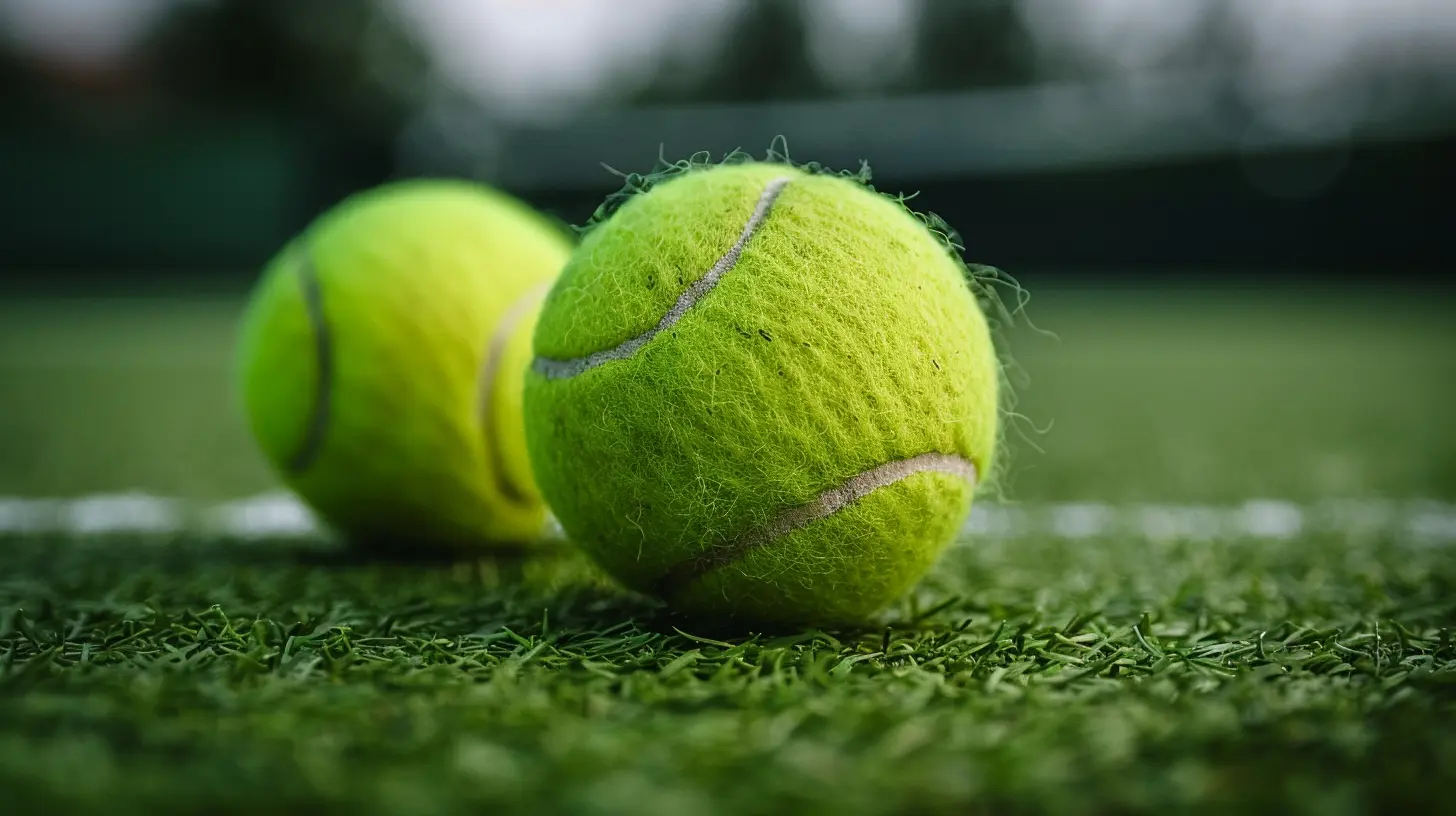
Cool Down — Don’t Skip It!
After the match, it’s tempting to just drop your racket and call it a day. But hold up — you need to cool down, too.Here’s why:
- Helps flush out lactic acid
- Prevents stiffness and soreness
- Gradually lowers your heart rate
Include:
- Light jogging or walking
- Deep static stretches (hamstrings, calves, shoulders, and back)
- Foam rolling, if available
It’s the equivalent of parking your car after a long drive — let the engine cool before shutting off completely.
Common Warm-Up Mistakes to Avoid
So we’ve got the ‘dos’ covered — now let’s hit the ‘don’ts’. Avoid these rookie mistakes:❌ Skipping the Warm-Up Entirely
Even if you're short on time, squeezing in 10 minutes of solid warm-up is better than nothing.❌ Static Stretching Before Play
Static stretches before tennis can actually reduce your power and increase your risk of pull injuries. Save those for after the game.❌ Going Too Hard Too Soon
Your warm-up should progressively build intensity. Going all-out in the first few minutes? That’s a fast track to fatigue before the match even starts.❌ Ignoring the Upper Body
Tennis isn’t just about legs — your shoulders, elbows, and wrists need love too. Incorporate upper-body movements into your routines.Tailoring Your Warm-Up to Match Type
Not every match is built the same — and neither should your warm-up be.🎾 Singles Match Prep
Singles demand more court coverage. Focus on agility drills and dynamic leg stretches.- Lateral shuffles
- Sprint starts
- Drop step reactions
🎾 Doubles Match Prep
Doubles require tighter reflexes and net play. Emphasize hand-eye coordination and upper body activation.- Volley shadow drills
- Reaction ball bounces
- Quick feet ladder work
Incorporating Mental Warm-Up
Tennis is as much a mental game as it is physical. While your body’s loosening up, your mind should be, too.Try these quick mental warm-up tips:
- Visualize key shots or strategies
- Do a few deep-breathing exercises
- Set a mental cue or mantra (“Stay low,” “Play smart,” etc.)
You’re not just warming up your muscles — you’re prepping your whole game.
Warm-Up Routines for Different Age Groups
Let’s not forget: warm-ups aren’t one-size-fits-all. Age matters.🧒 Young Players (Under 16)
Keep it fun and energetic. Kids lose focus quickly, so mix it up.- Cone drills
- Tennis ball games
- Short races
👴 Senior Players
Focus more on joint mobility and balance — areas that lose elasticity with age.- Gentle leg swings
- Shoulder rolls
- Slow-paced footwork drills
Warm-ups here should be longer and more deliberate. The older we get, the more TLC our bodies need.
Final Thoughts: Your Pre-Match Ritual Matters
Here’s the deal — warming up isn’t a formality. It’s your first opportunity to outplay your opponent before the first serve is even struck.Think about it:
Would you roll a dough without kneading it first? Nope. It falls flat.
Warming up gives your body and mind the edge they need to perform consistently — and safely.
It doesn't have to be complex, and it definitely doesn’t need to take forever. But it does need to be consistent. Make it a habit, not a chore. Your future self (and your tendons) will thank you.
So, next time you’re headed to the court, ask yourself — did I warm up properly?
If the answer is no, you know what to do.
Sample 15-Minute Tennis Warm-Up Routine
| Time | Activity | Purpose ||------|----------|---------|
| 0–3 min | Light jog or jump rope | Raise body temperature and heart rate |
| 3–6 min | Dynamic stretches | Activate joints (hips, shoulders, knees) |
| 6–10 min | Tennis-specific drills | Footwork and shot simulation |
| 10–15 min | Mini tennis or shadow swings | Fine-tune coordination, rhythm |
Use this as a base and tweak it for your style, age, and match type.
Bonus Tips to Boost Your Warm-Up Game
- Hydrate before warm-ups – Even a little dehydration can hurt performance.- Use resistance bands – Great for shoulder activation.
- Add music – A little rhythm can make warm-ups more enjoyable.
- Track your routine – Note what works best and build your own go-to sequence.
all images in this post were generated using AI tools
Category:
TennisAuthor:

Umberto Flores
Discussion
rate this article
2 comments
Quincy Gutierrez
Essential for every player!
February 25, 2026 at 6:00 AM
Umberto Flores
Absolutely! Warm-up routines are crucial for preventing injuries and enhancing performance on the court.
Rina McClary
Great article! It’s so important for athletes to prioritize their warm-up routines to prevent injuries and enhance performance. Taking the time to properly prepare not only supports physical health but also boosts confidence on the court. Thank you for sharing these valuable insights and encouraging us to approach our game mindfully!
January 24, 2026 at 5:13 AM
Umberto Flores
Thank you for your kind words! I'm glad you found the insights valuable for enhancing performance and injury prevention. Happy practicing!